


In brief
- A record €577 million was invested in the Balearic hotel sector in the first half of 2026.
- The archipelago alone accounts for 27% of hotel investments made across Spain.
- Upmarket shifts and ultra-luxury are emerging as the strategic response to tourism regulation efforts.
- Major transactions have redefined the market, driven by Dubai Holding, Calena Partners and Hoteles Globales.
The paradox of a highly coveted archipelago
The first half of 2026 confirmed the exceptional appeal of the Balearic Islands for international capital, despite local debates on regulating tourist flows. With €577 million injected during the first half of the year, the archipelago has established itself as the driving force behind hotel investment in Spain. This colossal sum represents more than a quarter of the national total. Far from dampening investor enthusiasm, the prospects of market quotas seem, on the contrary, to be increasing the value of existing assets, particularly in Mallorca.
Upmarket shift as a strategic shield
Faced with environmental restrictions and moratoria on new beds, operators are turning en masse to high-end and luxury hotels. This premiumisation strategy makes it possible to decouple financial profitability from overall visitor volume. By increasing the average spend, establishments maintain high margins while reducing physical pressure on the destination. Investors are thus acquiring resilient properties, ready to adapt to the new sustainability requirements imposed by local authorities.
Major manoeuvres in island portfolios
The year 2026 has been marked by major consolidation movements in the Mallorcan market. Hoteles Globales notably took over three key addresses from the Cerberus fund, namely Caprice Concord, Caprice Janeiro and Caprice Isabel, totalling nearly 500 rooms. For its part, the young firm Calena Partners made a major impact by acquiring a €200 million portfolio. This transaction includes Barceló Ponent Beach and Fergus Style Tobago, two strategic assets on the island of Mallorca, asserting the ambitions of this new independent player.

The flagship acquisition of Jumeirah Port Sóller by Dubai Holding
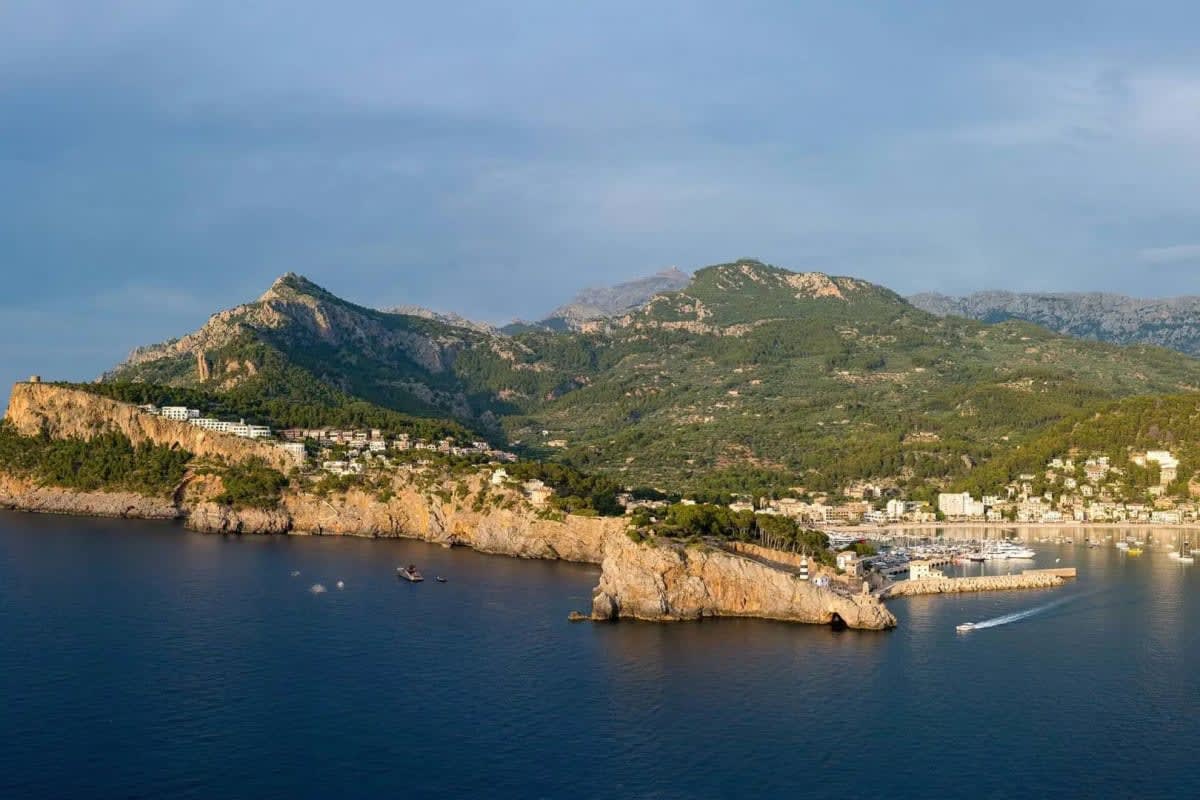
In the ultra-luxury segment, the most symbolic transaction remains the acquisition of Jumeirah Port Sóller Hotel & Spa by Dubai Holding at the start of the year. This major transaction illustrates the persistent interest of sovereign wealth funds and Middle Eastern giants in the gems of the Mallorcan coast. The 121-room property, perched on the cliffs of the north-west coast, will undergo major renovations to consolidate its status as a global flagship. This acquisition confirms Mallorca’s definitive transition towards a model of absolute exclusivity.