

- How much · €11.7 billion invested in the European hotel sector in the first half of 2026
- Trend · -9.5% year-on-year, but +19.5% above the ten-year average
- Where the money goes · half of all capital directed towards the upscale and luxury segments
- Who is buying · Asia-Pacific investors surge by 86%
- Source · Cushman & Wakefield data
The headline figure indicates a decline: €11.7 billion in the first half of the year, down 9.5% year-on-year. Taken in isolation, it is misleading. This same amount stands 19.5% above the average of the last decade, and while the number of traded assets has decreased, their unit value is maintaining record levels. This is not a market in retreat; it is a market that is becoming highly selective.
1. A decline that is not what it seems
The €11.7 billion recorded in the first half marks a 9.5% decline compared to the same period last year. However, when viewed over the longer term, this same figure exceeds the average of the last decade by 19.5%.
Part of this discrepancy is down to timing rather than appetite: longer due diligence periods and the search for optimal financing terms have pushed several major signings into the second half of the year. The missing volume has not vanished; it has simply slipped.
2. Fewer assets, but no cheaper
The number of transactions is decreasing, whilst unit values remain at record levels. Buyers are no longer building undifferentiated portfolios: they are seeking assets capable of sustaining high average room rates and absorbing operating cost inflation.
Two criteria now dictate acquisitions: location and brand. These are the only two elements an operator cannot manufacture after the fact, and the only ones that protect margins when costs rise.
3. Trophy assets change hands in Paris, London and Vienna
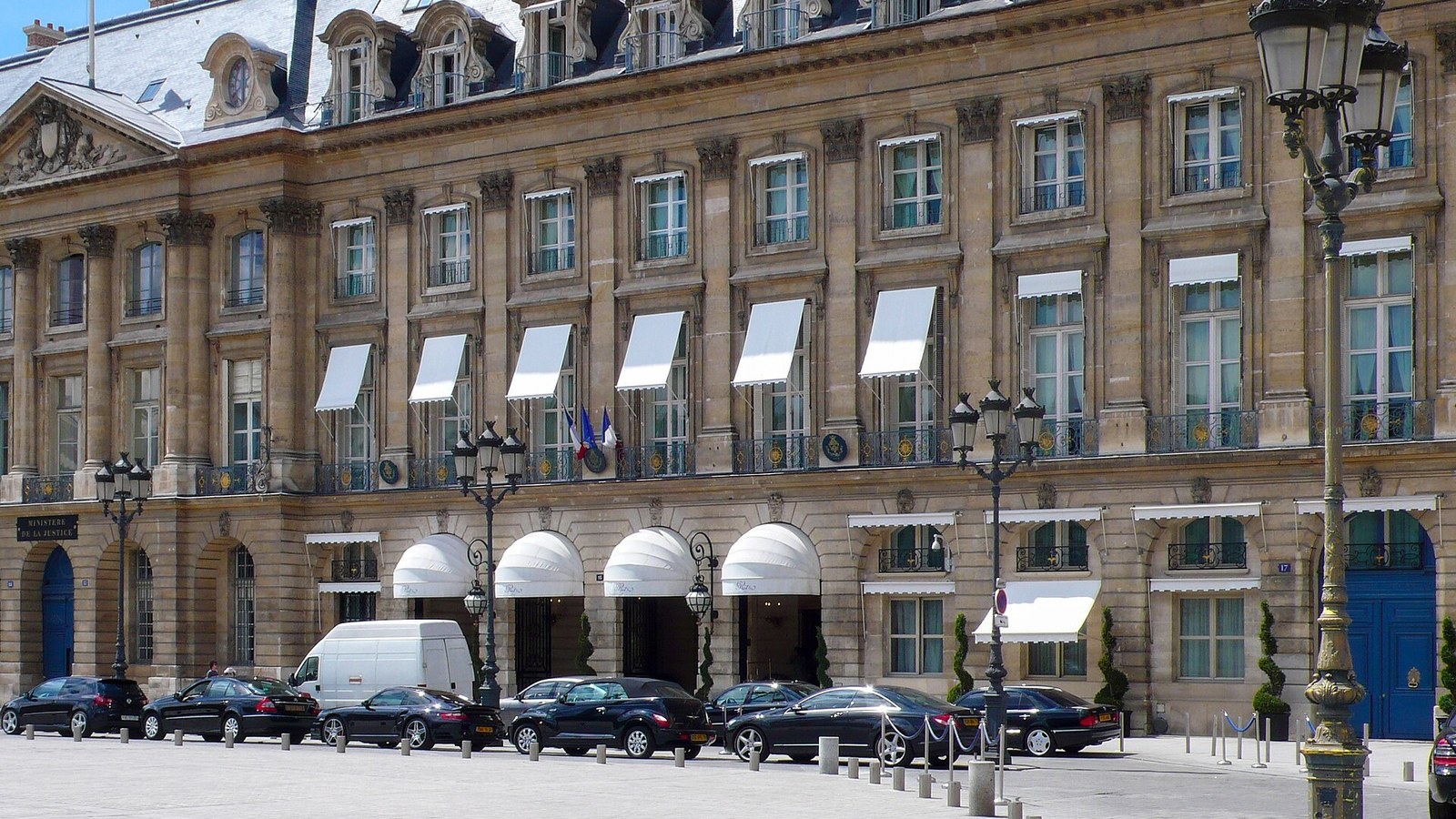
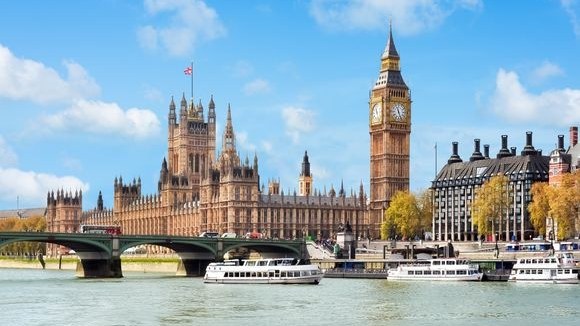
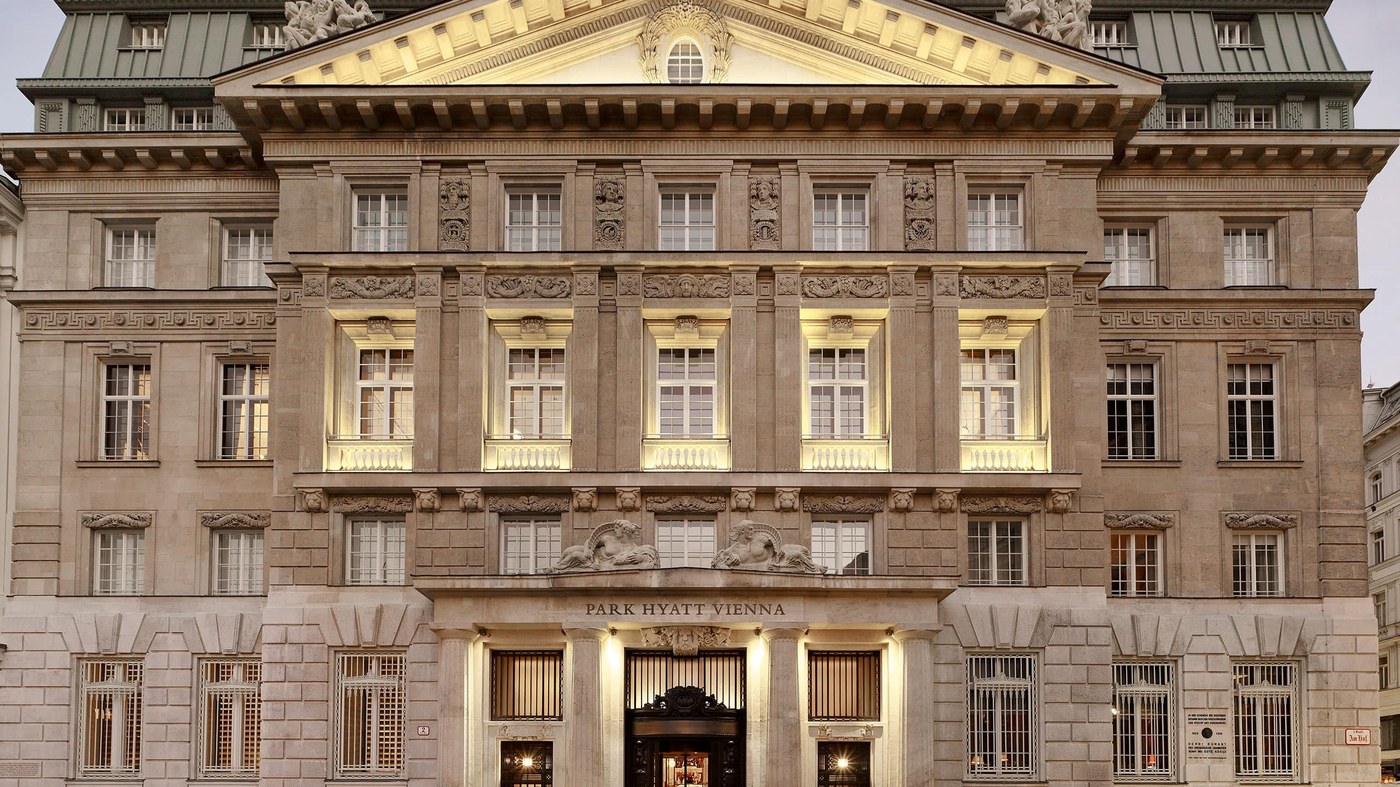
The half-year was marked by sales of prominent, unique assets. The Pullman Paris Tour Eiffel changed hands, confirming the enduring appeal of the French capital. In London, The Westminster Curio Collection, and in Vienna, the Park Hyatt, underwent major capital restructurings.
These addresses share one common feature: they cannot be replicated. In a historic European city centre, the barrier to entry is not capital, it is the building itself, which underpins the long-term capital preservation sought by these buyers.

4. Portfolios focus on Spain and the United Kingdom
The portfolio market remained active, but geographically concentrated, with the United Kingdom and Spain capturing the lion’s share. These transactions allow buyers to achieve critical mass rapidly in highly competitive markets.

Ten transactions exceeded €100 million during the half-year, a segment up 30% year-on-year. Upper-upscale and luxury assets almost systematically cross this threshold, driven purely by scarcity.
5. Asia-Pacific is returning, and fast
Acquisition volumes from Asia-Pacific investors surged by 86% year-on-year. Pension funds and family conglomerates are targeting Europe in search of stable yields away from their domestic markets.
This represents the most significant market shift of the half-year. It shifts the buyers’ centre of gravity without changing the nature of the target assets: these remain the same premium properties, simply purchased by different players.
- 📊 Volume · €11.7bn invested in the European hotel sector in H1 2026
- 📉 Year-on-year · -9.5%
- 📈 Ten-year trend · +19.5% above the ten-year average
- 💎 Segment · approximately 50% of capital directed towards upscale and luxury
- 🌏 Source of capital · Asia-Pacific +86% year-on-year
- 🏙️ Iconic assets · Pullman Paris Tour Eiffel, The Westminster Curio Collection (London), Park Hyatt Vienna
- 🗂️ Portfolios · majority of package deals concentrated in the UK and Spain
- 🔗 Source · Cushman & Wakefield