

- Ryman Hospitality Properties acquires the Grande Lakes Orlando resort from Trinity Investments for $1.38 billion.
- The complex combines two hotels on a single 165-hectare estate: the JW Marriott Orlando and the Ritz-Carlton Orlando.
- A total of 1,592 keys, representing approximately $867,000 per room, and an 18-hole golf course designed by Greg Norman.
- Marriott International remains the operator of both properties, under their current brands.
- This is a record for a US non-casino resort transaction. Closing is targeted for the third quarter of 2026.
A single signature, two luxury hotels and a championship course. Ryman Hospitality Properties has announced the acquisition of the Grande Lakes Orlando resort from the Trinity Investments fund for $1.38 billion. The transaction covers a unique Florida estate home to two distinct properties, setting a record for this type of asset in the United States.
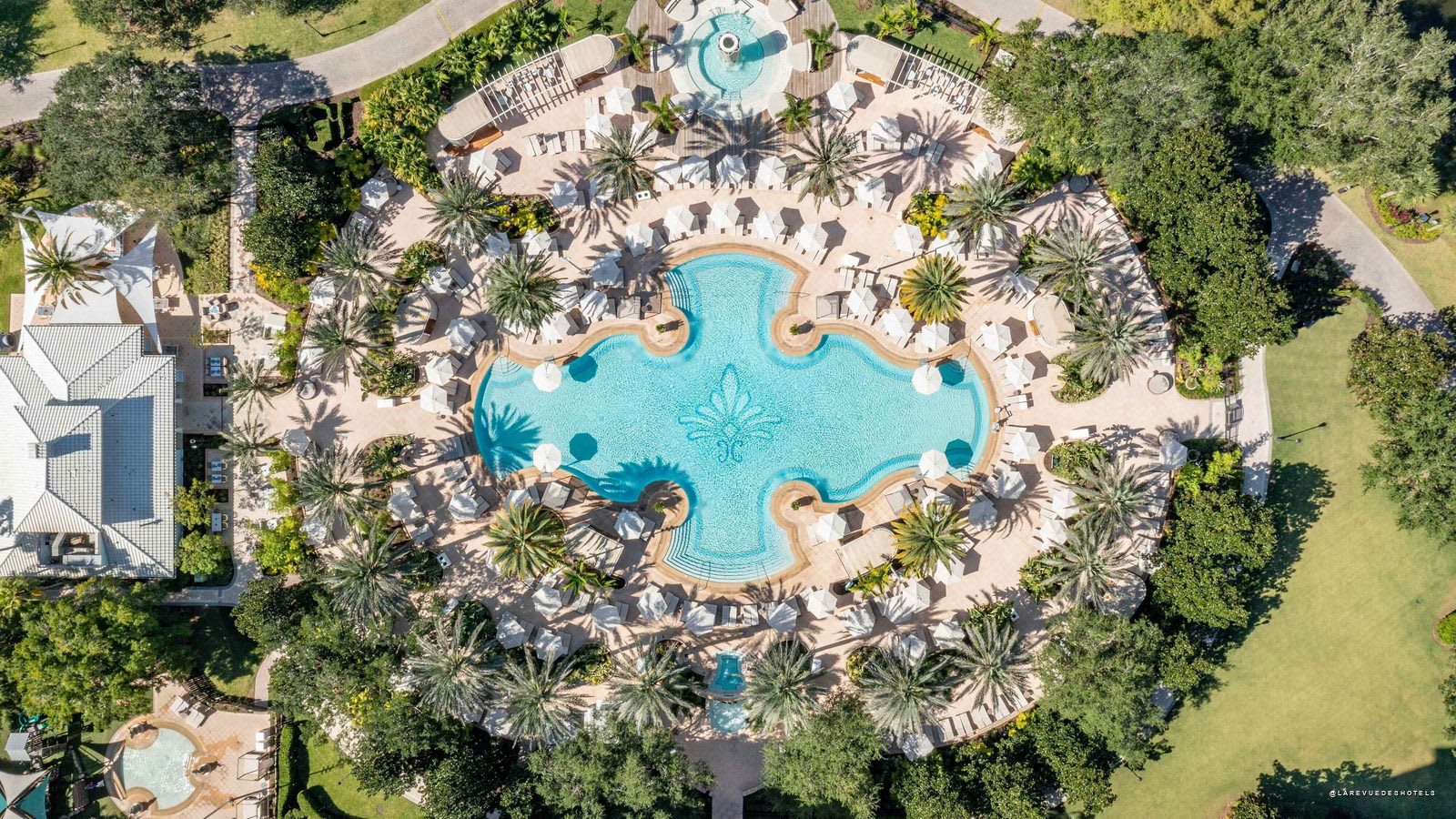
Two hotels, a golf course and 165 contiguous hectares
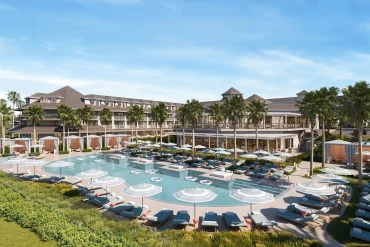
The estate spans 409 acres, or approximately 165 hectares, and it is precisely this configuration that makes it so rare. It combines the JW Marriott Orlando, Grande Lakes and its 1,010 rooms, as well as the Ritz-Carlton Orlando, Grande Lakes and its 582 rooms and suites. Two brands from the same group, two clienteles, a single site.
Added to this is an 18-hole championship golf course designed by Greg Norman, an asset that carries significant weight in this type of transaction: it secures the land and attracts business clientele, those who book room blocks several months in advance.
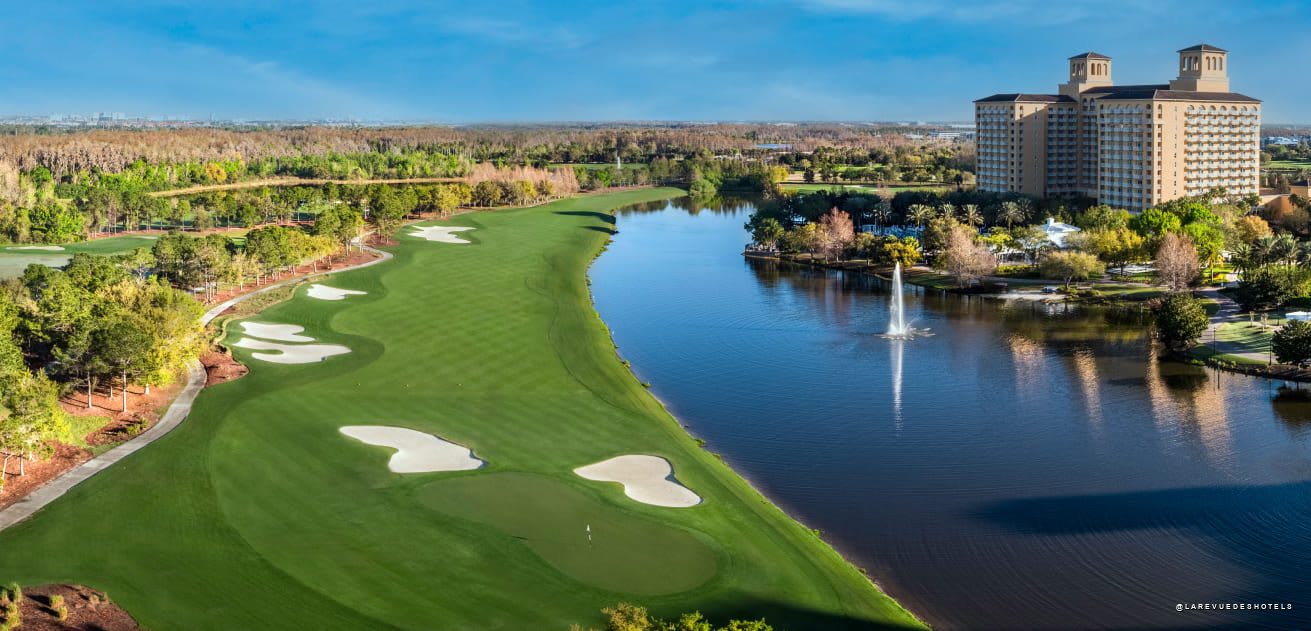
A record for a US hotel transaction outside of a casino
The amount makes this transaction the largest ever recorded for a US resort excluding gaming properties. Broken down by the number of keys, the calculation is telling: $1.38 billion for 1,592 rooms, or nearly $867,000 per room. A level usually found in city-centre urban properties, rarely for a leisure resort.
Ryman values the property at 12.5 times adjusted EBITDAre for the twelve months ending 30 June 2026. To finance the acquisition, the group launched a public offering of 5.1 million shares, supplemented by cash on hand and debt. Closing is targeted for the third quarter of 2026.
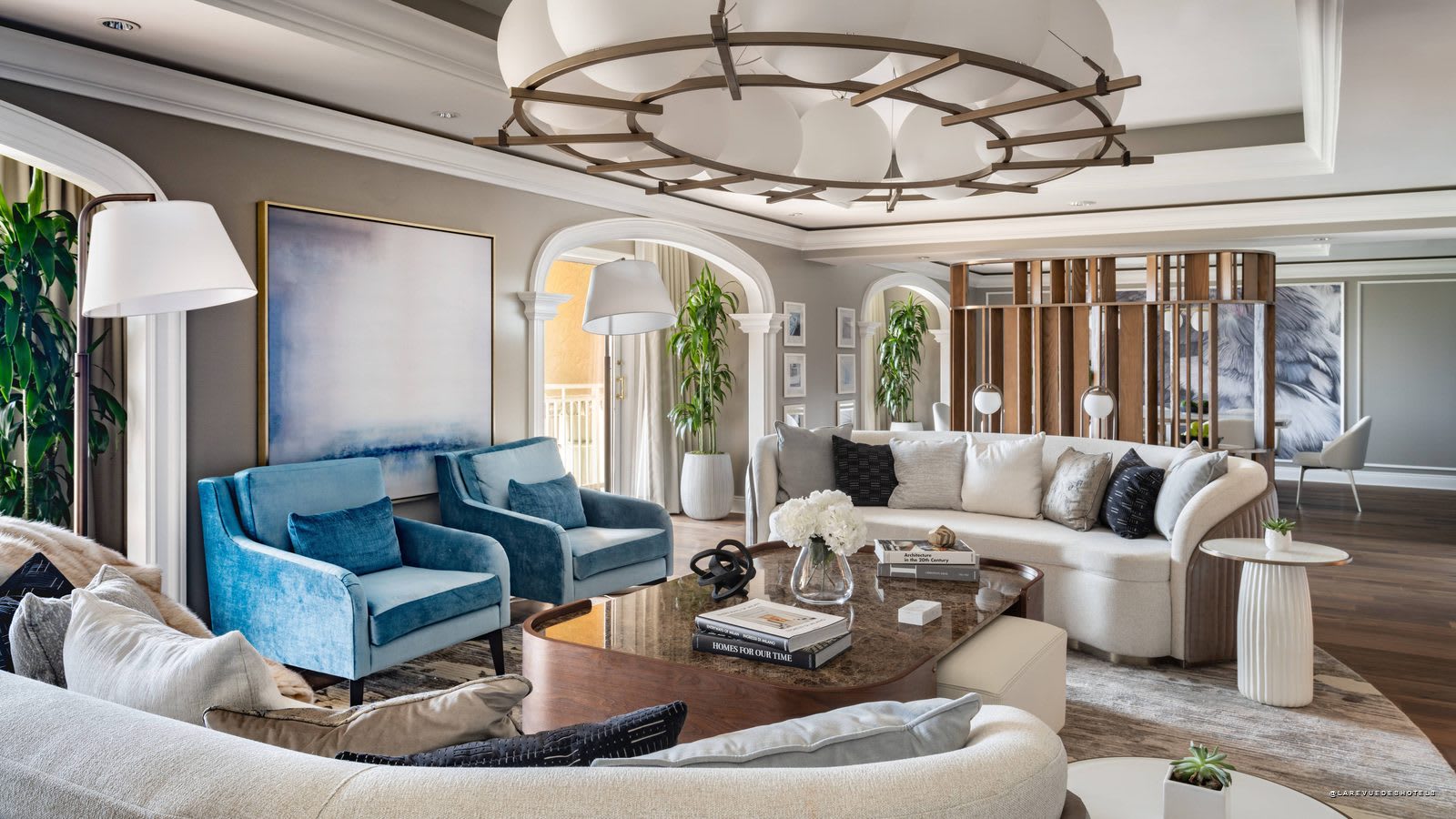
Why a convention resort specialist is buying a Ritz-Carlton
Ryman Hospitality Properties was built on Gaylord Hotels, those immense convention complexes under glass atriums that are its signature. The group is therefore on familiar ground with the JW Marriott and its 1,010 keys, tailored for large events. The interesting move lies elsewhere: with the Ritz-Carlton, Ryman is stepping up a gear in luxury, entering a segment where it previously had little presence.
The logic can be summed up in one sentence: a single estate makes it possible to host a convention of several thousand people while preserving a high-end leisure property, just a few minutes’ walk away. Few US properties offer this dual capability, and that is what justifies the price.
What this means for travellers
In the short term, nothing visible. Marriott International retains the management of both hotels, which keep their brands, their teams and their loyalty programmes. A change of ownership is not a change of operator, and this is explicitly provided for in the contract.
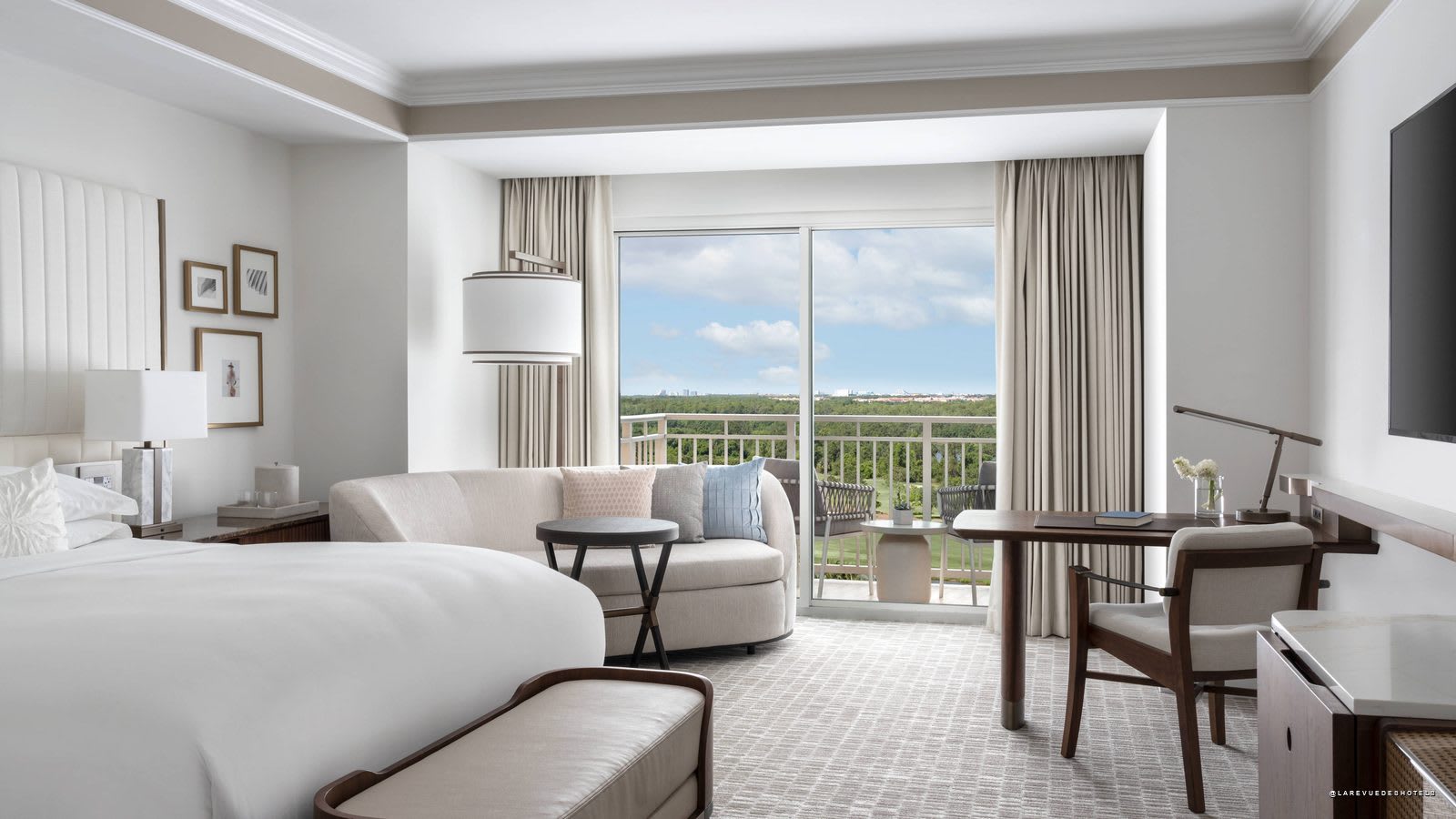
In the medium term, however, this type of acquisition is almost always accompanied by a renovation plan, as the new shareholder seeks to justify their purchase multiple. The rooms at the JW Marriott, the meeting spaces and the restaurants are the areas usually affected.

Our take
This acquisition says something about the state of the US market. Large funds are no longer fighting over office towers but over resorts capable of filling a thousand rooms on a Tuesday in February, thanks to conventions, and selling them at premium rates on the weekend, thanks to families. Orlando, with its theme parks and convention centre, is one of the few places in the world where both clienteles coexist year-round.
One unknown remains that we will be watching: Ryman has never operated a property of this calibre before. Making convention culture and Ritz-Carlton culture coexist on the same estate is a delicate balancing act, and that is where the success of the operation will be decided.