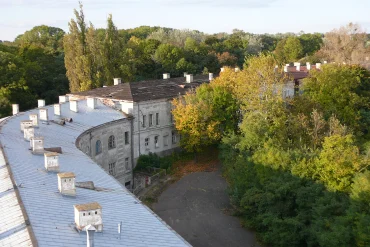

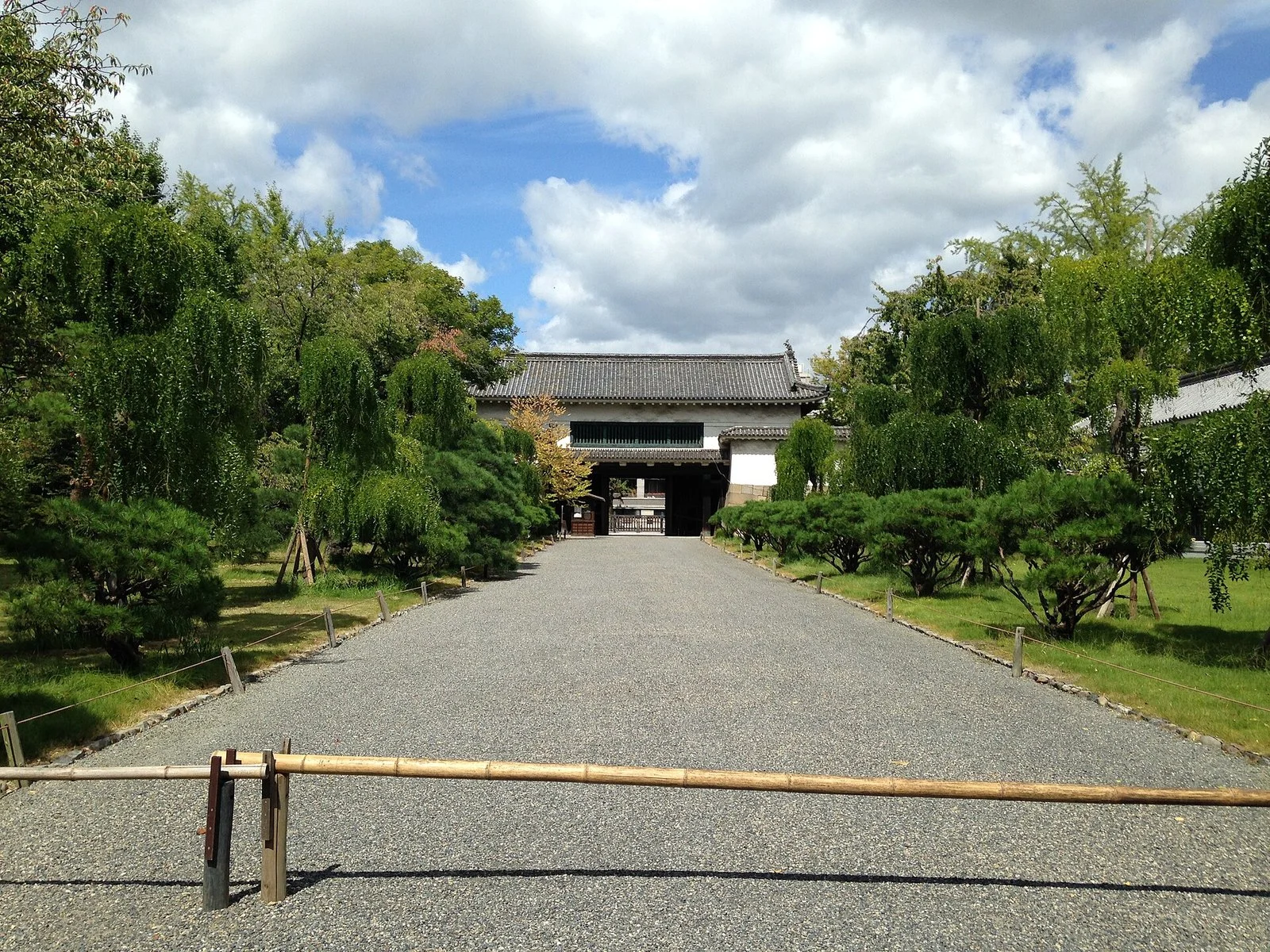

- 🏯 Facing Nijo Castle · on the former residence of the Kyoto Shoshidai, the city’s shogunal governor
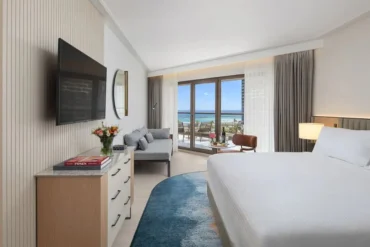
- 🔑 77 rooms and suites · designed to frame views of the Kita Ote-mon, the castle’s great northern gate
- 🗓️ First guests in late 2026 · gradual opening of facilities, full unveiling in early 2027
- ✨ Second address for Shangri-La Signatures · the ultra-luxury collection launched by the group above its main brand
The announcement dropped from Hong Kong on September 10th, and the initial reaction might be to think, “just another Shangri-La in Kyoto”. That would be missing the point entirely. The hotel will not bear the Shangri-La name: it will be called Songtei Kyoto, and it is the second address in a collection that the group has created above its main brand.
Contents
Shangri-La Signatures, a brand built above Shangri-La
The Hong Kong-based group describes Shangri-La Signatures as an ultra-luxury collection of “rare sanctuaries”, each defined by the depth of its location and history, run as private residences rather than hotels. The logic is that of a higher-tier brand, operating alongside a main banner that remains positioned in classic luxury.
This is not a gamble in the dark. The collection’s first address, The Silk Lakehouse in Hangzhou, was named among TIME magazine’s World’s Greatest Places 2026 within a year and recognized by the Prix Versailles as one of the world’s most beautiful hotels. Opened on the shores of West Lake, another UNESCO-listed site, it proved the formula before Kyoto applies it.
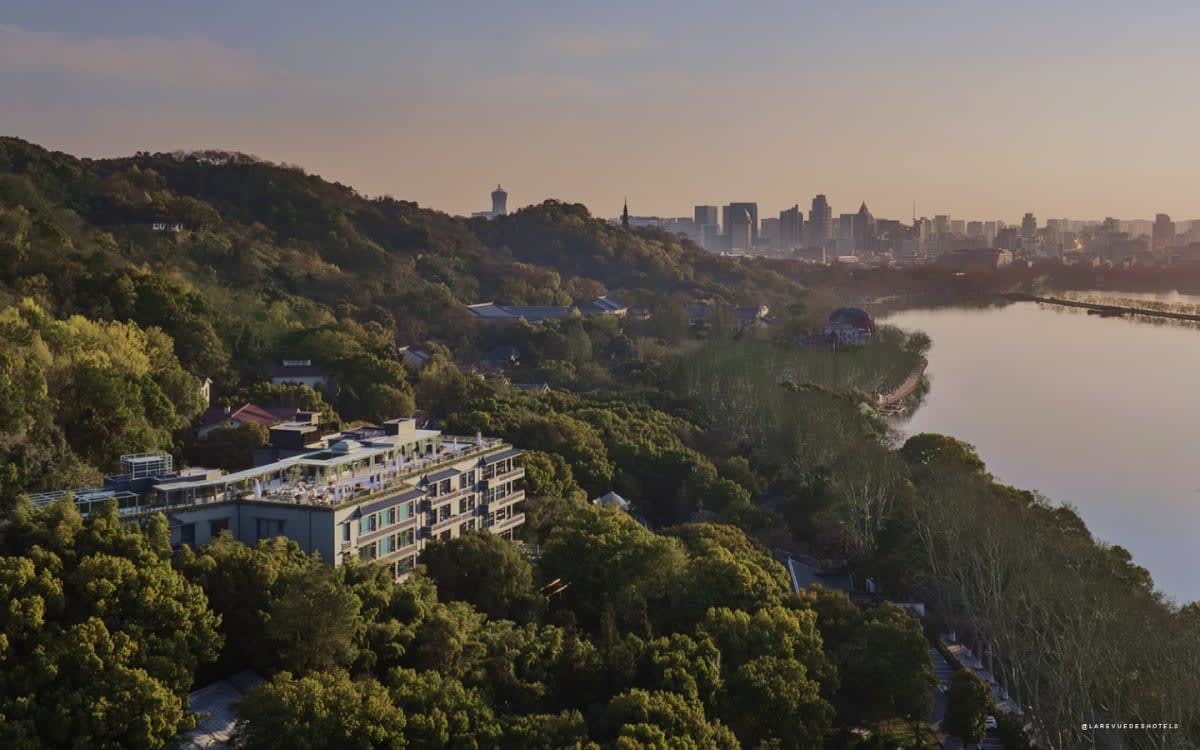
77 keys on the shogun governor’s estate
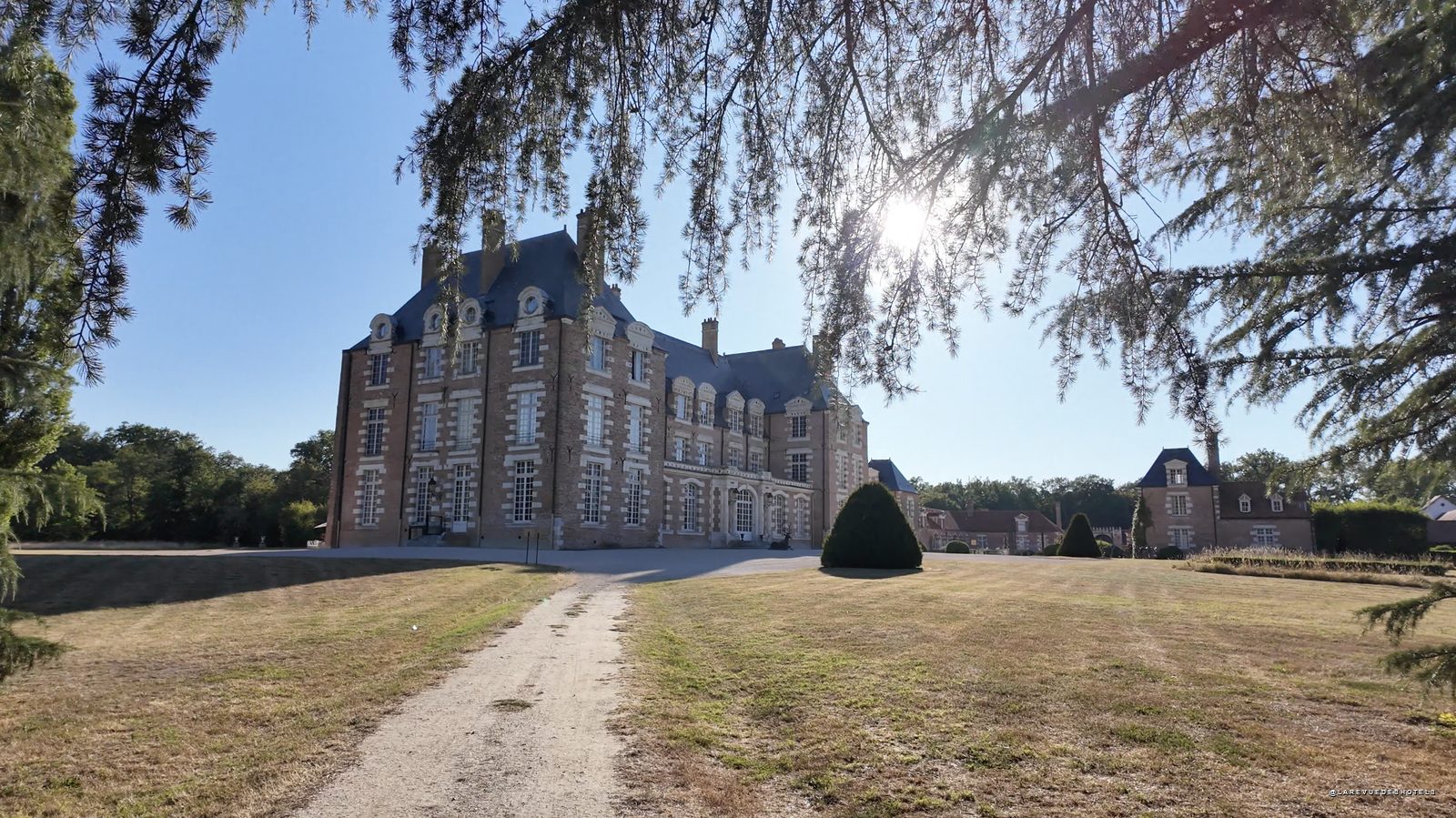
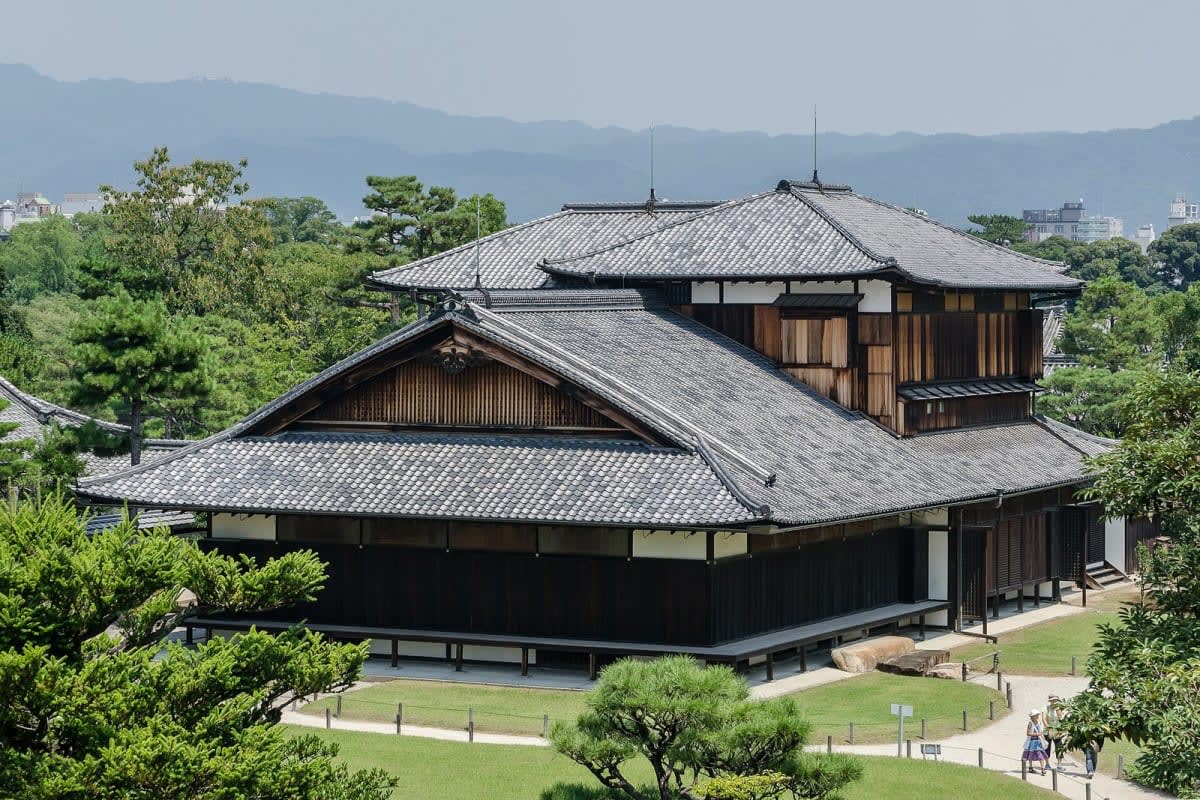
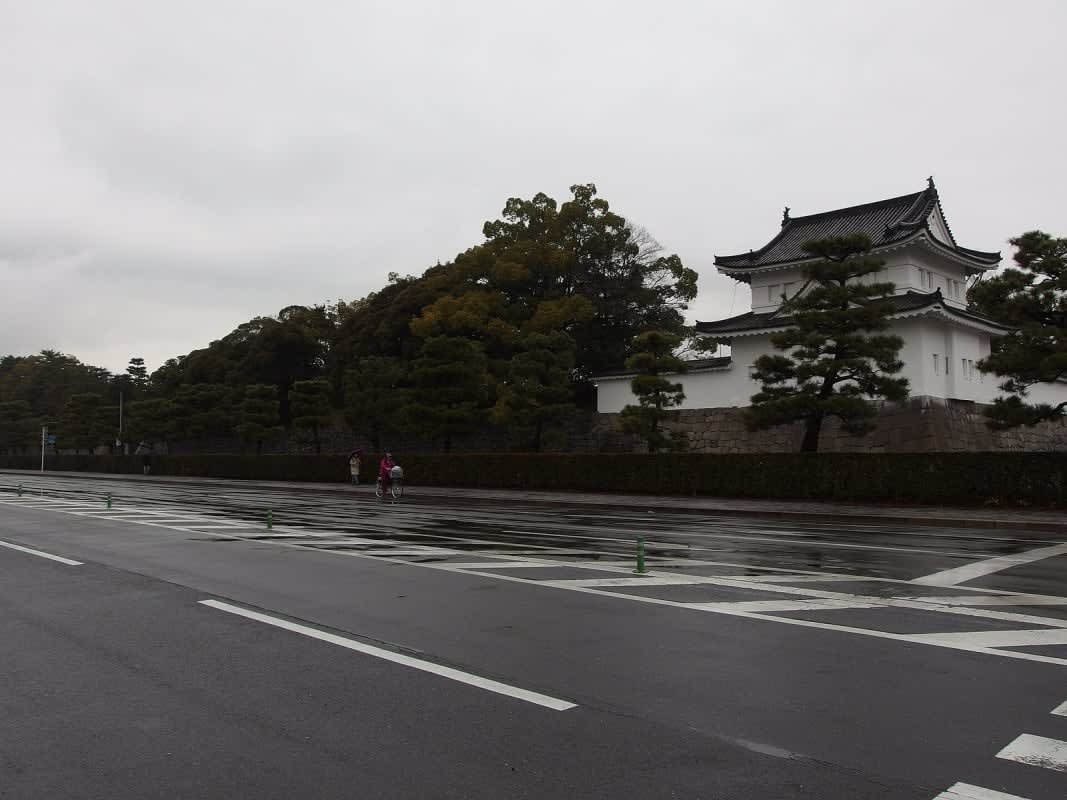
This is no ordinary plot of land. Songtei Kyoto is taking shape on the former residence of the Kyoto Shoshidai, the shogunate’s representative in the imperial city, the man tasked with keeping watch over the court on behalf of Edo. Nijo Castle, right across the street, was the shogunal residence itself. In other words, the hotel is settling on the site of the oversight power, facing the seat of power itself.
The property will feature 77 rooms and suites, designed to frame views of the Kita Ote-mon, the castle’s great northern gate, its gardens, and the surrounding landscape. The group promises a contemporary reinterpretation of Edo-period noble residences: understated grandeur and ceremonial elegance over ostentation.
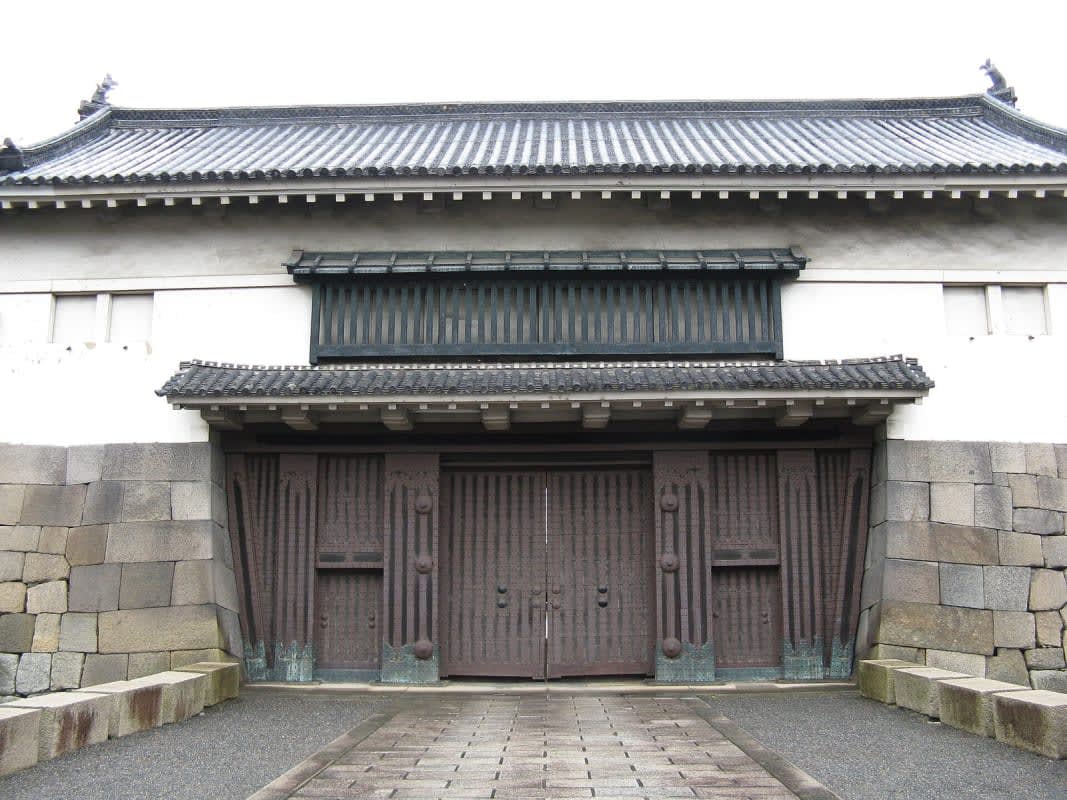
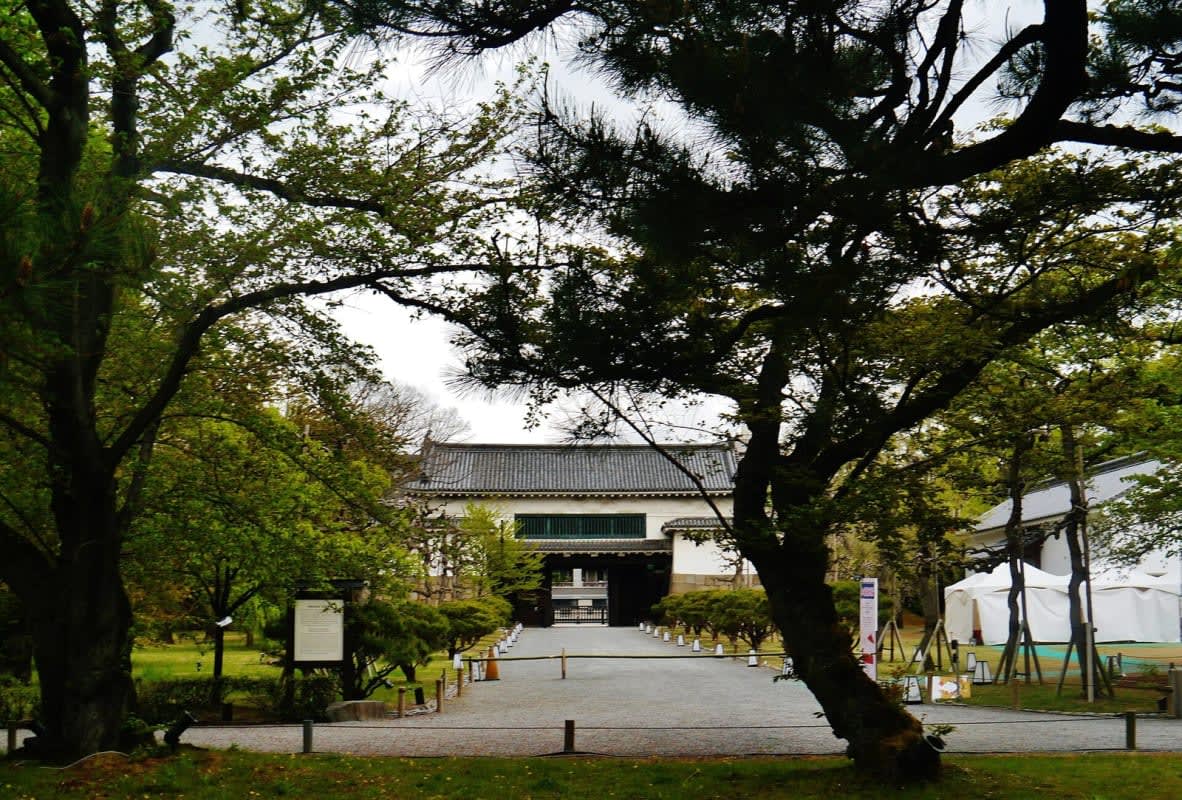
The pine and the residence: what the name means
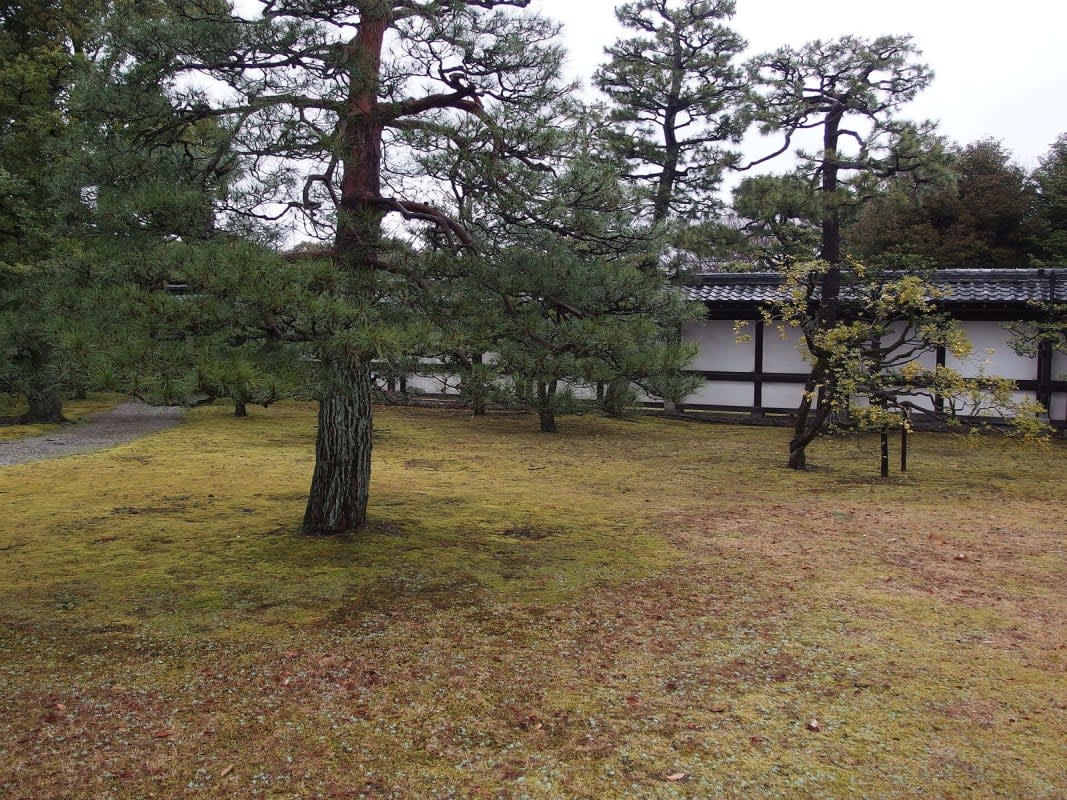
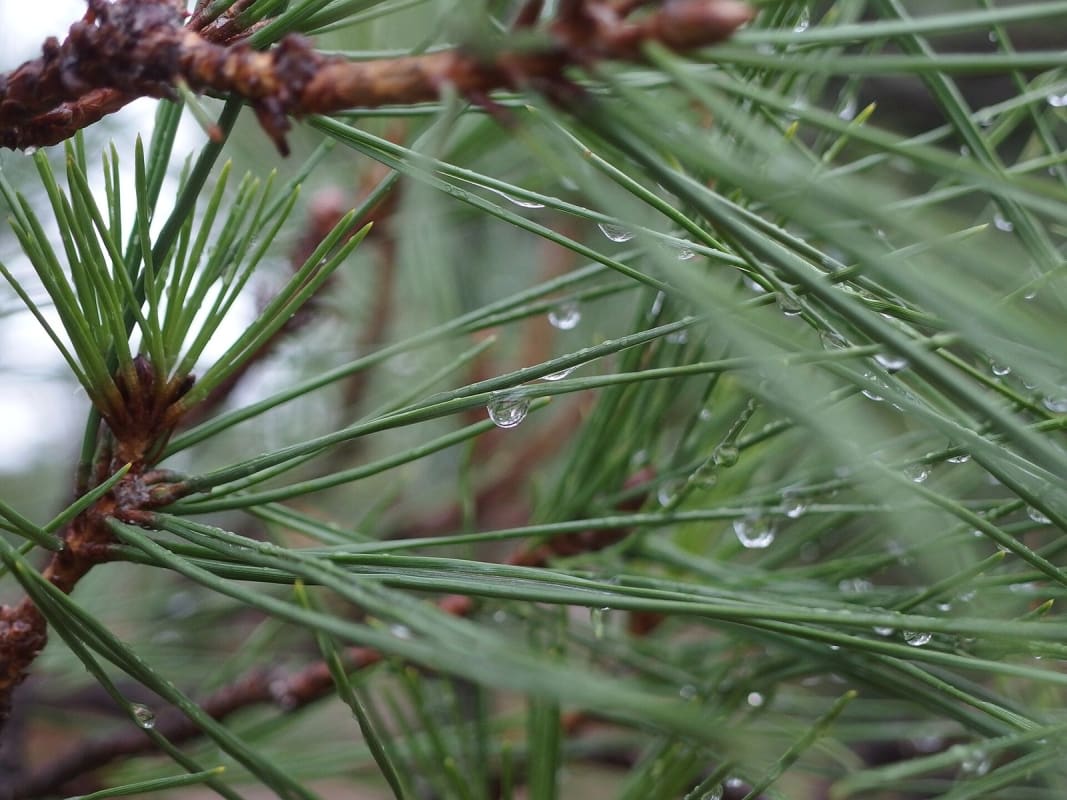
Songtei is written with two characters. Song, 松, is the pine, a symbol of longevity and good fortune in both the Chinese and Japanese worlds. Tei, 邸, denotes a residence, with the connotation of being invited rather than simply accommodated. The group sees this as the meeting point between its origins and the spirit of Kyoto.
This detail is worth more than a clever marketing story: it sets the tone. A Japanese name readable to a Chinese reader, on a shogunal site, for a 77-key house. Nothing here is aimed at the passing Western traveler.
What has been announced, and what hasn’t
The program has two main components. On the wellness front, a private spa, indoor and outdoor hot spring baths, an indoor pool, and a fitness center. Dining-wise, an all-day dining lounge, a fine-dining Chinese restaurant, a kappo-sushi counter, and an evening bar. The group emphasizes a culinary offering that spans across Asia rather than focusing exclusively on Japanese cuisine, which aligns with its Sino-Japanese name and regional clientele.
What hasn’t been announced matters just as much: no architect, no interior designer, no room categories, and no pricing. The group is holding back these details for the coming months. We won’t be making them up.
A phased opening, and what to read into it
The announced timeline is unusual and deserves to be read for what it is. The first guests arrive in late 2026, facilities open in stages thereafter, and the property is not fully unveiled until early 2027. Phased openings are not a construction mishap, they are a method: allowing service standards to be perfected on a small number of rooms before exposing the whole property.
For a 77-key property positioned as a private residence, this is arguably the only sensible way to proceed. The risk lies elsewhere: a half-open hotel rarely charges half-price, and early guests often pay full rate for an incomplete address.
Our perspective
Kyoto has become one of the most fiercely contested arenas in global luxury hospitality, and another new address no longer makes news in itself. What sets this one apart is its scale and its site. 77 keys, in a city where major groups are opening properties with 130 to 180 rooms, is a choice of rarity over volume, and the site dictates this: you cannot build on a grand scale over the former Shoshidai residence.
One signal not to be overlooked: the opening general manager recruited, Christopher Clark, arrives from JW Marriott Hotel Tokyo after sixteen openings across Asia and the Americas. Profiles like this are not assigned to secondary addresses. That leaves the only question that truly matters, and it won’t be settled by a press release: whether this house will manage to be a true residence, as its name promises, rather than just another hotel with a nice view. We will go and see for ourselves, just as we visited OMO5 Kyoto Gion and Park Hotel Tokyo.
Reservations are not yet open.