
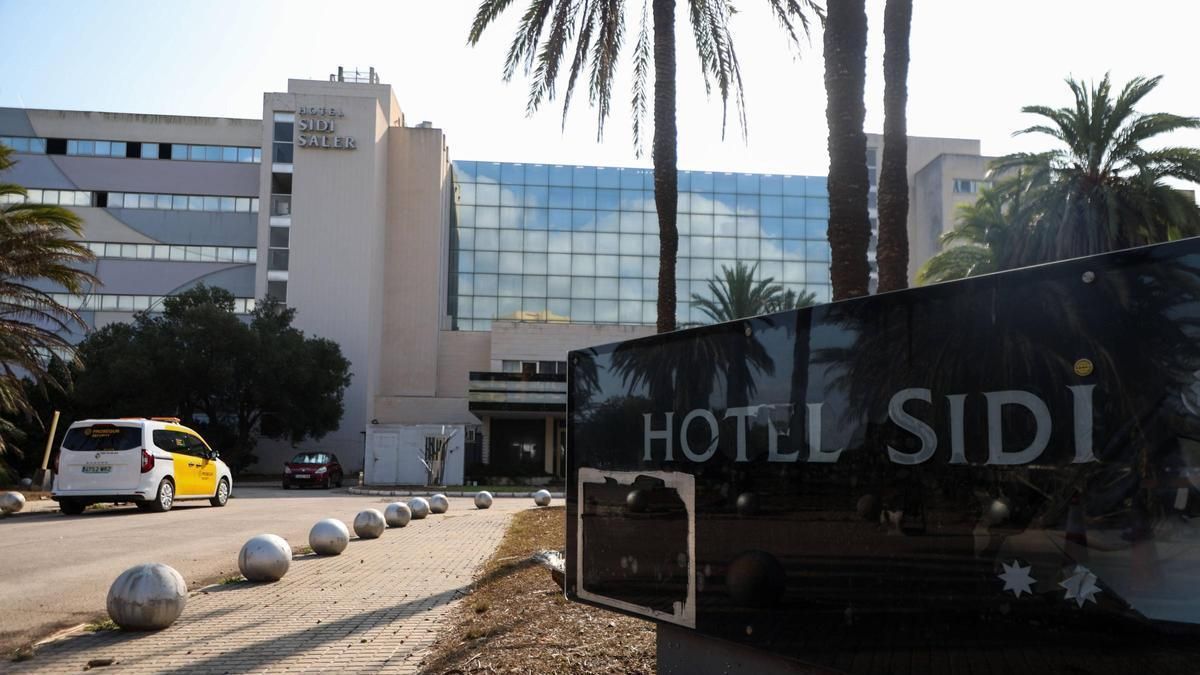

- What · Sidi Saler, Valencia’s first five-star hotel, closed since 2011, has just been acquired to reopen as a luxury hotel.
- Where · in El Saler, in the Albufera Natural Park, about fifteen kilometres south of Valencia.
- The approach · so-called regenerative architecture: preserved framework, unchanged volume, low-carbon construction site.
- The unique feature · a care and research centre for marine wildlife integrated into the hotel.
- The sticking point · the regional environmental impact assessment, which is yet to be obtained.
It is one of the most talked-about brownfield hotel sites in Spain. Built in the 1970s in the heart of the Albufera Natural Park, Sidi Saler was Valencia’s first five-star hotel before closing its doors in 2011 and falling into disrepair for fifteen years, just metres from the beach. A Valencian real estate company has just acquired it from funds Divarian and Coral Homes, with a project that is truly out of the ordinary.
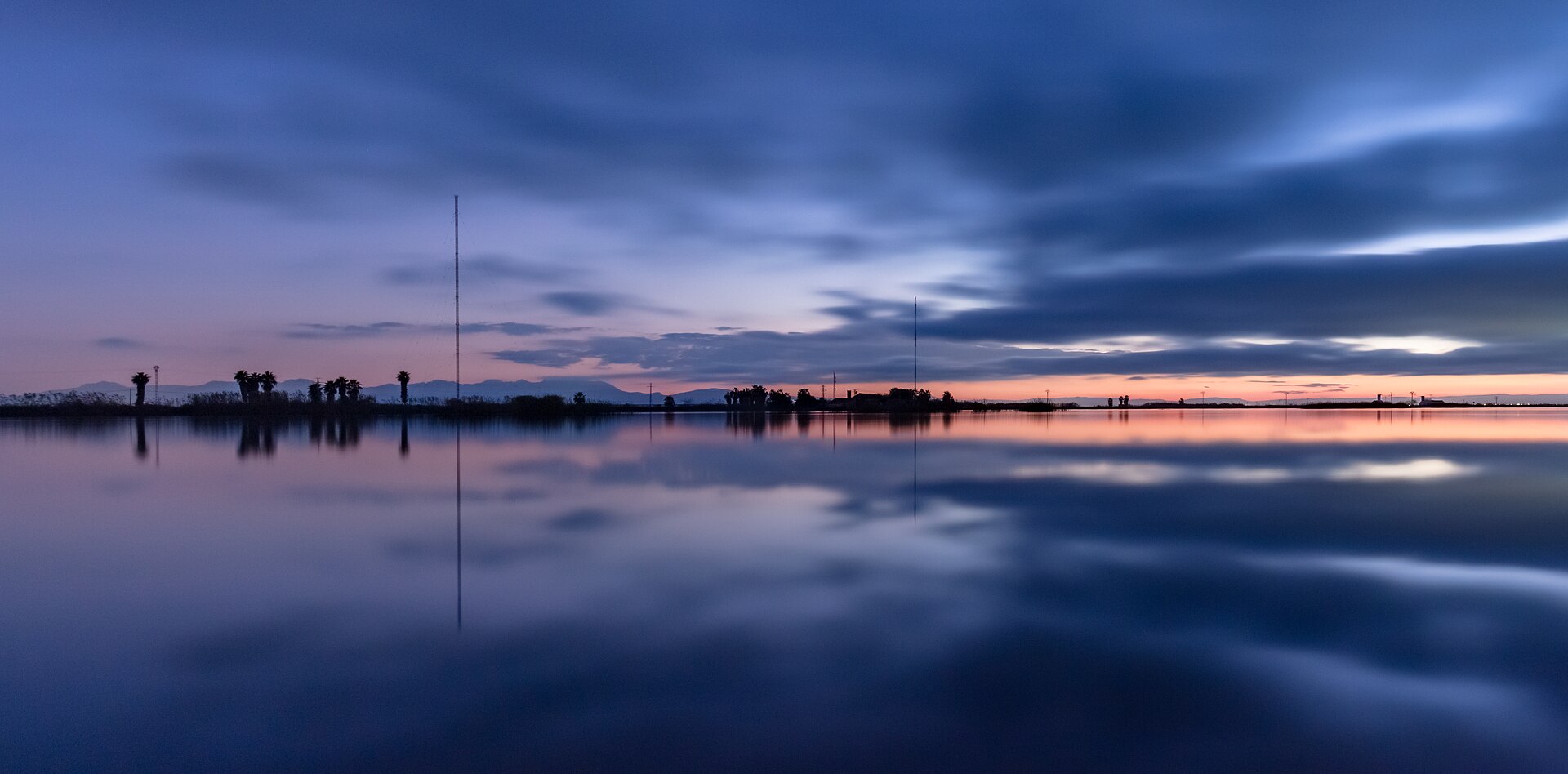
1. Fifteen years of dereliction in the heart of a natural park
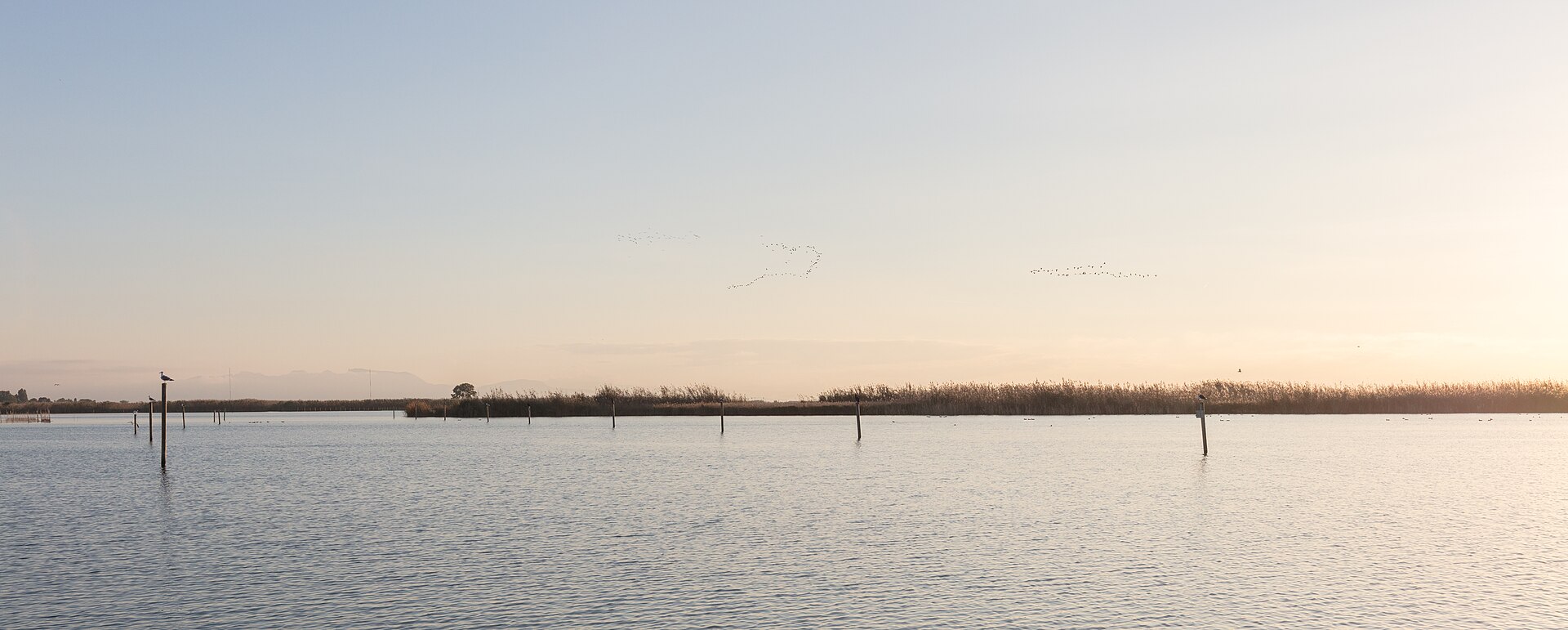
Sidi Saler occupies a position that no developer could secure today: right on the doorstep of Devesa del Saler, the wooded dune ridge separating the Mediterranean from the Albufera lagoon. This is precisely what stalled the project for a decade. The building is non-compliant with current urban planning regulations, which drastically limits what can be done there, and its concession permits hotel use only.
The result: neither demolition, nor conversion into housing, nor indefinite abandonment. Several projects have failed since 2019 due to political opposition and legal uncertainties, while the building was looted and vandalised with graffiti. The acquisition brings an end to this stalemate.
2. Regenerative architecture in practice
The term regenerative architecture appears everywhere in hotel communications; here, it encompasses verifiable decisions. The existing concrete framework is preserved rather than demolished, avoiding the heaviest carbon footprint associated with new construction. The building’s footprint and dimensions remain unchanged, a constraint imposed by Spanish coastal regulations as much as an explicit choice.
Work is therefore focused on the building envelope: thermal performance of the facades, and above all, low-intensity amber lighting directed towards the ground to avoid disturbing the park’s nocturnal wildlife. This last point is not cosmetic: light pollution has historically been one of naturalists’ main grievances against the hotel’s location in Devesa.
3. A marine wildlife care centre within a hotel
This is the most unusual aspect of the plans. The future Sidi Saler plans to house a care and research centre dedicated to marine biodiversity, designed to rescue animals in distress along the Valencian coastline. Scientific partnerships are being discussed with Oceanogràfic in Valencia and the University of Valencia.
For guests, access will be provided via educational pathways set up in the outbuildings. The intention is clear: to turn the main objection to the project·its location within a protected natural area·into a selling point. The initiative will only be as good as the resources actually committed, which have not yet been detailed.
4. What remains to be secured before work begins
The start of construction work remains subject to the environmental impact assessment issued by regional authorities. The municipality of Valencia supports a low-carbon renovation offering a solution for the brownfield site, but part of the local political spectrum continues to call for outright demolition and the rewilding of Devesa.

No opening date has been announced, and no room count has been confirmed at this stage. On a matter of such sensitivity, caution is advised: today’s key news is that a solvent owner has taken over the building with a project compatible with its concession.
5. An underlying trend in Valencia
Sidi Saler is not an isolated case. The city is seeing a surge in hotel renovation projects on abandoned buildings, such as this ruined building transformed into a boutique hotel in the city centre. The Spanish coast as a whole is following the same trend, from the opening of the ZEST resort in Ibiza to acquisitions of Barcelona establishments: new land is becoming scarce, and value is shifting towards restoring existing properties.
- 📍 Location · El Saler, Albufera Natural Park, Valencia, Spain
- 🏨 History · opened in the 1970s, Valencia’s first five-star hotel, closed in 2011
- 🌿 Approach · regenerative renovation, framework and footprint preserved
- 🐢 Key feature · care and research centre for marine wildlife
- ⏳ Current stage · regional environmental impact assessment