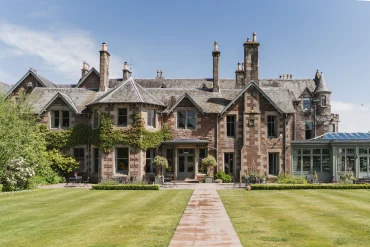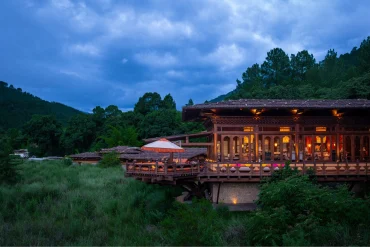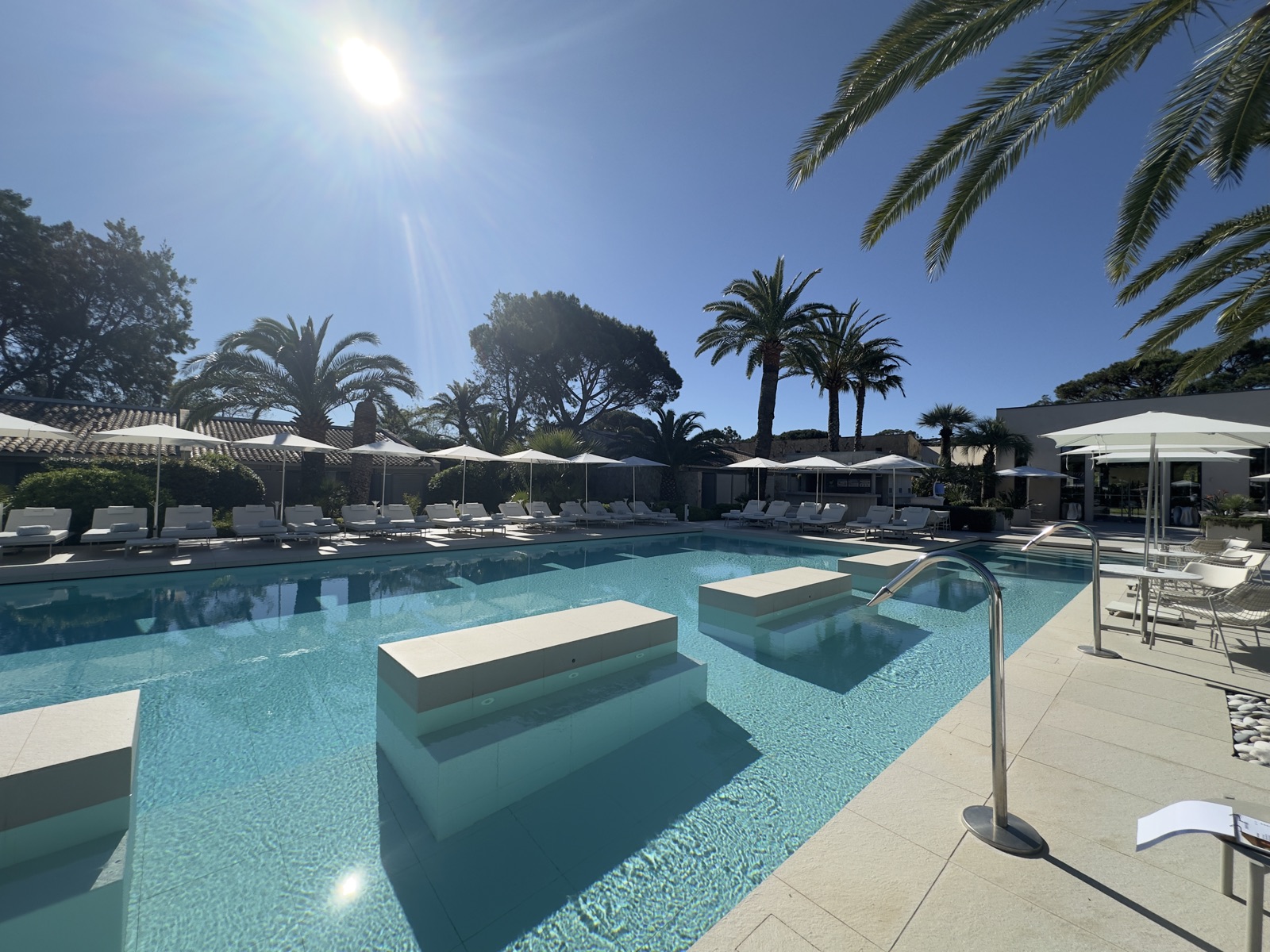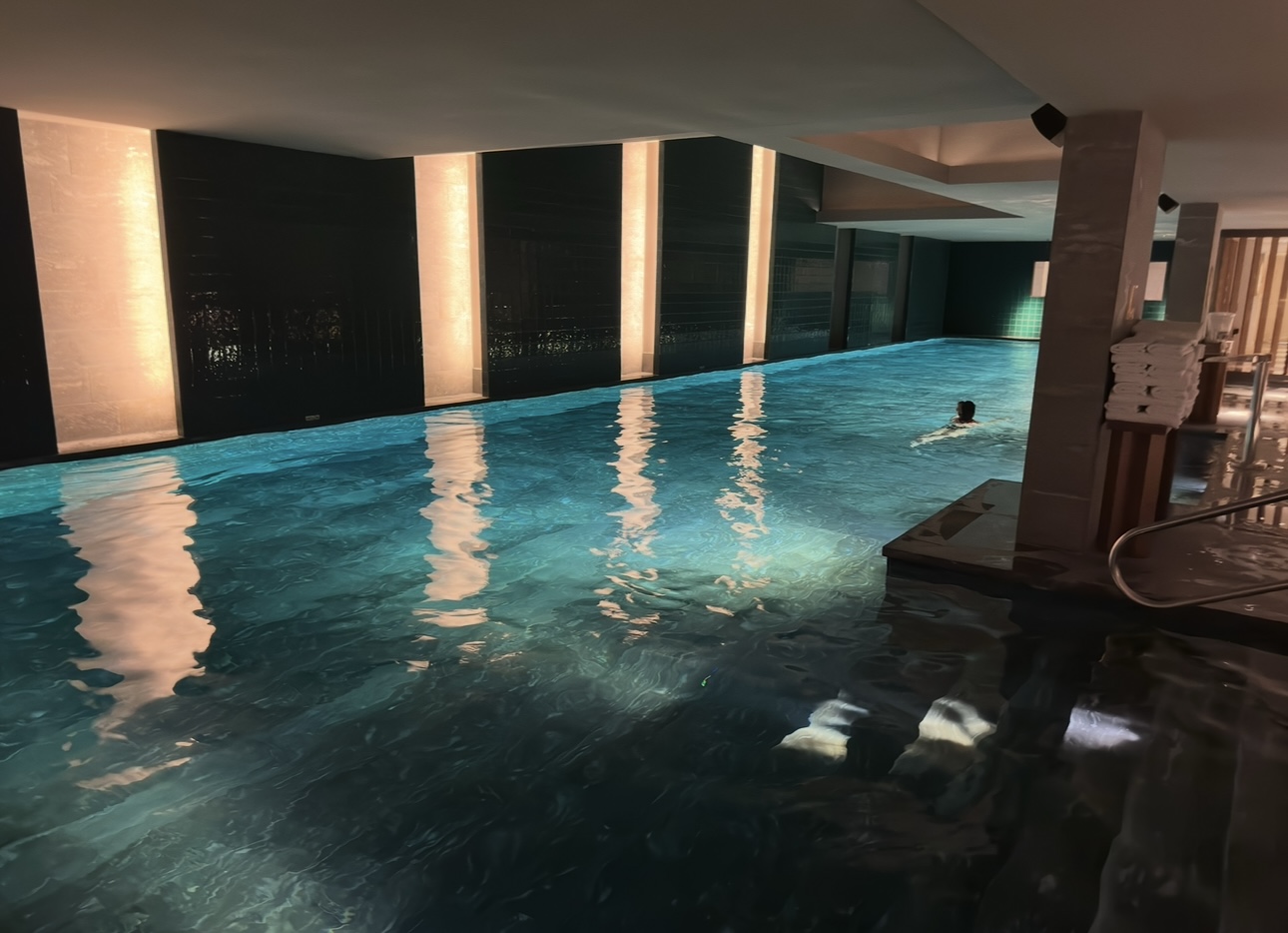


- Major hotel brands fall into distinct tiers, from absolute ultra-luxury (Aman, Four Seasons) to midscale.
- At the summit, a handful of ultra-luxury names embody exclusivity and exceptional service.
- Behind these brands, a few giants dominate the market: Marriott, Hilton, Hyatt, IHG, Accor, and LVMH.
- The higher one climbs up the pyramid, the less one pays for the room and the more one pays for emotion, recognition, and status.
In hospitality, not all stars are created equal. Behind the overwhelming array of brands lies a precise hierarchy, a true brand pyramid spanning from standardised comfort to the rarest luxury. Understanding this pyramid means decoding what you are truly purchasing when booking a night: less and less a bed, and increasingly an experience and a touch of magic.
La Revue des Hôtels · benchmark
The hotel brand pyramid
Indicative benchmark compiled by La Revue des Hôtels · brand positioning may vary by market.
The summit: ultra-luxury, when the brand becomes a promise
At the very top sit brands with only a few dozen properties to their name. Aman, Four Seasons, Mandarin Oriental, Ritz-Carlton, Bvlgari, or Cheval Blanc no longer sell a room, but a bespoke experience, a near-invisible service, and a sense of exclusivity. At this level, rarity defines value: few rooms, exceptionally high staff-to-guest ratios, and often iconic locations. This is the realm of palaces and legendary resorts.
The luxury and upper upscale tiers
Just below, a wide array of prestigious brands combines excellence with broader global reach. St. Regis, Park Hyatt, Raffles, Waldorf Astoria, Peninsula, and Oberoi occupy the luxury tier, while The Luxury Collection, W, Conrad, Shangri-La, Fairmont, and Kempinski form a high-end upper upscale segment. Here, guests find exceptional service and destination properties, but with a denser global footprint than at the peak.
Accessible high-end: the upscale segment
This is the heart of the premium market. Sofitel, Sheraton, InterContinental, Hyatt, Hilton, Le Méridien, and Pullman offer comprehensive amenities and reassuring reliability, without the rarity or the price tags of the summit. These brands often serve as the flagship public faces for major groups, ahead of the midscale and economy tiers (Mercure, Novotel, Holiday Inn, ibis) that form the broad foundation of the pyramid.
The corporate giants behind the brands
The most surprising aspect unfolds behind the scenes: most of these names belong to a handful of global groups. Marriott, Hilton, Hyatt, IHG, and Accor, joined by luxury titan LVMH, control the lion’s share of the hierarchy. Marriott oversees Ritz-Carlton, St. Regis, W, The Luxury Collection, JW Marriott, Sheraton, and Westin. Accor encompasses Raffles, Fairmont, Sofitel, Pullman, and, alongside LVMH, the legendary Orient Express. Hilton fields Waldorf Astoria and Conrad, Hyatt operates Park Hyatt and Grand Hyatt, while IHG commands Six Senses, Regent, and InterContinental. LVMH takes a jewellery-like approach with Cheval Blanc, Belmond, and Bvlgari Hotels. A few houses remain independent or privately held outside these groups, such as Aman, Four Seasons, Mandarin Oriental, Peninsula, and Rosewood.

What the pyramid reveals
Ultimately, this hierarchy reflects a fundamental shift. The higher one rises in the pyramid, the less the room price is about the bed itself, and the more it is about emotion, recognition, and belonging to a distinct world. The top of the pyramid sells identity, history, and status; the base delivers reliable service at a fair price. For travellers, understanding where a brand sits means knowing what they are truly buying, and why two ‘five-star’ properties can offer radically different experiences.
At the very top of the pyramid, Aman remains the benchmark for restraint and privacy: read our Amanvari review, the brand’s first resort in Mexico, at around €4,000 a night.