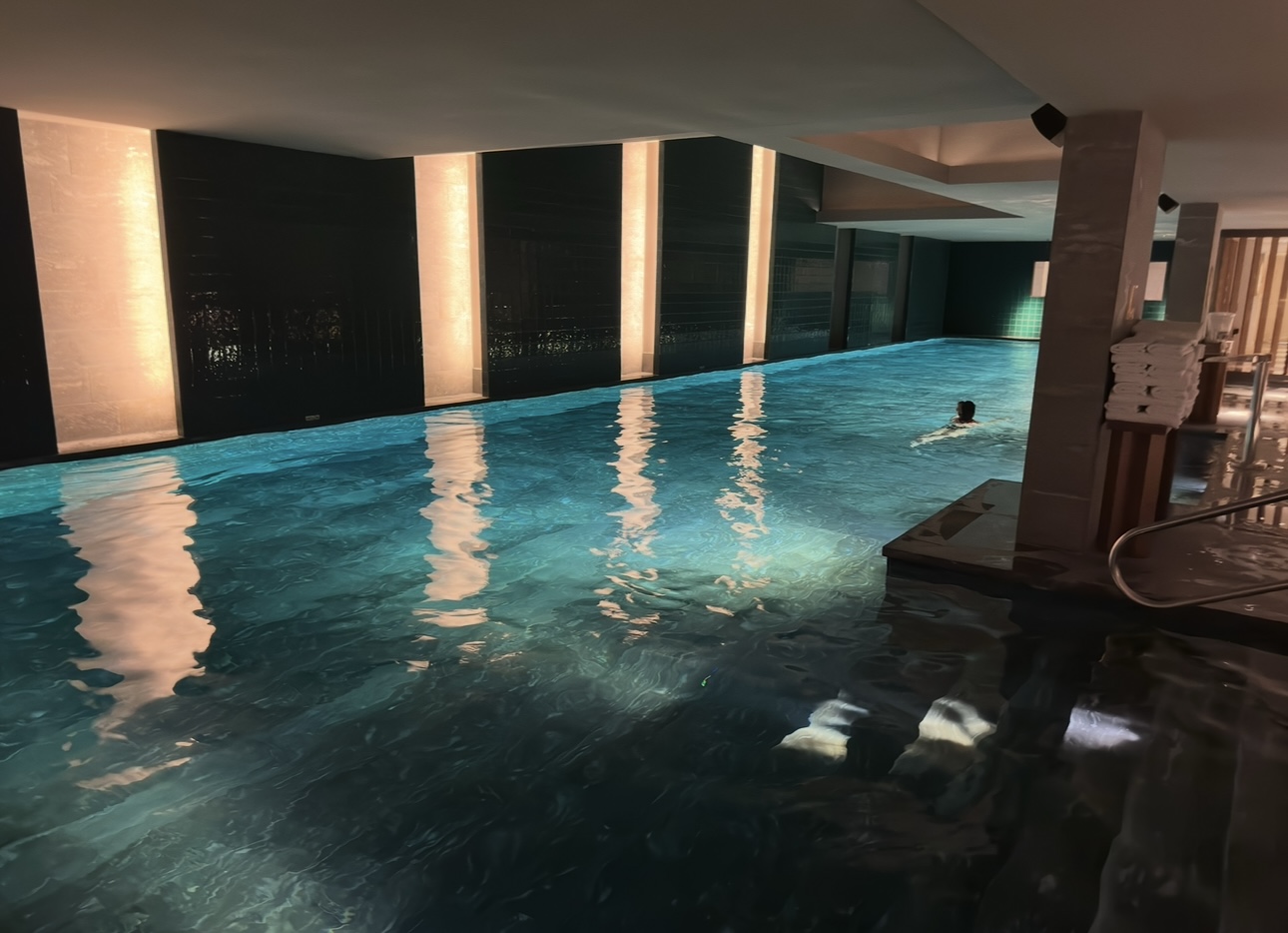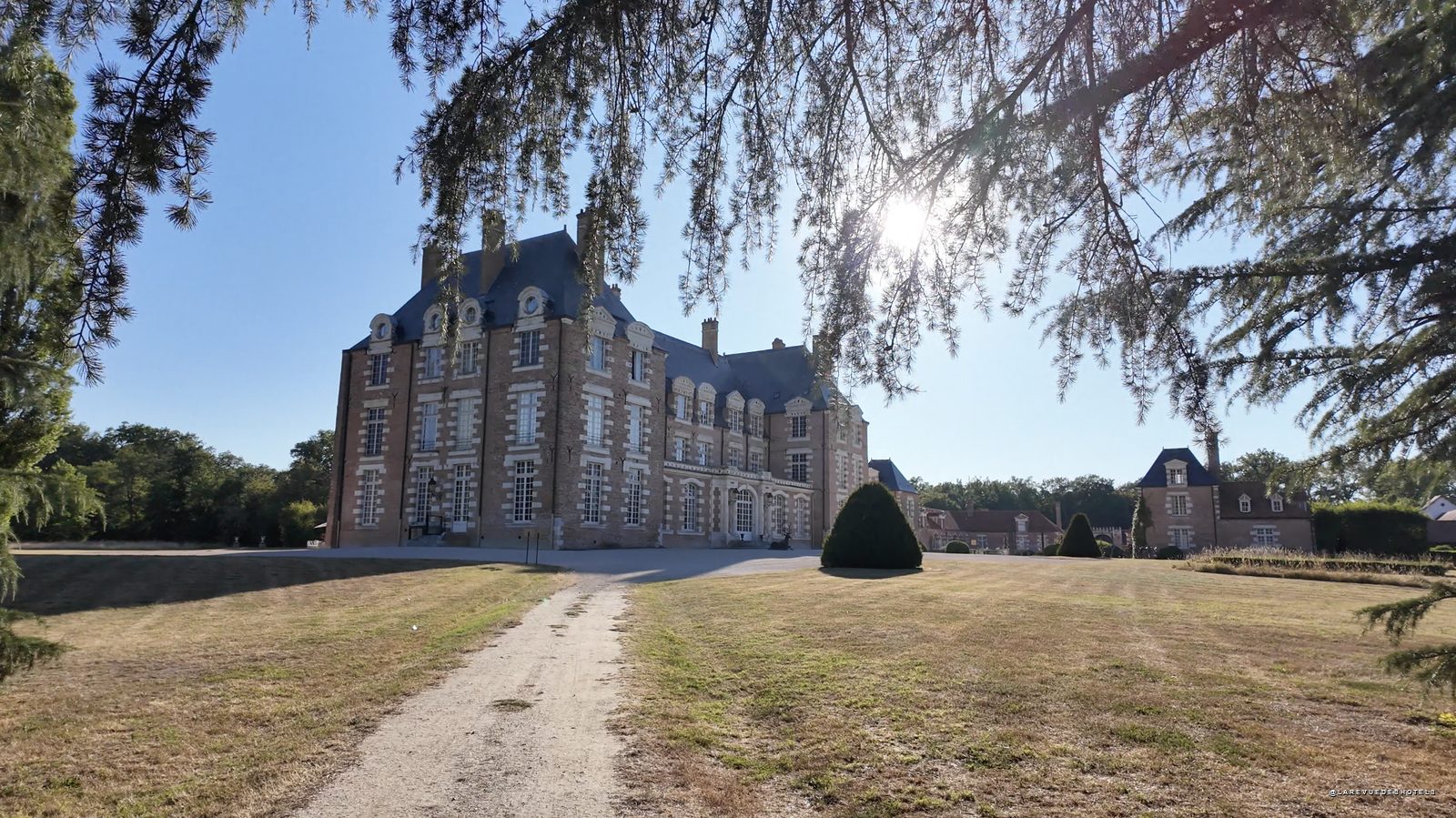

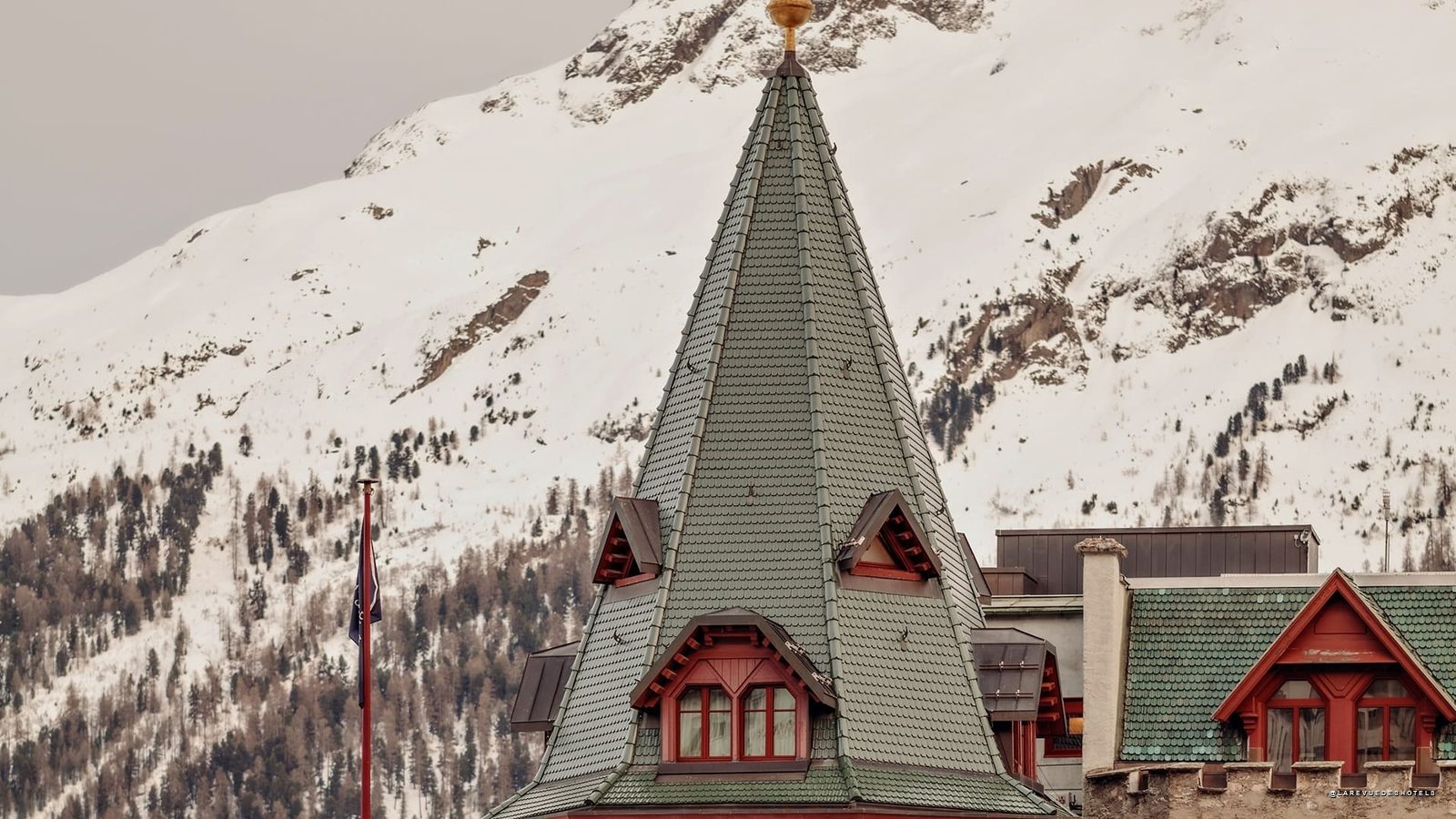
- The distinction · Badrutt’s Palace in St. Moritz wins the SeiBellissimi Art of Hospitality Award 2026, presented as part of the World’s 50 Best Hotels.
- Who votes · over 800 members of an international academy, each invited to nominate the property where they experienced their best service over a three-year period.
- The property · founded in 1896, still family-owned, 163 rooms and suites, around 700 staff in high season, 11 restaurants and 2 bars.
- What’s next · the complete ranking of the world’s 50 best hotels 2026 will be unveiled on 15 September 2026 in Paris.
Contents
An award that honors the teams, not the walls
The Engadin palace has just been named the best hospitality experience in the world. The Art of Hospitality Award, presented annually as part of the World’s 50 Best Hotels, judges neither architecture nor room comfort · it honors the property whose service has left the most lasting impression. The voting method speaks volumes about the nature of the award: the roughly 800 academy members do not rank hotels, they each cite the single establishment where they lived their best service experience over the past three years. In other words, it is not enough to be consistently good, you must have made a lasting mark on someone.
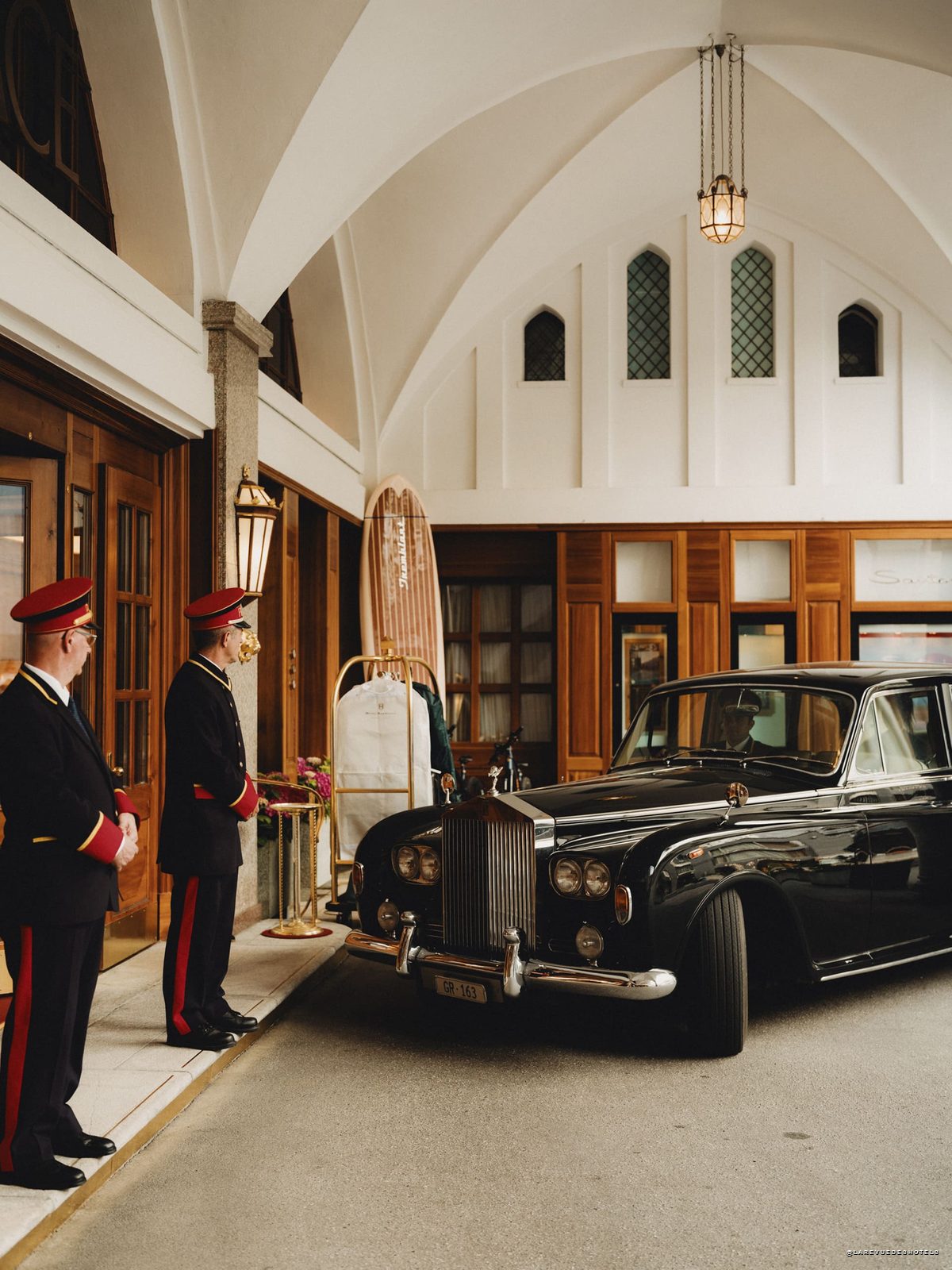
What the jury actually rewarded
Behind the formula lie very concrete practices, sometimes disarmingly simple. Regular guests’ rooms are photographed and then identically recreated from one stay to the next, right down to the placement of personal items. The chilli oil that a guest systematically requests eventually arrives at their table without them having to ask. Ski equipment is collected in the evening, dried, maintained and returned ready to use the next morning.
The property also takes pride in gestures that go well beyond the norm: a snowmobile chartered to allow a recovering guest to reach a high-altitude restaurant, or a private ski session organised on a Friday night for a guest observing Shabbat. It is these departures from protocol, more than the protocol itself, that the vote recognized.
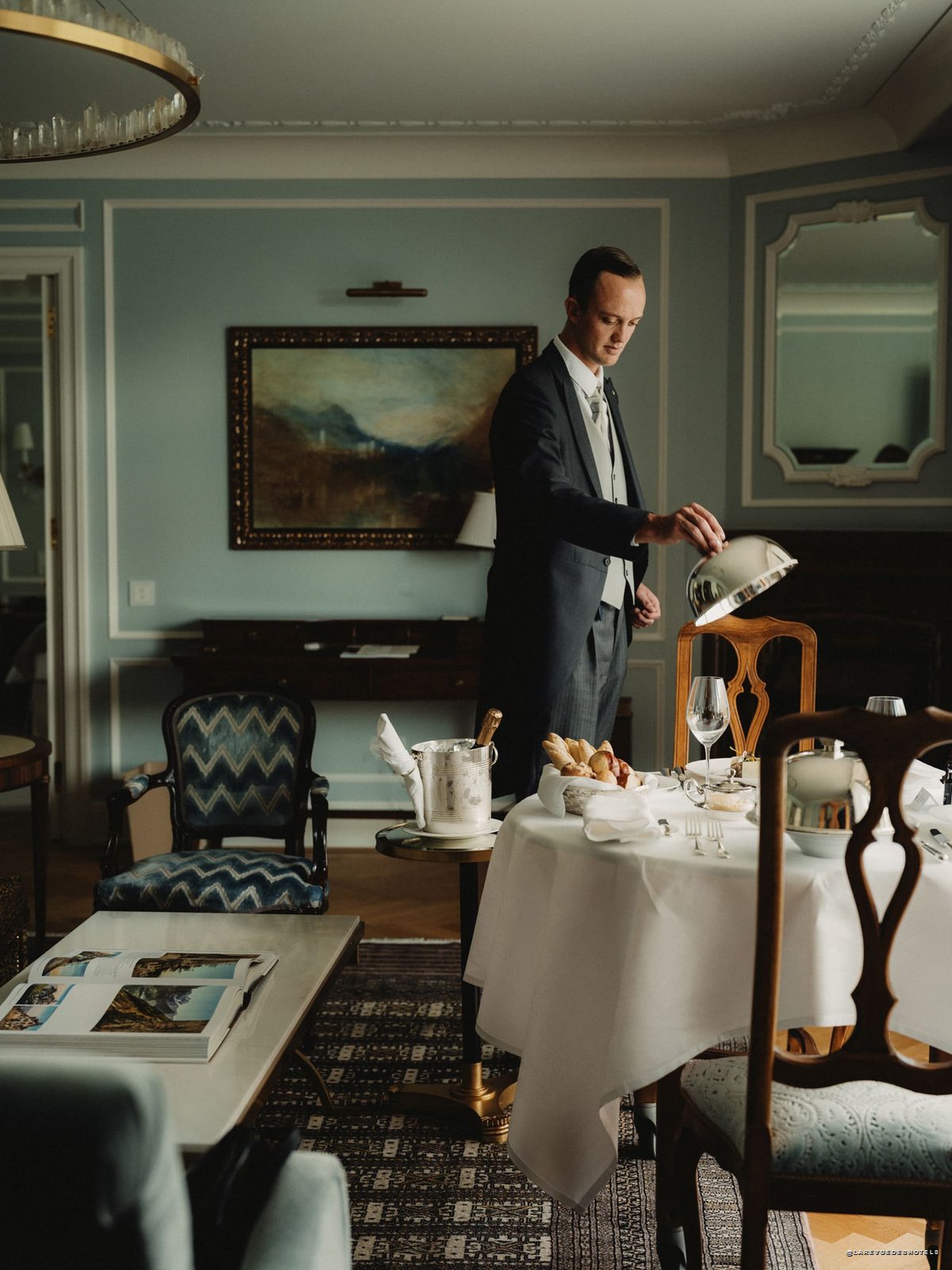
Staff loyalty as the ultimate asset
Such a high level of personalization cannot be improvised, and it does not rely on a method: it relies on people who stay. The average staff tenure reaches eight years, and several employees have been with the house for over twenty years · a rare duration in an industry where turnover is the primary enemy of guest memory. It is this continuity that makes it possible to recognize a regular, anticipate a request and satisfy it before it is even formulated.
The resulting figure is perhaps the most telling in the file: 60% of the palace’s guests are regulars. In St. Moritz, where international clientele is spoiled for choice, this proportion measures success better than an occupancy rate. Under the leadership of Richard Leuenberger, the property mobilizes nearly 700 professionals in winter to look after 163 rooms and suites, one of the highest ratios in global hospitality.
| Foundation | 1896, by Caspar Badrutt · still family-owned |
|---|---|
| Capacity | 163 rooms and suites |
| Teams | ≈ 700 staff in winter · average tenure of 8 years |
| Dining | 11 restaurants and 2 bars |
| Clientele | 60% regulars |
| Management | Richard Leuenberger |
A palace that continues to dig, literally
The institution has chosen not to rest on its history. In 2025, the property drilled a tunnel under the hill equipped with what is presented as the second-longest escalator in Switzerland, to connect the hotel to Chesa Veglia, its 17th-century farmhouse turned restaurant. The project had only one objective: to spare guests walking a few dozen meters in the cold. This is an expense difficult to justify on a spreadsheet, and perfectly consistent with what the award has just honored.
The rest of the property follows the same logic of attention to detail · executive pastry chef Stefan Gerber produces twenty-six homemade ice cream flavors, the kids’ club has been redesigned, and a dedicated teenager space, the Palace Arcade, now completes the family offering with its arcade cabinets and screening room.
En images
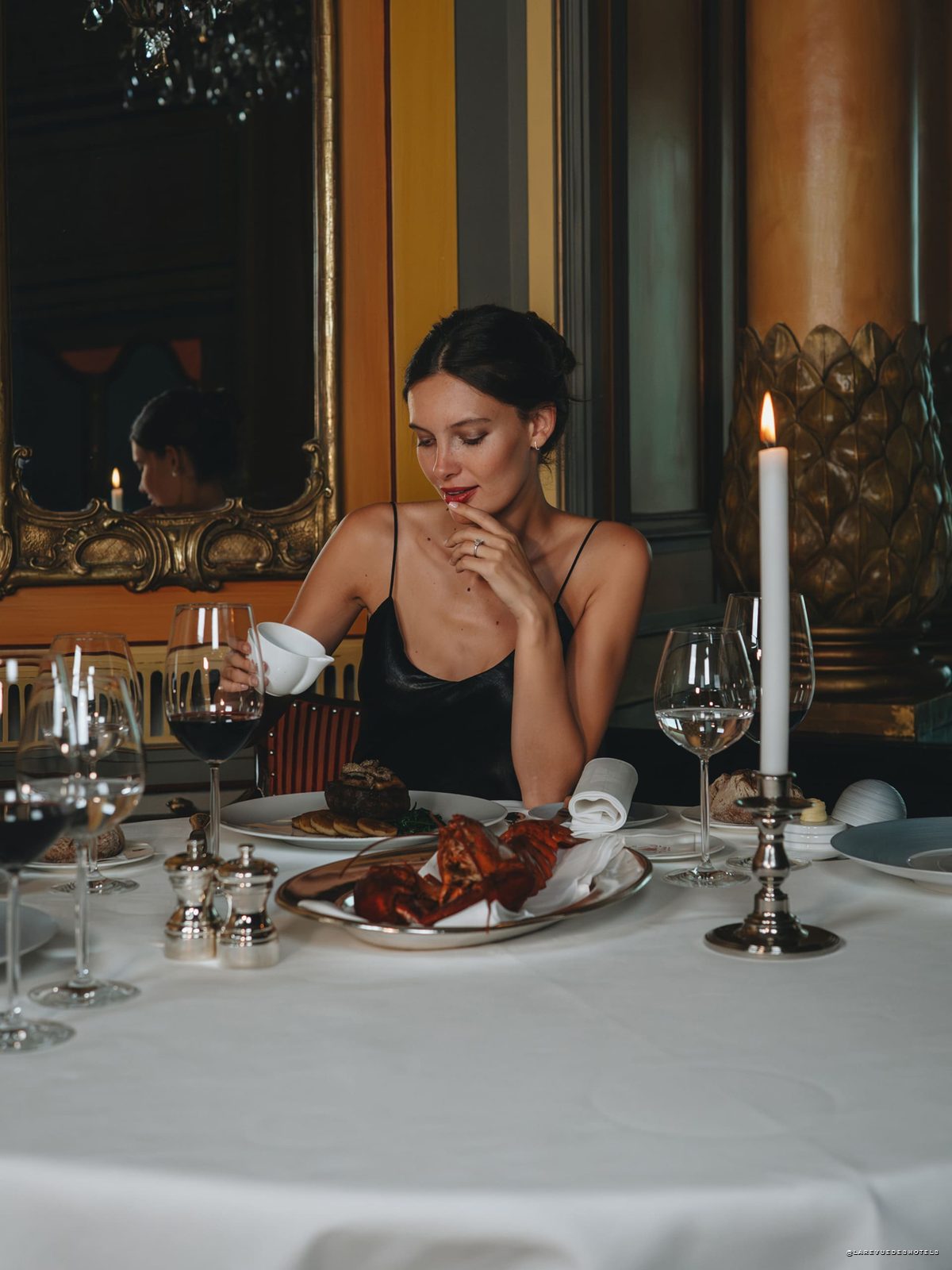
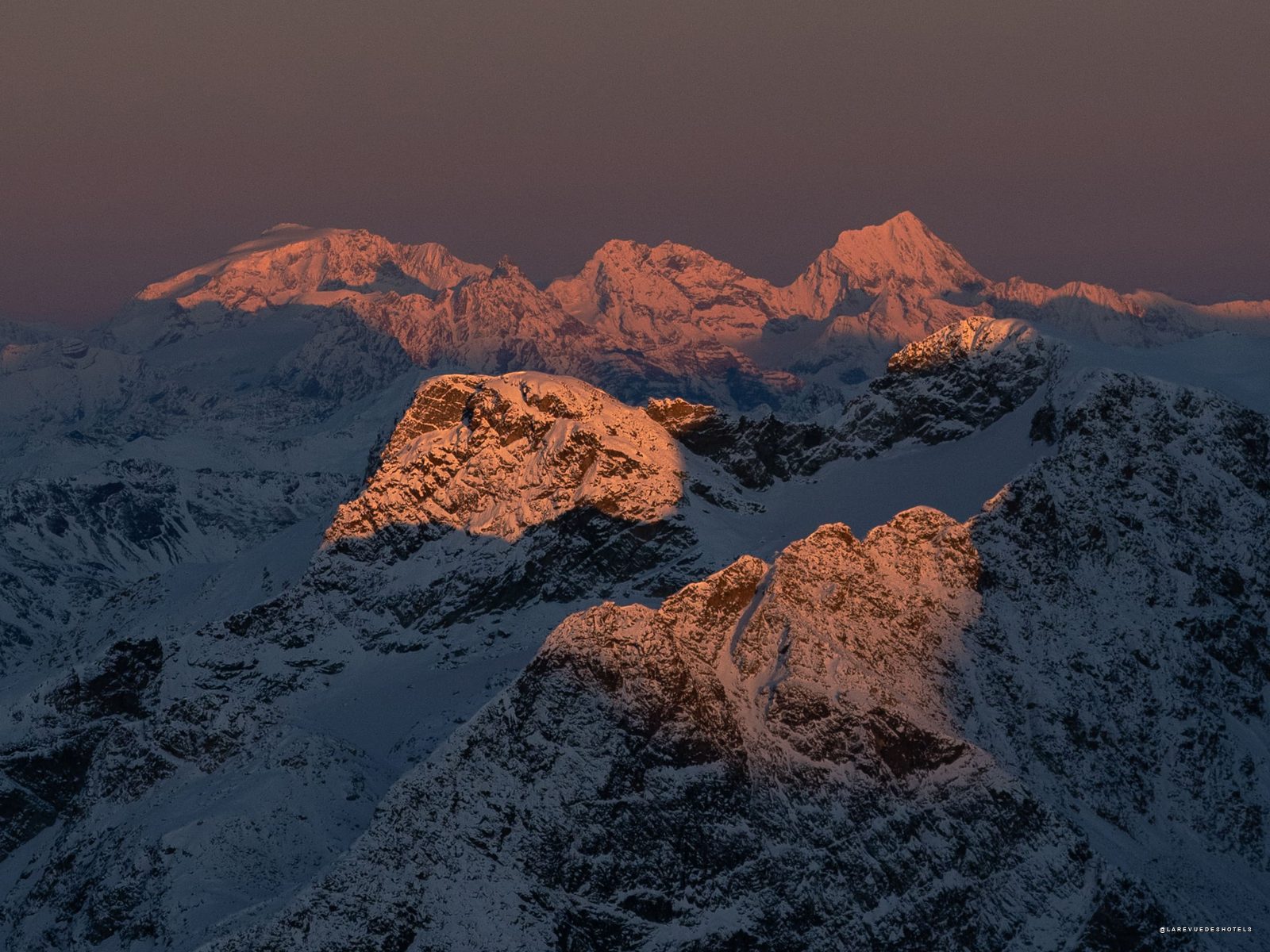
Faites glisser pour parcourir · cliquez pour agrandir
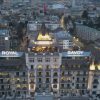
One hundred and thirty years of a history that invented a season
The award arrives in the year of the establishment’s 130th anniversary, opened in 1896 by Caspar Badrutt. The family had already changed the course of alpine tourism a generation earlier: it was Johannes Badrutt who, by betting with British guests that they would find the sun in St. Moritz in the dead of winter, gave birth to the very idea of a winter season in the Alps. The palace and its green tower above the lake have since become the backdrop for a certain alpine art of living, now extended by a clientele that returns year after year.
What this award signals for 15 September
The Art of Hospitality Award is traditionally unveiled ahead of the main ranking, of which it forms a precursor. The complete list of the World’s 50 Best Hotels 2026 will be revealed on 15 September 2026 in Paris, and we will then know if the Swiss property also features in the upper echelons of the general ranking, where it was absent from the top 50 in 2025.
For Switzerland, the signal is certainly favorable. While luxury hospitality invests massively in technology and guest journey automation, this award reminds us that a decisive part of perceived value is still produced by people who remember. It is a result difficult to copy, and impossible to buy.