

- Spain recorded €2.46 billion in hotel transactions in the first half of 2026, according to Colliers.
- Maspalomas and the south of Gran Canaria account for a decisive share of these transactions.
- The driving force is not international funds but Spanish family capital.
- The dominant strategy is the repositioning of existing assets towards the luxury segment, rather than new construction.
A half-year that shifts the market floor
The €2.46 billion traded in six months is not just significant as a record. It establishes the Spanish market at an annual floor level that now hovers around three billion, whereas it fluctuated between one and two billion before the pandemic. This is not a recovery; it is a change of scale. And it comes against a backdrop of higher borrowing costs, with a recent rate hike of around twenty-five basis points, making the performance all the more revealing of buyer appetite.



Why the south of Gran Canaria rather than elsewhere
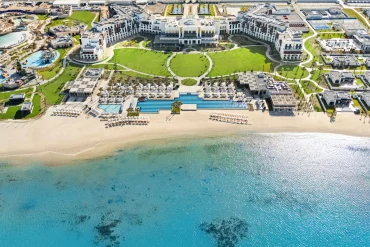
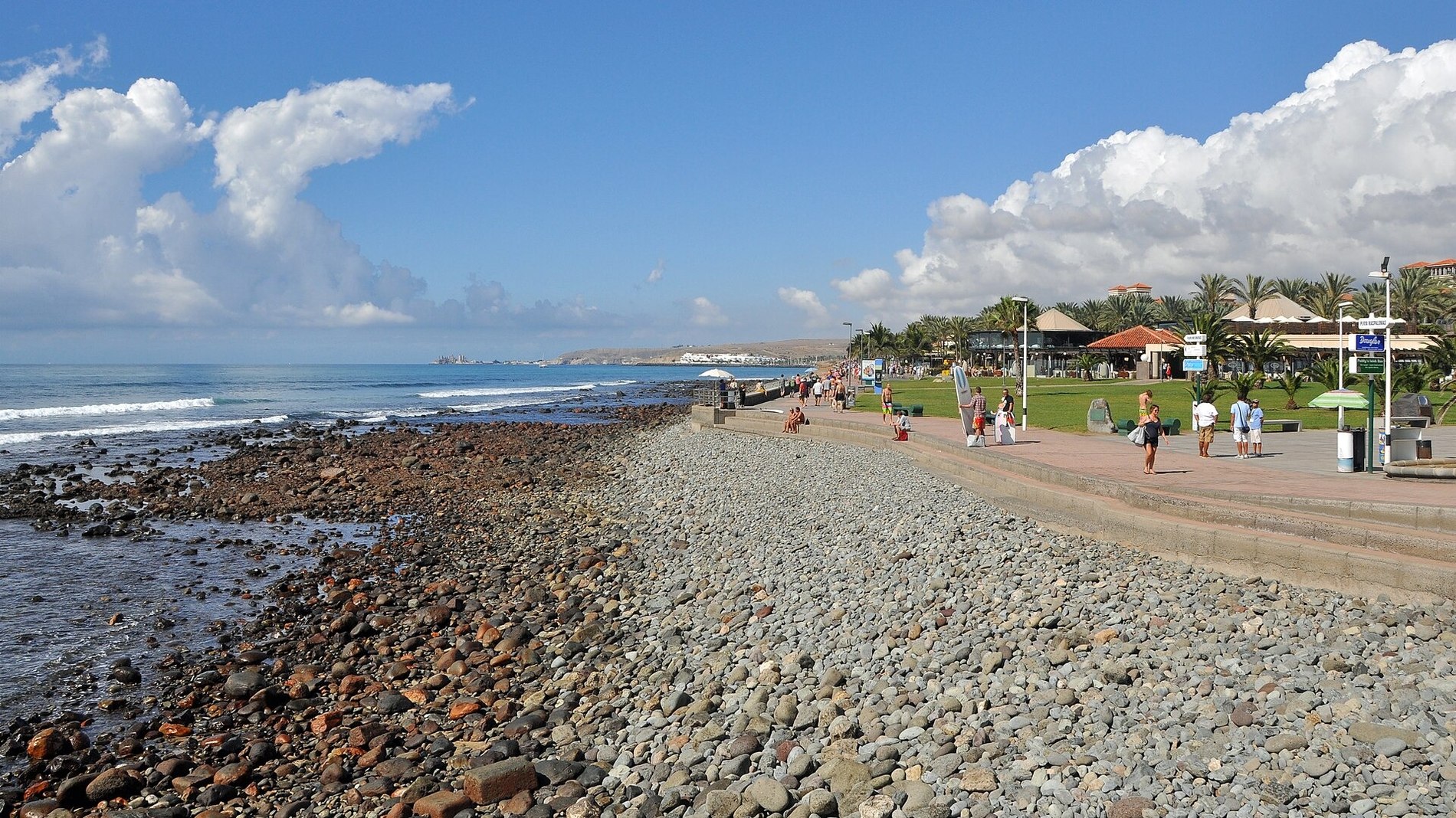
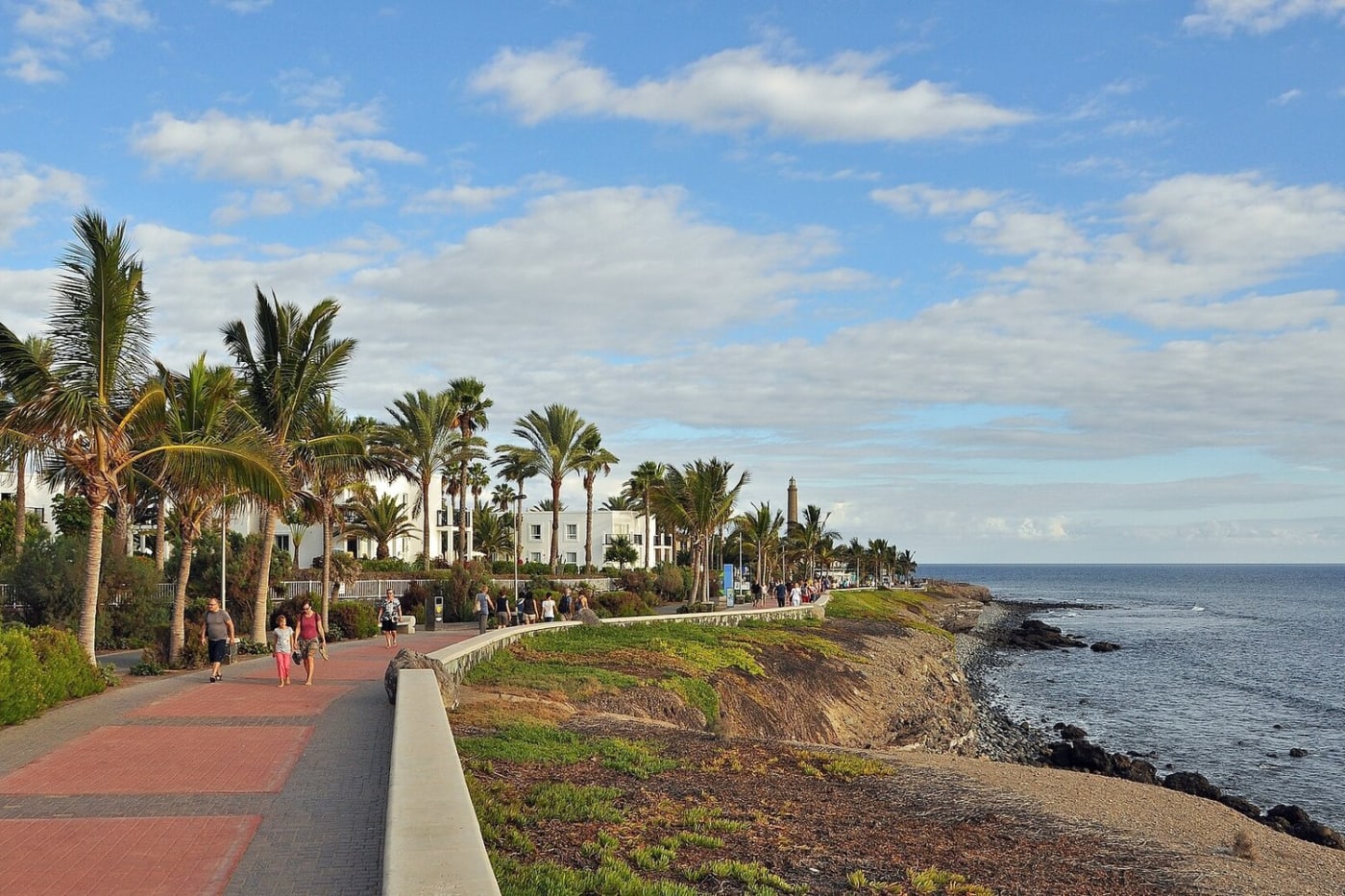
Maspalomas and its neighbour Meloneras combine three advantages that few European destinations offer. A year-round season with low temperature variation. An aging hotel stock built in the 1970s and 1980s, making it widely available for repositioning. And coastal land where new construction has become virtually impossible. This combination mechanically drives up the value of existing properties.
Renovating rather than building
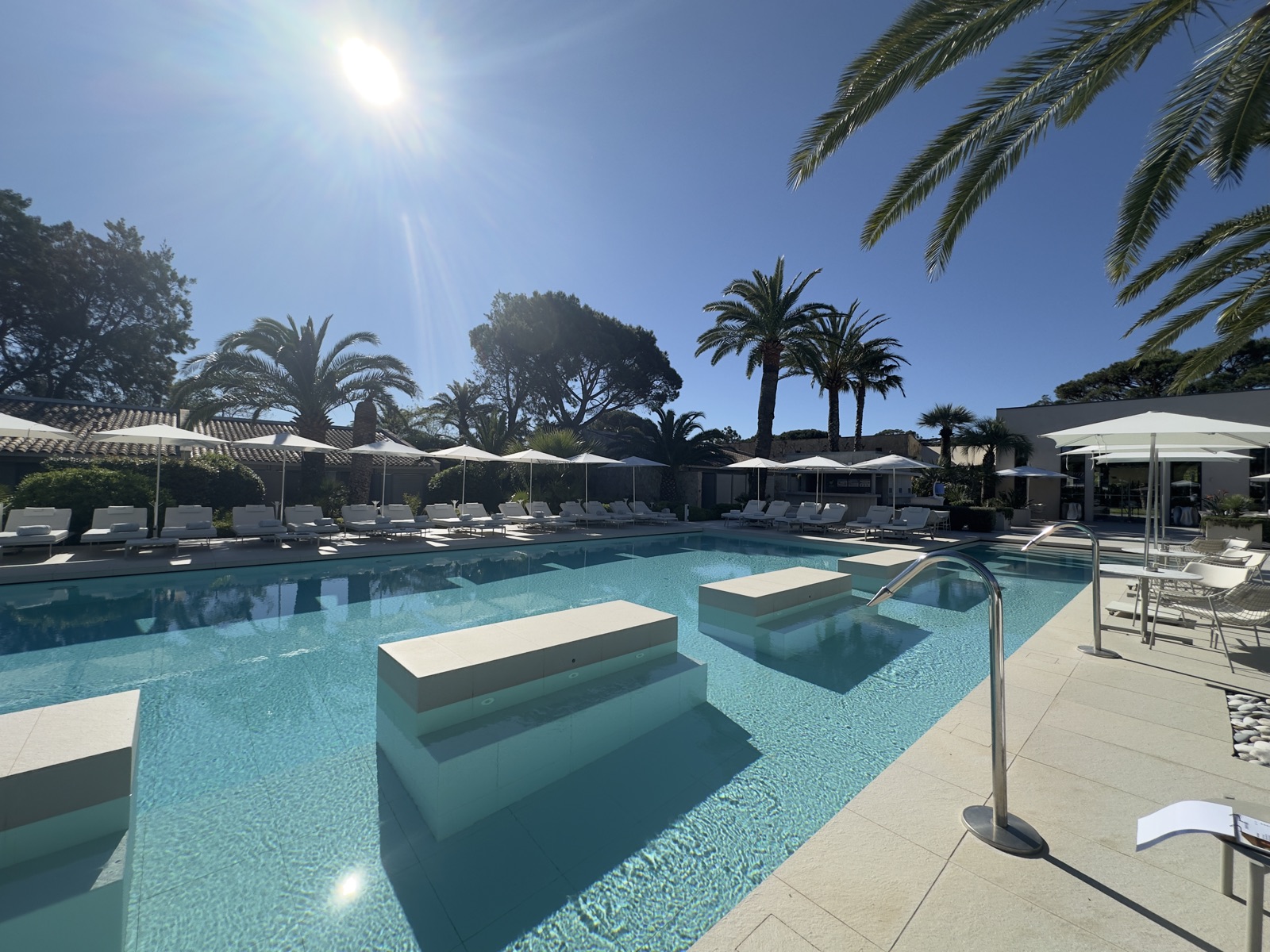
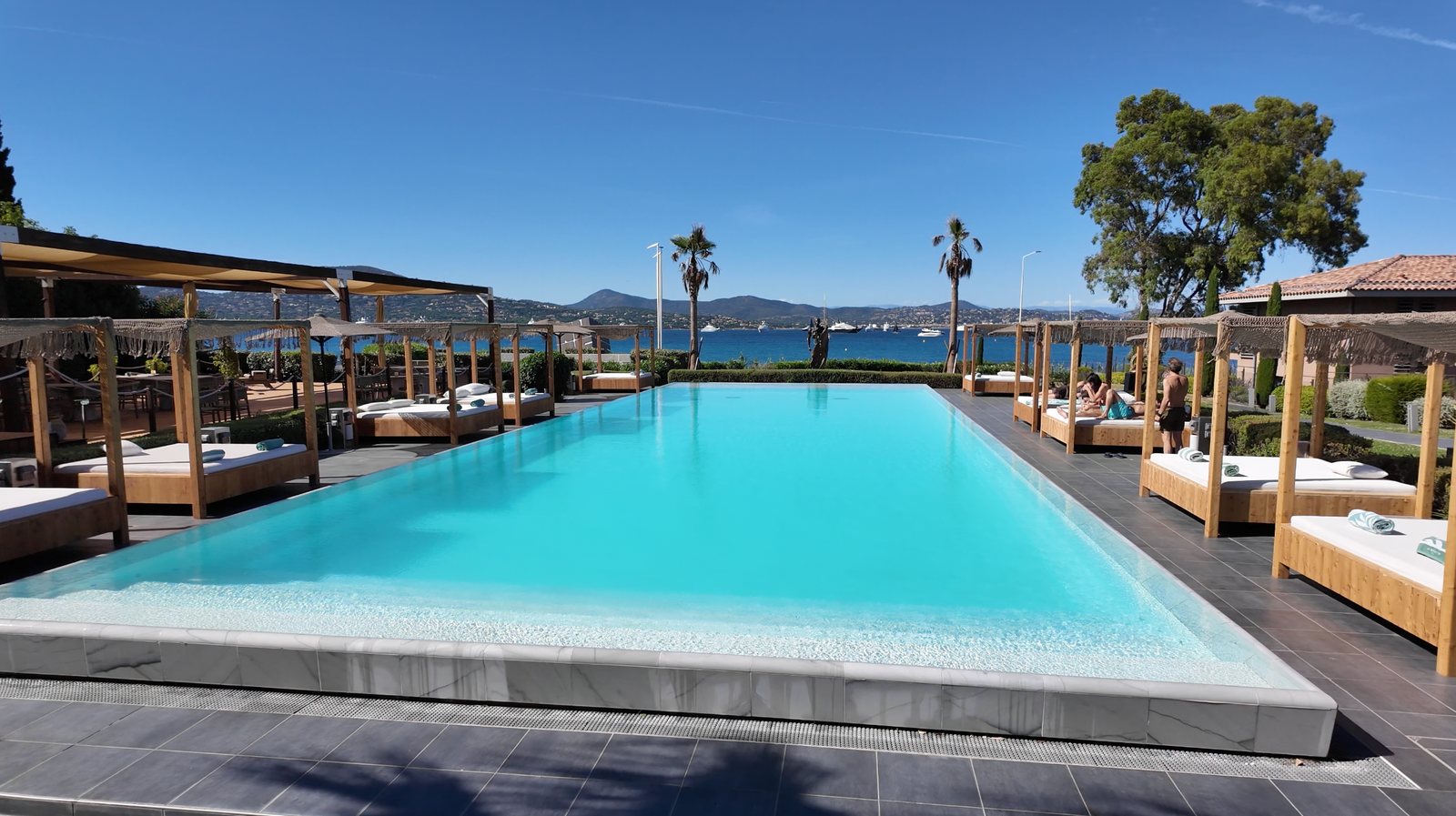
The dominant strategy is not to add beds but to move existing ones upmarket. A four-star property from the 1980s, acquired and repositioned as a five-star hotel, changes its clientele, average daily rate and profitability without consuming a single additional square metre. This is the calculation buyers are making, which explains why transactions mostly involve operating assets rather than land.
The outstanding health of Spanish family capital
The uniqueness of this market lies in the identity of the buyers. While Italy, Greece or Portugal are seeing the arrival of international funds and Gulf capital, Spain remains largely funded by its own family groups and family offices. These players think in terms of decades rather than five-year exit cycles, allowing them to buy when the cost of credit discourages funds. This is a structural advantage confirmed by the half-year figures.
The Spanish market in figures
| Transactions, first half of 2026 | €2.46 billion |
|---|---|
| Source | Colliers |
| Estimated new annual floor | Around €3 billion |
| Target mentioned for the year | Over €4 billion |
| Most active destination | Maspalomas and the south of Gran Canaria |
| Buyer profile | Spanish family groups and family offices |
| Dominant strategy | Repositioning of existing assets towards luxury |
| Interest rate context | Recent increase of around 25 basis points |
La Revue des Hôtels’ opinion
These figures must be read with some nuance. A market that gains value through renovation rather than construction is a mature market, and this is good news for the Canaries, whose coastline could not support another wave of concrete. However, a hotel stock moving upmarket is also one that becomes more expensive, and the south of Gran Canaria owes part of its visitor numbers to clienteles who will not follow this upward shift.

The question for the coming years is therefore not whether Spain will exceed four billion euros, as it probably will. It is what becomes of mass tourism when the hotels that have hosted it for forty years all transition to five stars.