
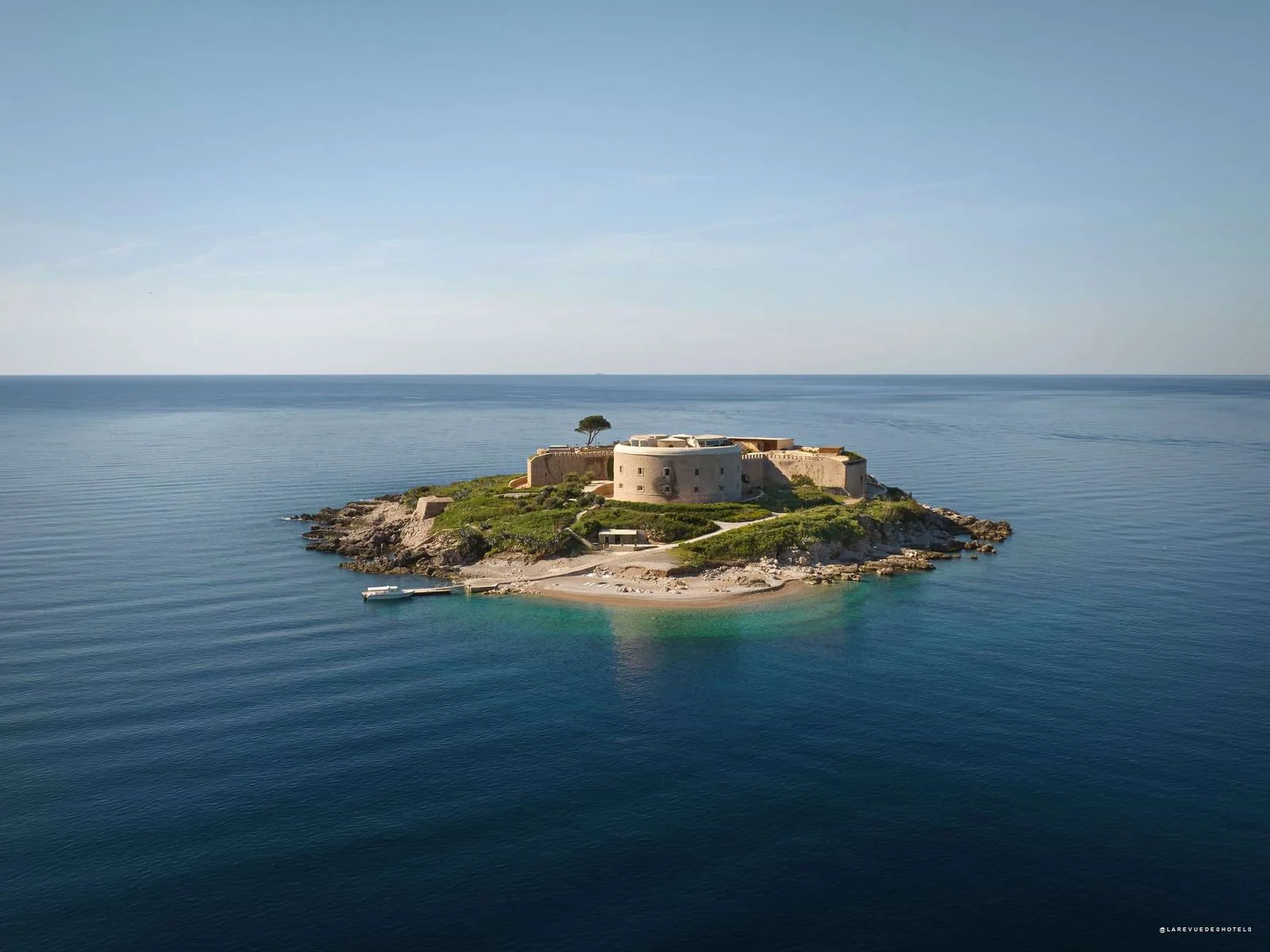

- 🏝️ The location · Mamula Islet, at the entrance to the Bay of Kotor, in Montenegro, within a World Heritage-listed area.
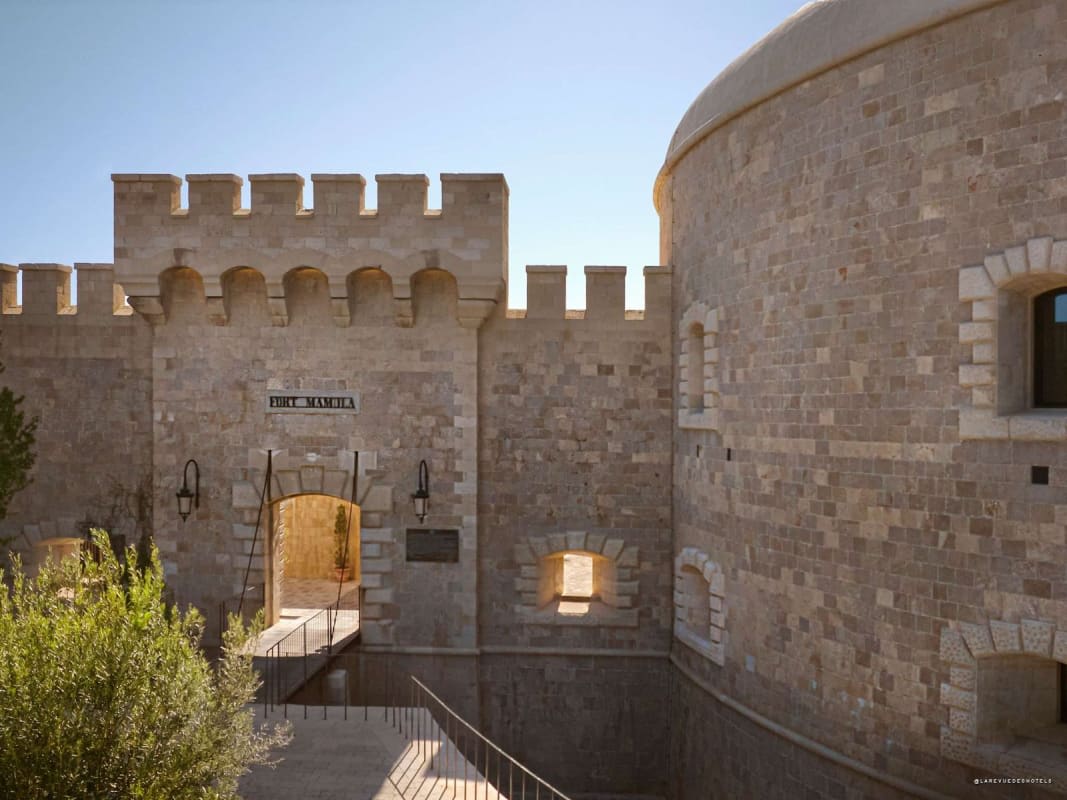
- 🏰 The fortress · Built in the 19th century by the Austrian army for defensive purposes.
- 🕯️ The history · In 1942, the Italian fascist occupiers interned around 2,000 people there for some eighteen months. More than a hundred died there, killed or starved.
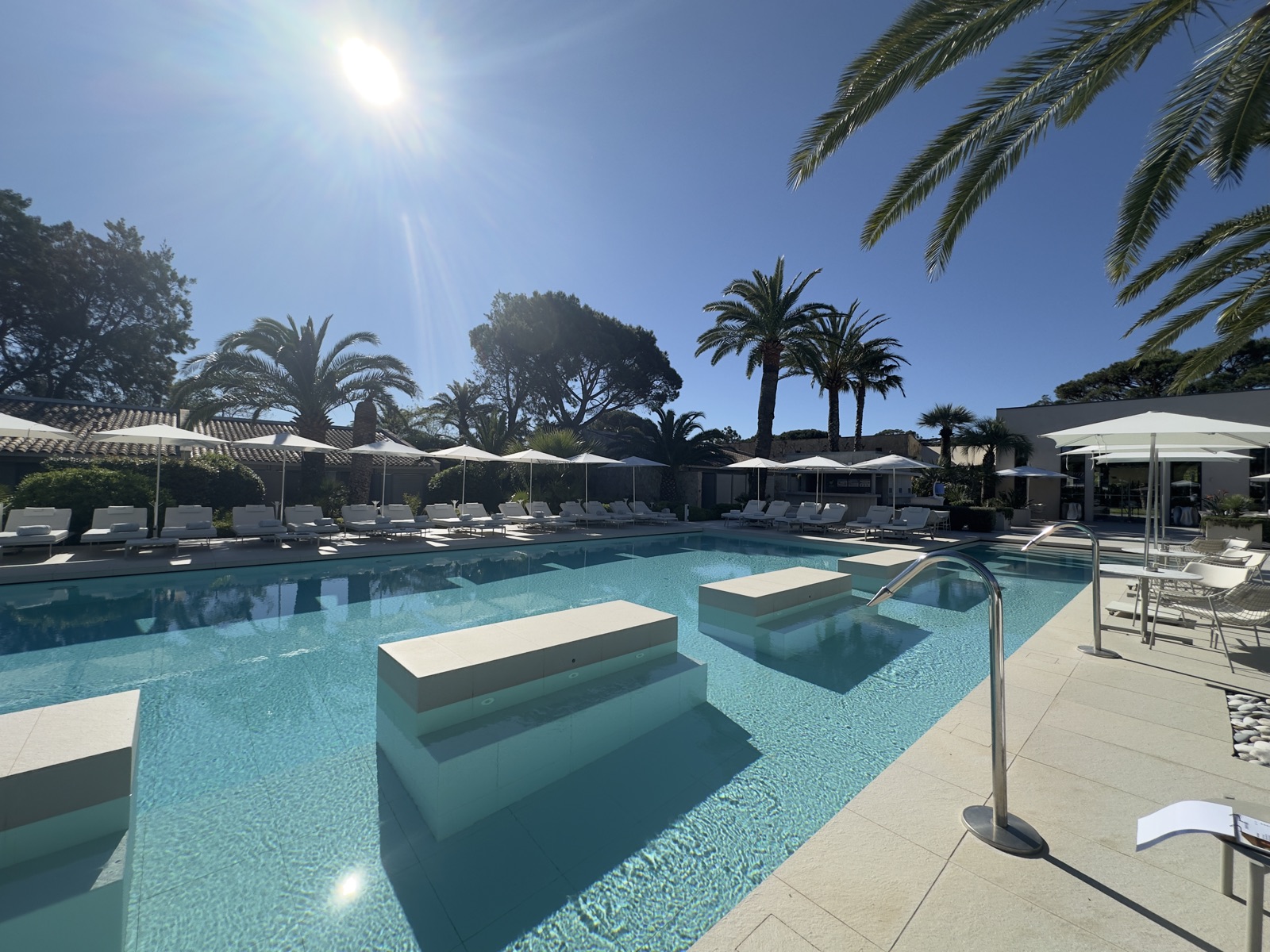
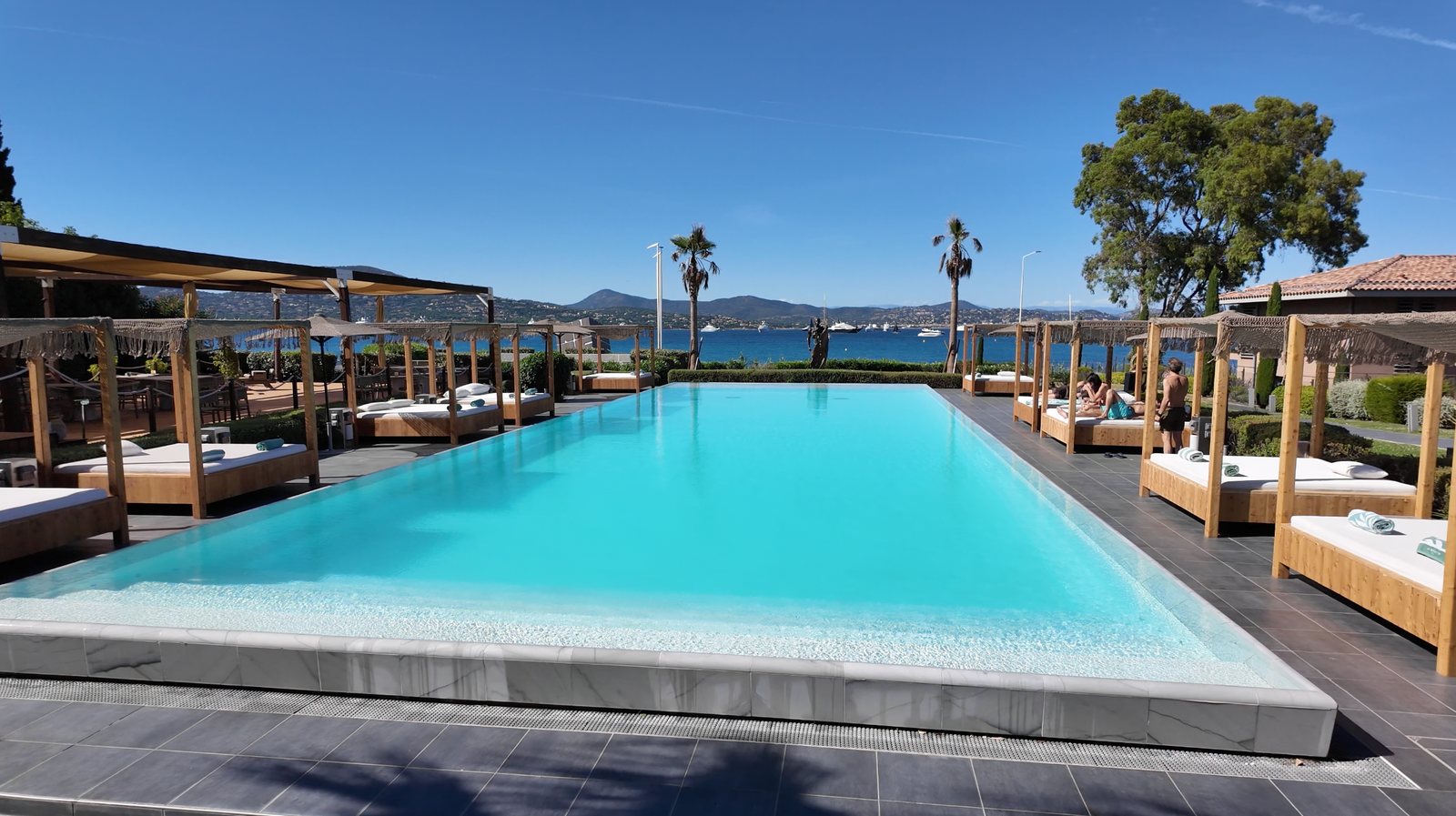
- 🏨 The hotel · Opened in 2023, coming under the Banyan Tree brand for the 2026 season. 32 rooms and suites.
- 🖼️ The memorial · A memorial gallery presents the history of the island, personal objects, testimonies and the names of the prisoners.
- ⚖️ The debate · A fashion show organised on the island has reignited criticism regarding the use of the site.
There are addresses that cannot be written about like any others. Mamula is a fortified islet at the entrance to the Bay of Kotor, where the Italian fascist occupiers interned around two thousand people in 2022, and which since 2023 has been home to a thirty-two-room hotel, coming under the Banyan Tree brand for the 2026 season. A fashion show organised on site has reopened a debate that ten years of legal proceedings had failed to close.
Contents
A 19th-century fortress, a camp in 1942
The islet is named after the Austrian general who had the fortress built in the mid-19th century to lock down the entrance to the bay. During the Second World War, Mussolini’s Italian forces set up an internment camp there: around two thousand people were detained there in 1942, and more than a hundred died there, executed or starved, during the roughly eighteen months the site was operational. The island was left abandoned for decades, visited by pleasure boaters and the families of former detainees.
◆ The fortress today
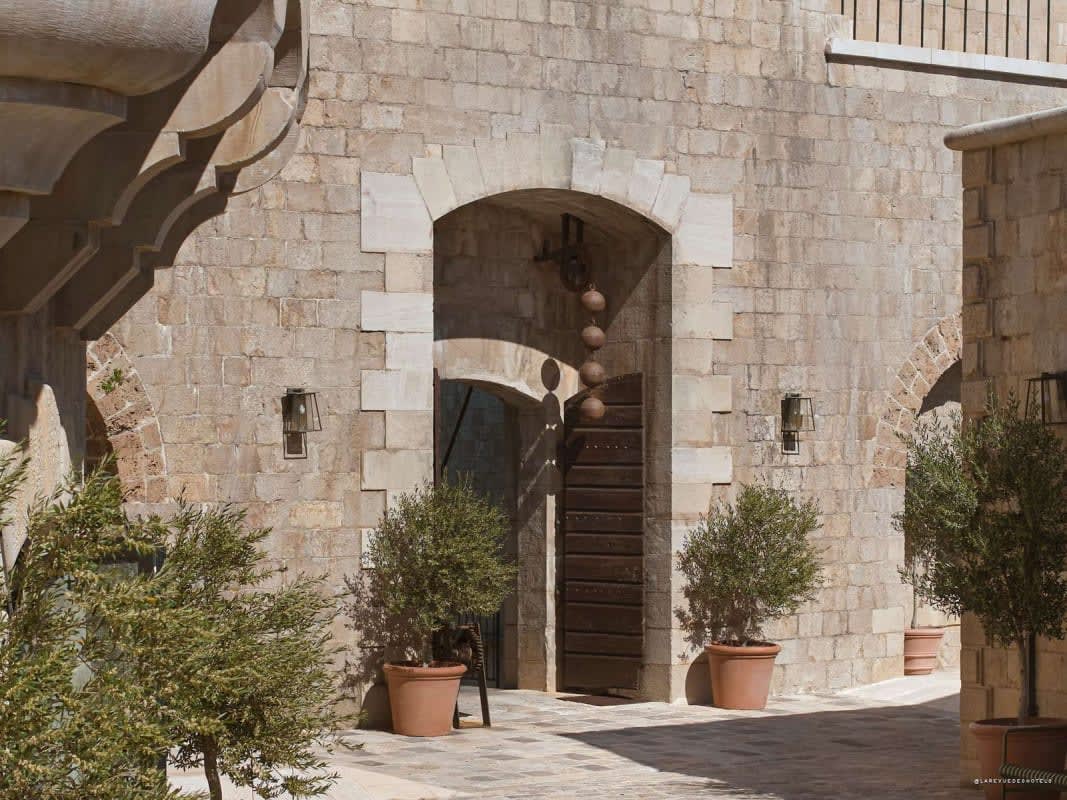
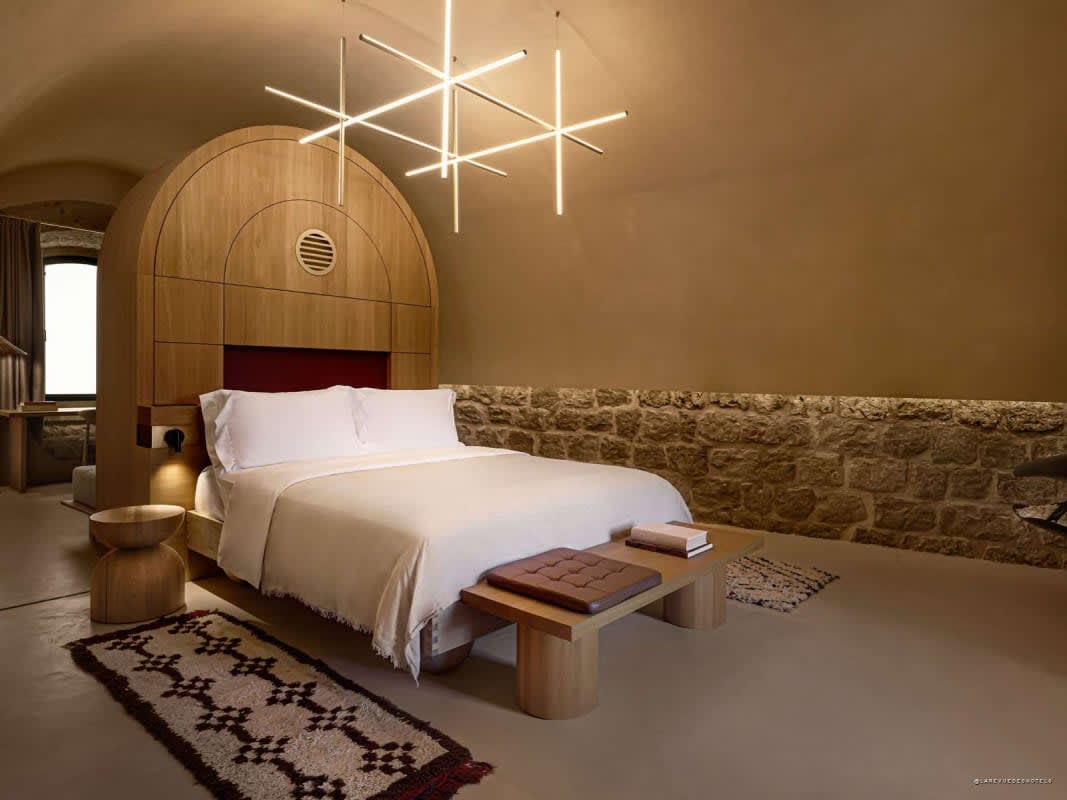
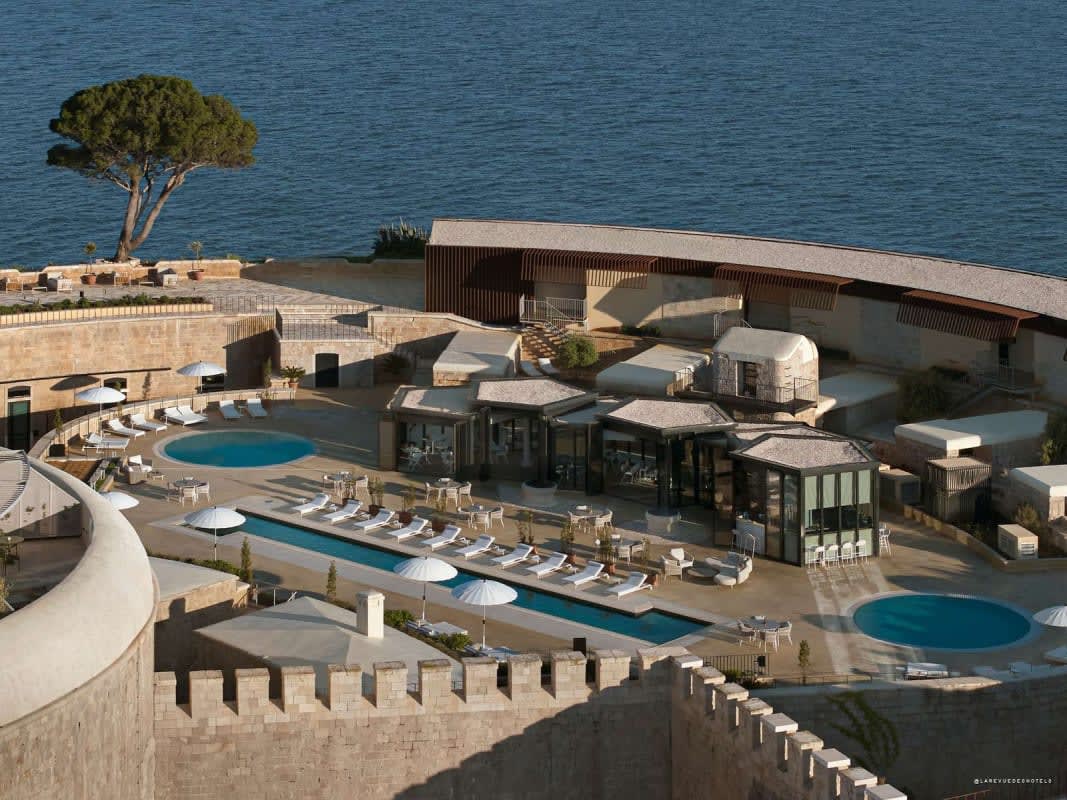
A decade of controversy, even before opening
The Montenegrin government’s decision to grant a concession for the island to create a hotel dates back about ten years, and it sparked immediate opposition. Former detainees and families of victims opposed it publicly, arguing that a place of suffering could not become a holiday resort. The project was nevertheless seen through to completion: opening in 2023 under the name Mamula Island, then taken over by the Banyan group for the 2026 season, making it one of its first European addresses.
| Location | islet at the entrance to the Bay of Kotor, Montenegro |
| Fortress | built in the 19th century by the Austrian army |
| Internment camp | 1942 · around 2,000 people · over 100 dead |
| Camp operation period | about 18 months |
| Hotel opening | 2023 |
| Banyan Tree brand | 2026 season |
| Capacity | 32 rooms and suites |
What the hotel has set up, and what it is accused of
The operator has not sidestepped the site’s history. A memorial gallery has been set up within the fortress, featuring information on the island’s past, personal objects, testimonies and the names of the prisoners. The question raised by opponents is not its existence, but its adequacy. Human rights activist Hatidža Gusić argues that using the site as a luxury hotel, and even more so as a backdrop for fashion events, glosses over the memory of those who were imprisoned and died there. The fashion show organised on the island has crystallised this criticism: inhabiting a laden place is one thing, organising a spectacle there is quite another.

A precedent that extends beyond Montenegro
The issue is not unique to Mamula. Europe counts dozens of converted detention sites, mostly into museums and sometimes into hotels, and every conversion reopens the same discussion: who decides what a place becomes when its last witnesses pass away. Proponents of the project point out that an island left to abandon preserves nothing, that the fortress was deteriorating, and that the memorial gallery reaches visitors who would never have heard of Mamula. Opponents respond that preserving the architecture does not give a free pass regarding its use, and that seaside tourism is not neutral.
Our perspective
You can restore a fortress and respect what happened there: the two are not mutually exclusive, and the memorial gallery proves that the operator knows this. But a site of memory imposes a boundary that luxury does not like to set for itself, and that boundary is programming: a fashion show on an island where a hundred people starved to death is not an operational detail, it is a decision. That is where the issue lies, rather than in the principle of conversion. An international brand taking over such an address inherits its history at the same time as its walls.
Good to know before you go
- Mamula Island by Banyan Tree · Mamula islet, Bay of Kotor, Montenegro · access exclusively by boat from Herceg Novi
- The memorial gallery can be visited within the fortress grounds · it presents the names of the people detained on the island
- The site is located within the area of the Bay of Kotor, a World Heritage site
→ All our coverage of Mamula Island by Banyan Tree (5 articles)