
- Season 13 arrives on September 24, 2026 on FX and Hulu, in thirteen episodes.
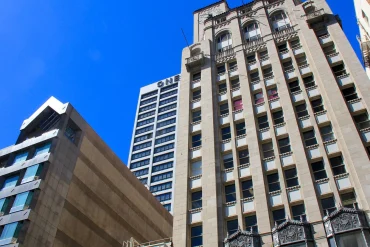
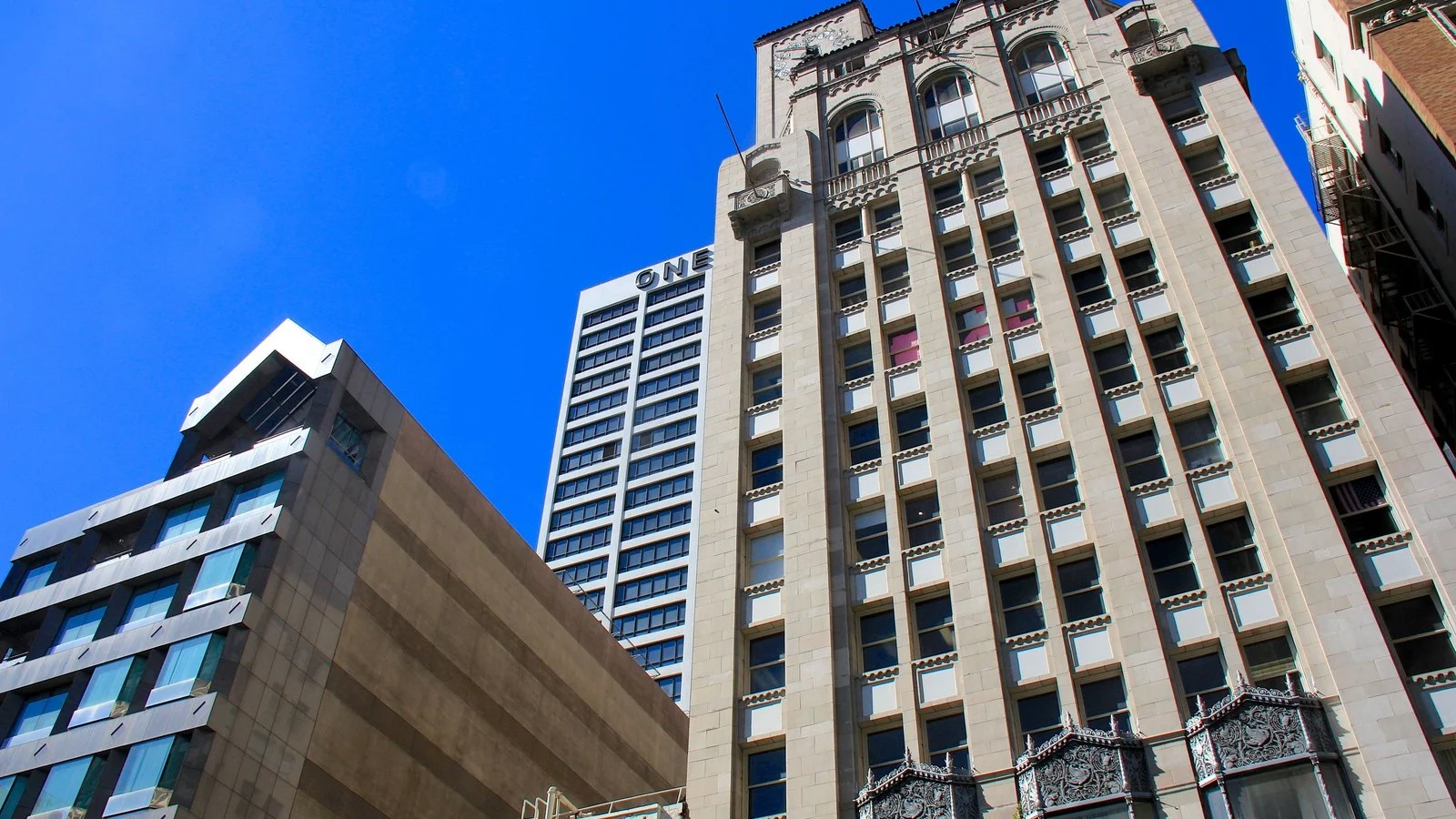
- The façade of the Cortez is the Oviatt Building, at 617 South Olive Street.
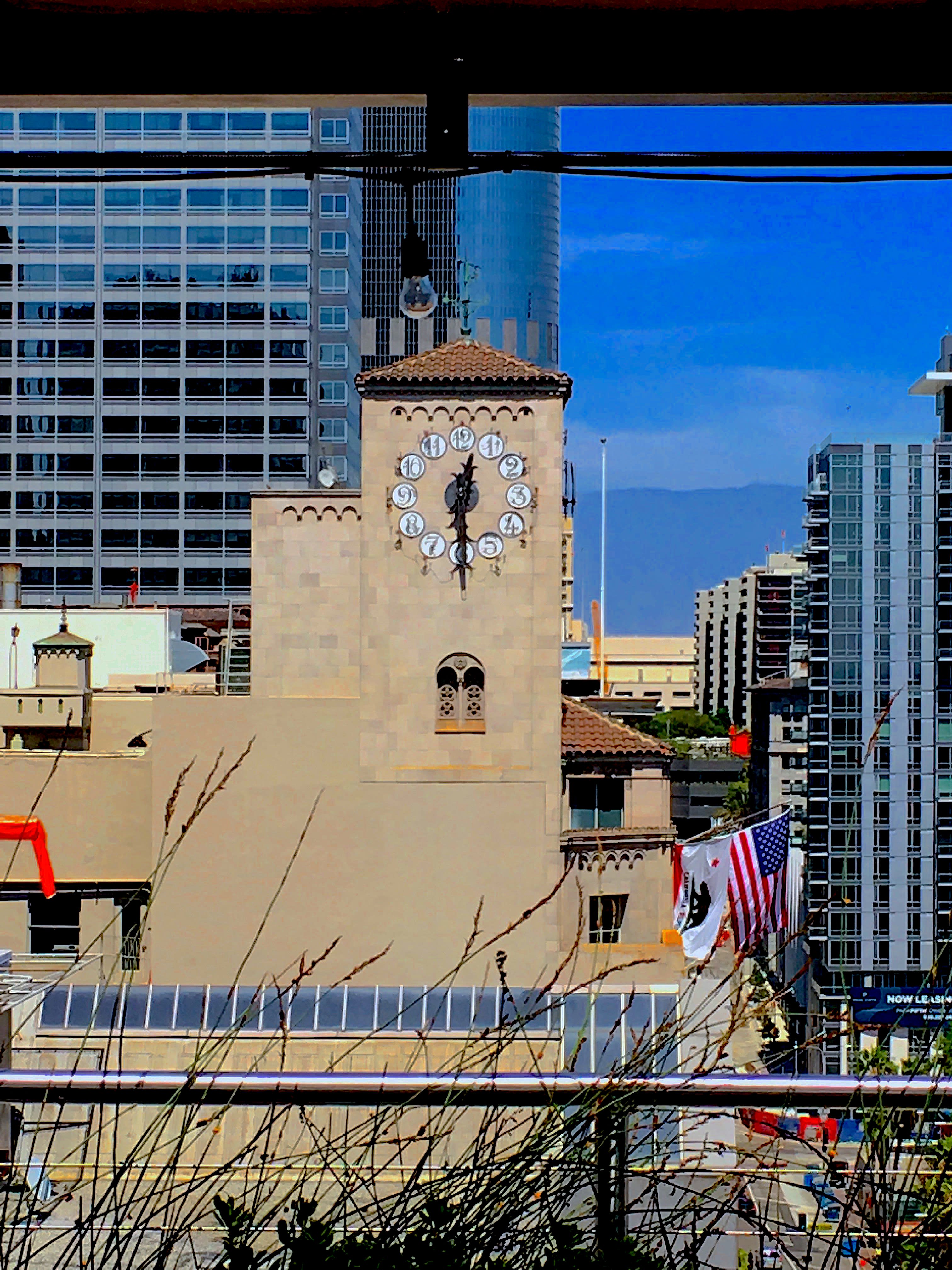
- This 1928 building preserves glassworks by René Lalique and a chime clock.
- The hallways and rooms are a six-story set built in a studio.
- The Cecil Hotel inspired the atmosphere but was never used for filming.
On September 24, 2026, the thirteenth season of American Horror Story returns to FX and Hulu, revisiting its most famous settings · the Murder House, the asylum, and above all the Hotel Cortez. An opportunity to recall something the series carefully maintains: this hotel never existed.
◆ The Oviatt Building, the façade of the Cortez
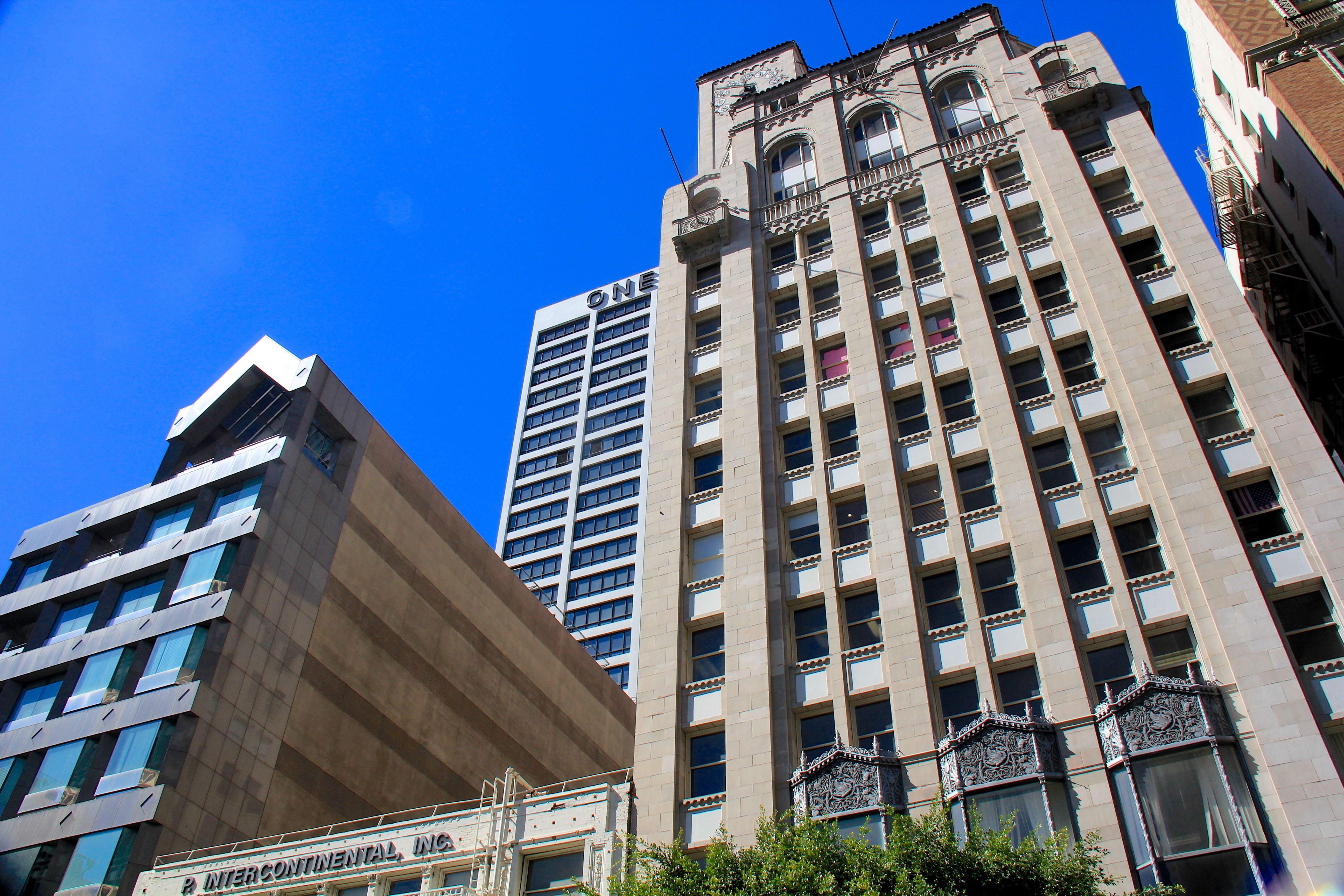
The façade is a 1928 building
The exterior shots of the Cortez were filmed in front of the Oviatt Building, at 617 South Olive Street in downtown Los Angeles, half a block from Pershing Square. The building was constructed between 1927 and 1928 by the architectural firm Walker & Eisen, with Feil & Paradise, in a style blending Art Deco and Italian Romanesque.
It is named after James Zera Oviatt, a hatter who had run a men’s furnishing boutique on the ground floor since 1912 with his partner Frank Baird Alexander. Oviatt himself occupied the top-floor penthouse during Prohibition. The building has been listed on the National Register of Historic Places since August 11, 1983, and designated as Los Angeles Historic-Cultural Monument No. 195.
Lalique in the elevators
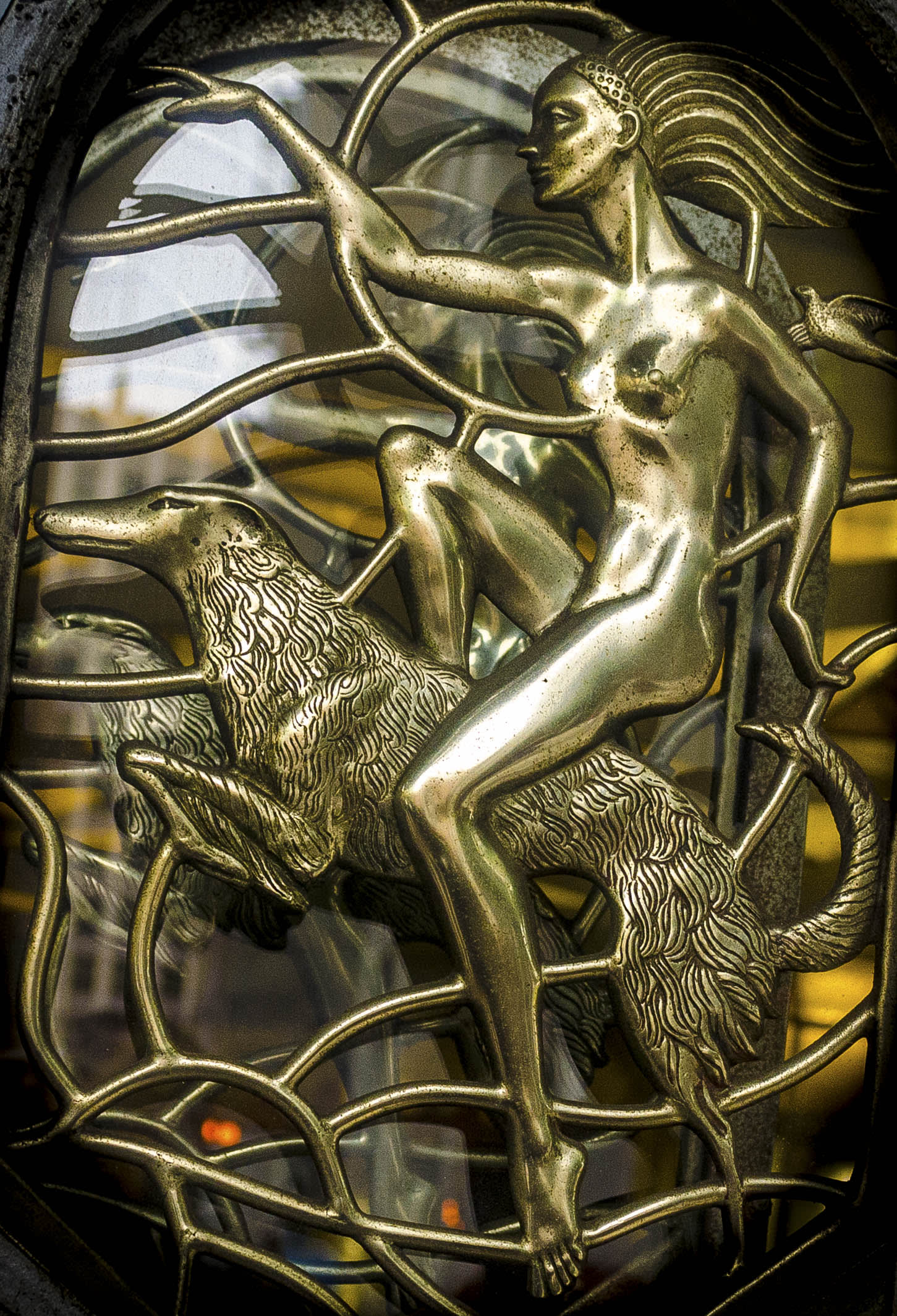
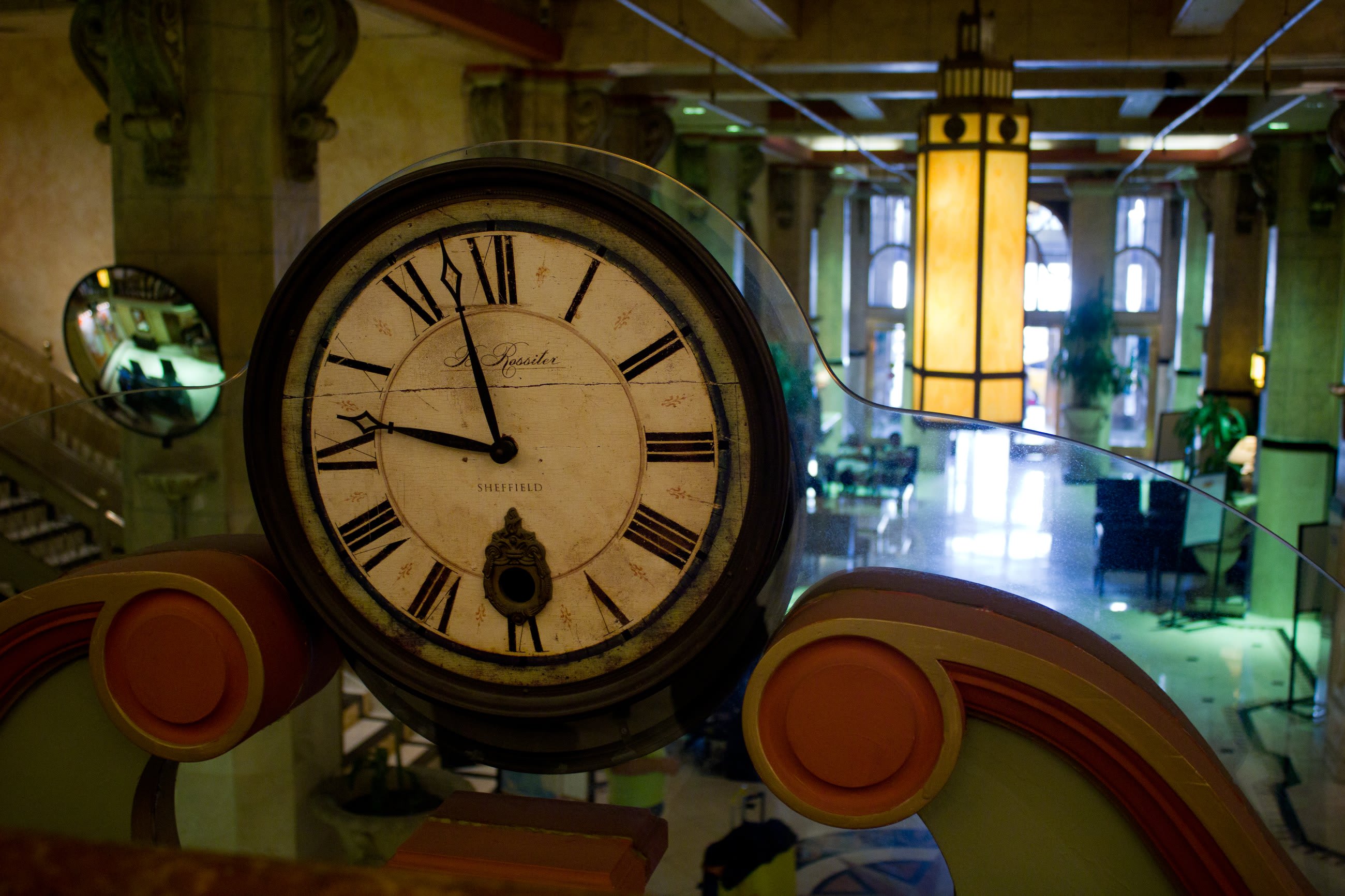
This is the detail the series never shows, yet which makes the visit worthwhile. René Lalique designed and crafted the molded glass panels of the elevator doors, the entrance and side doors, the chandeliers, and a large panel clock. The cornice and the twelve-ton luminous glass ceiling are the work of Ferdinand Chanut and Gaëtan Jeannin.
So-called Napoleon marble was imported from France by the entire ton, as was the three-sided tower clock and its chime. The former hat shop now houses the Cicada Restaurant and Lounge · this is the only way to see the interior, by booking a table.
◆ The Art Deco detail, signed Lalique
The corridors are a set
As soon as you cross the doors, reality stops. The lobby, hallways, and rooms of the Cortez form a six-story set built in the Fox studios, not an existing hotel. The contrast between a real heritage façade and an entirely manufactured interior explains why no address matches what the viewer sees.
The Cecil was never used for filming
The other persistent confusion concerns the Cecil Hotel, at 640 South Main Street. The series creator, Ryan Murphy, explained that he was inspired by the death of Elisa Lam, a twenty-one-year-old Canadian tourist found lifeless in 2013 in a rooftop water tank · a death ruled as accidental drowning. But nothing was ever filmed at the Cecil.
The establishment, opened on December 20, 1924, had 700 rooms and 301 suites behind a façade designed by Loy Lester Smith. Its reputation was built on a long string of criminal events, including the stay of a serial killer in the 1980s. It is this reputation, and not the building, that the series borrowed.
◆ The Cecil Hotel, never filmed
What the Cecil has become
It must be said clearly for anyone tempted to go and see: the Cecil is no longer a hotel. Partly renamed “Stay on Main” in 2011, bought for thirty million dollars in 2014, closed in 2017 for renovations, it reopened in 2021 as affordable housing. Around six hundred low-income people live there today, managed by the Skid Row Housing Trust.
The building has been listed as a Los Angeles Historic-Cultural Monument since 2016. It is not an attraction, and its residents did not choose to live in a television set.
What season 13 promises
The season consists of thirteen half-hour episodes. Three are broadcast the first week, three the second, then two every Thursday until the finale on October 29. The announced premise is one of return: the series revisits its foundational locations and recalls several prominent figures from the Cortez, including James Patrick March, its fictional builder.
Our perspective
The Hotel Cortez is a textbook case of what fiction does to places. An authentic Art Deco façade serves as cover for a completely invented interior, and the reputation of a third building, never filmed, provides the atmosphere. Three addresses for a single imaginary hotel.
The only real journey possible is to the Oviatt Building, and it is better than the series: twelve tonnes of luminous glass, elevators signed by Lalique, and a dining room open to the public. You can dine there tonight · which is more than can be said for a studio set.
Photo credits · Oviatt Building, MikeJiroch, Codera23 and Afpeach (CC BY-SA) · Cecil Hotel, vagueonthehow (CC BY 2.0), via Wikimedia Commons.