


- Entry refused to videographer Ryan Walker at the Amanvari Resort despite a confirmed reservation
- Threat to call law enforcement made by the property’s security service
- Over 700,000 views generated by the YouTube video calling out the incident
- Highlighting the challenges of welcoming independent reviewers in ultra-luxury
A Contentious Denial of Entry at the Estate’s Gates
In this month of August 2026, an altercation at the entrance of the brand-new Amanvari hotel, located on the Basse-Californie du Sud peninsula, is sparking heated debate within high-end hospitality. Hotel reviewer Ryan Walker, followed by 150,000 subscribers on YouTube, was denied entry right at the access gate after a two-hour drive. Although he produced a valid confirmation email sent that very morning by the estate’s central reservations, the gate staff claimed to find no record of his stay. Security guards quickly threatened to call the police if the guest did not leave the premises immediately.
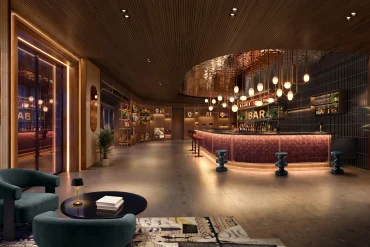
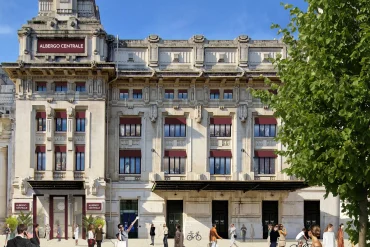
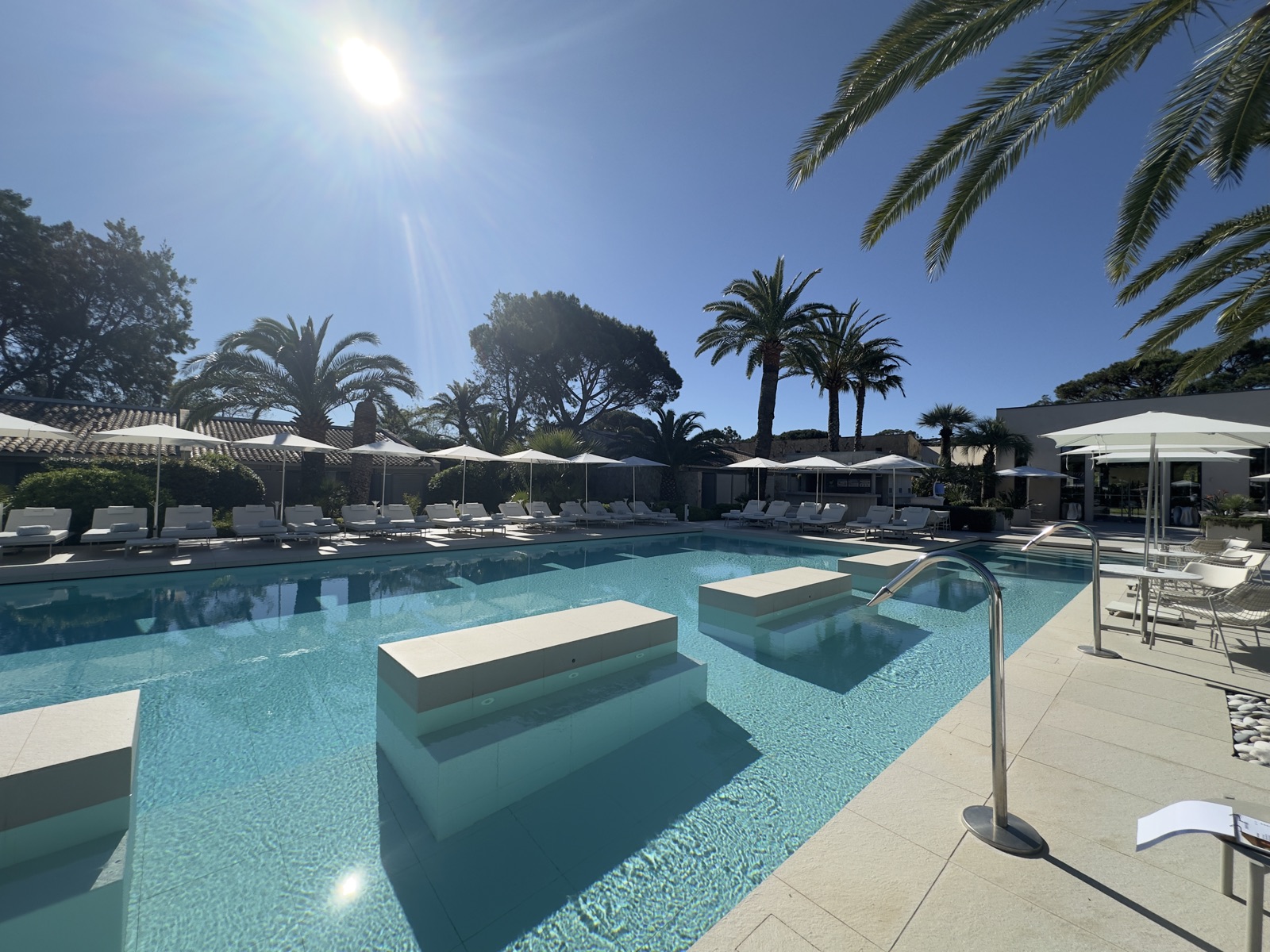
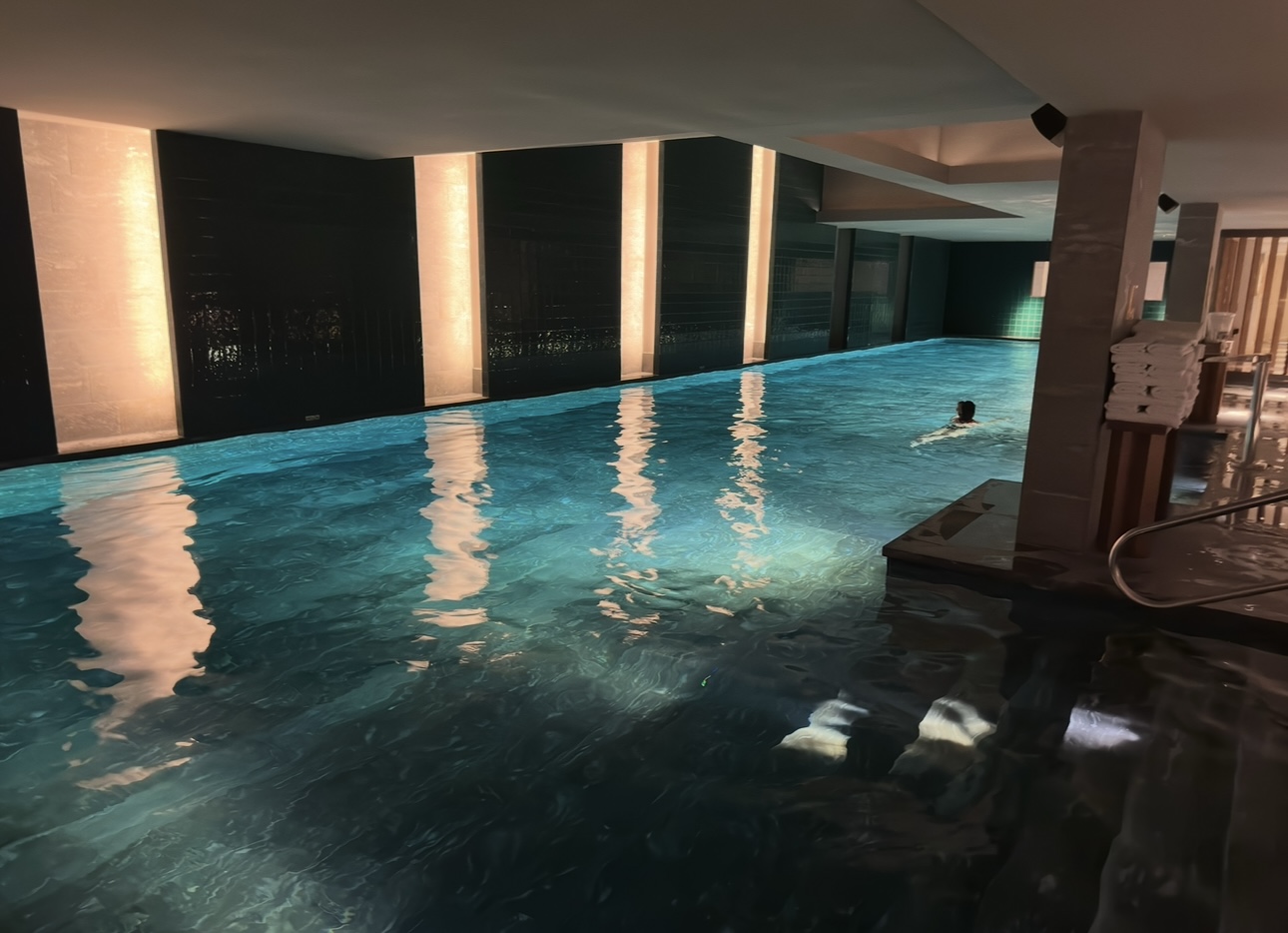
◆ In pictures · Amanvari, at Costa Palmas


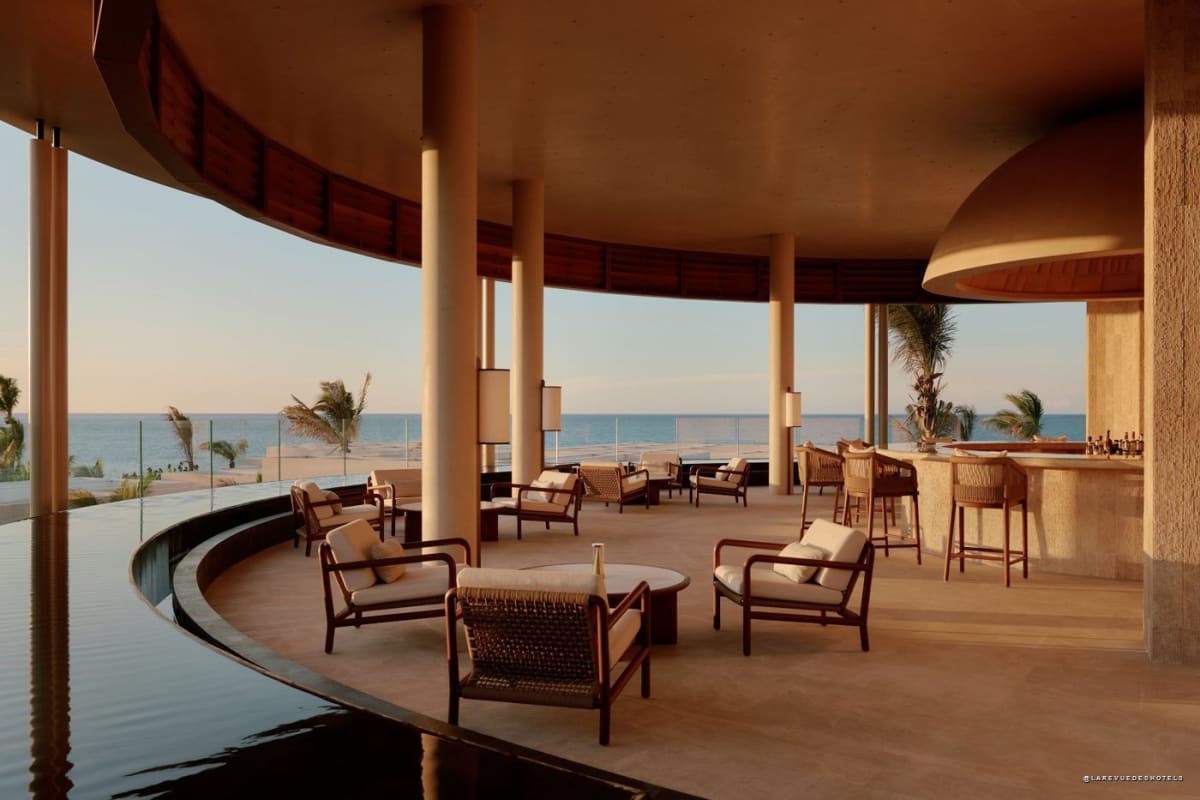
◂ Swipe · tap a photo to enlarge ▸
The Clash Between a Culture of Secrecy and Independent Reviewing
Following this refusal, the videographer posted a detailed eleven-minute account recounting his ordeal. The video quickly surpassed 700,000 views and generated several thousand comments within a few days. This episode highlights the growing tension between the traditional model of ultra-exclusive brands and the current practices of independent creators. Aman has built its reputation on the absolute privacy granted to its private clientele. The arrival of independent reviewers who pay for their own stays to preserve their editorial freedom disrupts standard image-control procedures.
The Operational Demands of Ultra-Luxury
Beyond managing digital reputation, this incident raises questions about the welcoming standards of an ultra-luxury address. While the property still showed room availability for sale on its official channels, the treatment given to the traveler reflects a damaging lack of diplomacy. In the world of ultra-luxury hospitality, every dispute must be resolved with restraint and courtesy in a designated area. Choosing intimidation and threats of police involvement over managerial mediation poses a serious alignment issue with the fundamental codes of hospitality.

The Urgent Need to Adapt Hospitality Policies
The backlash surrounding this case will likely prompt hotel management teams to clarify their internal guidelines. The coexistence of respecting guest privacy and accommodating videographers requires explicit rules communicated right at booking. Front-desk and security teams must receive training tailored to de-escalating tensions at the entrance. Greater alignment between administrative services, front desk, and gate security appears essential to prevent future guest arrival failures.
Our take
The issue goes beyond this specific case. Ultra-luxury was built on discretion, to the point of turning image control into an absolute rule; content creators, meanwhile, have become a major recommendation channel. Between the two, most hotel groups still lack a written policy, leaving front-desk teams to arbitrate on a case-by-case basis, with the risk that every decision becomes public. The topic calls for a clear policy rather than a knee-jerk reaction. Complete information is available on the official Amanvari website.
→ All our coverage of Amanvari (3 articles)