

- 💰 $636 million · the total amount of debt held by the TCI fund
- 🏛️ Four Italian luxury hotels · Danieli in Venice, Caesar Augustus in Capri, Six Senses on Lake Como, Mandarin Oriental in Milan
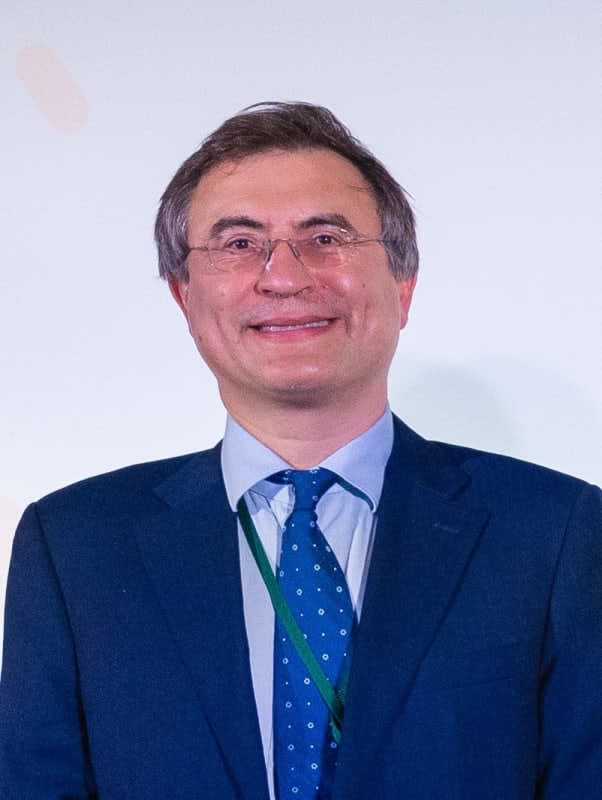
- 🇬🇧 Chris Hohn · founder of The Children’s Investment Fund Management, in London
- 🏢 A single owner · the four hotels belong to the Italian real estate group Statuto
- 📊 Debt, not equity · the fund lends, it does not buy the properties
The British fund TCI, led by financier Chris Hohn, holds $636 million in debt backed by four of Italy’s finest hotels. This information is worth noting, not for the amount, but for the form it takes: it is not an acquisition, it is a loan.
Four properties, a single owner
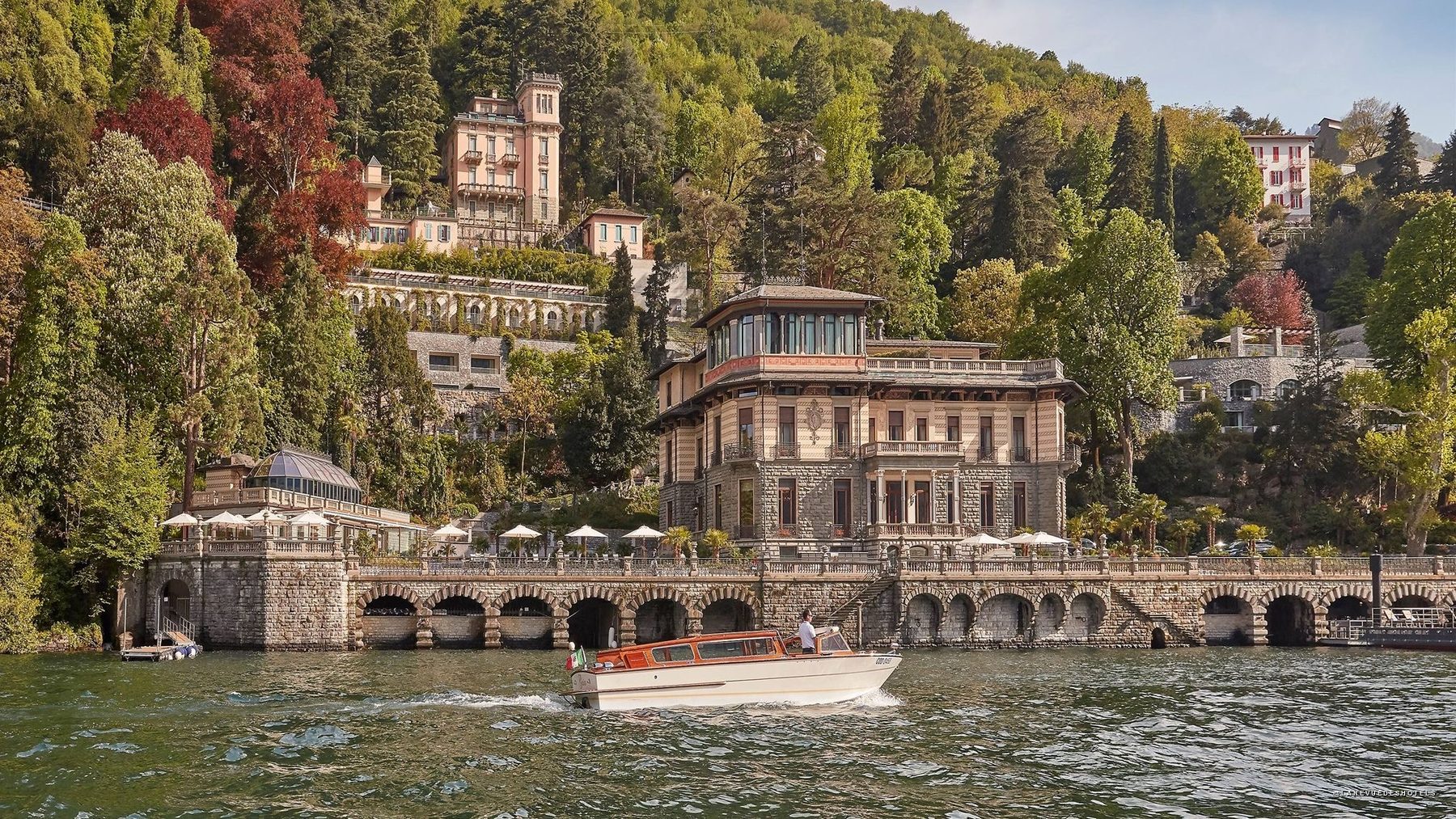
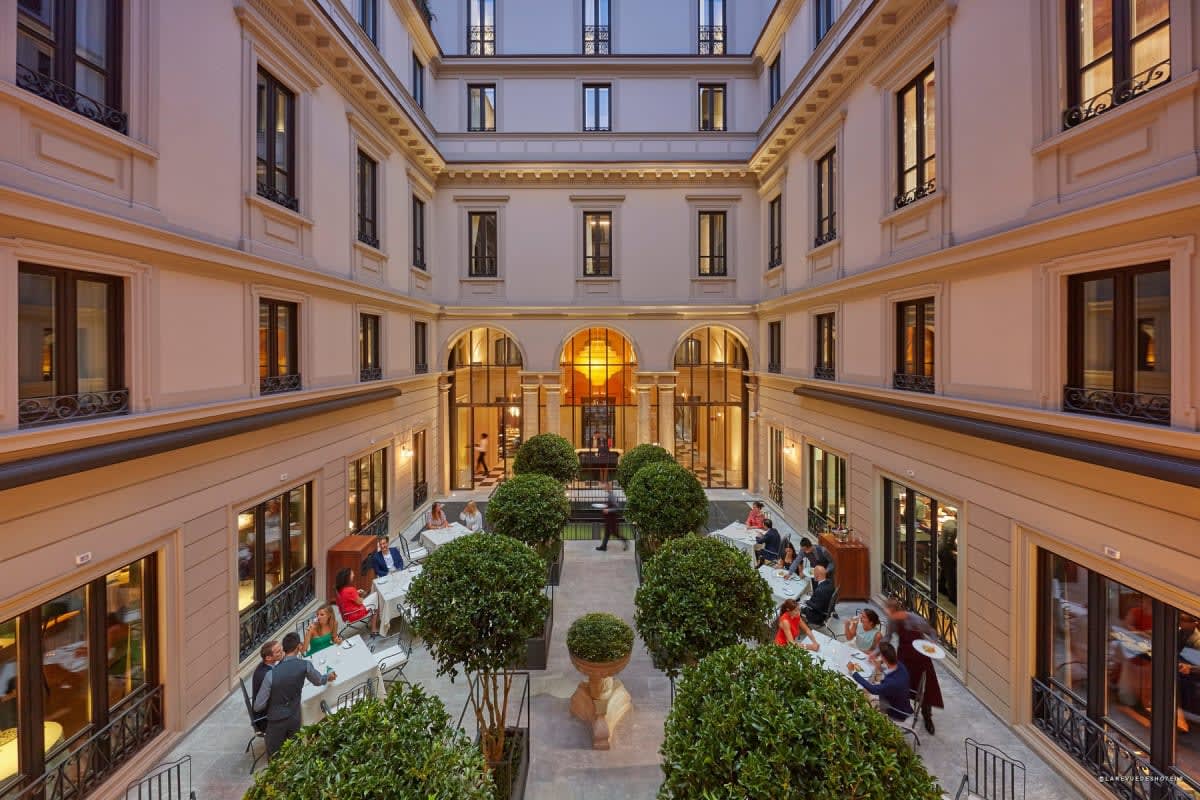
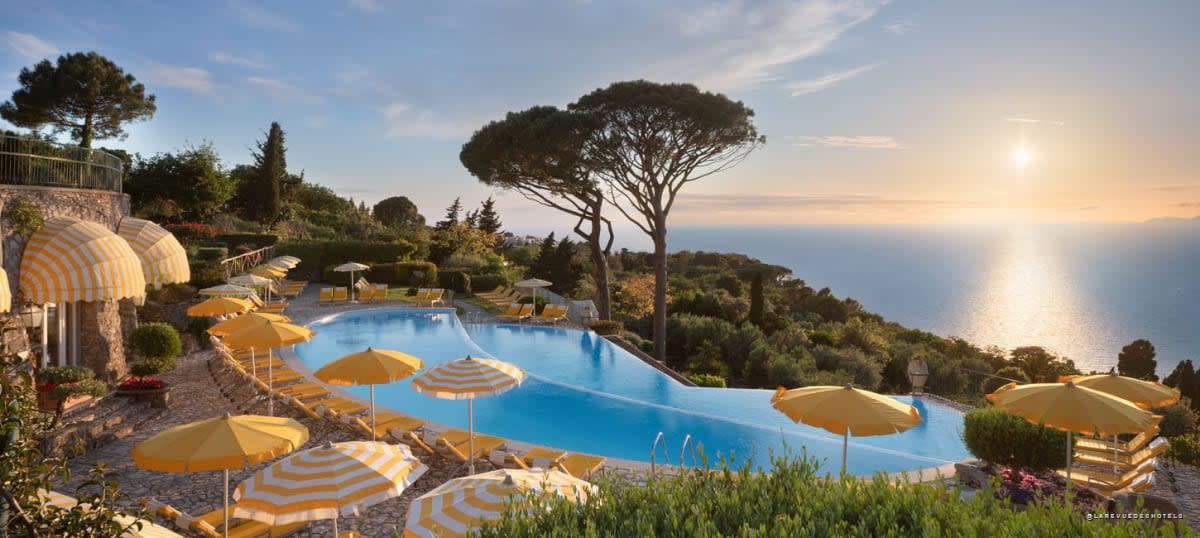
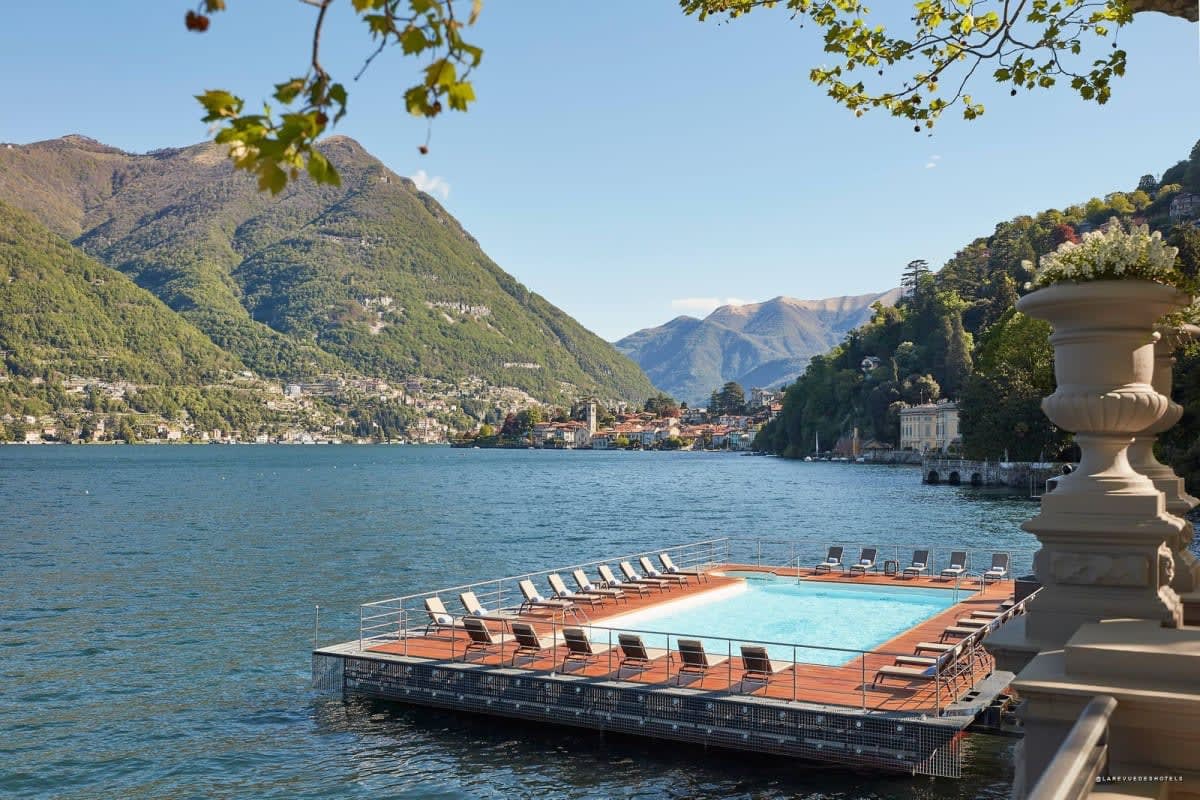
The largest position concerns the Danieli, in Venice, where the fund holds a share of a $392 million loan. This is followed by the Caesar Augustus, in Capri, for 132 million, the Six Senses on Lake Como for 74 million, and the Mandarin Oriental in Milan for 38 million.
All four establishments belong to the same owner, the Italian real estate group Statuto, making this transaction less of a bet on four hotels and more of a bet on a single portfolio.
The four positions, from largest to smallest
- Property owner · Italian real estate group Statuto
- Lender · TCI, The Children’s Investment Fund Management, London
- Total committed · approximately $636 million
Lending rather than buying
TCI does not arrange these financings itself. The fund takes positions in loans arranged by a private credit firm led by investor Martin Frass-Ehrfeld, in which it holds a stake and on whose investment committee Chris Hohn sits.
This mechanism changes the nature of the risk. A luxury hotel buyer bets on operations: occupancy rate, average daily rate, quality of management. A lender, however, bets primarily on the value of the property and the borrower’s ability to repay. In the event of a default, they do not take over a hotel to manage; they recover an asset to sell.
Why Italy, and why now
The reasoning rests on three observations. International demand for Italian destinations remains strong. The supply of ultra-luxury properties in the most sought-after locations (Venice, Capri, Lake Como) is by nature limited and cannot expand. And this scarcity gives operators a rare ability to continue raising their rates.

In other words, a fixed-income investor today considers an Italian luxury hotel to be an asset whose revenues grow faster than inflation, while being backed by real estate that cannot be replicated. This is a real estate investment trust reasoning, applied to hospitality.
What this says about the market
Luxury hospitality has long been funded by families, hotel groups, and sovereign wealth funds · that is, by equity. The arrival of hedge funds in hotel debt is more recent, and it has a concrete consequence for the traveller: the more debt loaded onto the property, the greater the pressure on room rates, as it is the rooms that repay it.
The move aligns with what is being observed elsewhere in Italy, where the big names continue to expand their portfolios, and it confirms that the peninsula remains, for international capital, the most coveted hotel market in Europe.