

- ✨ IHCL’s first address in Odisha · the Taj group is signing a Tree of Life resort on the shores of Lake Chilika
- 🔑 Thirty keys only · unobstructed views of the lagoon, all-day dining restaurant, bar, swimming pool, spa, and meeting room
- 🐬 A listed sanctuary · Asia’s largest brackish-water lagoon · home to over 160 bird species and the Irrawaddy dolphin
- 🏗️ Greenfield project · new construction, announced in June 2026 · no opening date communicated
India has around thirty states and territories, yet only a handful feature on the luxury hotel map: Rajasthan, Kerala, Goa, Maharashtra. Odisha, with a population of 42 million on the eastern coast, is not one of them. This is what makes the signing by Indian Hotels Company, owner of Taj and the country’s leading hotel group, for a resort on the edge of Lake Chilika so intriguing. Thirty keys, Tree of Life brand, bare land.
Contents
Thirty keys on the shore, and nothing more
The plan is concise by design. The resort will feature thirty keys positioned on the shore, offering unobstructed views of the lagoon, an all-day dining restaurant, a bar, a swimming pool, a spa, and a well-sized meeting room. Tree of Life is the group’s collection of discrete escapes, reserved by IHCL for addresses too small or too isolated to carry the Taj brand.
The project is a greenfield development, meaning new construction on virgin land, signed with Sanjay Gadodia, head of Scania Steels and Powers, a diversified group operating in Odisha, Chhattisgarh, Andhra Pradesh, and Karnataka, with a combined turnover of around 1,500 crore rupees. The announcement dates back to June 2026, and no opening date has been released: this development should therefore be viewed as a long-term commitment rather than an imminent inauguration.
Chilika, Asia’s largest brackish-water lagoon
The lagoon stretches along the coast of Odisha, connecting to the Bay of Bengal through a narrow channel, which gives its waters their varying salinity and its ecosystem its unique character. More than 160 bird species are recorded here, and it is home to one of the last populations of the Irrawaddy dolphin, an endangered species. The site is on the tentative list for UNESCO World Heritage status.
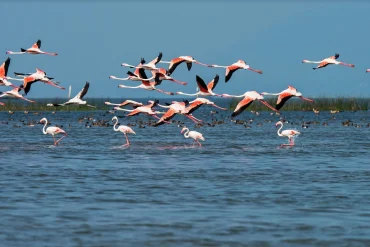
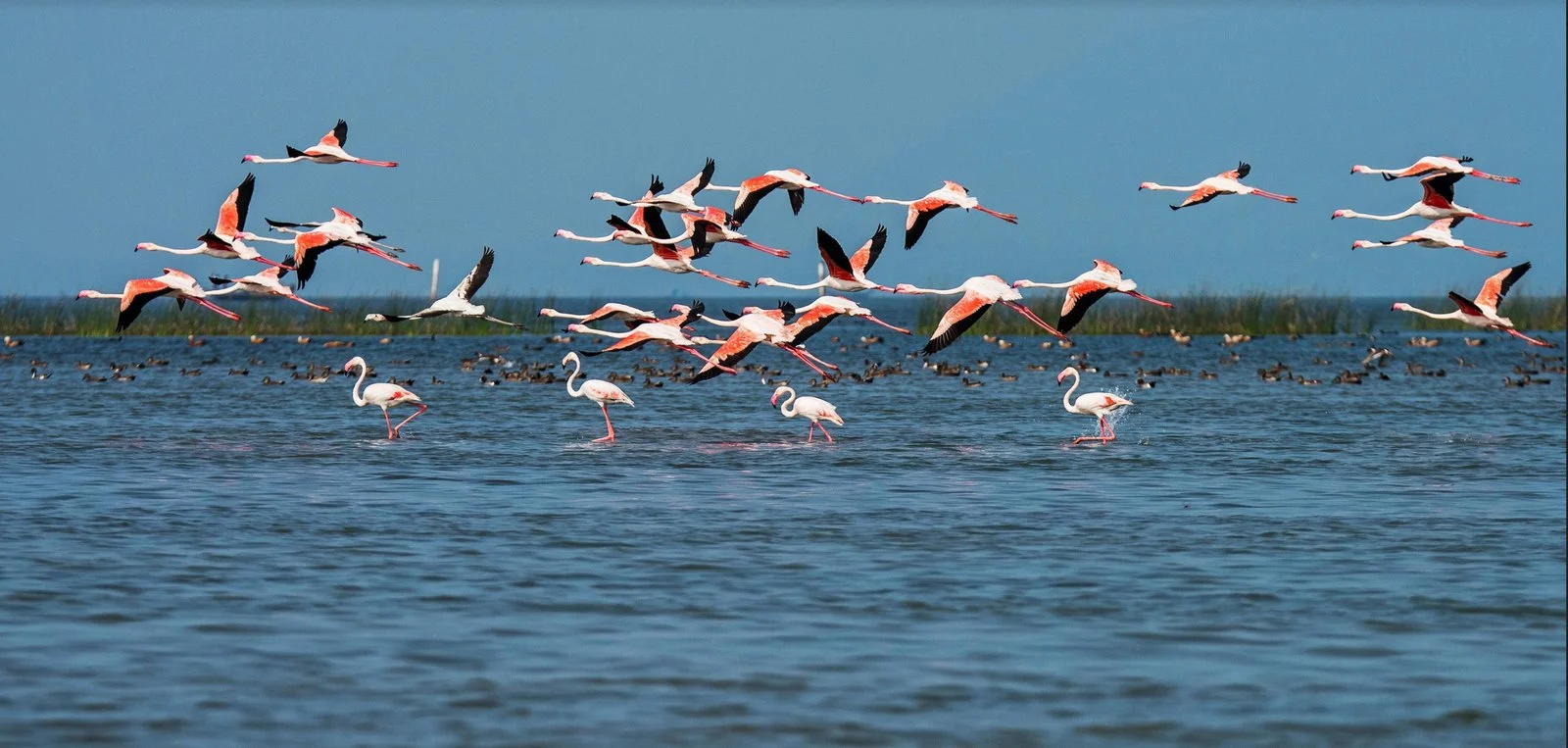
Winter brings the main spectacle: tens of thousands of migratory birds descending from Siberia and Central Asia settle in the Mangalajodi marshes, north of the lagoon, where viewing is conducted from pole-pushed wooden boats. A crucial detail for hoteliers: these boats are steered by former poachers who have retrained as guides, representing one of the rare conservation success stories in India that has genuinely transformed a village economy. Fishing itself sustains over 150,000 people along the shores.
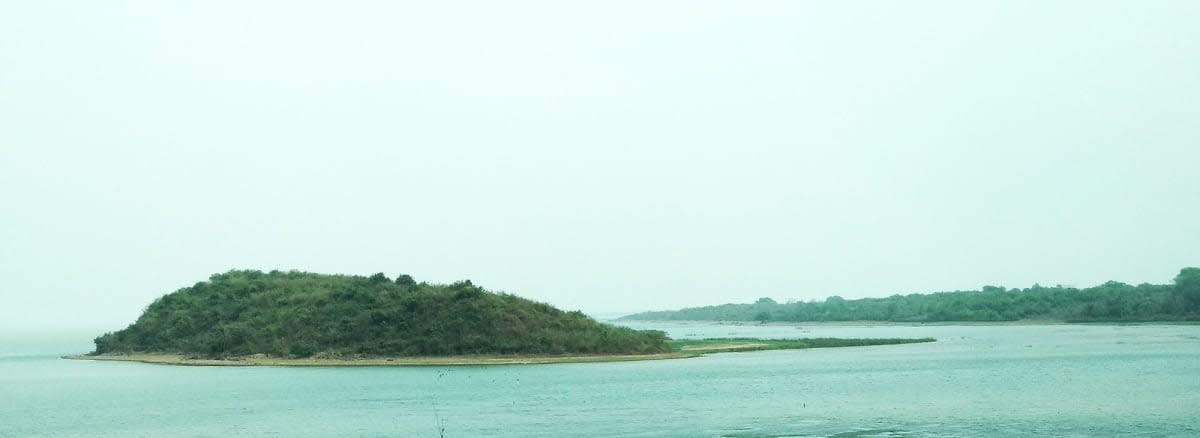
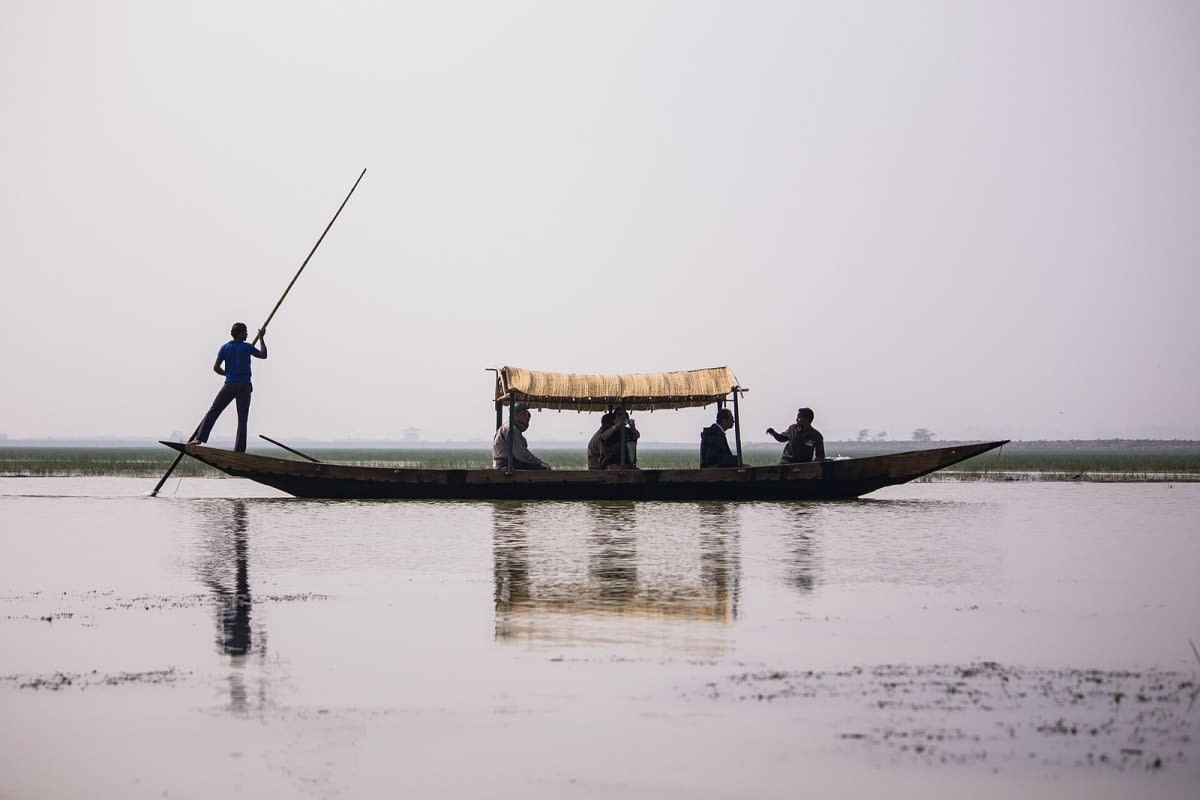
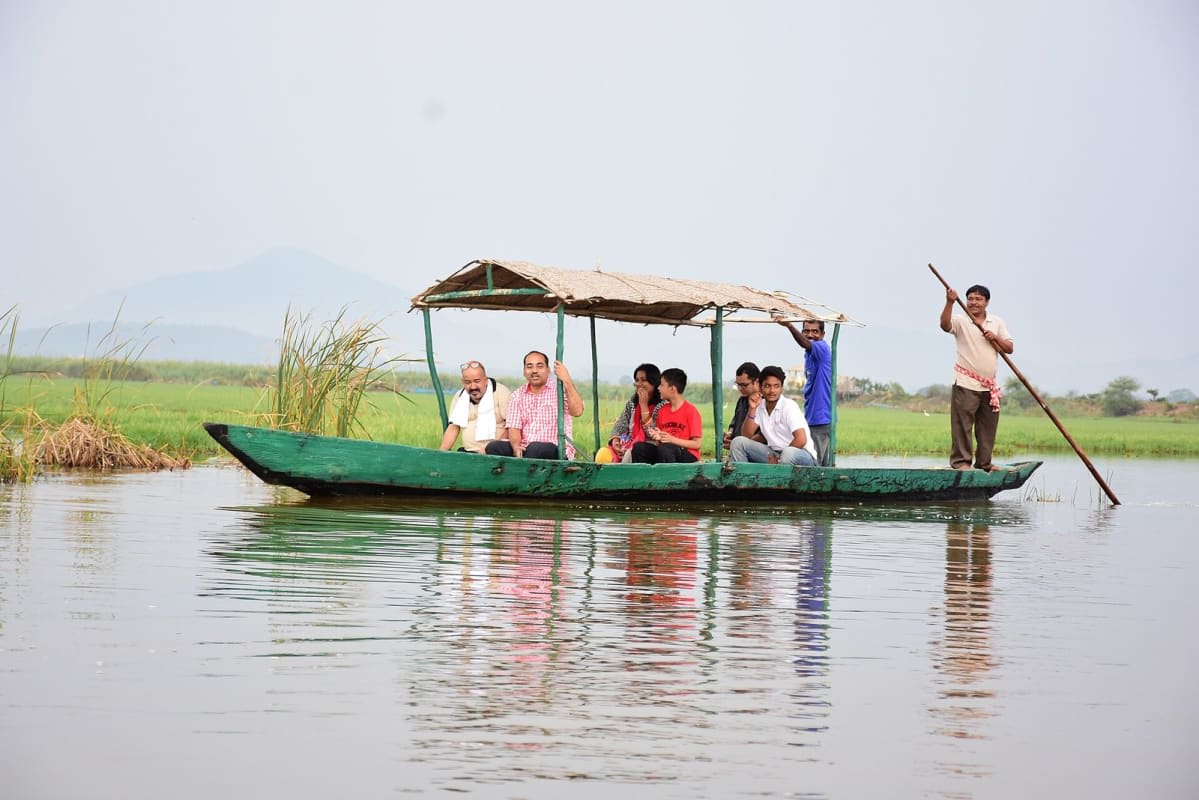
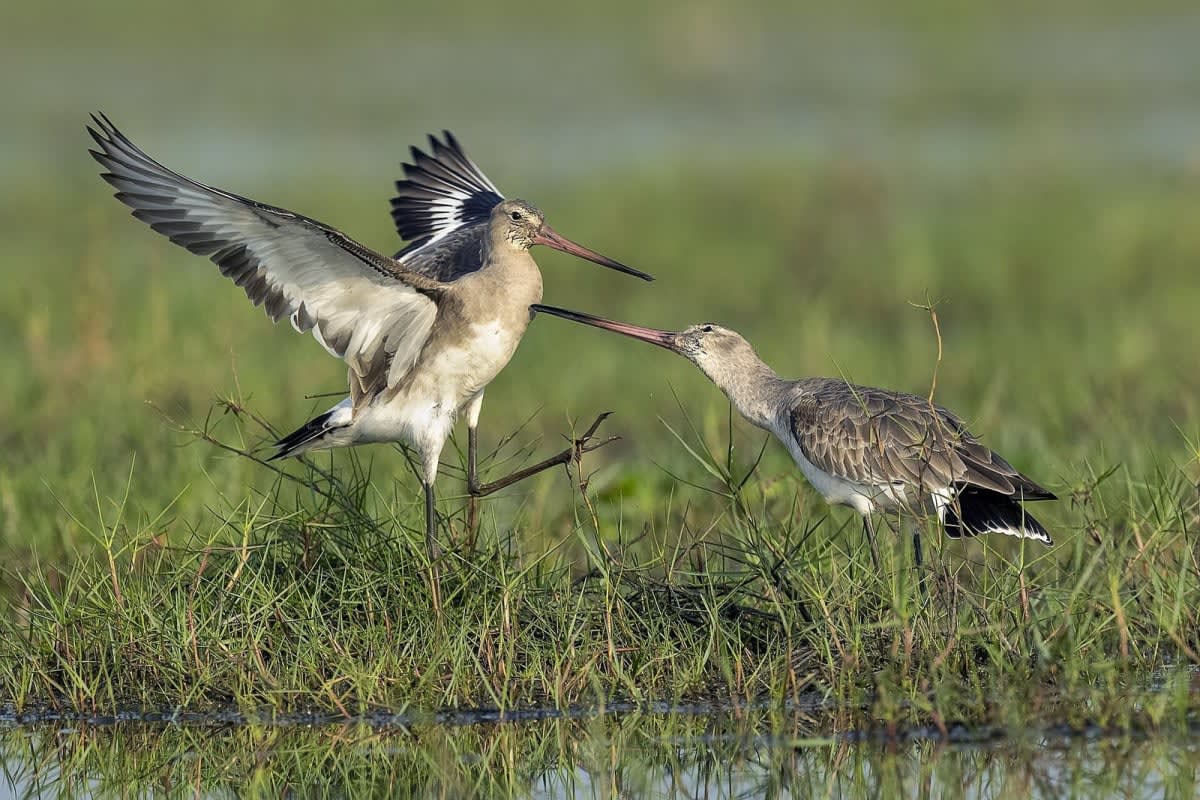
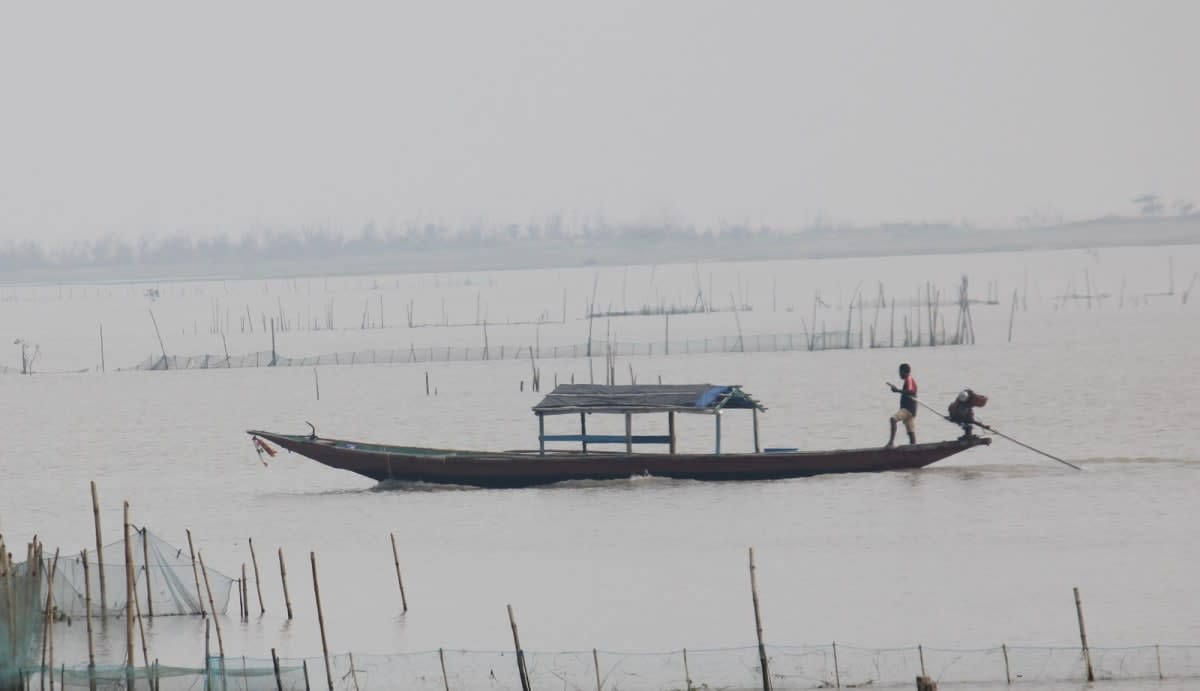
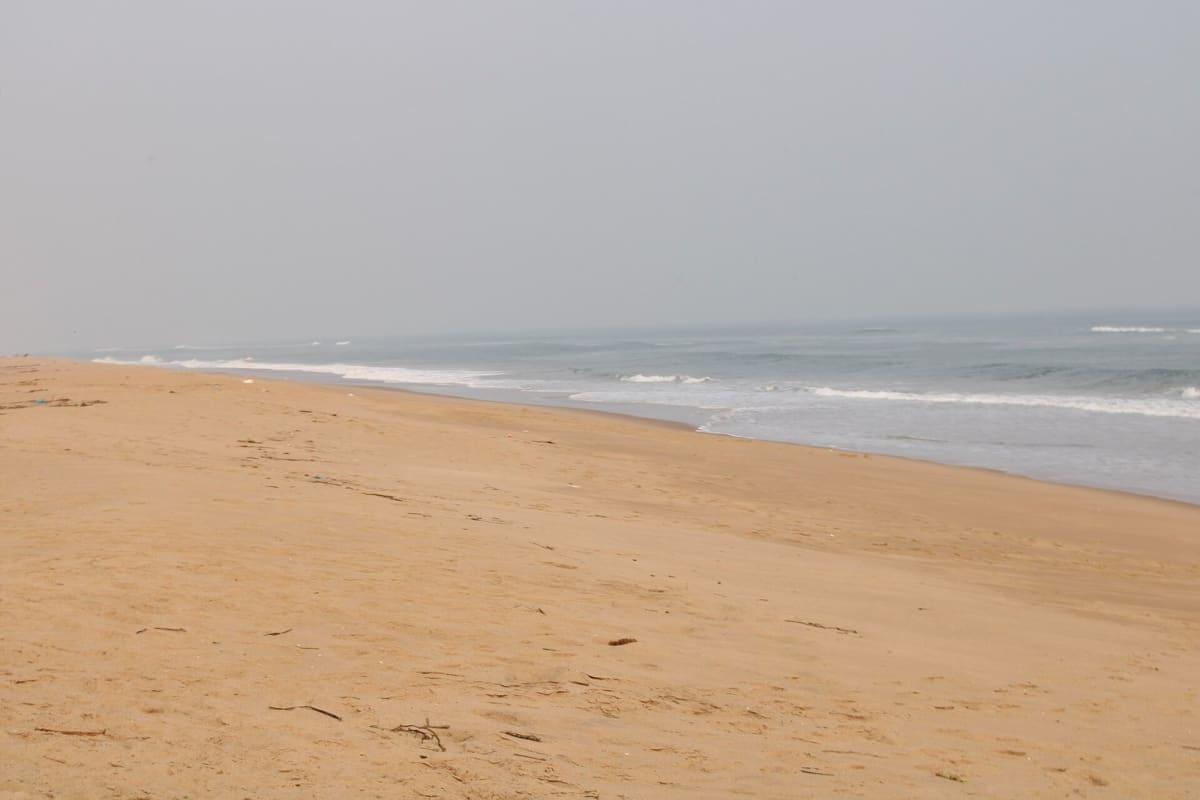
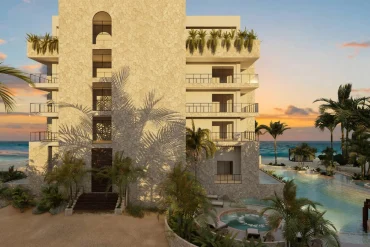
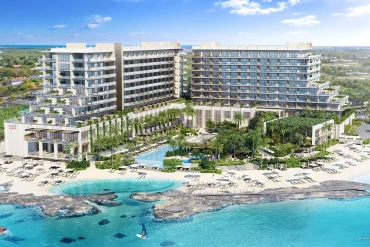
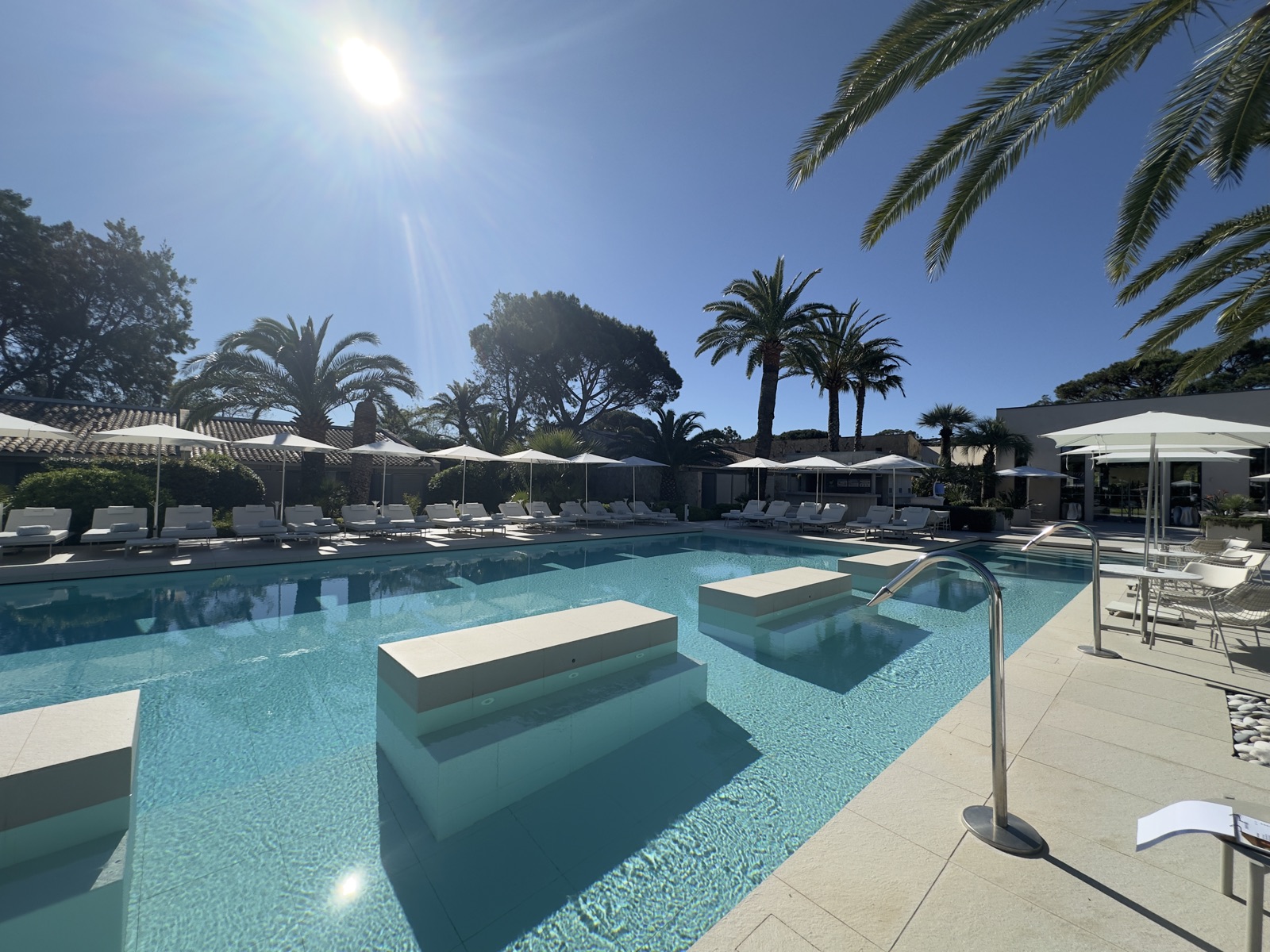
To be entirely transparent: the images above show the lagoon and its sanctuary, not the resort. The land is currently bare and no visual representations of the project have been released.
Why Odisha, and why now
IHCL operates or develops 640 hotels, including 263 still in the pipeline, spanning four continents and over three hundred locations. At this scale, growth is no longer driven by Mumbai or Jaipur: it happens in states where the group has no presence, utilizing formats of thirty to sixty keys that require low investment and secure a territory for twenty years.

Suma Venkatesh, who heads real estate and development at IHCL, summarizes the strategy in a single sentence: demand is shifting towards natural and unexplored destinations. The operational translation is more pragmatic. A confidential brand acts as a bridgehead: opening with thirty keys to test the market, and if demand follows, the Taj brand is introduced afterwards. This is the exact trend we outlined in our analysis of institutional capital in the Indian hotel industry.
Our perspective
The risk associated with this type of project is not commercial, it is ecological. Chilika is a fragile lagoon, already under pressure from prawn aquaculture and the silting up of its channel. A thirty-key resort has a negligible footprint at this scale, but it sends a signal: where IHCL establishes itself, others follow, rarely with the same restraint.
What works in favor of the project is its scale. Thirty keys on a lagoon of this magnitude represents a village footprint, not a sprawling resort. And for a French reader, Chilika holds a rare merit: no travel agency is selling it yet. This is precisely what was missing in southeastern India, whose first national hotel awards list once again featured almost no addresses there this year.
The resort is not yet open for reservations.
→ All our coverage of Tree of Life Chilika Lake, Odisha (5 articles)