
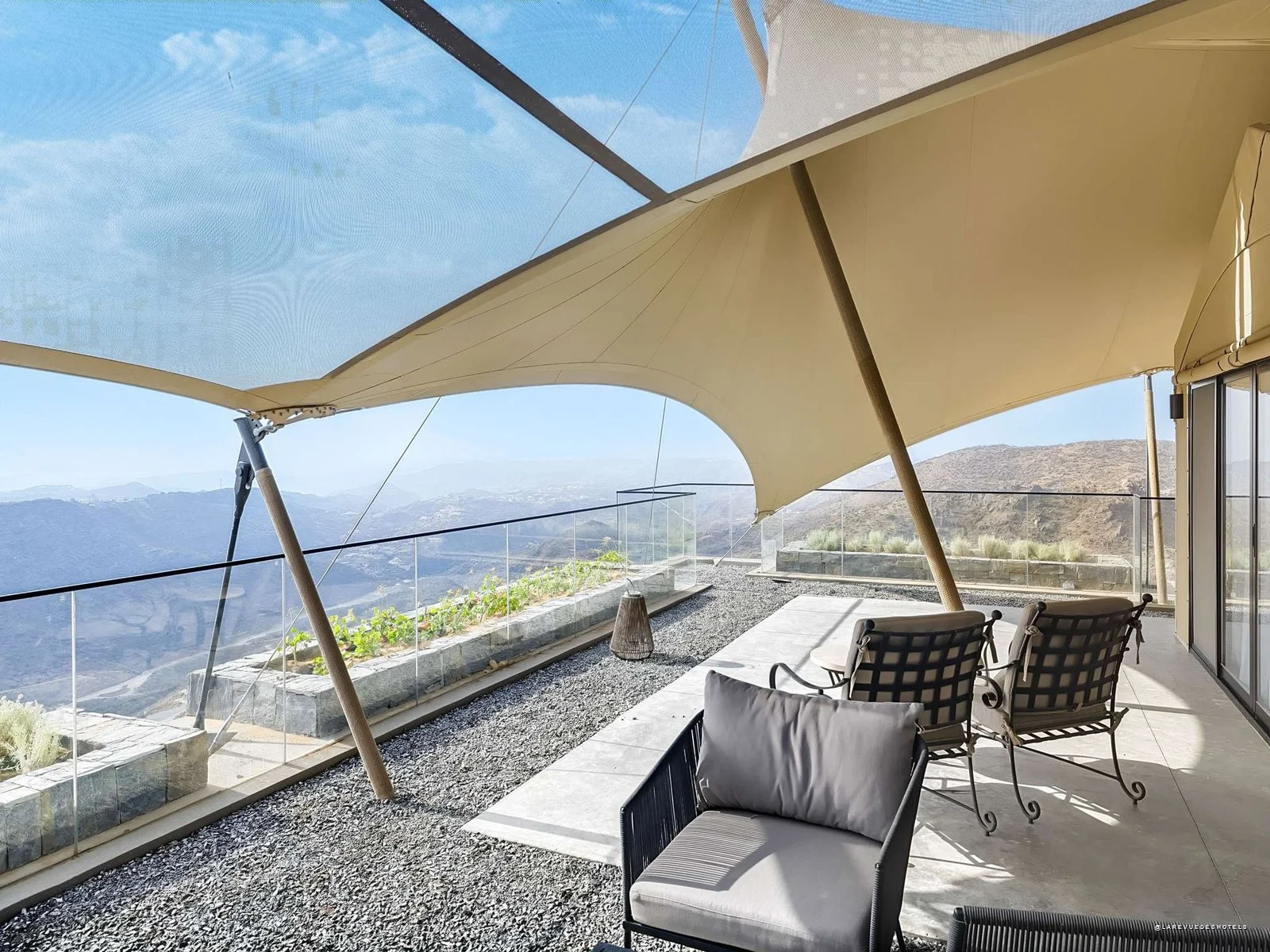

- ✨ First Saudi property for Mantis · Accor’s conservation brand opens its first address in the Kingdom, in Al Baha
- ⛰️ 2,260 metres altitude · thirty tented suites spread over 22,000 m², on the slopes of Mount Khairah
- 🏛️ Public mandate · the resort is developed by ASFAR, a wholly owned subsidiary of the Saudi sovereign wealth fund
- 🗓️ A second address to follow · Basiqat by Mantis is announced for Riyadh in early 2027
For the past five years, Saudi luxury hospitality has told its story at sea level. The Red Sea lagoons, the islands of AMAALA, the stilted villas of Triple Bay: the Kingdom has sold a coastline that no one knew. Gamra Mountain Resort by Mantis takes the exact opposite approach to this narrative by settling at 2,260 metres above sea level, on Mount Khairah, in the Al Baha province. This is the first address for Mantis, Accor’s conservation collection, in the country.
Contents
Thirty tents across 22,000 square metres, perched on a ridge
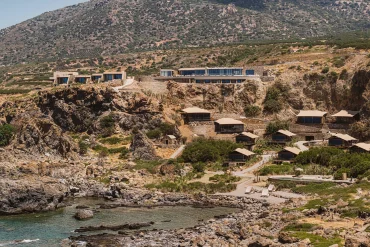
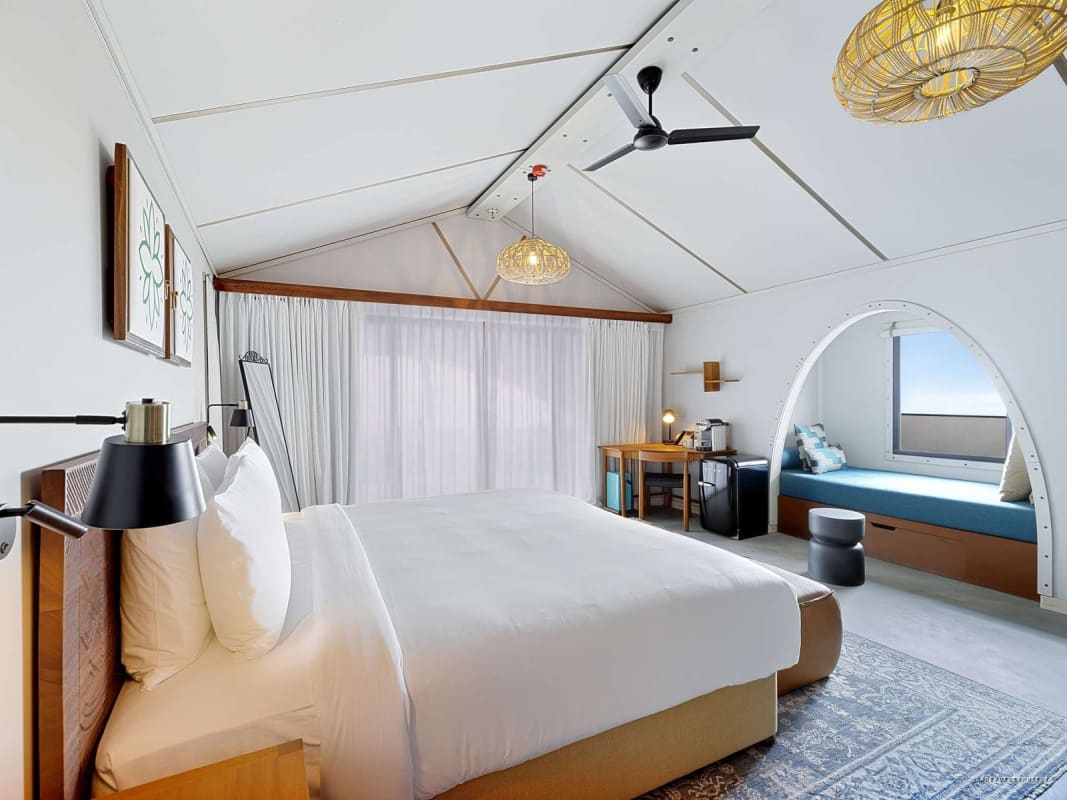
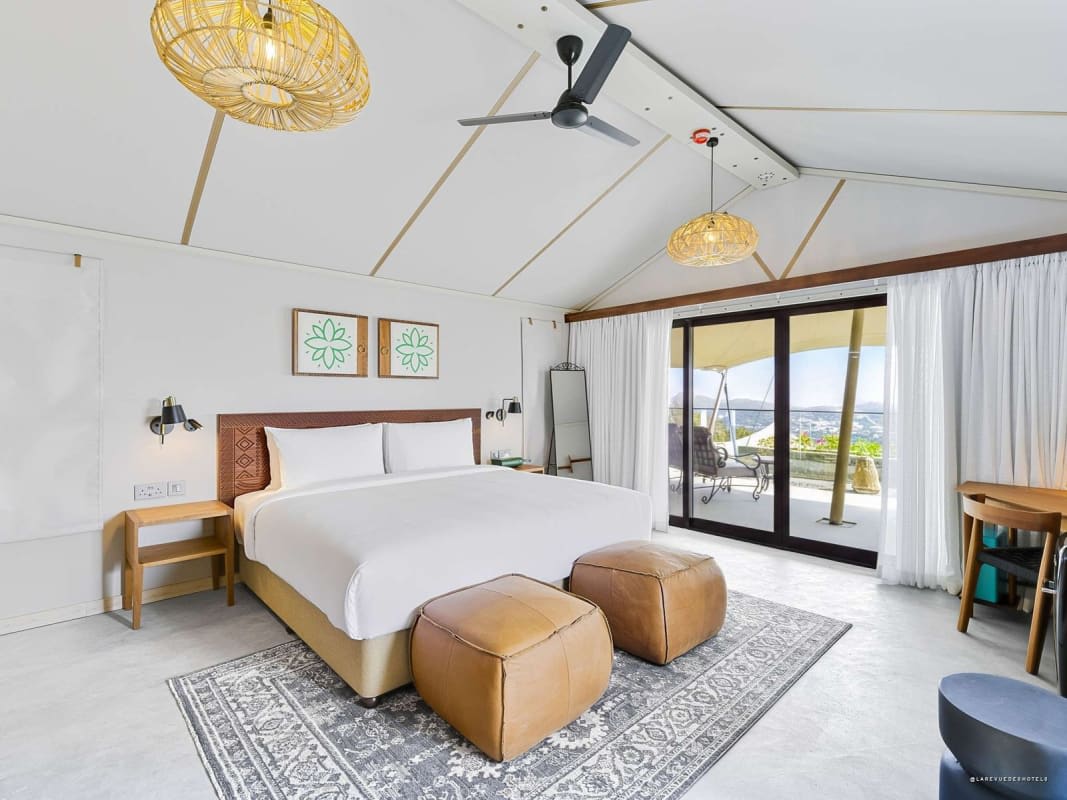
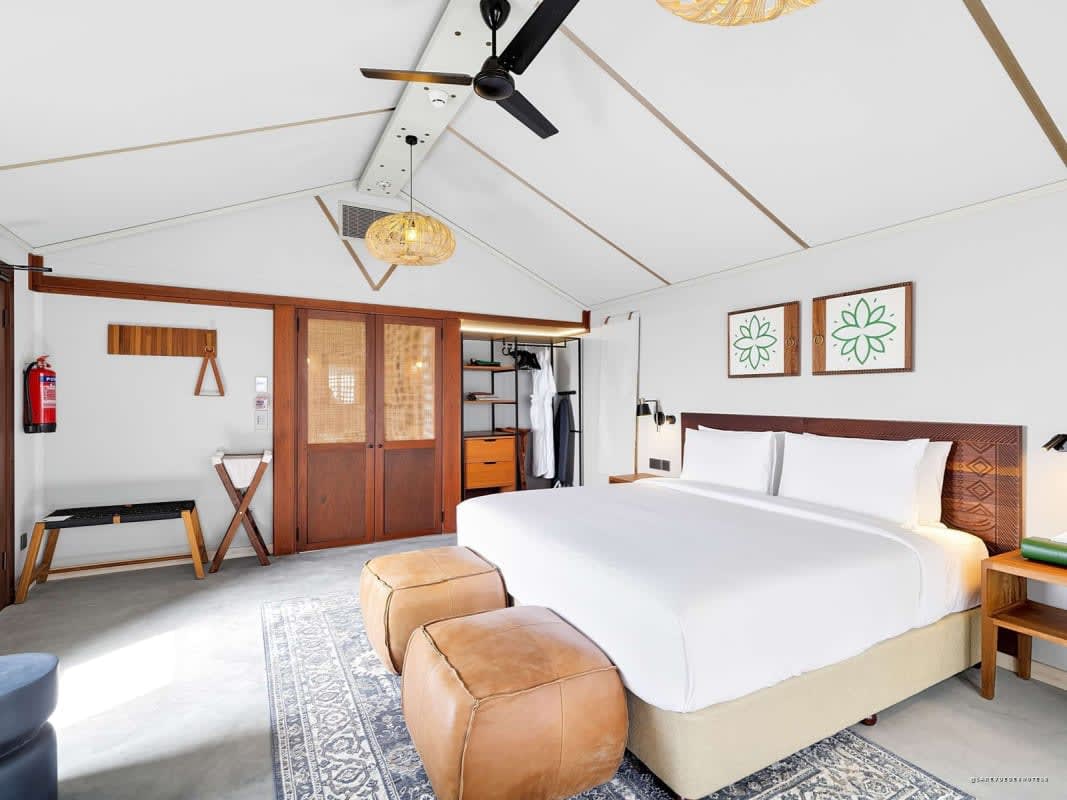
The estate covers 22,000 square metres and accommodates just thirty units, all tented suites. They are designed with full-height bay windows and positioned so that none overlooks its neighbour. Canvas is not used here as an atmospheric gimmick, but as a response to the terrain: you cannot concrete a ridge at 2,260 metres without disfiguring it, whereas a tensioned structure can be dismantled.
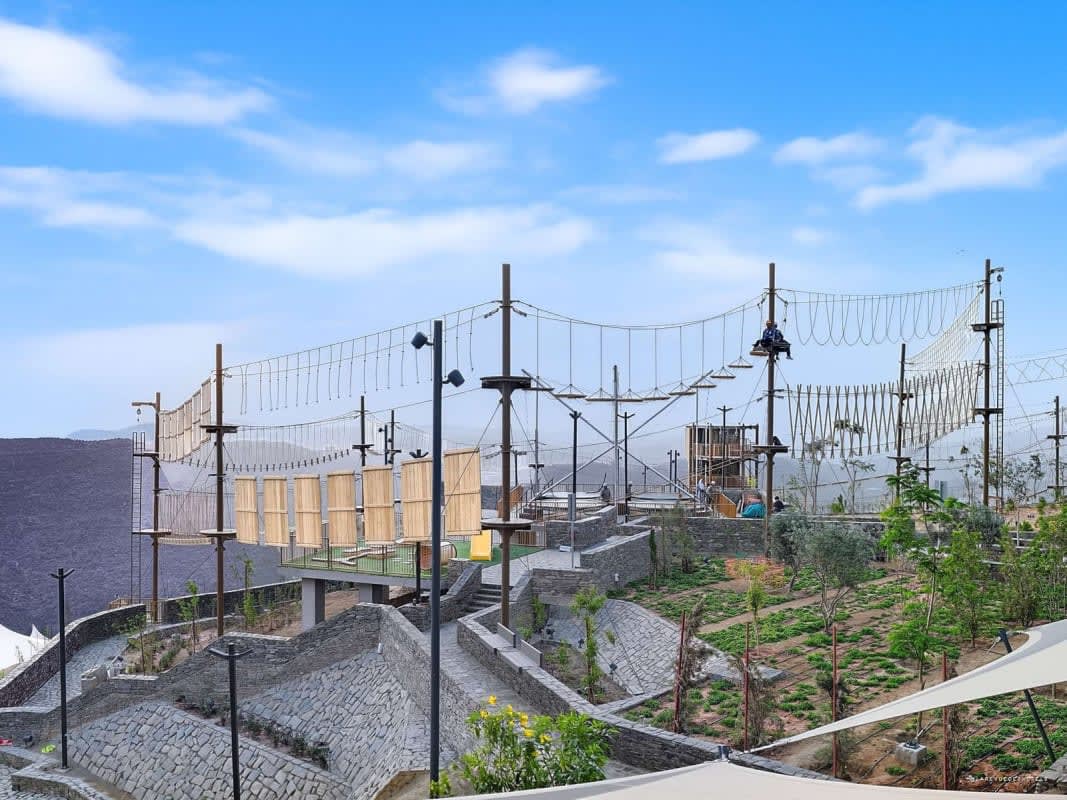
An adventure park featuring fourteen indoor and outdoor attractions is scheduled to open on the site soon. It serves as the backbone for the in-house wellness programme, named Estate of Be-ING, which resembles no other spa: no treatment menu, but walking, birdwatching, storytelling evenings and craft workshops led with local residents.

Al Baha, the garden of the Hijaz
The province is locally known as the garden of the Hijaz, and it well deserves the exception it represents. While the rest of the Kingdom offers desert plains, Al Baha boasts over a hundred juniper and acacia forests, terraced farmland, apricot and pomegranate orchards, and air that remains cool while Jeddah swelters. The resort introduces its guests to this geography rather than enclosing them: Raghadan forest, Khairah forest, Baljurashi National Park, Al Hamda waterfall, Bakhroush bin Allaas castle.
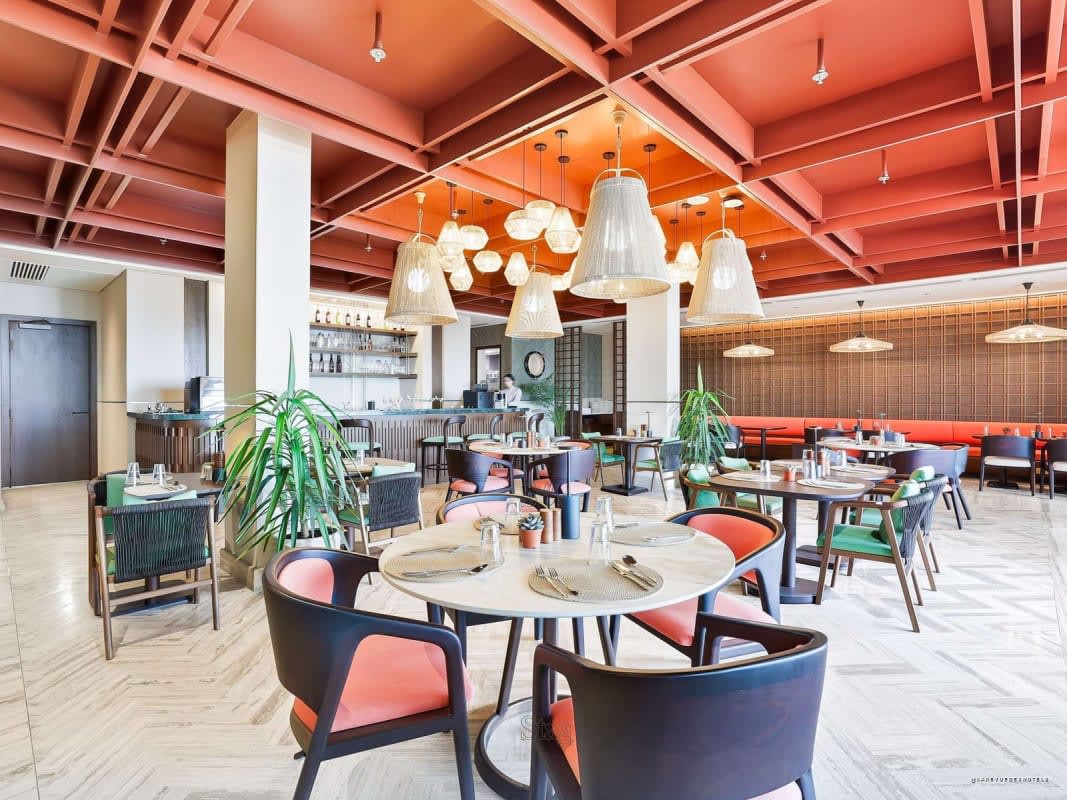
The two dining venues, Jamra and Hala, follow the same ethos. Arabic and Mediterranean cuisine by day, wood fire cooking by night, and sourcing that relies on what the province produces: local pomegranates, shadawi variety coffee, and honey from Al Baha’s beekeeping communities, a tradition that existed long before luxury hospitality arrived.
What the sovereign wealth fund is really funding
The developer is not a private investor but ASFAR, the Saudi Tourism Investment Company, 100% owned by the Public Investment Fund. Its mission can be summed up in a single sentence: to equip the Kingdom’s secondary destinations, those that are called neither Riyadh, nor Jeddah, nor the Red Sea. Gamra is therefore not a property development, it is a territorial development of thirty keys.
Craig Erasmus, Managing Director of Mantis Collection, puts it bluntly: hospitality must belong to its destination. And in the same breath, he announces the targeted clientele, which is neither European nor American: families, couples and activity seekers from the Kingdom and the Gulf. This is the essential difference from the Red Sea projects, calibrated for long-haul travellers. Here, the market is a four-hour drive from Jeddah.

Gamra is also the first of two Mantis addresses planned in the country. Basiqat by Mantis is scheduled to open in Riyadh in early 2027, giving the brand a foothold in the mountains and a foothold in the capital.
Our perspective
Thirty keys is modest, and that is precisely what makes the project credible. The most frequent criticism levelled at Saudi tourism is scale: programmes announced with tens of thousands of rooms on virgin sites. Gamra does the opposite, settling in a region that is already inhabited, already cultivated, and already visited by Saudis themselves during the summer.
The reservation lies in operation rather than concept. A canvas resort at 2,260 metres implies a winter season, winding supply logistics, and staff who need to be housed. That is where the promise will be judged, not on paper. Nonetheless, for a reader following the methodical opening of the Saudi coastline, Al Baha is the first genuine surprise in a long time.
La Revue des Hôtels does not sell any overnight stays.