
- In brief: Fifty days from Lisbon to Athens (Piraeus), until 7 November 2026.
- Forty destinations, twelve countries and forty-eight World Heritage sites.
- Overnight stays in port in Malaga, Livorno and Istanbul, to keep evenings ashore.
- Two evenings reserved for passengers, at the Uffizi Gallery and in a Byzantine cistern.
- 636 passengers for 415 crew members, aboard a ship renovated this year.
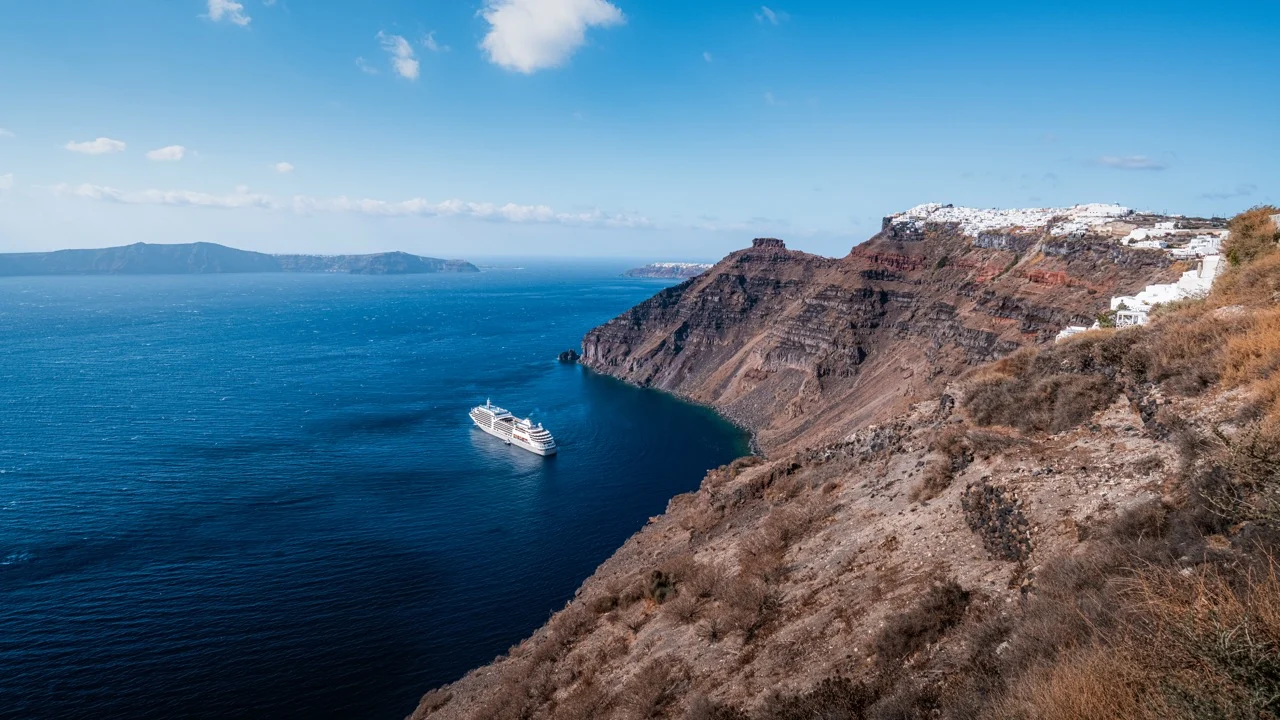
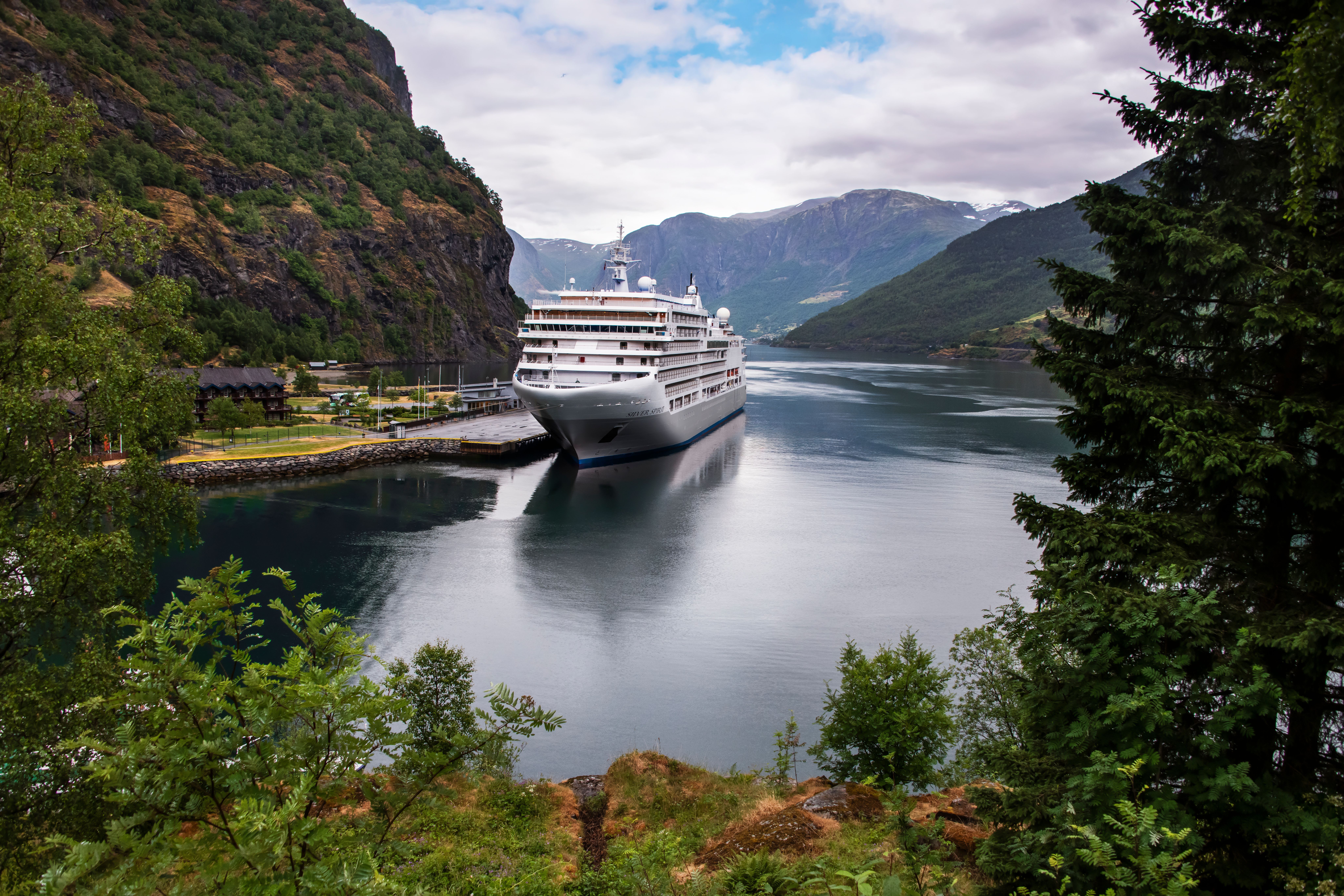
The Silver Spirit has left Lisbon to head for Athens. Between the two lie fifty days, forty ports of call, twelve countries and forty-eight UNESCO World Heritage sites. Silversea’s 2026 Mediterranean Grand Voyage concludes in Piraeus on 7 November.
Contents
Fifty days, twelve countries, a single ticket
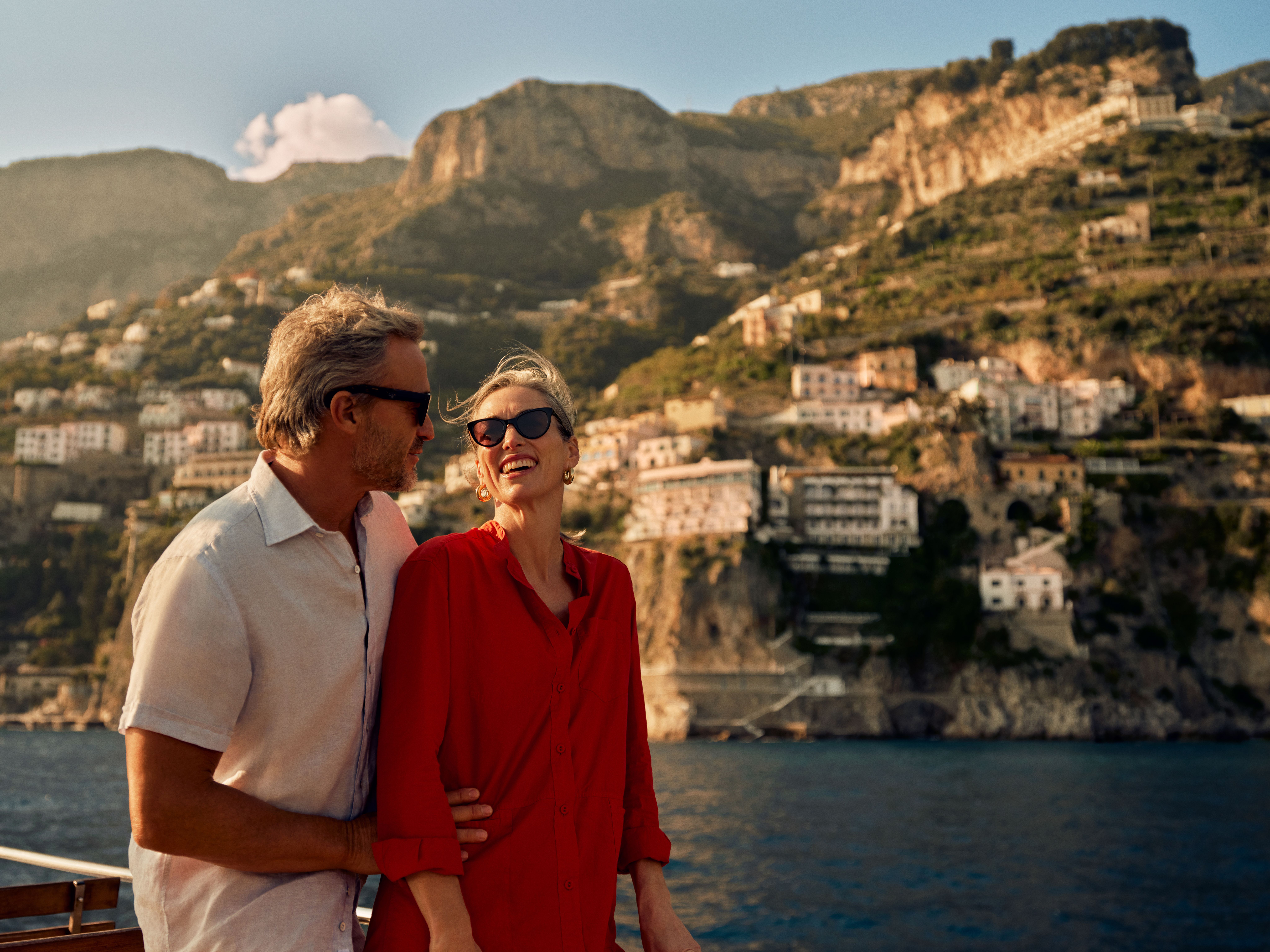
The itinerary fits into a single sentence and requires two months to experience: the Atlantic coast of Portugal, the Moroccan coastline, Spain, France, Italy, the Dalmatian coast, Greece and the Bosphorus. Alongside expected ports of call · Istanbul, Dubrovnik, Casablanca, Barcelona · are significantly less frequented ports: Volos, Gythion, Kotor, Amalfi. The appeal of a Grand Voyage lies less in the list of ports than in what the duration allows.
The route is divided into five sections, from Lisbon to Barcelona, then on to Civitavecchia for Rome, from Rome to Fusina for Venice, from Venice to Athens, and finally an Aegean loop via Mykonos, Thessaloniki, Rhodes and Santorini. Each has its own character, and the crossing changes in nature as one progresses eastward.
“Silversea’s Grand Voyages are designed so that guests can immerse themselves more deeply in each destination,” summarises Bert Hernandez, President of Silversea, who highlights a private evening in an Istanbul cistern and a visit to Florence away from the crowds.
◆ The Silver Spirit and the Mediterranean
Three nights in port, and what it changes
Malaga, Livorno and Istanbul are visited with an overnight stay in port. The detail may seem minor, yet it dictates everything else. On this type of itinerary, a ship docks in the morning and departs in the late afternoon: dinner, nightfall and neighbourhoods that only come alive after museums close remain out of reach. An overnight stay in port transforms a port of call into a proper stay.
This is also what makes the two longest excursions of the journey possible, one lasting two days to Florence, the other in Istanbul after the sites have closed.
The Uffizi after closing time
From Livorno, the programme leads first to Pisa, on the Piazza dei Miracoli, then to Florence, with lunch overlooking the city from Piazzale Michelangelo. The Uffizi Gallery then opens outside normal hours exclusively for passengers, prior to dinner at the St. Regis.
The following day continues on foot through Florence, with an afternoon reserved at Palazzo Pucci and an evening visit to the Galleria dell’Accademia. It is these negotiated accesses, far more than the number of ports of call, that distinguish a Grand Voyage from an ordinary cruise · no independent traveller can obtain them alone.
A 5th-century cistern for an evening
In Istanbul, the evening is held in the Şerefiye Cistern, built in the 5th century during the reign of Theodosius II. Its marble columns and vaults have endured for over sixteen centuries. Passengers dine there to music in a setting that the public usually visits by day in queues.
◆ On board: suites, dining and decks
What the Silver Spirit gained in 2026
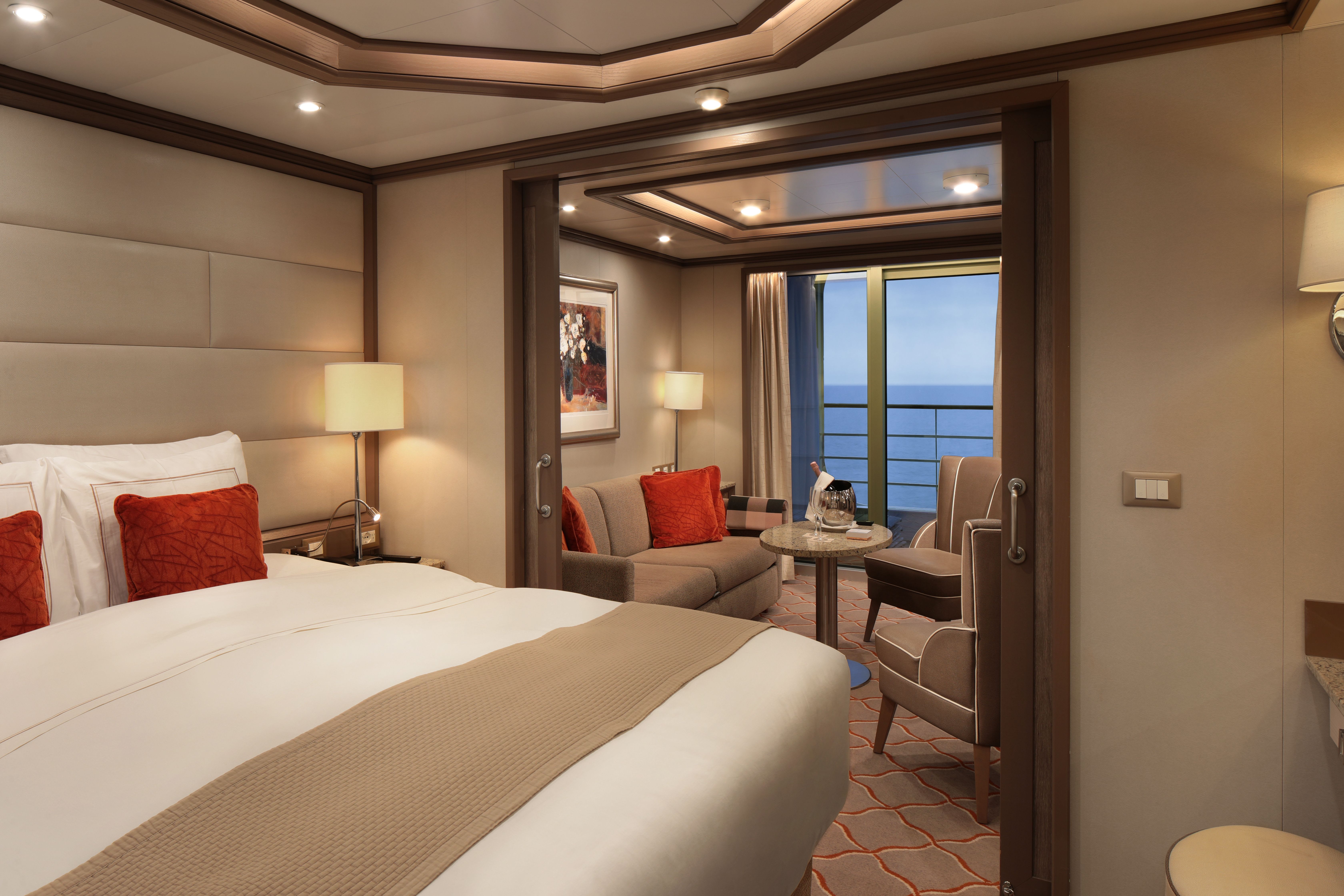
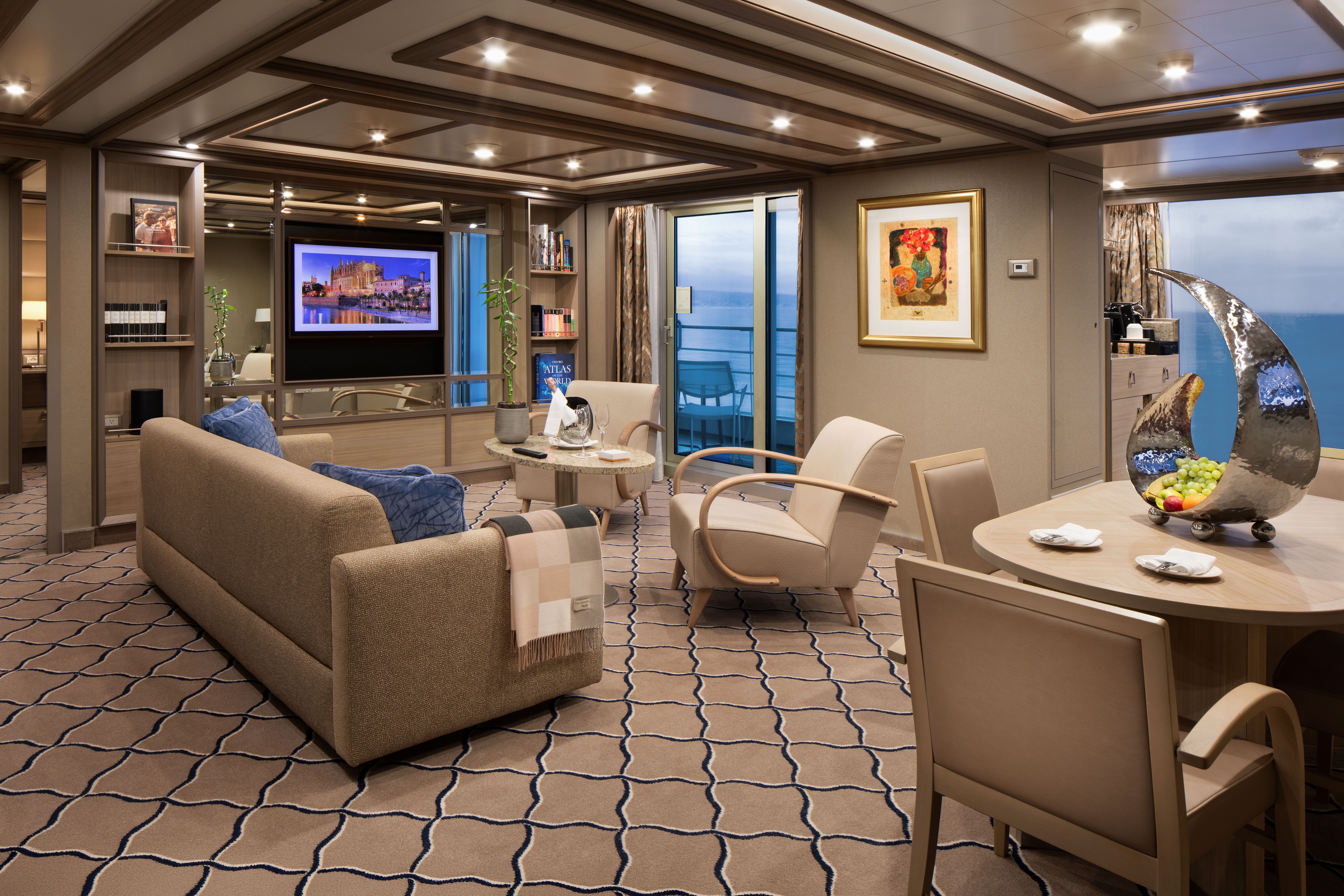
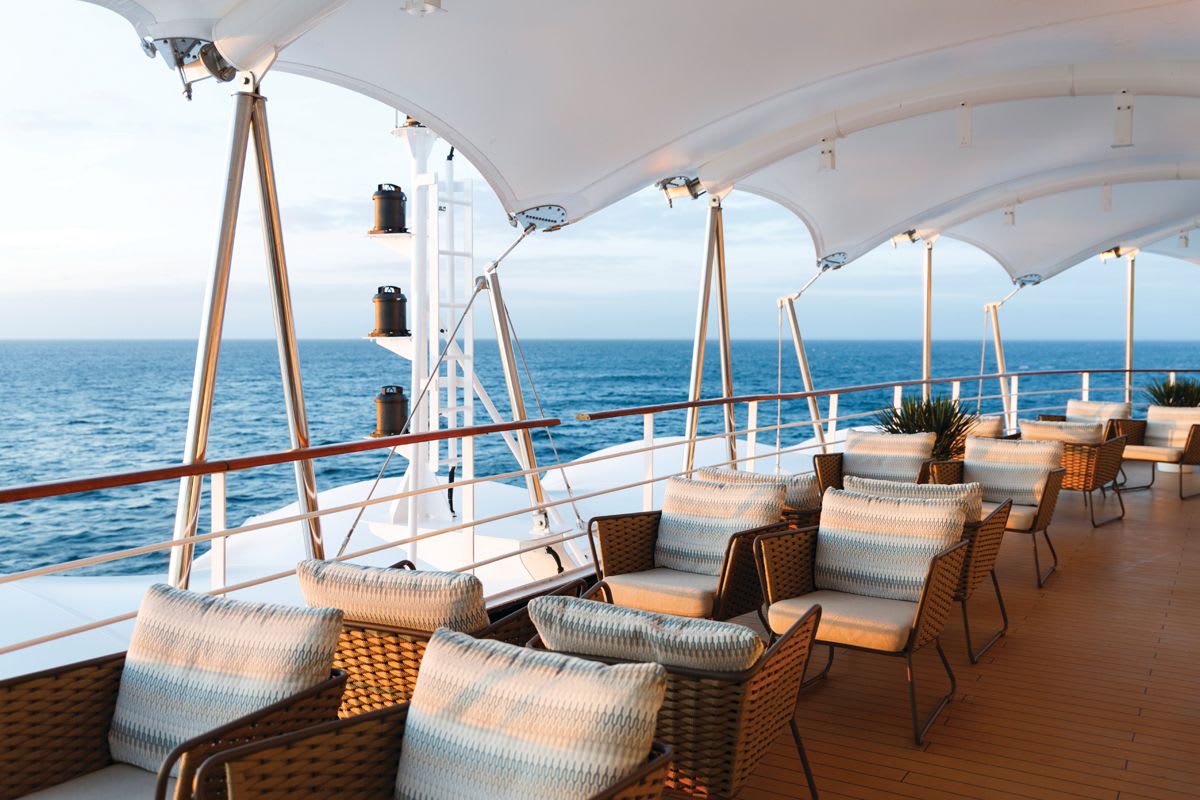
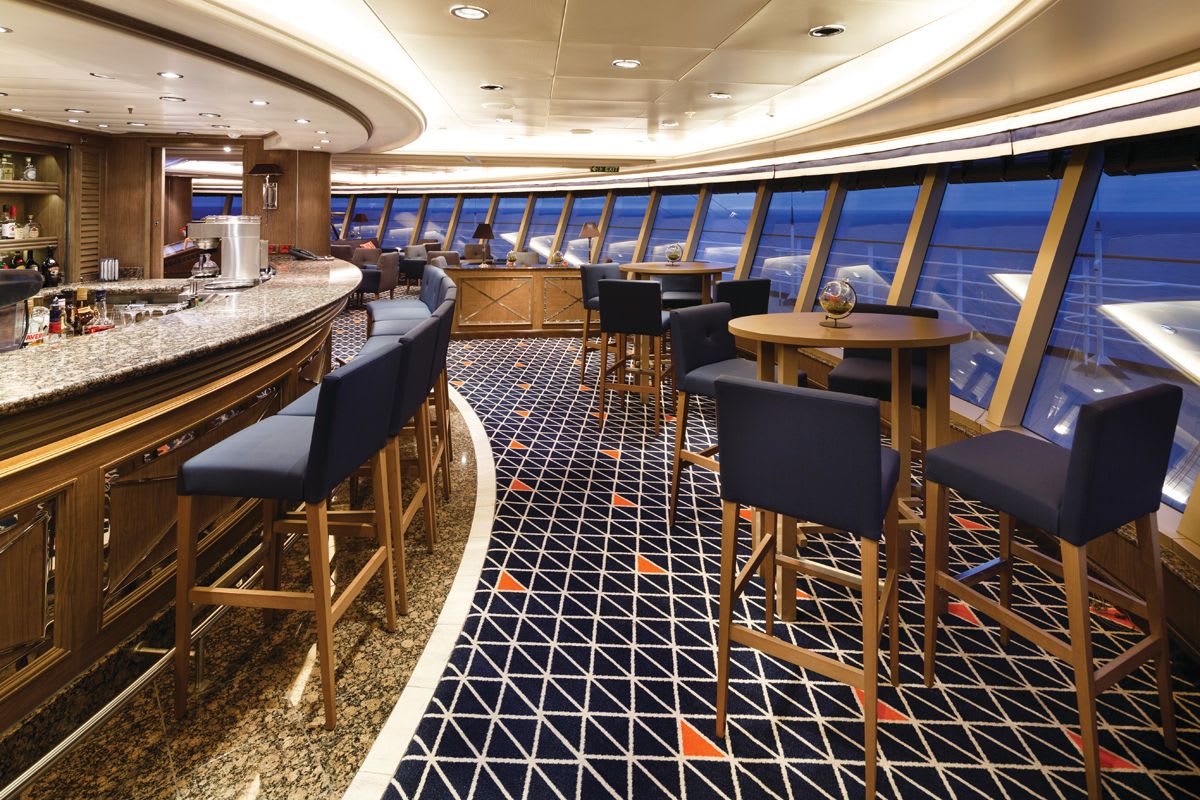
The ship emerged from a renovation before setting off on this departure: reimagined public spaces, refreshed interiors, new dining venues. The S.A.L.T. culinary programme, standing for Sea And Land Taste, occupies three venues there · a restaurant whose menu follows the ports of call, a bar whose cocktails feature local spirits, and a laboratory where passengers cook using the techniques of the country visited.
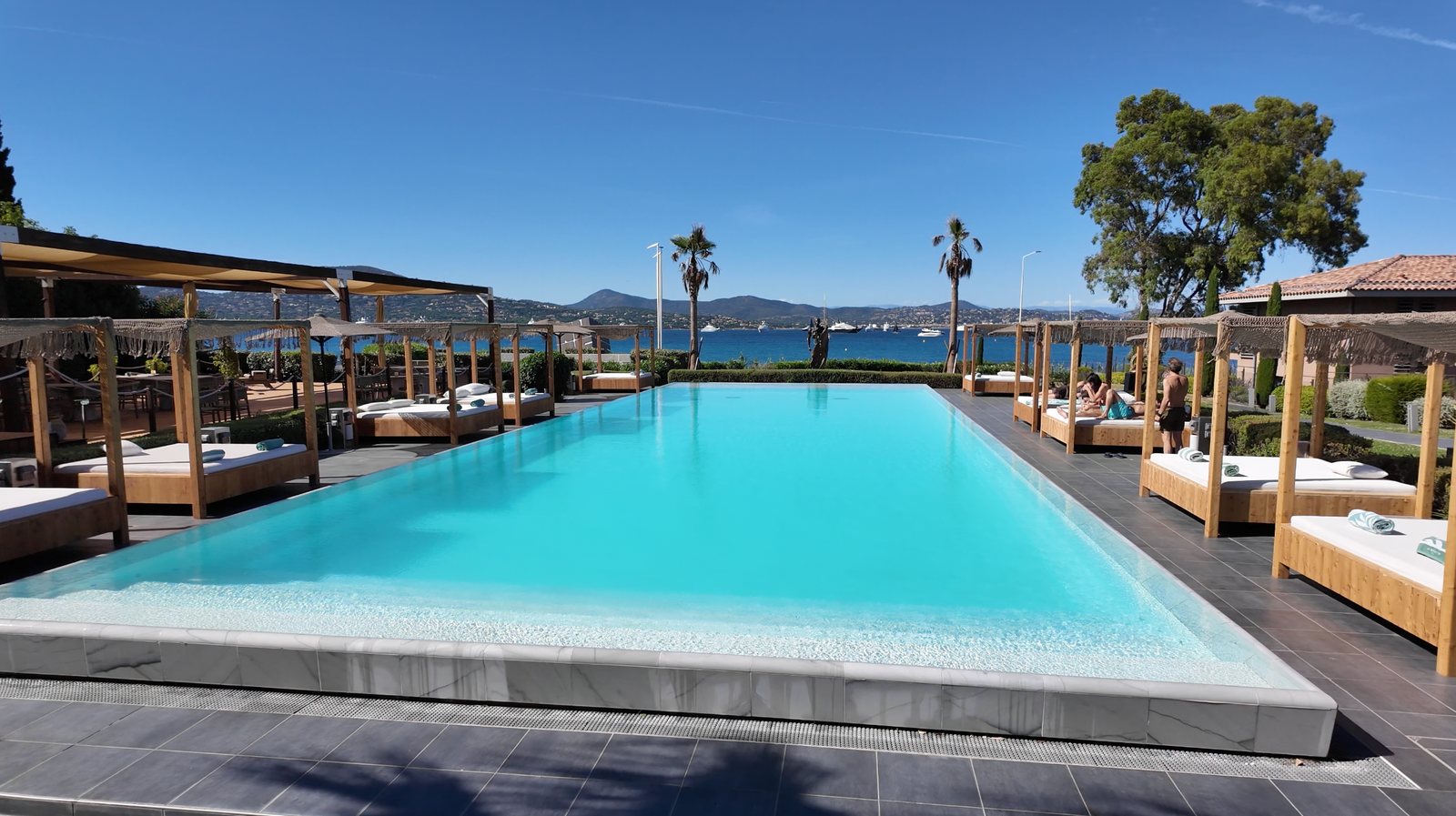
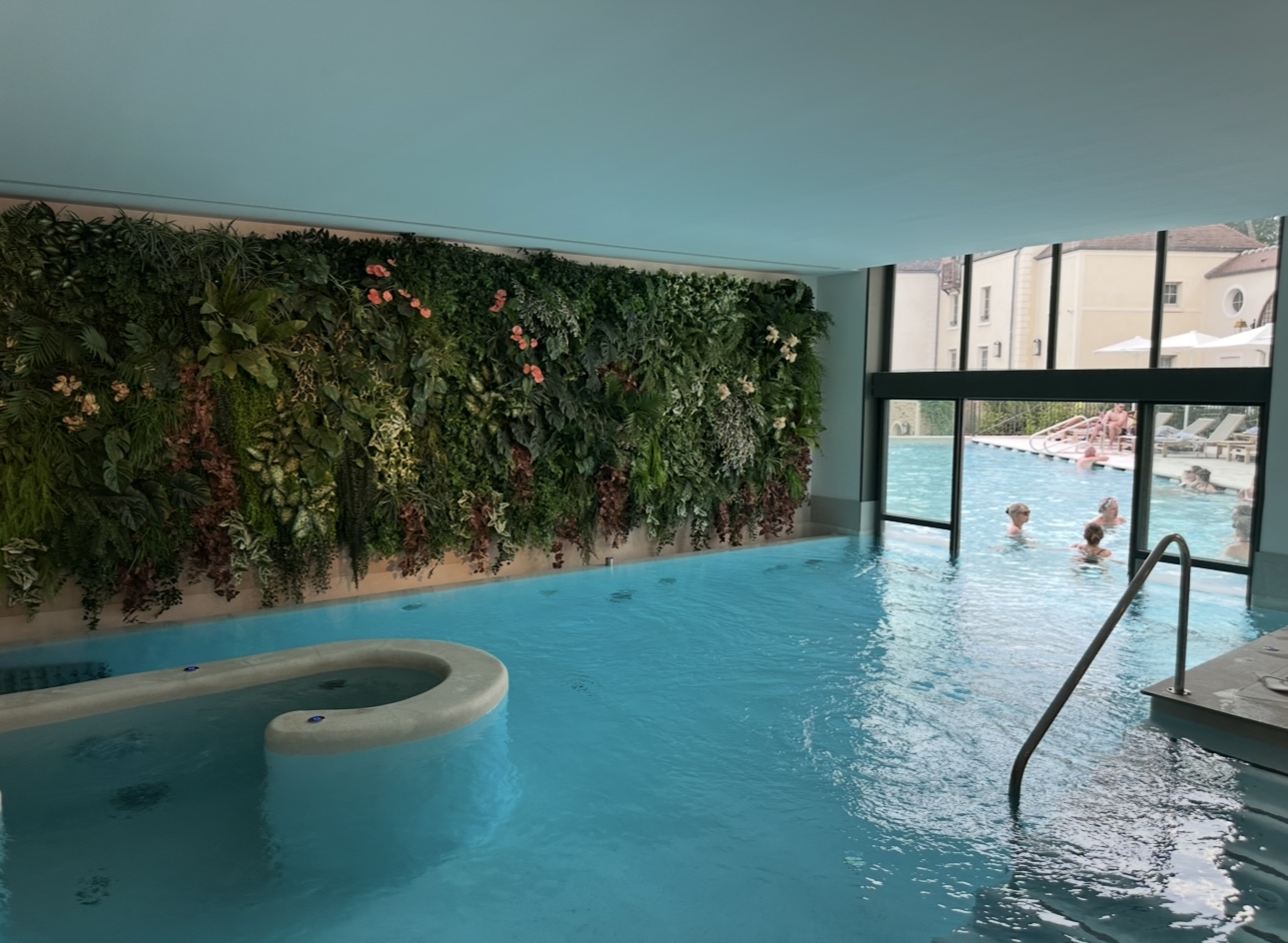
The most visible new addition is called Riviera, an open-air space near the pool inspired by the golden age of Mediterranean travel, serving seaside cuisine. In terms of figures, the Silver Spirit accommodates 636 passengers for 415 crew members, measures 39,519 gross tonnage and has been sailing since 2009.
![Queen bed in a modern hotel room with white pillows and beige bedding, illuminated by wall lamps above.”] ,](https://larevuedeshotels.com/wp-content/uploads/2026/07/hotels-dans-le-ciel-avions-premiere-classe-chambre-100x100.jpg)
What a Grand Voyage truly costs
The price does not appear anywhere in the company’s communication, and yet it is the primary question. Two benchmarks help place it in context. The 2027 Grand Mediterranean, sixty days from Lisbon to Lisbon aboard the Silver Dawn, starts at 38,200 euros per person, on a fare including all extras. The cruise immediately following this Grand Voyage, fifteen days from Athens to Lisbon on the Silver Spirit from 7 to 22 November, is announced at 8,500 euros, reduced to 7,500 euros through a current offer.
In both cases, the day on board costs between 500 and 650 euros per person, excluding flights and land extensions. The format is therefore not aimed at the traveller seeking to see twelve countries at the best price, but rather at the one willing to pay for time itself.
Upcoming Grand Voyages
The company has already scheduled what follows: the 2027 Grand Mediterranean on the Silver Dawn, from 28 September to 27 November, followed by three sailings in 2028 · a new Mediterranean loop, a fifty-one-day Grand Asia on the Silver Muse, and a Grand South America on the Silver Ray.
Our perspective
The Grand Voyage sells time rather than kilometres, and that is its only serious justification. Forty ports of call in fifty days still amounts to one day and a few hours per port: the promise of immersion has its limits, and the forty-eight UNESCO sites serve as much as a sales pitch as a genuine experience.
What does hold true, however, are the three overnight stays in port and the two privatised evenings. A museum opened exclusively for you after closing time, a Byzantine cistern for a dinner: this is what a traveller cannot afford on their own, and what the fare truly purchases. The rest can be done ashore, more slowly and at a much lower cost.