

- 🗓️ Opening on 22 September 2026 · between Cancún and Playa del Carmen on the Riviera Maya
- 🌍 Kimpton’s first all-inclusive worldwide · IHG’s boutique brand shifts scale and model
- 🌿 137 hectares of nature reserve · the Tres Rios park, its freshwater rivers and its cenotes
- 💶 From 378 dollars a night · mangrove-view double queen suite · 422 dollars for king
Kimpton was built on the exact opposite of what it is launching on 22 September: small urban townhouses, around a hundred rooms, a dog allowed, a complimentary drink at the end of the day. Kimpton Tres Rios Riviera Maya is the brand’s first all-inclusive resort in the world, and it features 355 suites. The gap is worth pausing over.
Contents
Kimpton’s first all-inclusive features 355 suites
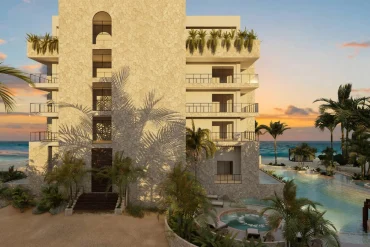
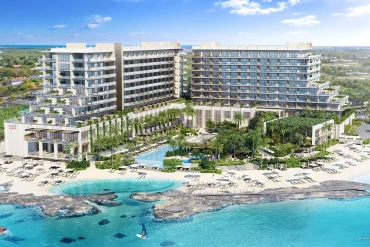
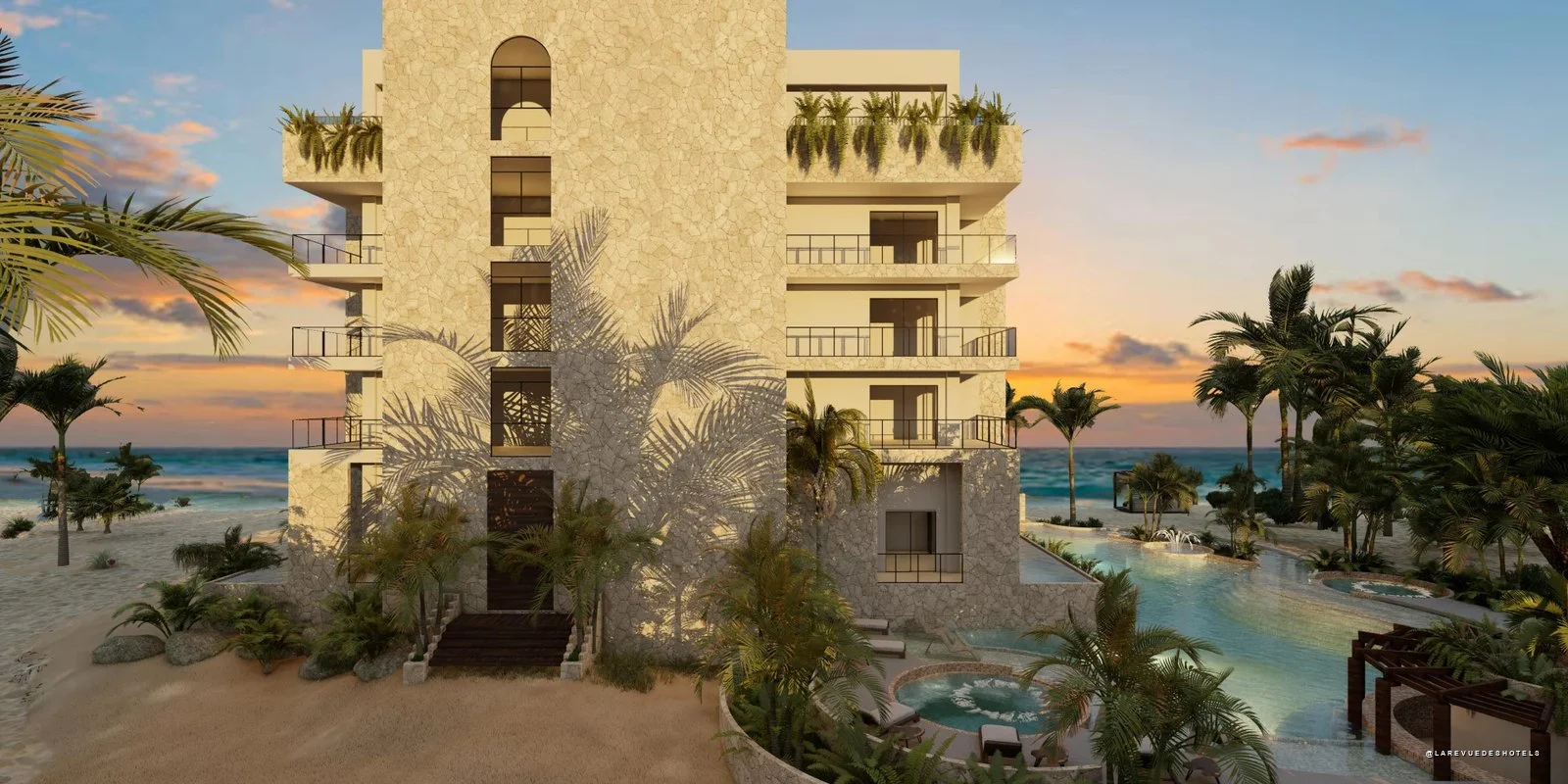
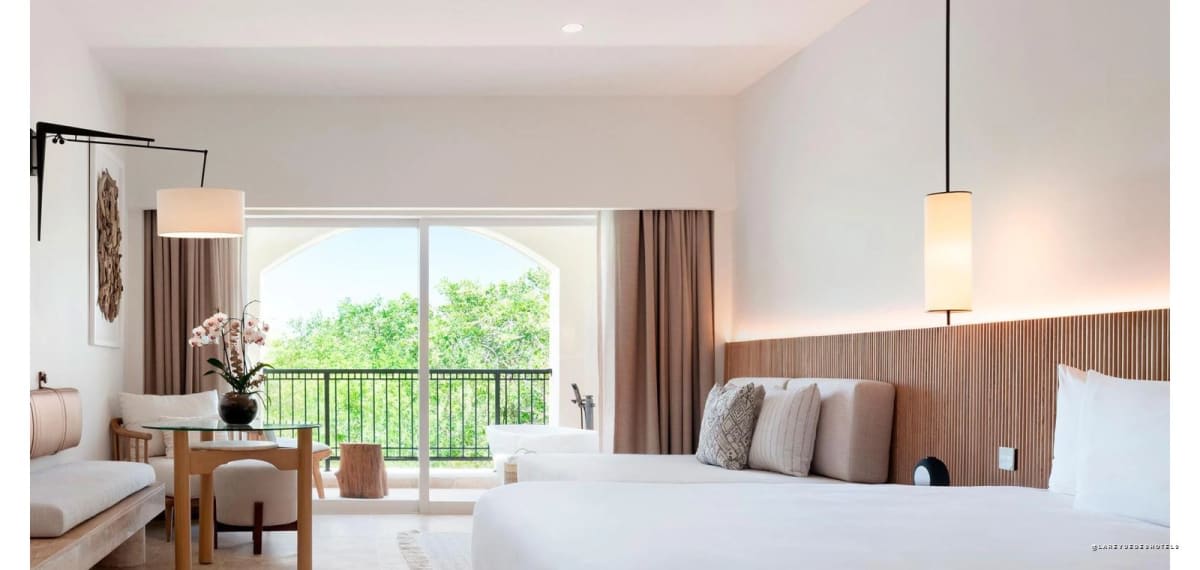
The property is opening between Cancún and Playa del Carmen on the Carretera Cancún-Tulum at kilometre 54.5. All 355 suites overlook the Caribbean Sea or the vegetation, each with a balcony or terrace. Certain categories add a private plunge pool or an outdoor bathtub, while adults-only areas include suites with direct pool access.
Starting rates are kept under 400 dollars: 378 dollars a night for a mangrove-view double queen suite, 422 dollars for the king equivalent. For an upscale all-inclusive positioned on the Riviera Maya, this level is aggressive, and it clearly indicates that the brand is chasing volume before margins.
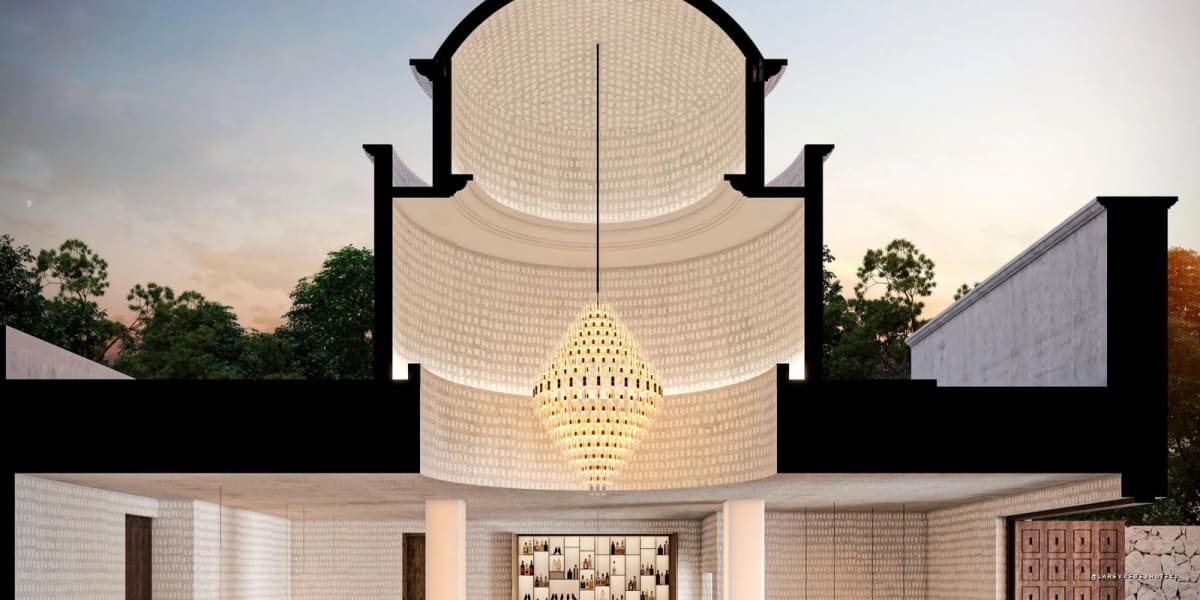
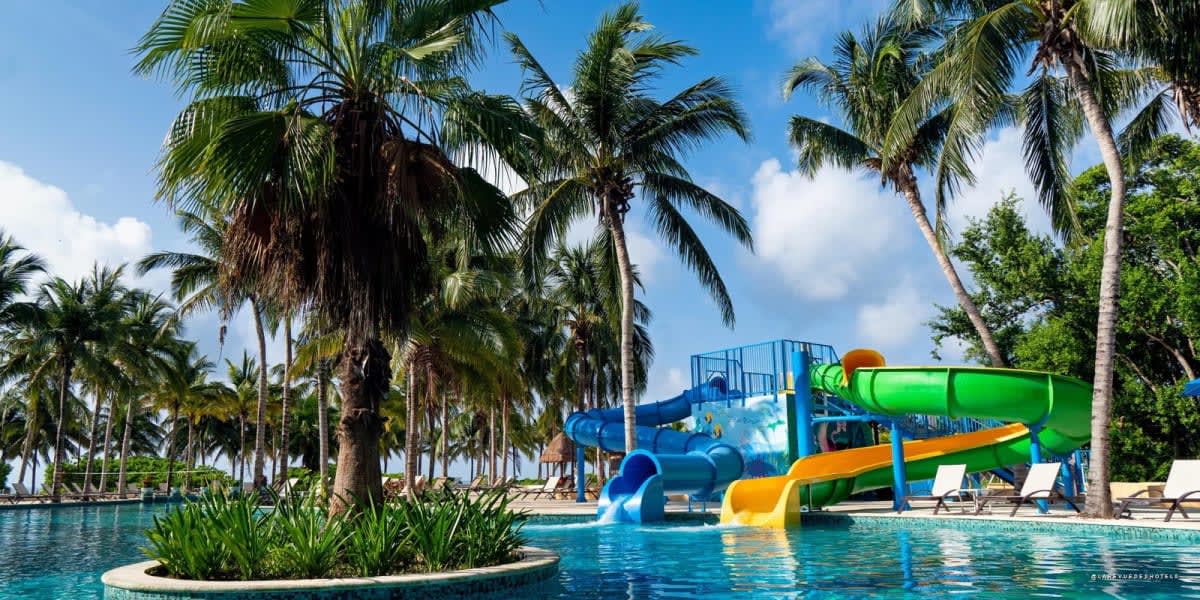
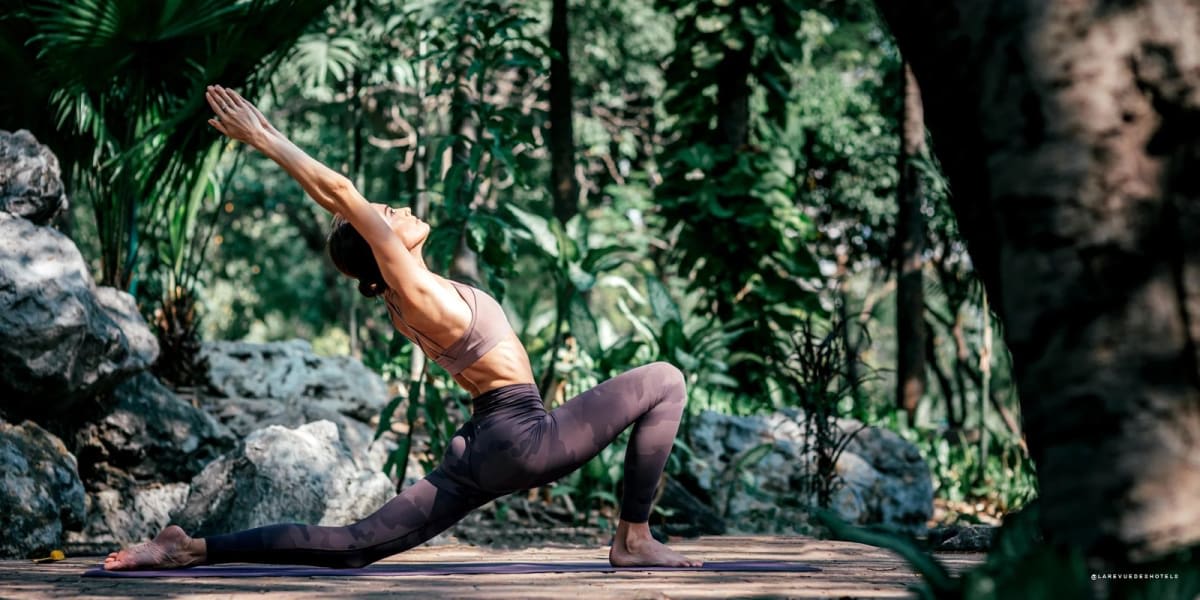
137 hectares of reserve: the argument that holds up the rest
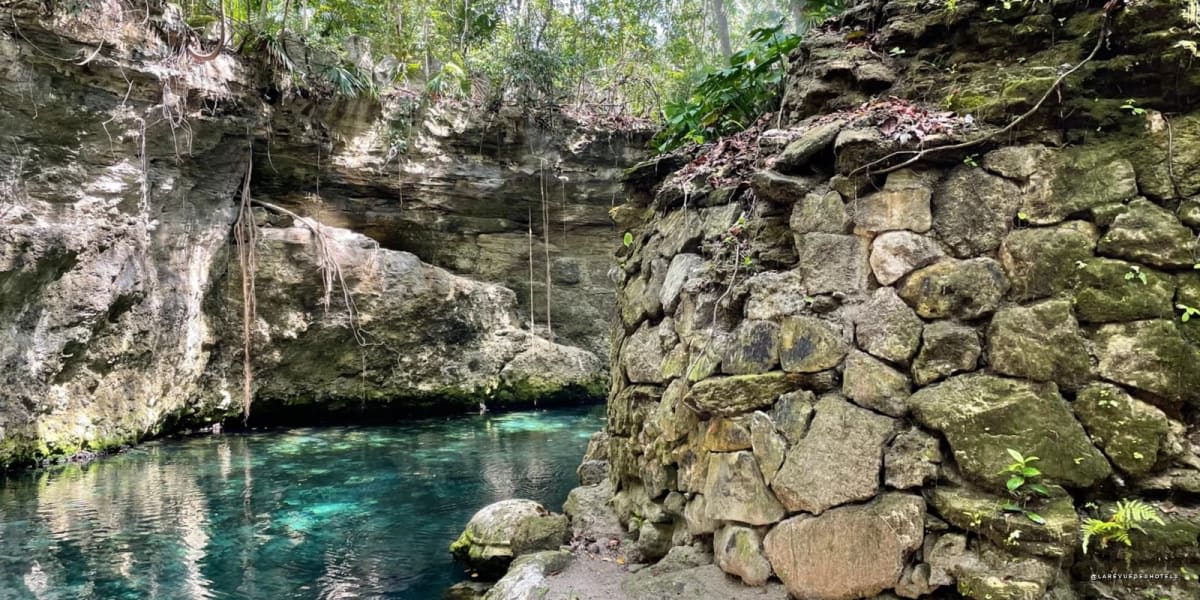
The resort does not border the Tres Rios nature park; it is inside it. The estate covers 340 acres, equivalent to some 137 hectares of mangroves, freshwater rivers and cenotes·those clear-water karst sinkholes that only the Yucatán Peninsula possesses in such density.
This is what distinguishes the address from the line of resorts aligned along the same road. An all-inclusive of 355 suites usually occupies around fifteen hectares; here, construction takes up only a fraction of the land, while the rest is explored on foot, by kayak or by swimming along paths and guided trails without motorised vehicles. The question to ask in two years will be that of carrying capacity: 355 full suites mean around eight hundred people treading daily on an environment that cannot regenerate itself.
Seven venues, five bars, and a dog allowed for 70 dollars
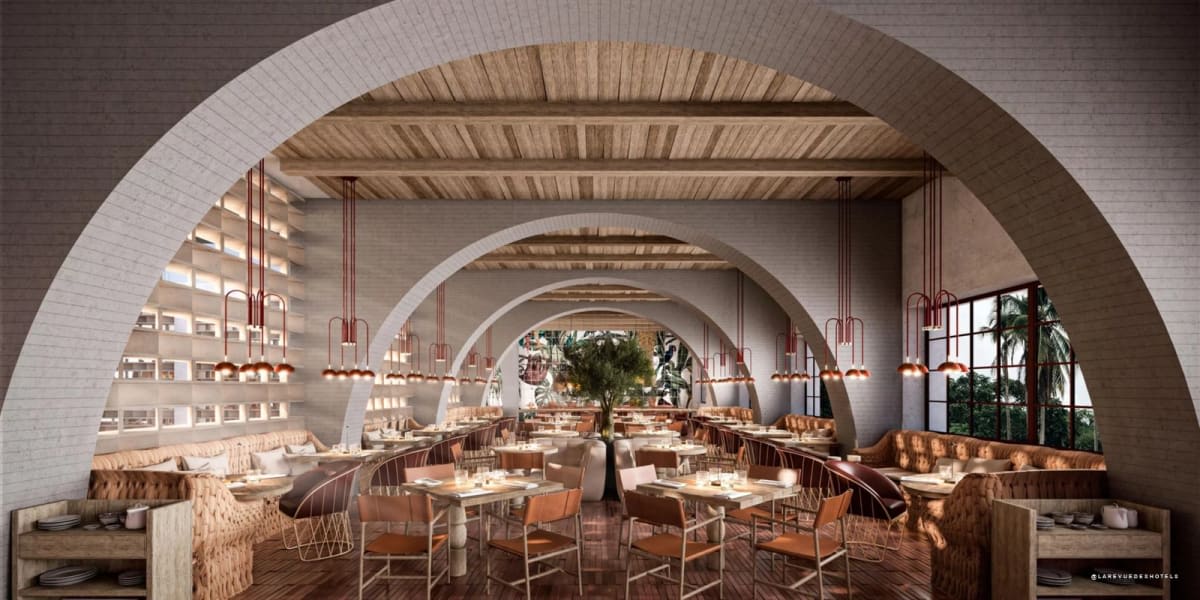
The culinary offering is the test by which an all-inclusive is judged, because that is where the model most frequently breaks down. Seven restaurants and five bars are included in the stay: Sabina for contemporary Mexican and its mezcal bar, Bacetto for Italian, Elaia for Mediterranean, Kotori for Asian, El Carnal for grills, and Café Casa for breaks. Seven distinct identities on the same estate is the threshold beyond which a week-long stay stops repeating itself.
The detail tying the address to its brand is found in a single line of the tariff grid: pets are welcome at 70 dollars a night. It is a Kimpton signature, and practically the only thing in the portfolio that does not look like a 355-key resort.

What this pivot toward upscale all-inclusive says
Kimpton is not alone in this move. Hyatt has launched Vivid in Punta Cana, Hilton and Marriott have acquired or launched their own all-inclusive brands, and established groups in the region are expanding their programming, much like the children’s workshops at Dreams resorts. All-inclusive has ceased to be the segment that lifestyle brands looked down upon.
The reason is financial: the model secures revenue before the guest’s arrival, smooths out seasonality, and incurs low acquisition costs. The trade-off is service that must remain personalised across volumes that are not. This is precisely where Kimpton is playing its credibility.
Our perspective
Mexico is the most crowded market in the Americas for this format, and the Riviera Maya concentrates its highest density. A brand arriving here with 355 suites and a name renowned for the exact opposite needs an argument that the others do not have.
It has one, and it measures 137 hectares. Tres Rios is the only all-inclusive on the coast that can promise a cenote without a tour bus, and it is an asset no competitor can build. It remains to be seen whether the service will deliver on the boutique promise at this scale: we will verify it on site, and our reference Mexican addresses have set a demanding bar.
La Revue des Hôtels does not sell any overnight stays.