
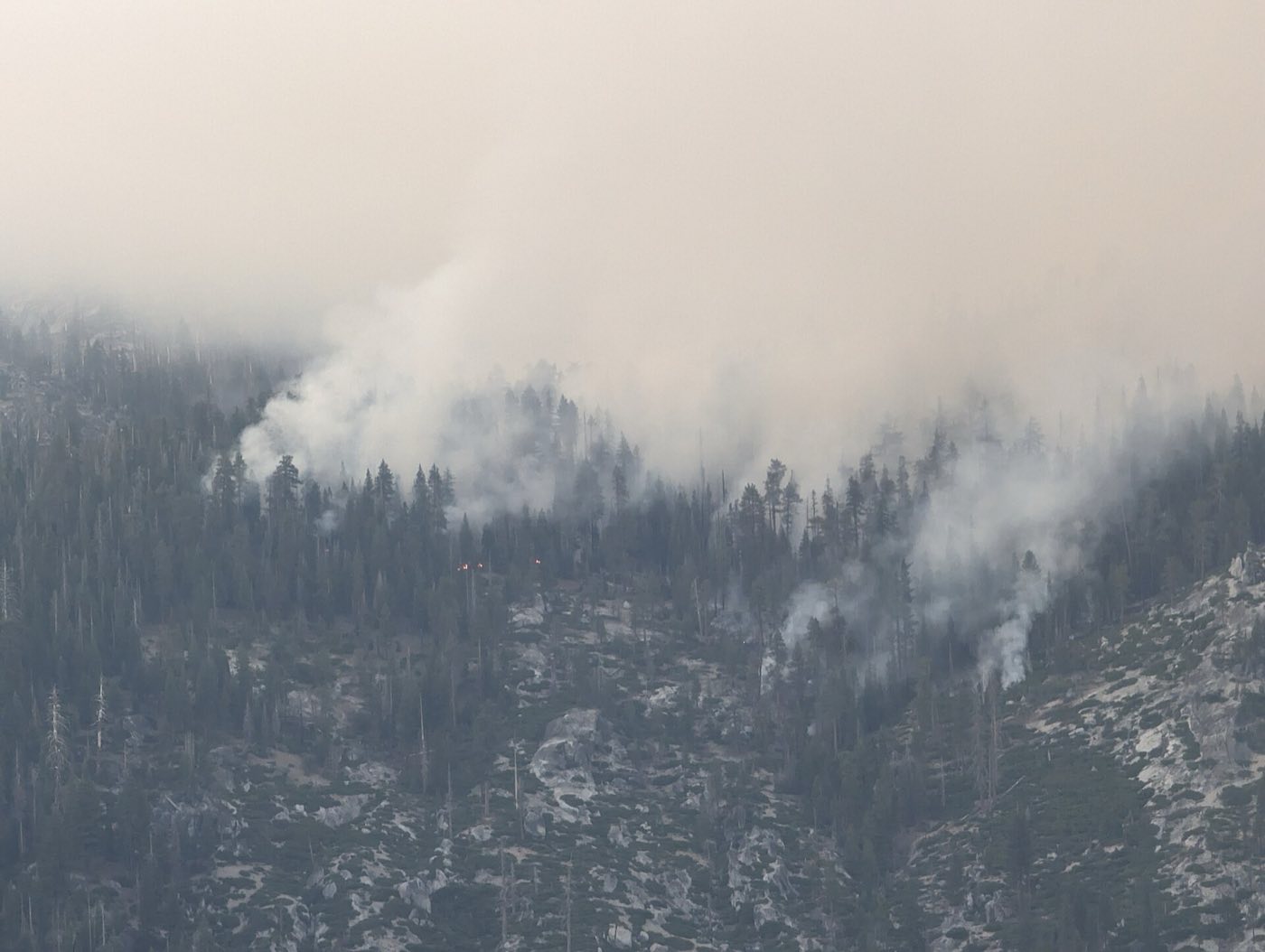

Since 22 July, wildfires of exceptional magnitude have been striking Gironde and Landes, with outbreaks also recorded in Var, Haute-Corse and as far as Fontainebleau. While evacuations affected nearly 250,000 people at the height of the crisis, hospitality professionals in the South-West are launching an appeal in early August not to desert their regions: the season can still be saved.
- The situation: major wildfires since 22 July in Gironde and Landes · approximately 220,000 people evacuated in Gironde, 30,000 in Landes, 4,150 firefighters deployed
- Hospitality: 45 campsites evacuated, around one hundred establishments surveyed in Cap-Ferret with only one destroyed · hotels in Bordeaux welcomed evacuees
- The appeal: the “Do not abandon us!” campaign by UMIH Gironde and Landes, launched on 3 August, invites holidaymakers to maintain their stays
- Assistance: deferral of URSSAF social security contributions, CPSTI emergency aid up to €2,000 (or €8,000 in the event of destruction), mobilisation of banks and social protection groups
“Do not abandon us”: the hoteliers’ appeal
Launched on 3 August by Franck Chaumès, President of UMIH Gironde, and Arthur Laborde, President of UMIH Landes, the “Do not abandon us!” campaign carries a simple message: “come and discover regions that have so much to offer”. Cafés, restaurants and hotels remain open in the overwhelming majority of municipalities, and “the finest way to support them is to choose these destinations”, insist the two presidents, who are calling on the media, tourism stakeholders and the public.
The spectre of 2022 looms over the profession: after the major fires of that summer, establishments in the Arcachon Bay suffered up to a 40% loss in turnover, even though most had sustained no direct damage. It is precisely this scenario of tourist abandonment as a precaution that the sector wants to prevent, right at the peak of the season.
A summer under strain, establishments on the front line
At the height of the crisis in late July, around 220,000 people were evacuated in Gironde and 30,000 in Landes, with 4,150 firefighters mobilised across the country, supported by 1,500 military personnel. Forty-five campsites were evacuated, twenty-four in Gironde and twenty-one in Landes. In Cap-Ferret, out of around a hundred cafés, hotels and restaurants surveyed, only a single establishment was destroyed: the business infrastructure remains intact, but bookings have faltered.
Solidarity was organised immediately: hotels in Bordeaux opened their doors to evacuees, while seasonal staff, sometimes notified by SMS to leave the premises urgently, ensured calm evacuations. “Human beings come first”, summarises Franck Chaumès.
Contribution deferrals, emergency aid: what is already in place
For affected professionals, several measures have been activated. URSSAF is granting the immediate deferral of social security contributions upon simple request, as well as a reduction in provisional contributions in the event of sluggish activity (process via secure messaging, under the subject “exceptional situation”, or by phone on 3957 for employers and 3698 for self-employed workers).

For its part, CPSTI is providing emergency aid of up to €2,000 for self-employed workers in evacuated zones forced to halt their activity, and up to €8,000 in the event of the destruction of business premises or residence, with applications processed within fifteen days (form on secu-independants.fr). The schemes cover Gironde, Landes, Var and Seine-et-Marne. Banks have announced support measures for affected clients, and social protection groups Klesia and Malakoff Humanis have activated dedicated solidarity aid for employees of affected cafés, hotels and restaurants.
Our view
As we wrote at the end of July in our initial update on the situation, the paradox of these crises is cruel: destinations suffer less from the flames than from the image they leave behind. Yet the facts speak for themselves: in Cap-Ferret, only one establishment out of a hundred was destroyed; everywhere else, businesses are open, teams are in place, and regions have never needed their visitors more. The end of the season in the South-West will be decided in August: it depends less on the fires than on the bookings that follow.