

Airbnb announced a distribution agreement on August 4, 2026, with Lark Hotels, an American boutique hotel operator, bringing over 75 properties to the platform. This marks a new milestone in the hotel strategy that the California-based company has been accelerating since spring, and another signal for independent hoteliers seeking alternative distribution channels.
- The agreement: announced on August 4, 2026, bringing over 75 Lark hotels to Airbnb
- The portfolio: Lark operates nearly 100 properties in the United States under the AWOL, Blind Tiger, and Bluebird brands
- Destinations: Stowe (Vermont), Asheville (North Carolina), Kennebunkport (Maine), Nantucket, and the Hamptons
- The strategy: in May, Airbnb announced its intention to bring “thousands of boutique hotels and independent hotels” to its platform this summer
Airbnb ramps up its focus on the hotel industry
Long confined to home-sharing between individuals, the platform is now fully embracing its pivot toward hotels. In May, it announced plans to welcome thousands of boutique hotels and independent properties over the summer, targeting “distinctive” locations with strong local roots and refined service. The agreement with Lark is the most concrete illustration of this strategy to date.
“This is a major step forward in our mission to help travelers discover places with soul, personality, and a real sense of place,” explains Lou Zameryka, Global Head of Hotel Partnerships at Airbnb, who praises “a reputation built on thoughtfully designed properties that break the mold and reflect the character of their destination.”
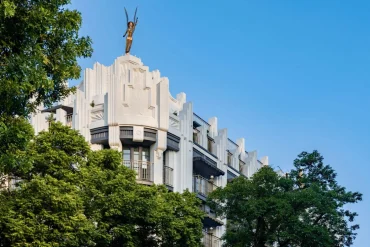
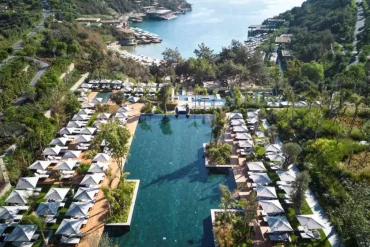
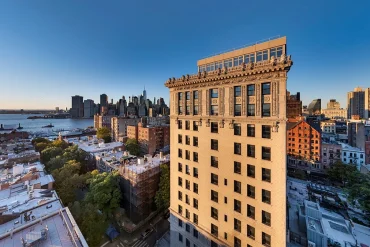
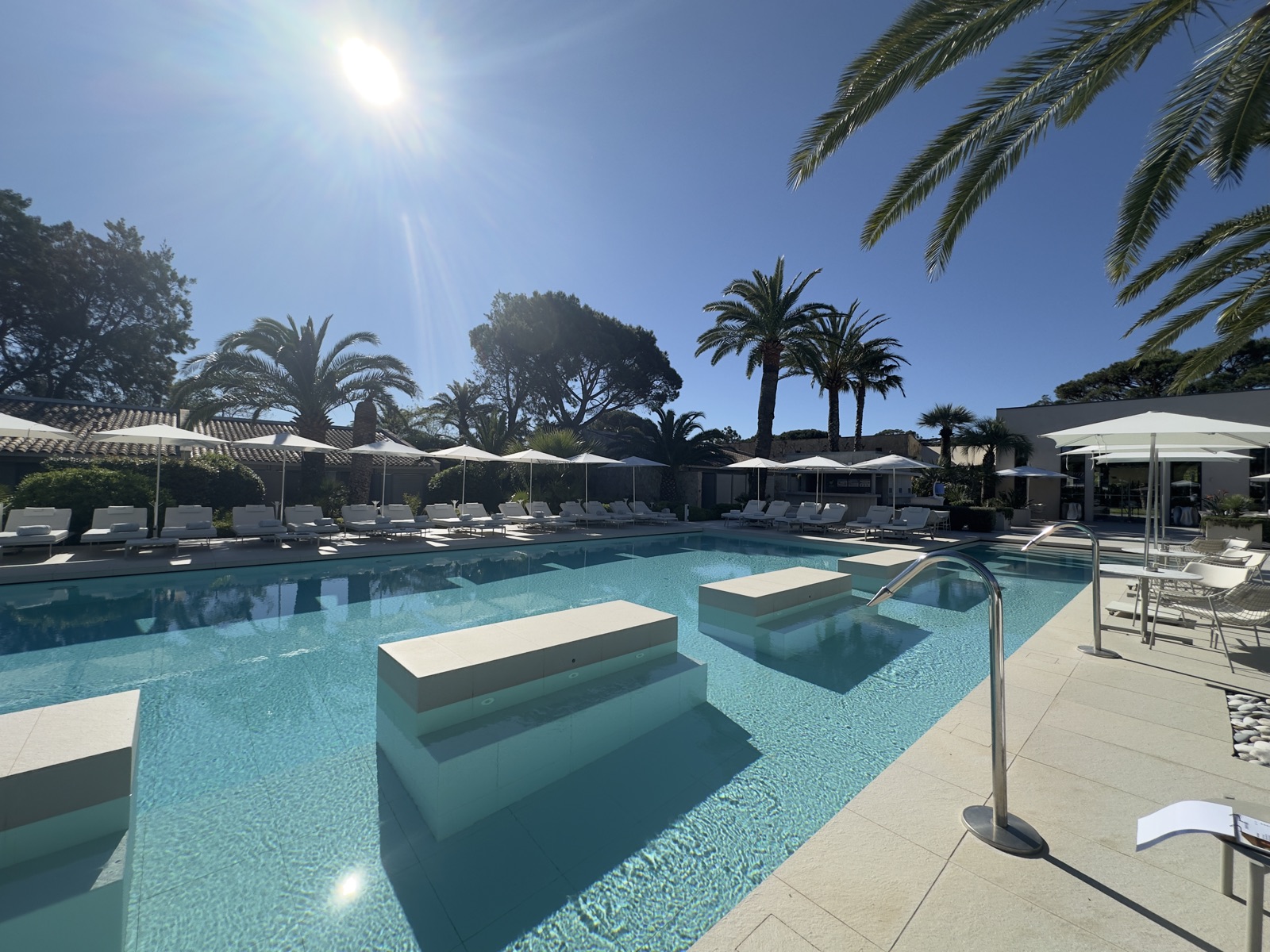
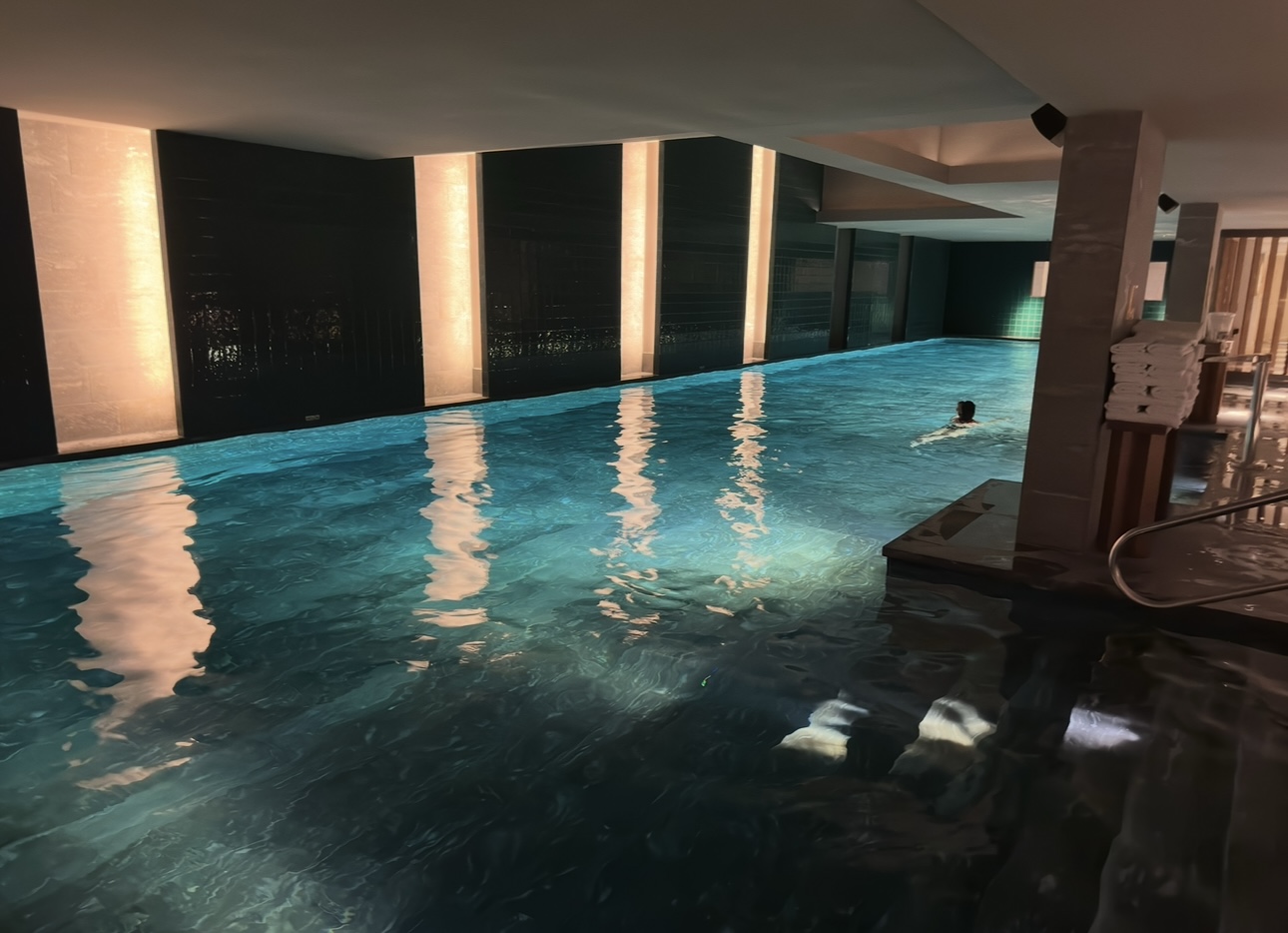
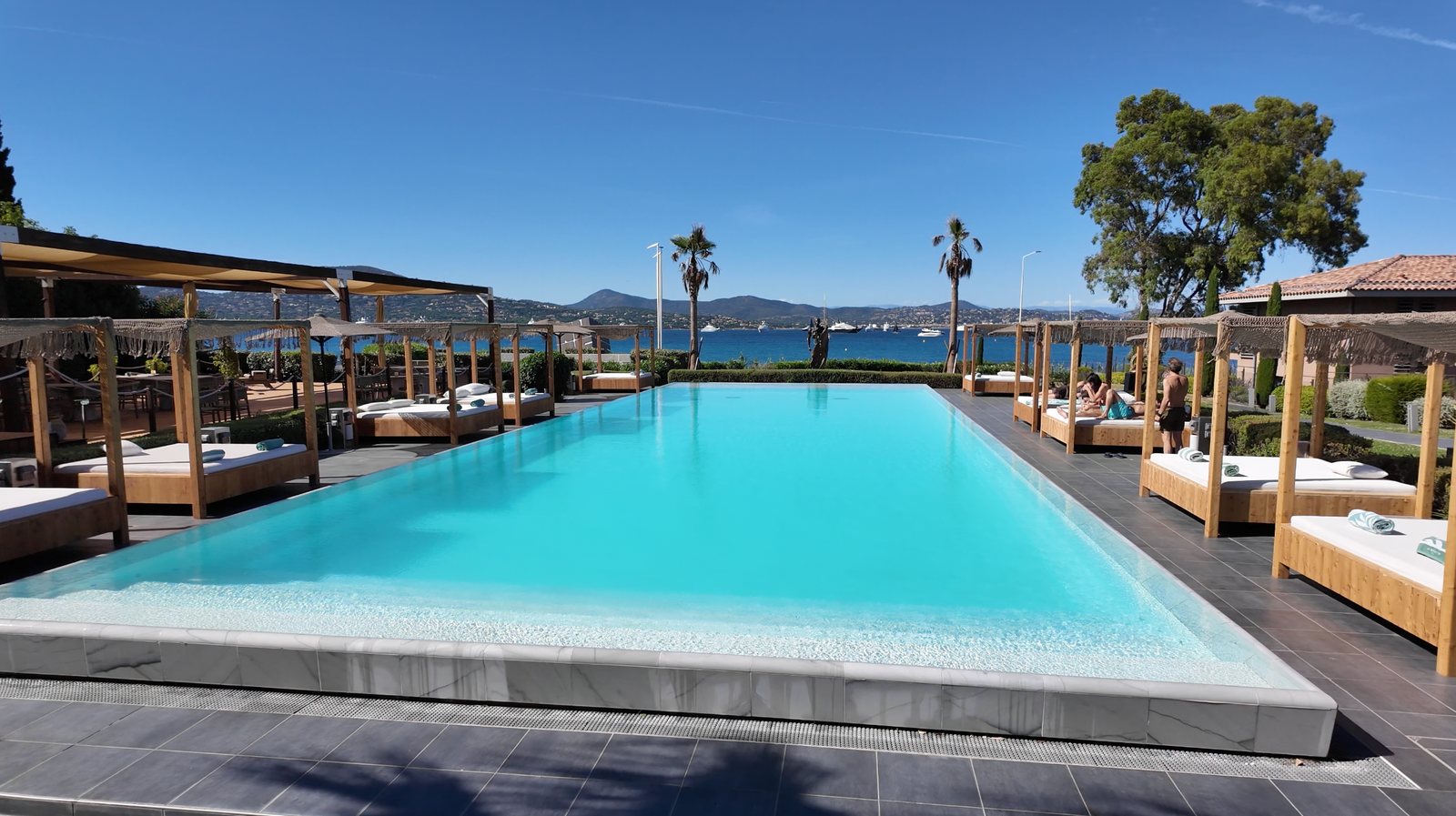
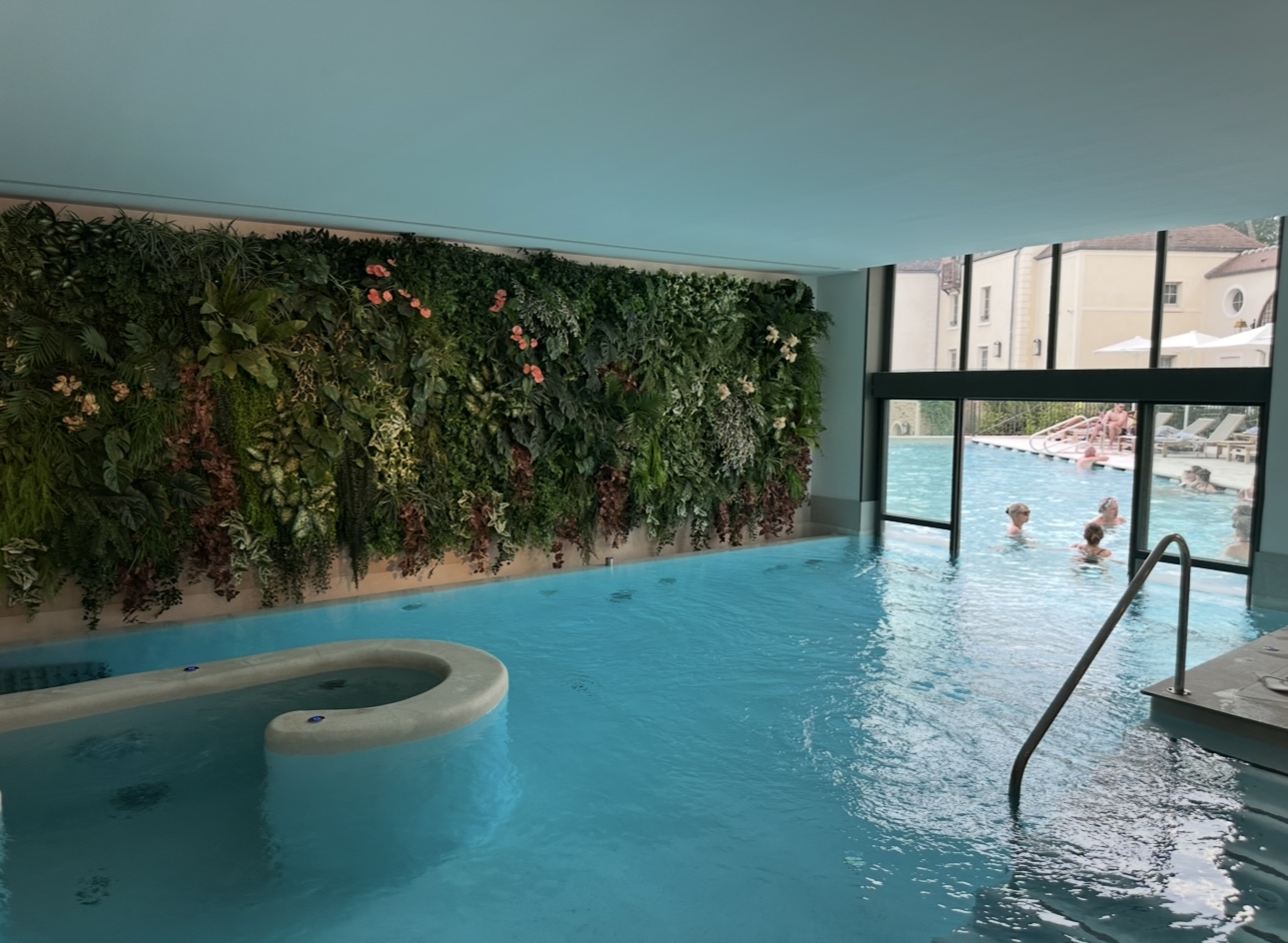
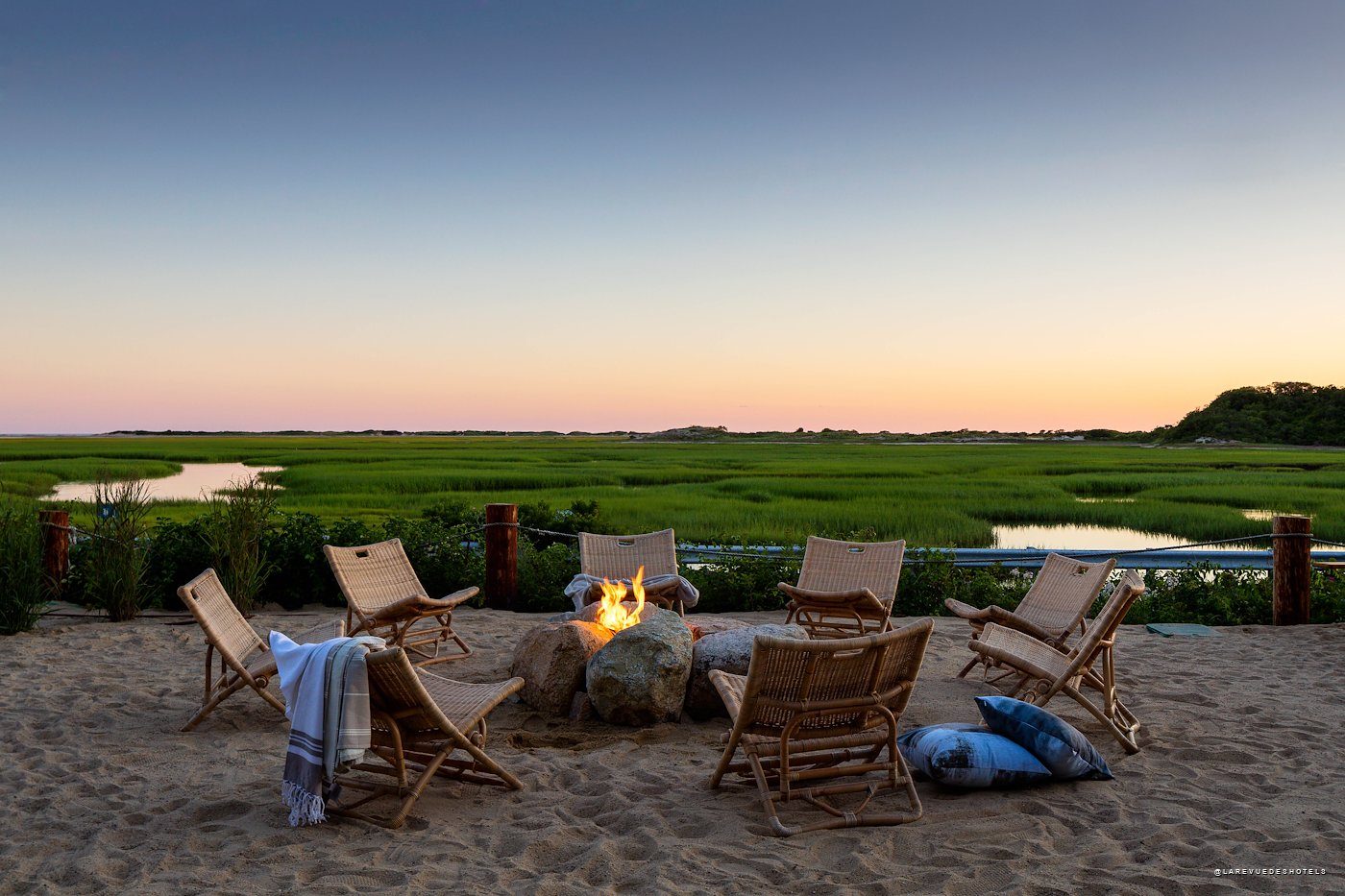
◆ In pictures · Lark’s boutique hotels
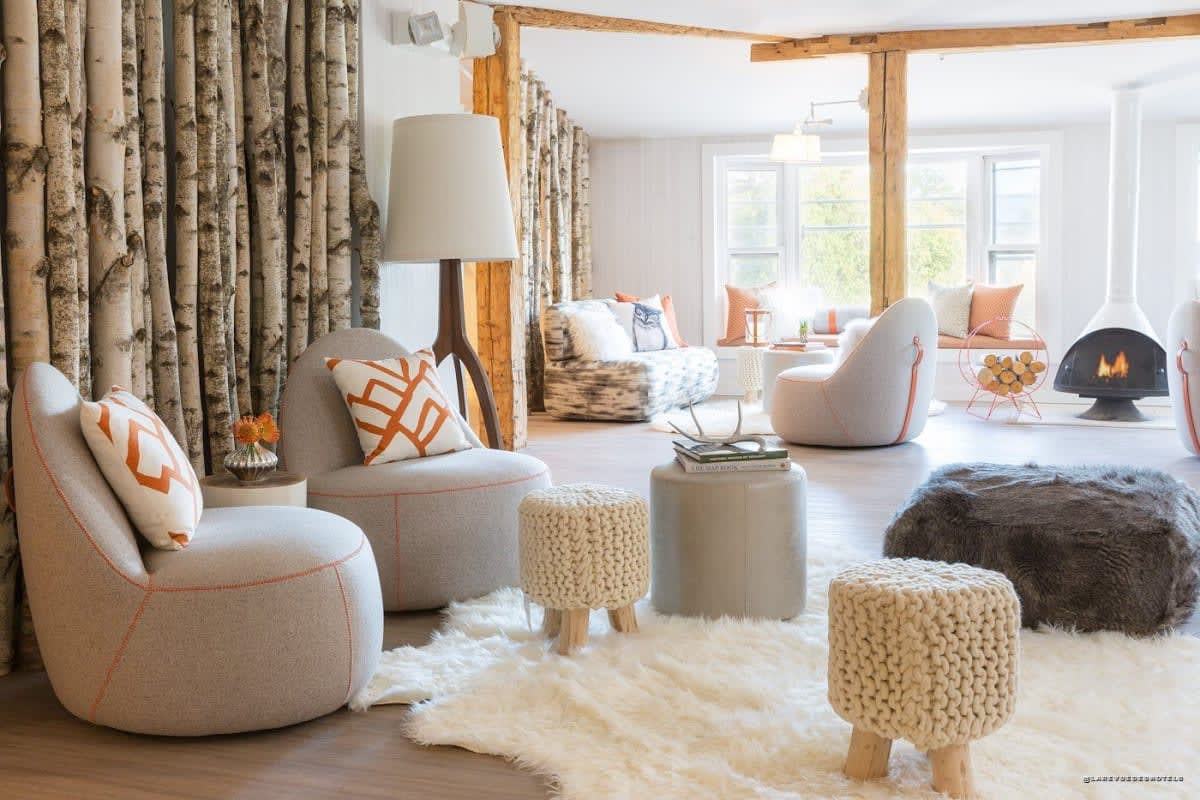
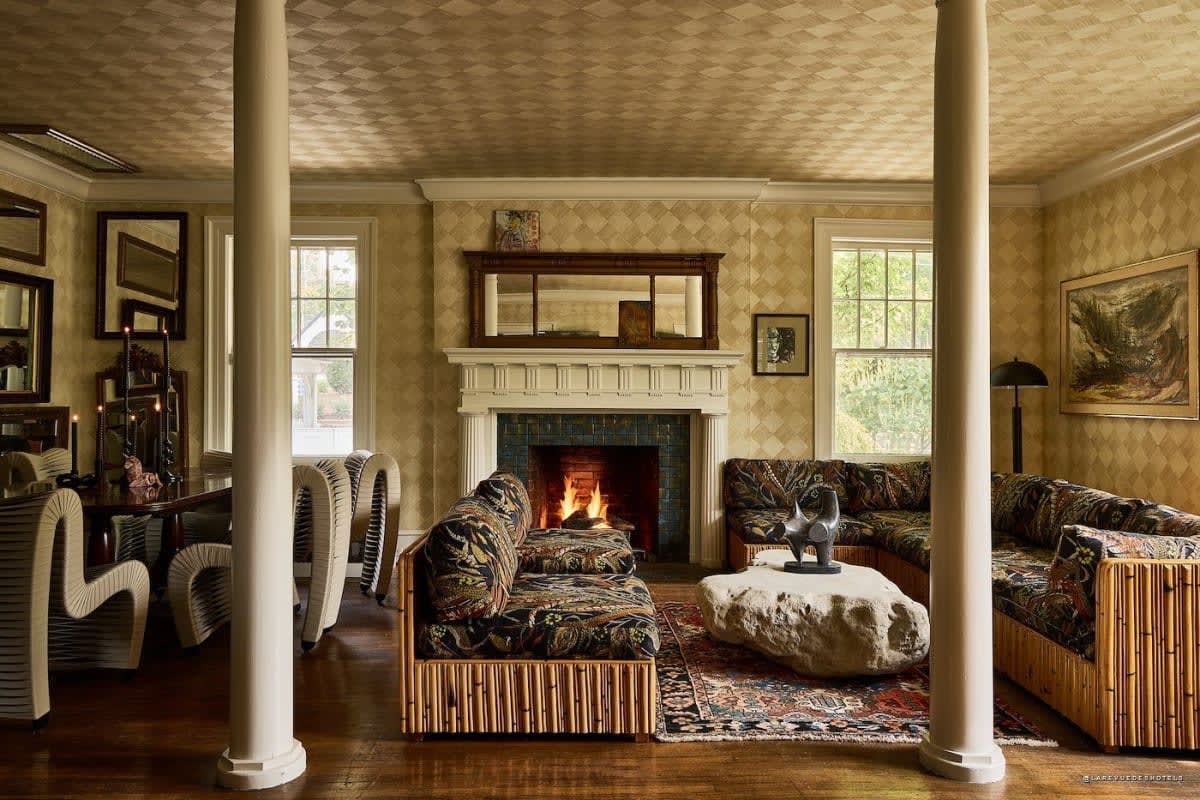
◂ Swipe · tap a photo to enlarge ▸
Lark: a portfolio built for leisure travelers
Founded in New England, Lark Hotels specializes in destination boutique hotels with bold design. The group brings together the AWOL, Blind Tiger, and Bluebird brands, along with the Kennebunkport Captains Collection, in highly iconic American resort towns: Stowe in Vermont, Asheville in North Carolina, Kennebunkport in Maine, Nantucket, and the Hamptons. Since its joint venture with Life House in late 2024, the group’s total portfolio approaches 100 hotels.

For founder Rob Blood, the benefit lies in channel balance: the agreement “offers our owners something rare, a diversified distribution mix and direct access to travelers who already love what we do.”
Our take
Behind the announcement lies a fundamental question for independent hoteliers: their reliance on major online travel agencies. By opening its doors to boutique hotels, Airbnb positions itself as an additional channel alongside established players, offering a key differentiator that appeals to smaller properties, character over standardized rooms. Commercial terms remain undisclosed and will determine the real value for property owners. This move echoes the recent partnership between Airbnb and the TAP Miles&Go program: alliance by alliance, the platform is methodically building a comprehensive travel ecosystem.