

- Three Normandy towns feature in the top 10 of French destinations with the highest increase in Airbnb searches for the summer of 2026.
- Villers-sur-Mer (Calvados) takes the national top spot, with 45% more searches.
- Cherbourg-en-Cotentin (Manche) is fifth up 34%, Le Tréport (Seine-Maritime) tenth up 25%.
- The ranking measures the increase in searches from 15 June to 31 August 2026, rather than booking volumes.
- Across France as a whole, 64% of bookings are for rural destinations and 70% of French travellers’ stays remain within mainland France.
A search ranking is not a visitor numbers ranking. It reveals where demand is shifting before bookings actually follow, making it a far more useful leading indicator than a seasonal review. The data published by Airbnb for the summer of 2026 places three Normandy towns in the top ten across France, and the common thread connecting them is not heritage: it is temperature.

Contents
Villers-sur-Mer, France’s Leading Town
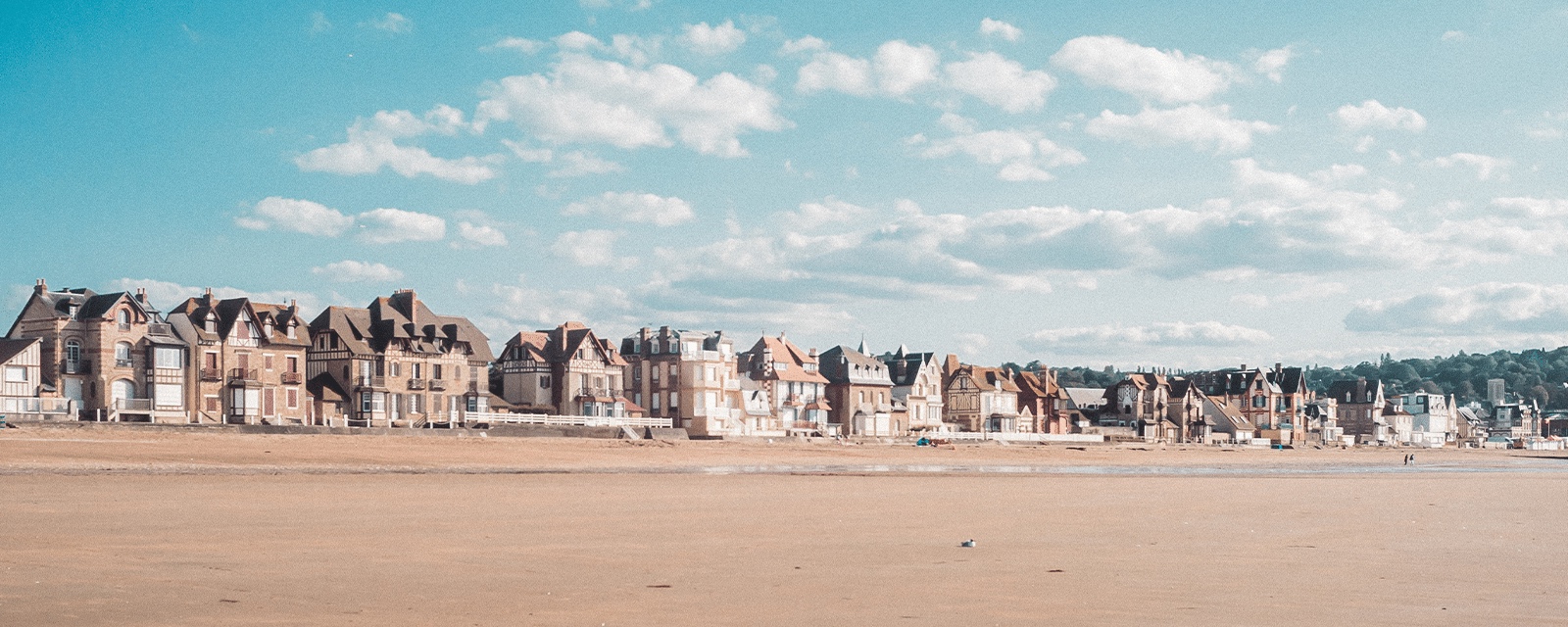
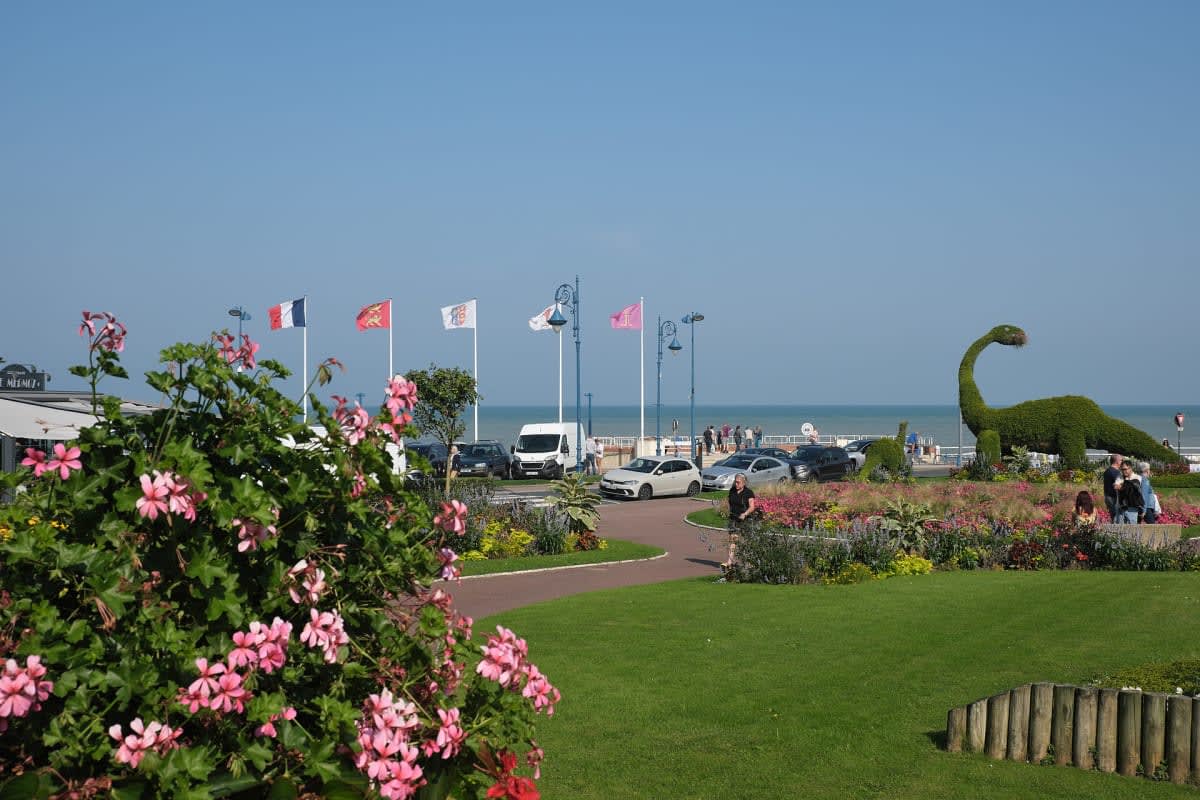
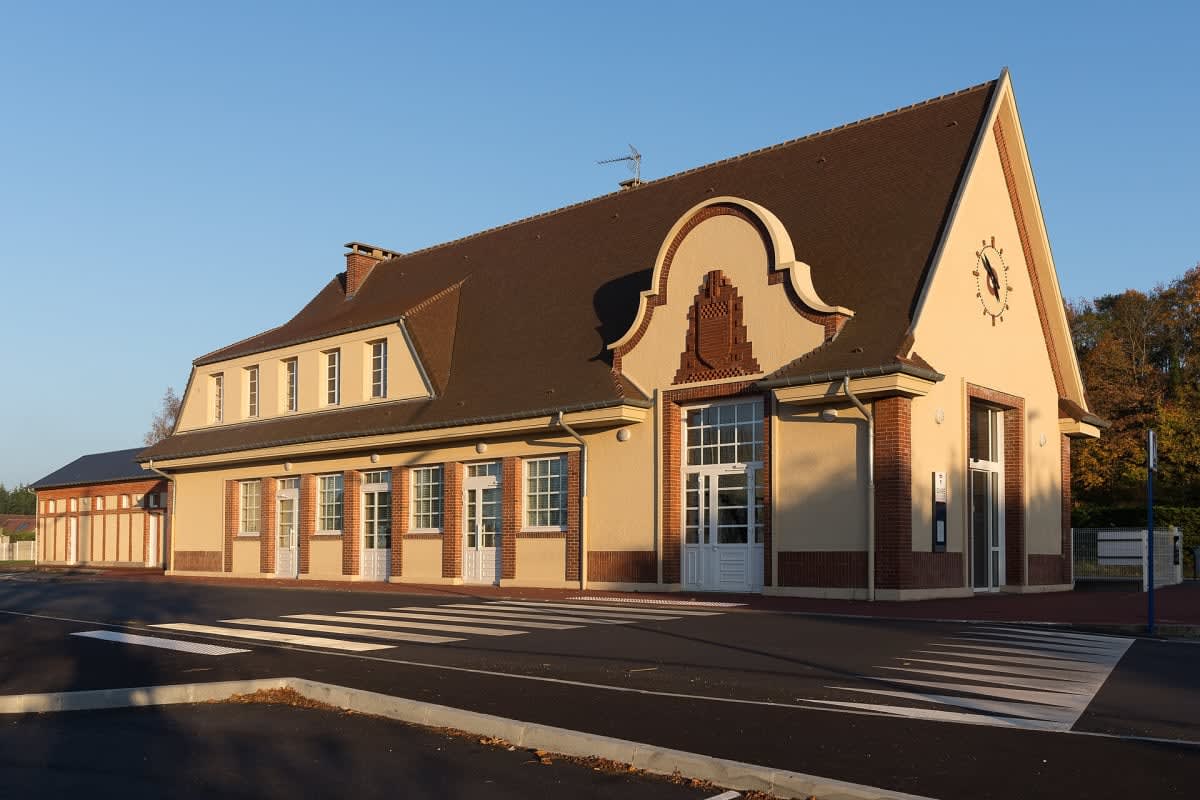
Villers-sur-Mer takes first place in the national ranking with 45% more searches compared to the previous summer. This resort in the Calvados department, nestled between Deauville and Cabourg, possesses neither the name nor the pricing of its two neighbours. This is precisely what explains its growth: it offers the same Côte Fleurie, the same Belle Époque villas and the same beach, at a price point and level of density that Deauville can no longer provide.
This trend becomes even clearer when looking at who follows. Of the ten towns in the ranking, eight are coastal and none belong to the established major seaside resorts. These are secondary addresses capturing the demand that the primary destinations have stopped absorbing.
◆ Villers-sur-Mer, ranking leader
Swipe to view photos →
Photos: GFreihalter (CC BY-SA 4.0) · Pymouss (CC BY-SA 4.0), via Wikimedia Commons.
The Top 10 Airbnb Destinations for Summer 2026
The complete ranking, ordered by search growth. The Normandy towns appear in first, fifth and tenth positions.
| # | Town | Department | Searches |
|---|---|---|---|
| 1 | Villers-sur-Mer | Calvados | +45% |
| 2 | Collioure | Pyrénées-Orientales | +39% |
| 3 | Saint-Hilaire-de-Riez | Vendée | +36% |
| 4 | Bénodet | Finistère | +35% |
| 5 | Cherbourg-en-Cotentin | Manche | +34% |
| 6 | Saint-Valery-sur-Somme | Somme | +31% |
| 7 | Le Crotoy | Somme | +30% |
| 8 | Perros-Guirec | Côtes-d’Armor | +29% |
| 9 | Noirmoutier-en-l’Île | Vendée | +26% |
| 10 | Le Tréport | Seine-Maritime | +25% |
Source: Airbnb, search growth for stays from 15 June to 31 August 2026, compared to the period from 16 June to 1 September 2025.
Cherbourg and Le Tréport Complete the Normandy Trio
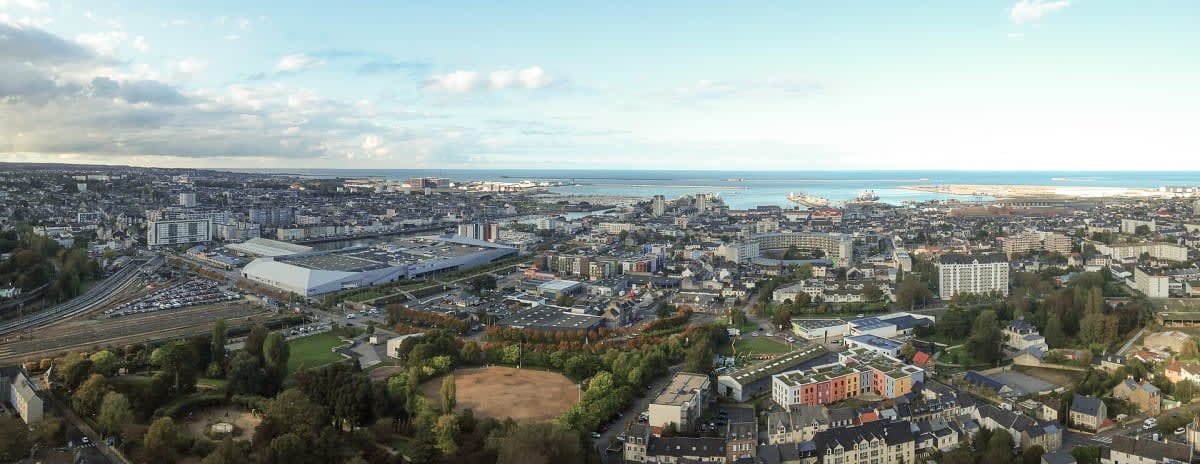
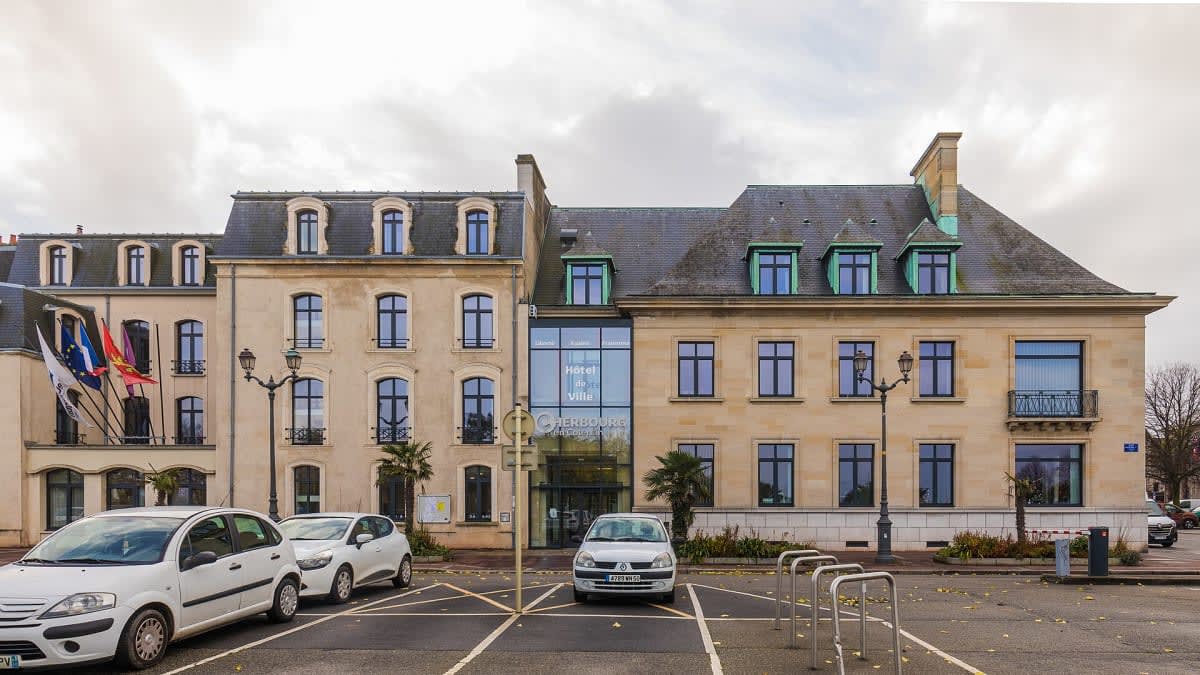
◆ Cherbourg-en-Cotentin, fifth place
Swipe to view photos →
Photos: Julien.scavini (CC BY-SA 4.0) · Raimond Spekking (CC BY-SA 4.0), via Wikimedia Commons.
Cherbourg-en-Cotentin is the only town in the ranking that is not a seaside resort. It is a port city of forty thousand residents, and its fifth place at +34% conveys something distinct from the others: visitors are heading there not for the beach, but for the Cotentin peninsula, its headlands, its light and a coastline not yet saturated by summer tourism.
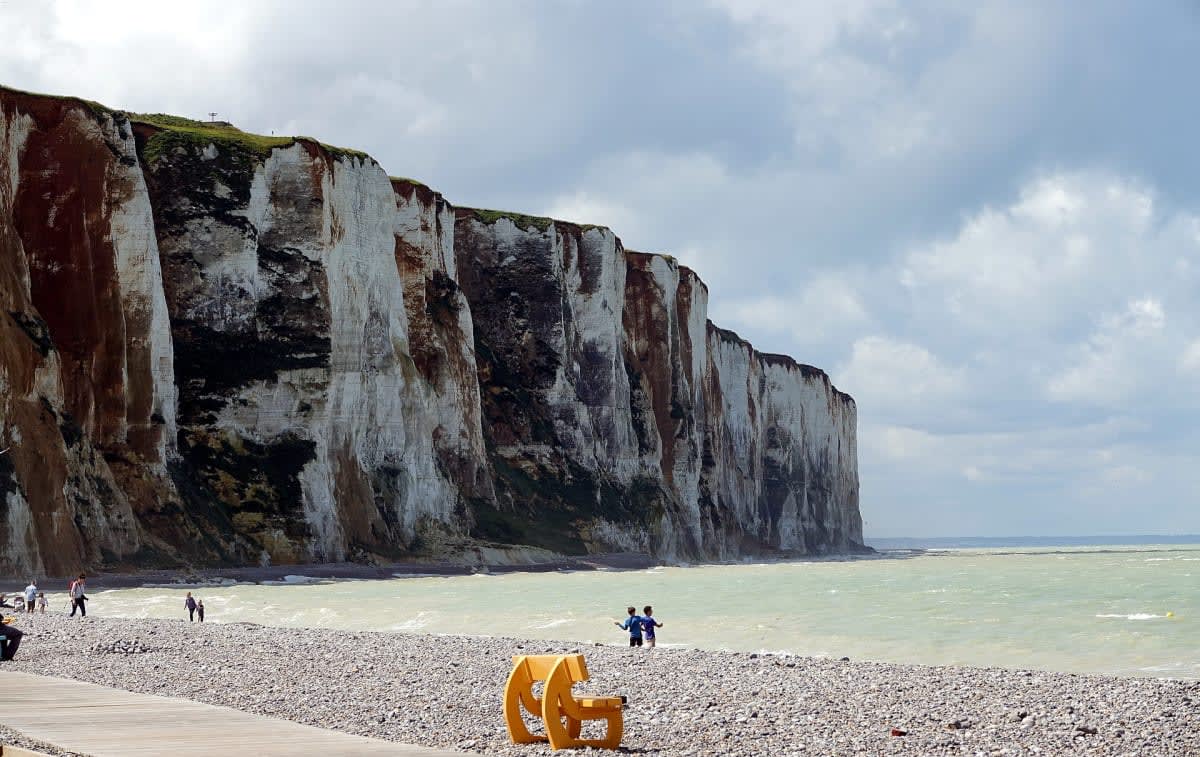
Le Tréport rounds out the ranking at +25%. Backed by the cliffs of the Côte d’Albâtre on the border of Normandy and Hauts-de-France, it shares a similar profile with its Bay of Somme neighbours Saint-Valery-sur-Somme and Le Crotoy: a marine frontage north of the Seine, less than three hours from Paris and Lille.
◆ Le Tréport, tenth place
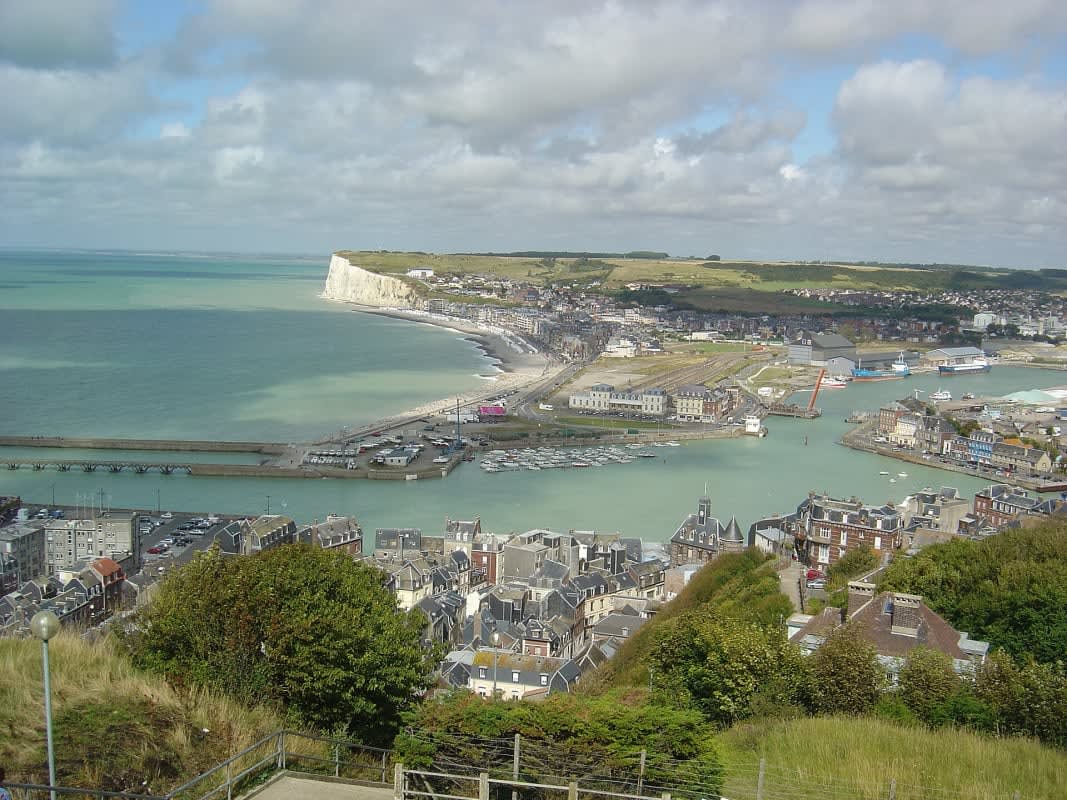
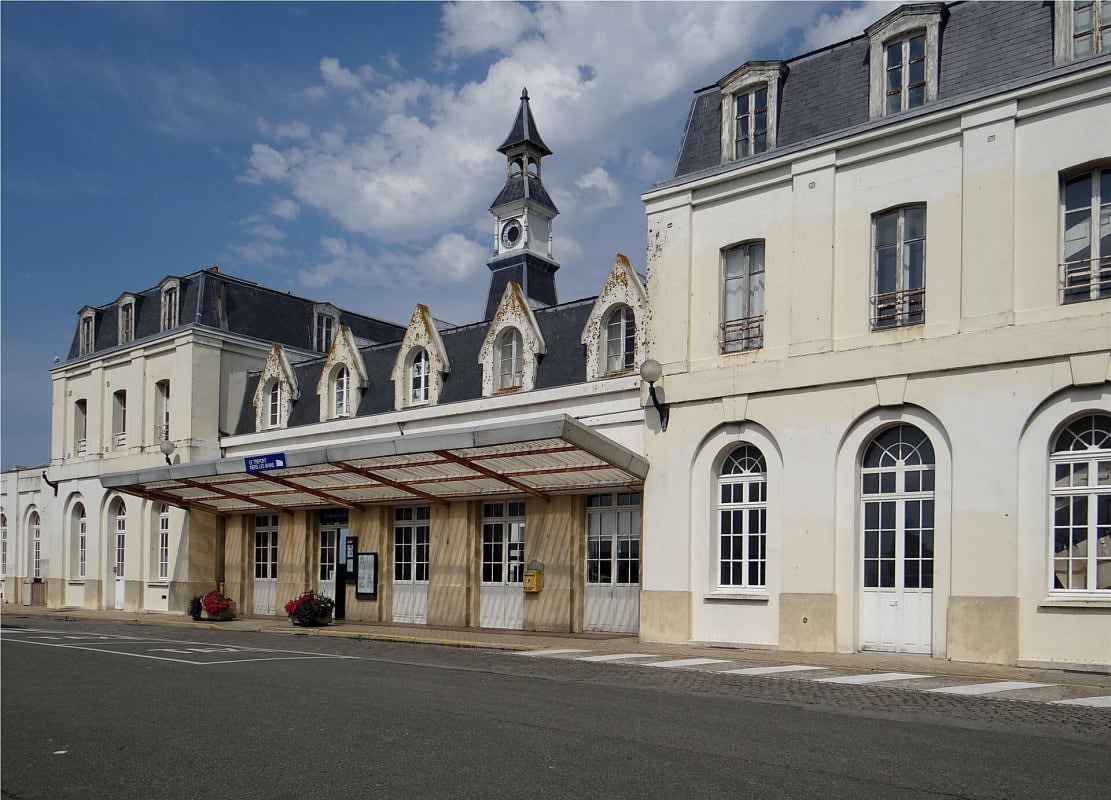
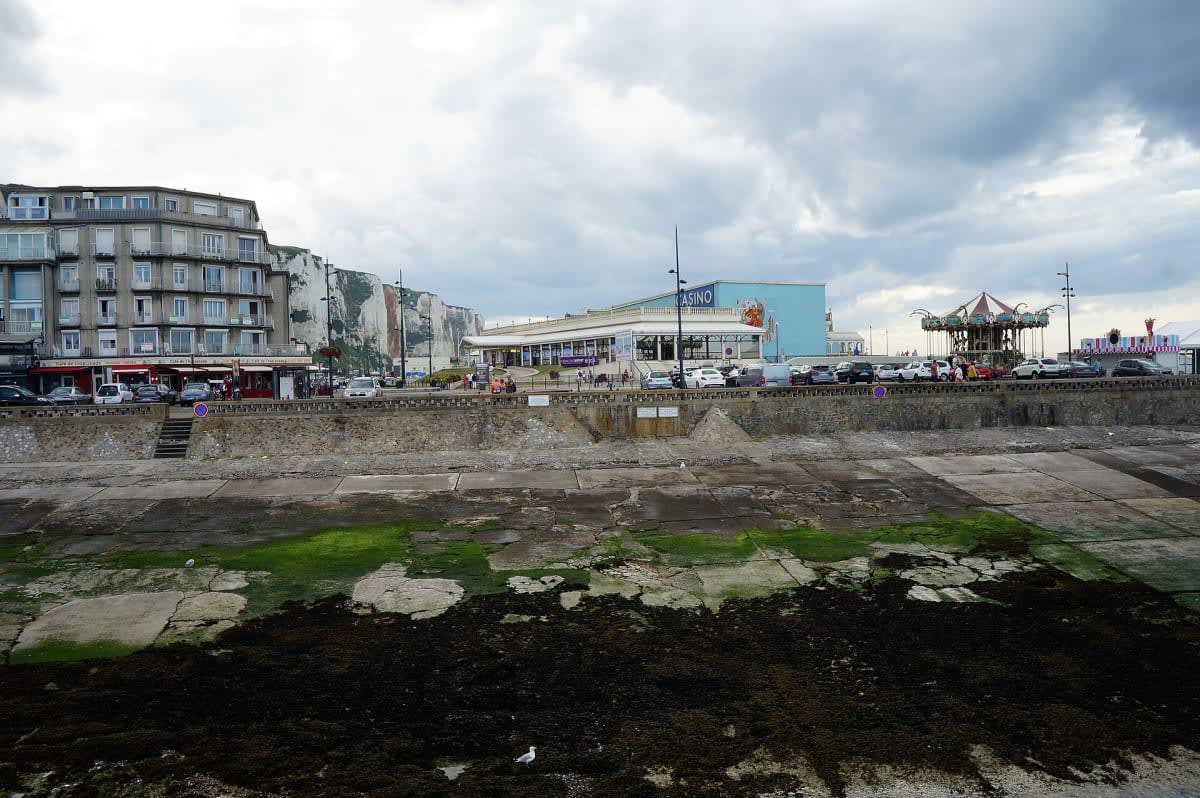
Swipe to view photos →
Photos: Gzen92 (CC BY-SA 4.0) · Pierre André Leclercq (CC BY-SA 4.0) · Roloff (CC0) · Wayne77 (CC BY-SA 4.0), via Wikimedia Commons.

What This Ranking Measures, and What It Does Not
Precision matters, because these figures circulate rapidly while shifting in meaning. This concerns the growth of accommodation searches, not the number of overnight stays or revenue. A town can therefore surge by 45% starting from a modest volume, yet remain far behind Deauville in absolute terms.
The comparison covers stays scheduled from 15 June to 31 August 2026, benchmarked against the equivalent period in 2025. It is a measure of intent, recorded ahead of the season, which is precisely what makes it a valuable signal for hoteliers: it arrives before demand, not after.
The Real Underlying Trend: 64% Rural, a 350-Kilometre Radius
Town rankings are merely the surface ripples. The two figures that truly matter lie elsewhere. Sixty-four percent of bookings in France are for rural destinations, and 70% of stays booked by French travellers take place within mainland France, five points higher than in 2025.
Added to this is a distance constraint: French travellers are increasingly looking within 350 kilometres of home. Combined, these three figures describe a summer defined by proximity, rural settings and domestic travel, where car journeys replace flights. Normandy ticks all three boxes for the Parisian basin, which is mechanically what drives its rise.
Our Perspective
It would be convenient to attribute this surge solely to Normandy’s charm. The cause is more prosaic: heat. Southern European summers have become a physical constraint during the weeks when French travellers take their holidays, and cooler climates are rapidly becoming a selling point on par with views or service.
For Normandy’s hotel industry, the window of opportunity is real but narrow. What this ranking reveals is demand shifting towards towns where high-end hotel inventory is sparse: Villers-sur-Mer, Cherbourg and Le Tréport possess neither Deauville’s offering nor its price points. Demand is arriving ahead of supply, and this is precisely the moment when a property establishes its position.
A question remains that these figures do not resolve: sustainability. A climate-driven shift is reversible if the following summer is mild, and a resort sizing itself for a search spike risks being left with empty beds. We will be monitoring the 2027 rankings to see whether Normandy has secured a loyal clientele or merely a single season.
- →Corinthia Lake Como to open in late 2028 in Menaggio: 58 keys, three restored villas, a beach club and the 1907 golf course on Lake Como
- →Shanghai Peppa Pig Park to open in 2027 with a themed hotel designed for three generations
- →Short-term rentals: Brussels prepares to give cities the power to block Airbnb