

In brief
- Borgo Pignano Florence opens on 1 September 2026 on Montughi hill, at the top of Via Bolognese, just minutes from the historic centre.
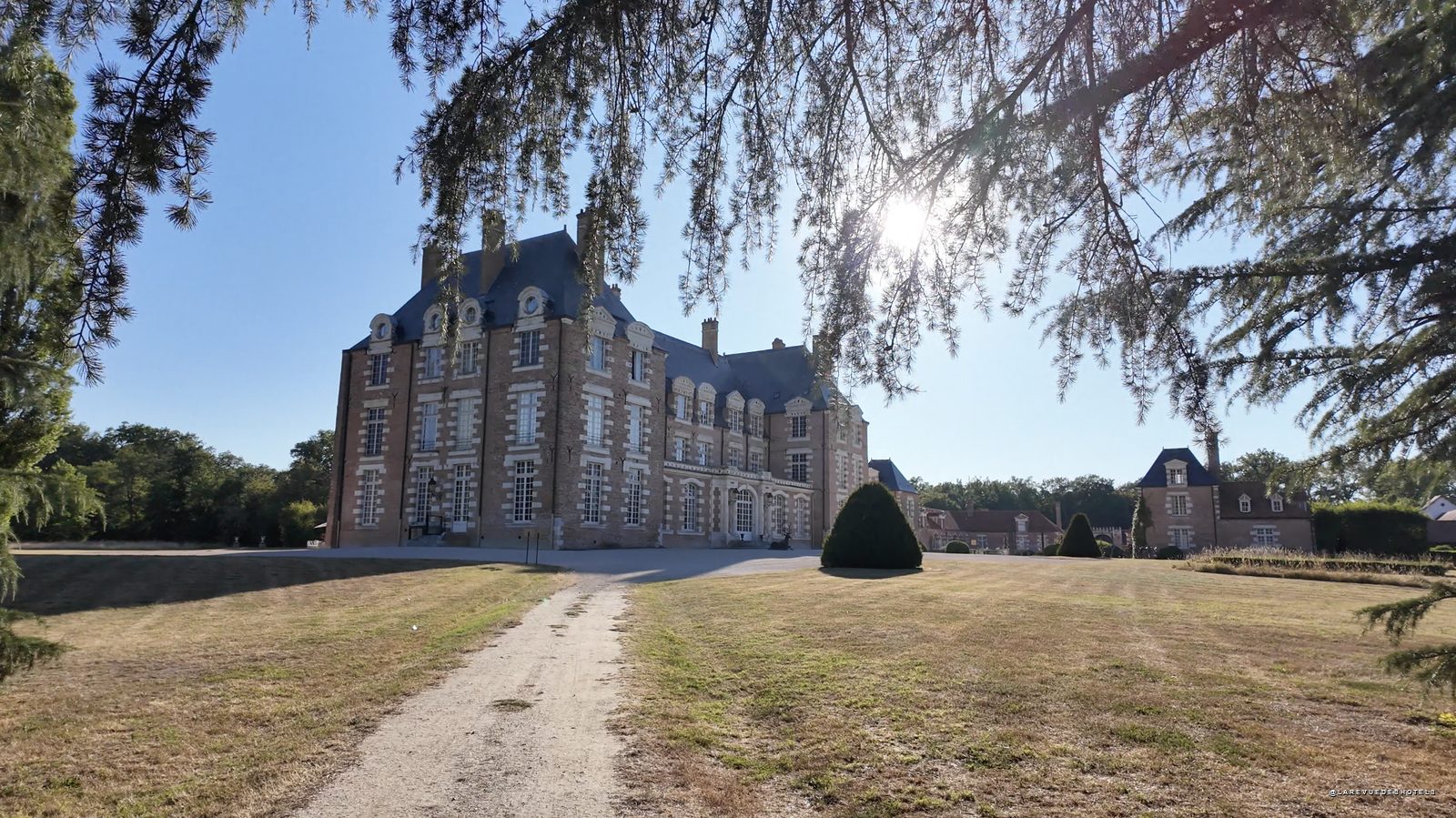
- A 15th-century villa and ten other restored buildings, offering thirty-two rooms and suites.
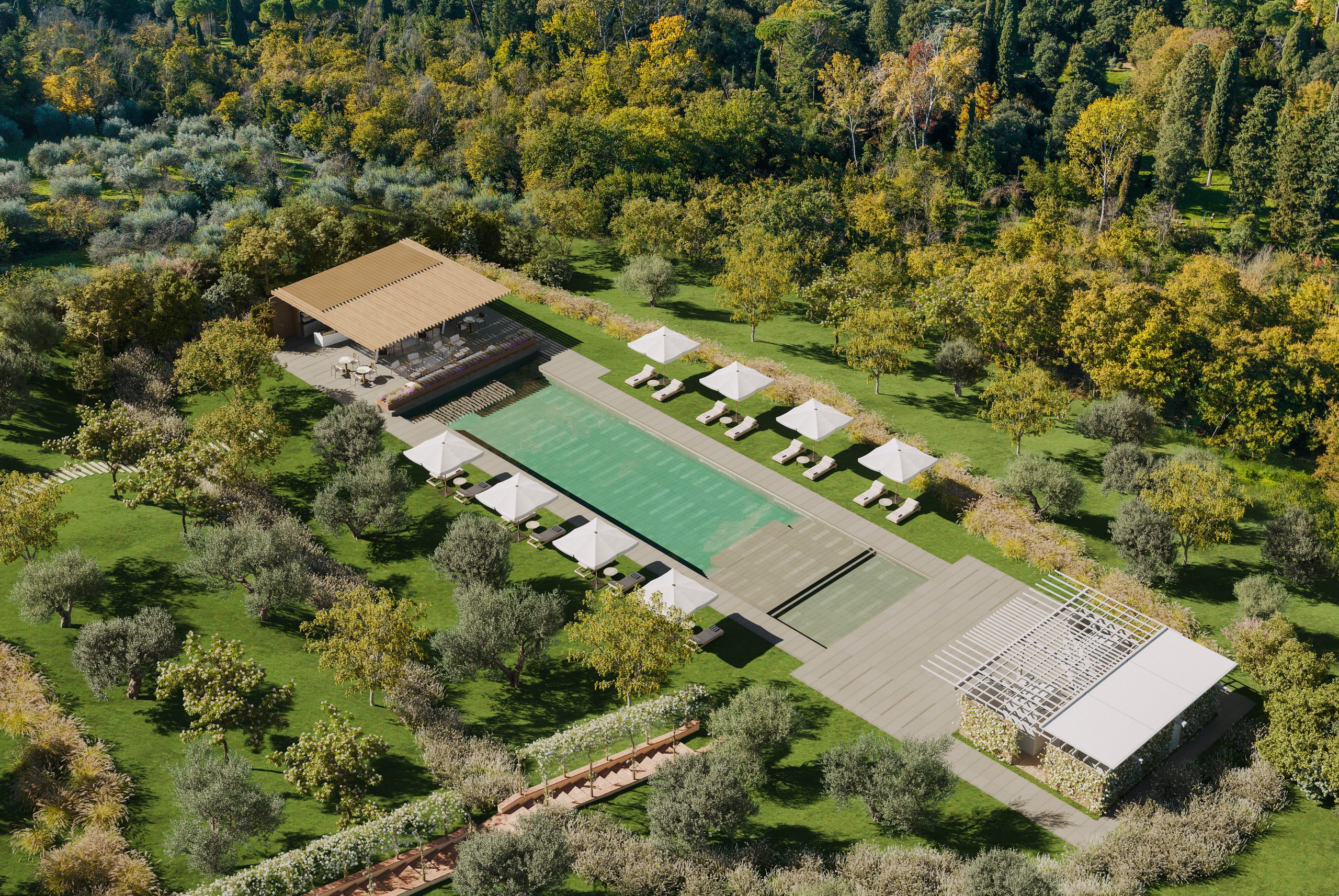
- Five hectares of private parkland, making it the largest hotel estate in Florence.
- Two restaurants and two bars, under the direction of Michelin-starred chef Stefano Cavallini, supplied by the agricultural estate in Volterra.
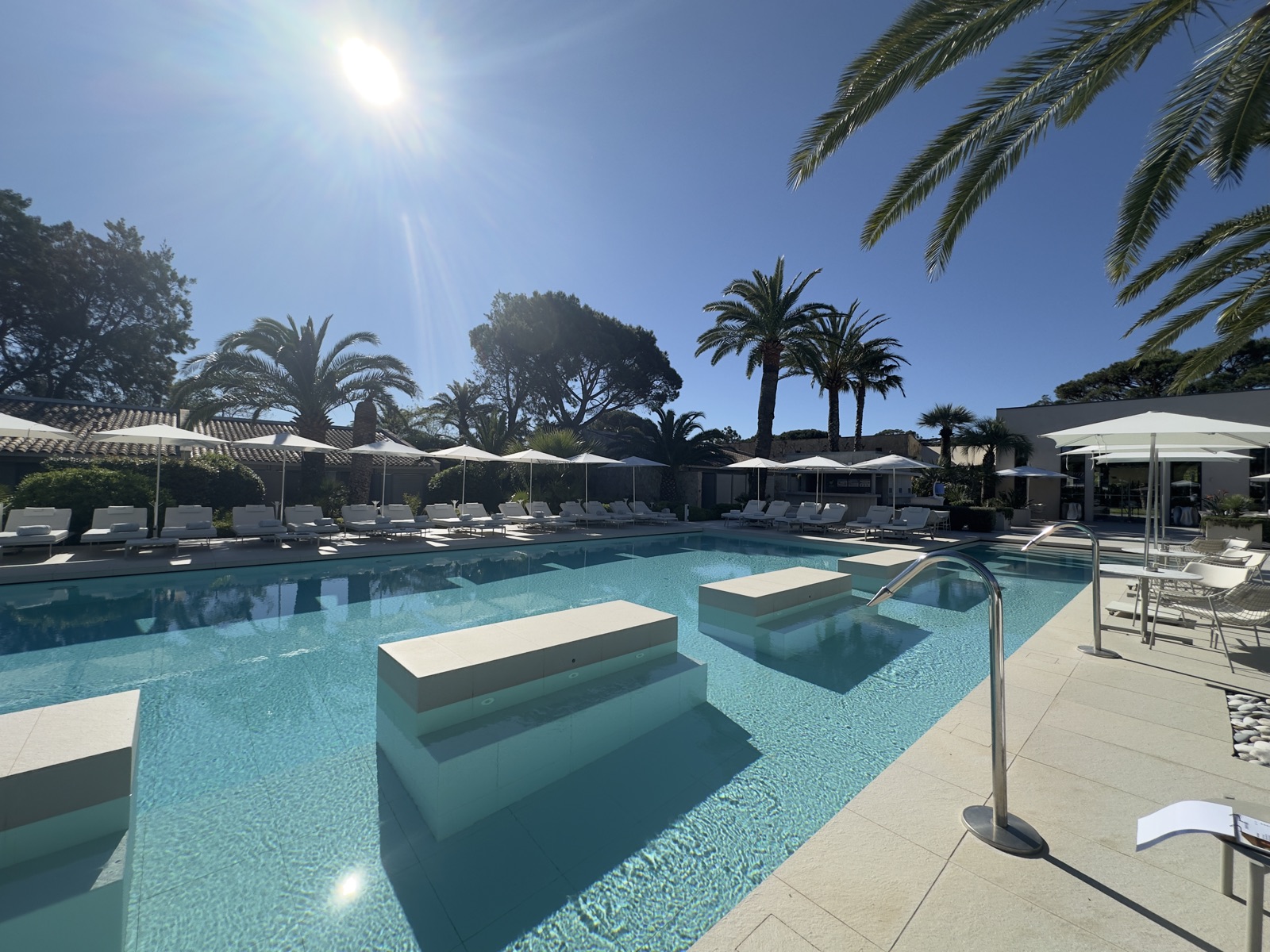
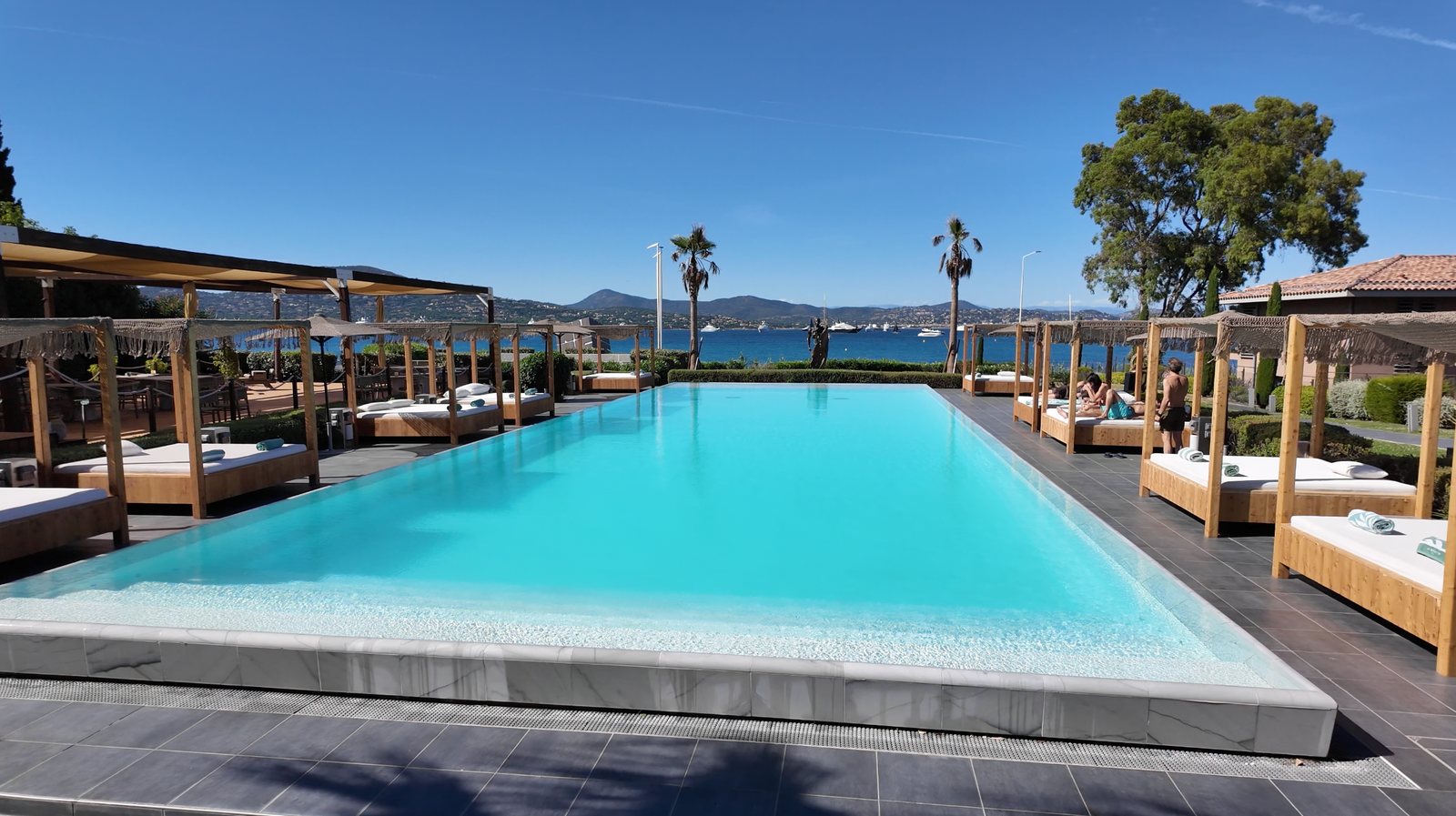
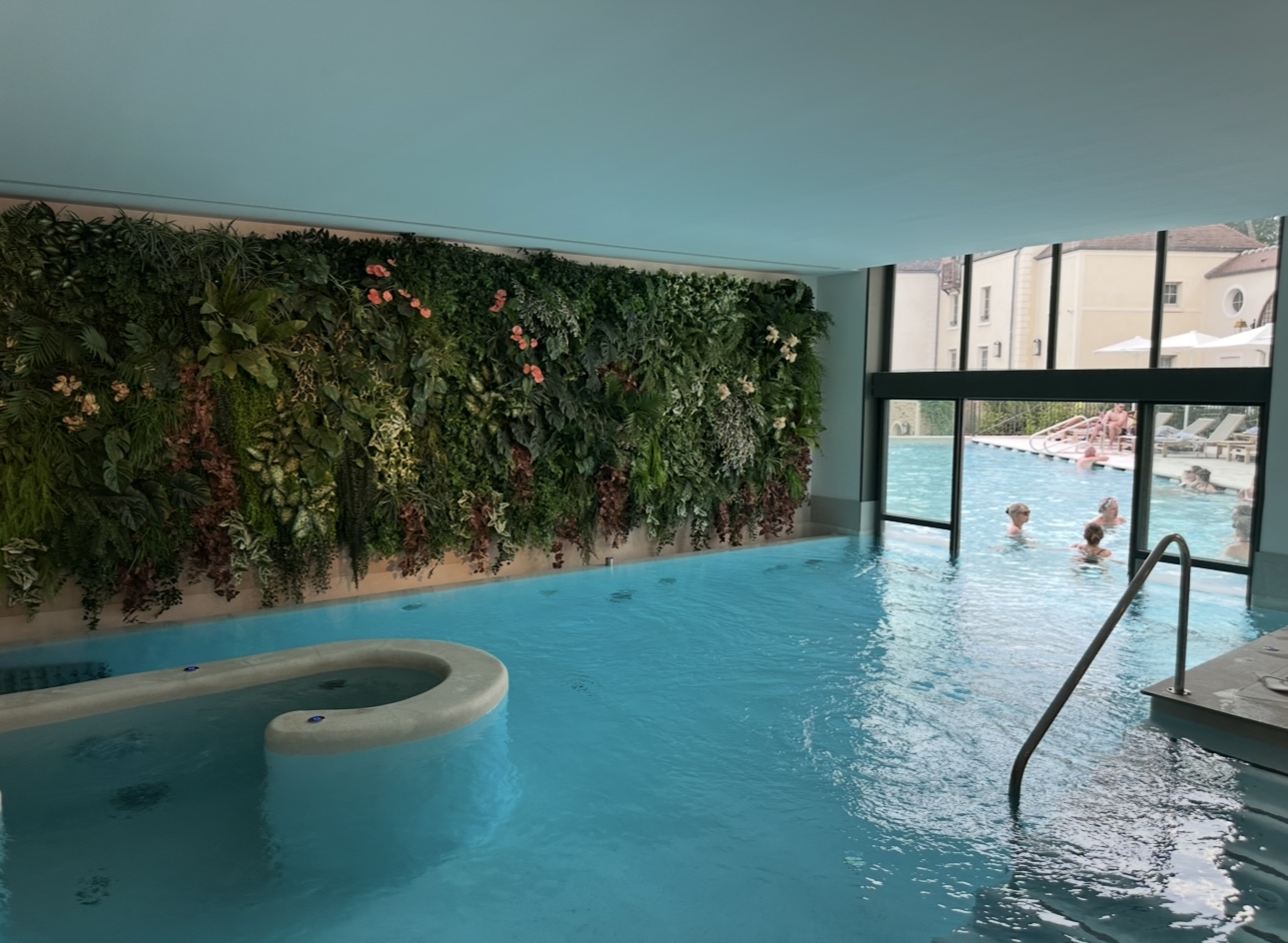
- A thirty-metre heated outdoor swimming pool, among the longest in the city, a spa and a running track in the park.
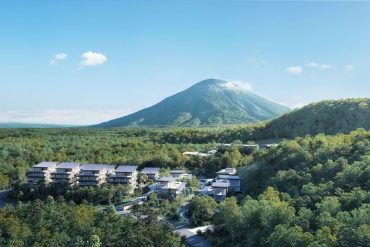
Florence has many palaces and few gardens. The city was built by squeezing its stones together, and its hotels have inherited this constraint: you sleep in magnificent spaces, but rarely in the middle of a park. This is precisely what Borgo Pignano Florence contradicts, opening on 1 September on Montughi hill with five hectares of private land.
En images
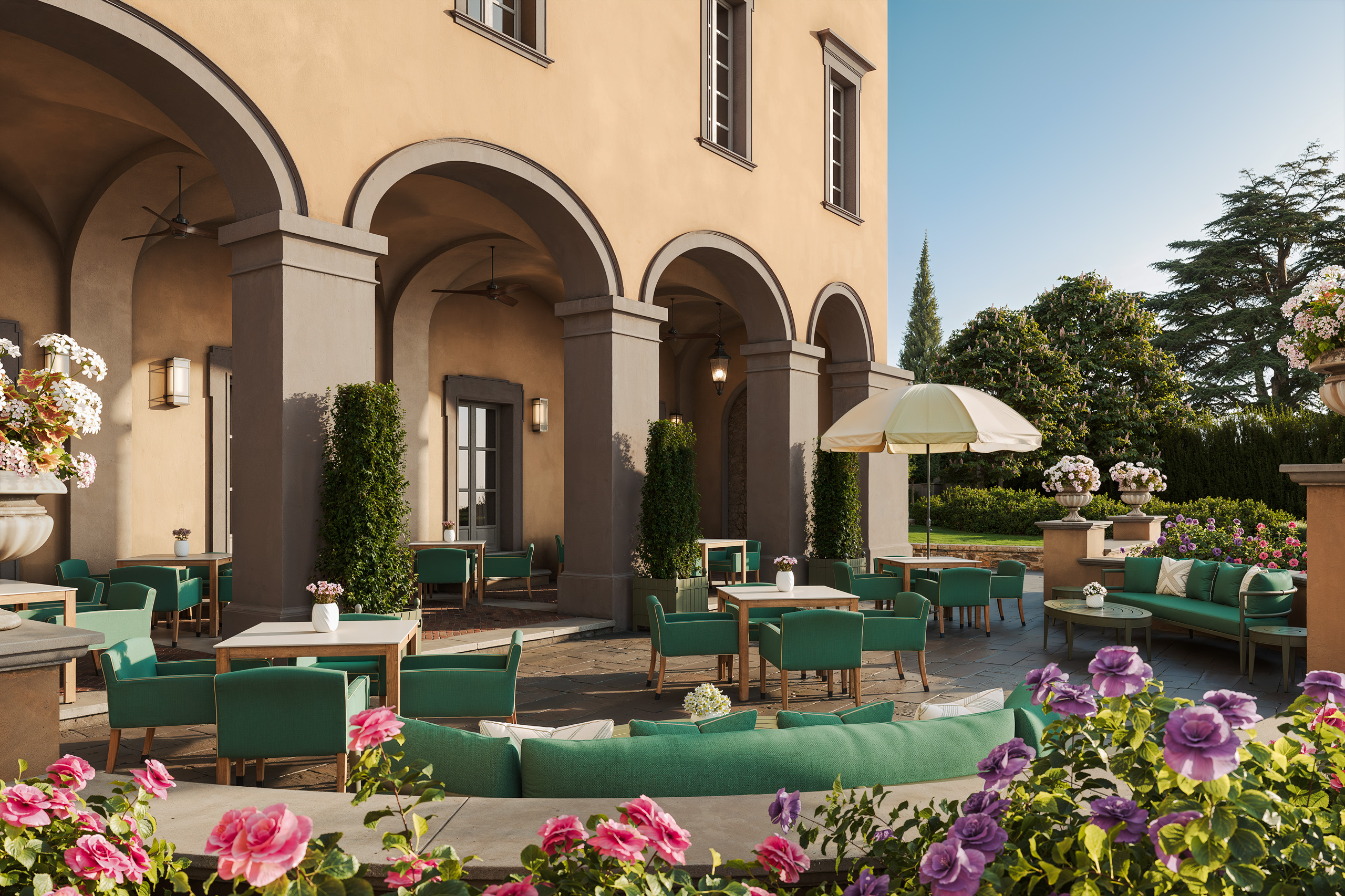

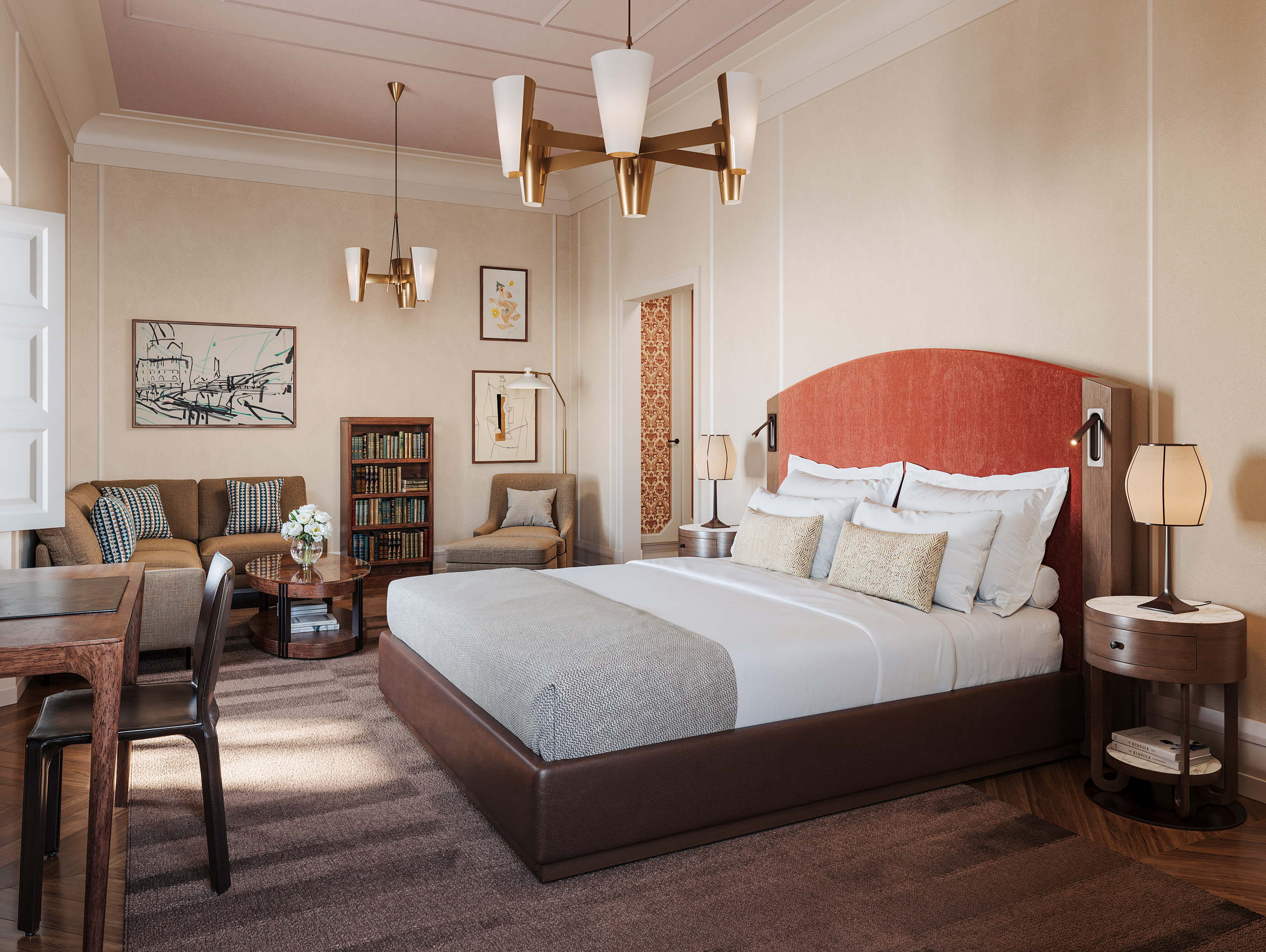
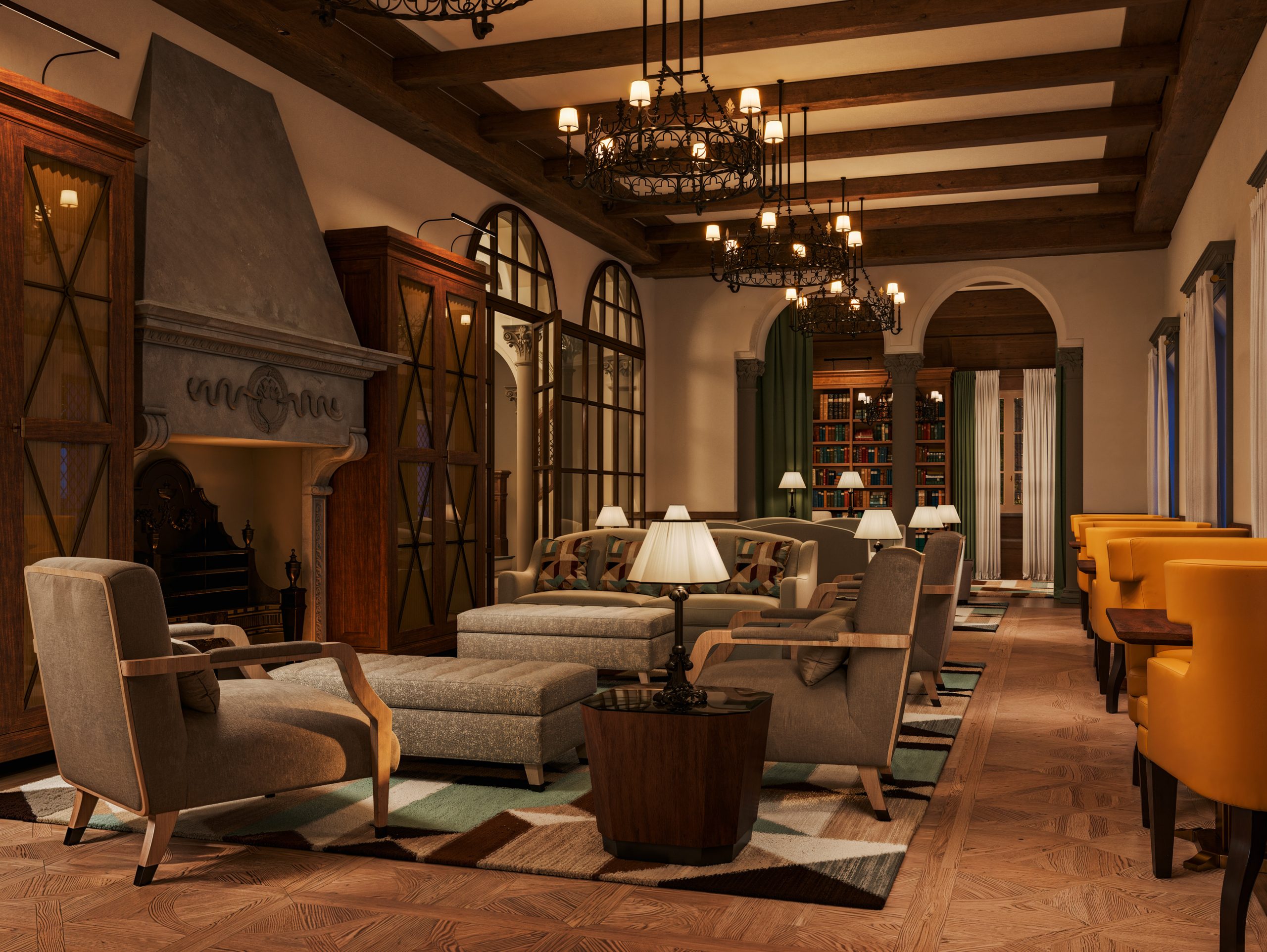

Faites glisser pour parcourir · cliquez pour agrandir
A Tuscan eco-estate comes to town
The mother house is in Volterra, a one-and-a-half-hour drive away in the Pisan hills. It is there that entrepreneur Michael Moritz has built an agricultural and hotel estate over the past twenty years based on self-sufficiency: a vegetable garden, farm, olive oil, and ancient grains. This Florentine address is the model’s first urban iteration, and it was no simple task: what makes Pignano strong is its isolation.
The answer lies in the choice of location. Montughi dominates the city from the north, at the start of Via Bolognese. You are just minutes from the Duomo, yet behind a wall, in a planted park. The contradiction is resolved by topography rather than discourse.
A 15th-century villa and ten outbuildings
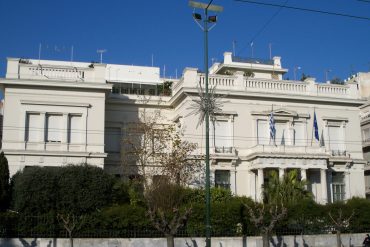
The estate is organised around a 15th-century villa and ten annex buildings, all restored, which house thirty-two rooms and suites. Thirty-two keys spread across eleven buildings mean houses rather than storeys: four or five rooms per building, separate entrances, and intermediate gardens. You walk outside to go to dinner.
The interiors feel more like a family home than a hotel: dark woods, coffered ceilings, printed fabrics, and preserved fireplaces. Red recurs from room to room, on the headboards as well as on the wine bar banquettes, giving the place its unity.
The largest hotel park in the city
This is the one selling point that no one can copy in Florence. Five hectares is more than any other hotel in the city, and it changes the nature of the stay: a thirty-metre heated outdoor swimming pool, a secret garden with its pond, a solarium, and a running track laid out in the park. Where Florentine hotels offer terraces, this one offers distance.
The spa completes the experience, with a botanical theme consistent with the Volterra farm that supplies the plants. This is not a marketing gimmick: it is the very same farm that supplies the kitchens.
Stefano Cavallini’s table
Dining is entrusted to Michelin-starred chef Stefano Cavallini, across two restaurants and two bars. The menu is anchored in Tuscan tradition and relies on organic produce from the Volterra estate, delivered daily. The short supply chain is not a brochure talking point here but an organisational constraint, that of a farm a hundred kilometres away supplying a city kitchen.
The culinary offering extends from the wood-panelled dining room to the loggia overlooking the garden, and down to the pool bar. It is the range expected of a property of this size, but distributed within existing spaces rather than areas created for the purpose.
For whom, and when
This is a destination for a three-to-five-night stay, for those who want Florence without the hustle. Families will find what the city centre never offers: space and a swimming pool; couples, a park where they can walk after dinner. The best window is from May to June, then from September to October, when the heat subsides and the park comes into its own.
Then there is the question of the price of rarity. Five hectares fifteen minutes from the Duomo will not be replicated: it is a unique asset, and the Florentine hotel industry has just lost a selling point it thought was shared.