

- 📉 Marriott loses 43% of its revenue per room in the Middle East in the second quarter, year-on-year
- 🏨 Hilton drops by around 33% and Hyatt by 36% in the same area: no major group escapes the slump
- 🇦🇪 The Emirates are the epicentre · activity collapsed by 80% in April before rising to minus 40% in June
- ⏱️ Bookings are now made 7 days before arrival, compared to 15 before the conflict: hoteliers are flying blind
- 🎯 The fourth quarter accounts for 35% of the region’s annual revenue: it will decide the financial year
For ten years, the Middle East has been the luxury hotel industry’s favourite playground. Dubai lined up openings, Saudi Arabia promised entire resorts rising from the desert, and every major group planted its most prestigious brand there. The results for the first half of 2026, published in recent weeks by the main global operators, tell a completely different story. In three months, the region has become the worst hotel market on the planet.
Three groups, the same slump
The most spectacular figure comes from Marriott: 43% of revenue per available room wiped out in the Middle East in the second quarter, compared to the same period in 2025. For an indicator that usually varies by just a few points, the drop is of a completely different magnitude.
Its competitors are faring no better. Hilton reports a decline of around a third in the area. Hyatt announces a 36% drop in the Middle East excluding Africa, and has revised its annual outlook downwards by 10 million dollars. Three groups with different portfolios, different clienteles, different positionings · and the same curve.
A detail that speaks volumes about the level of concern: Marriott described this result as “slightly better than expected”, and Hilton’s CFO spoke of figures “better than prior expectations”. When losing 43% is a pleasant surprise, it means internal forecasts were far bleaker.
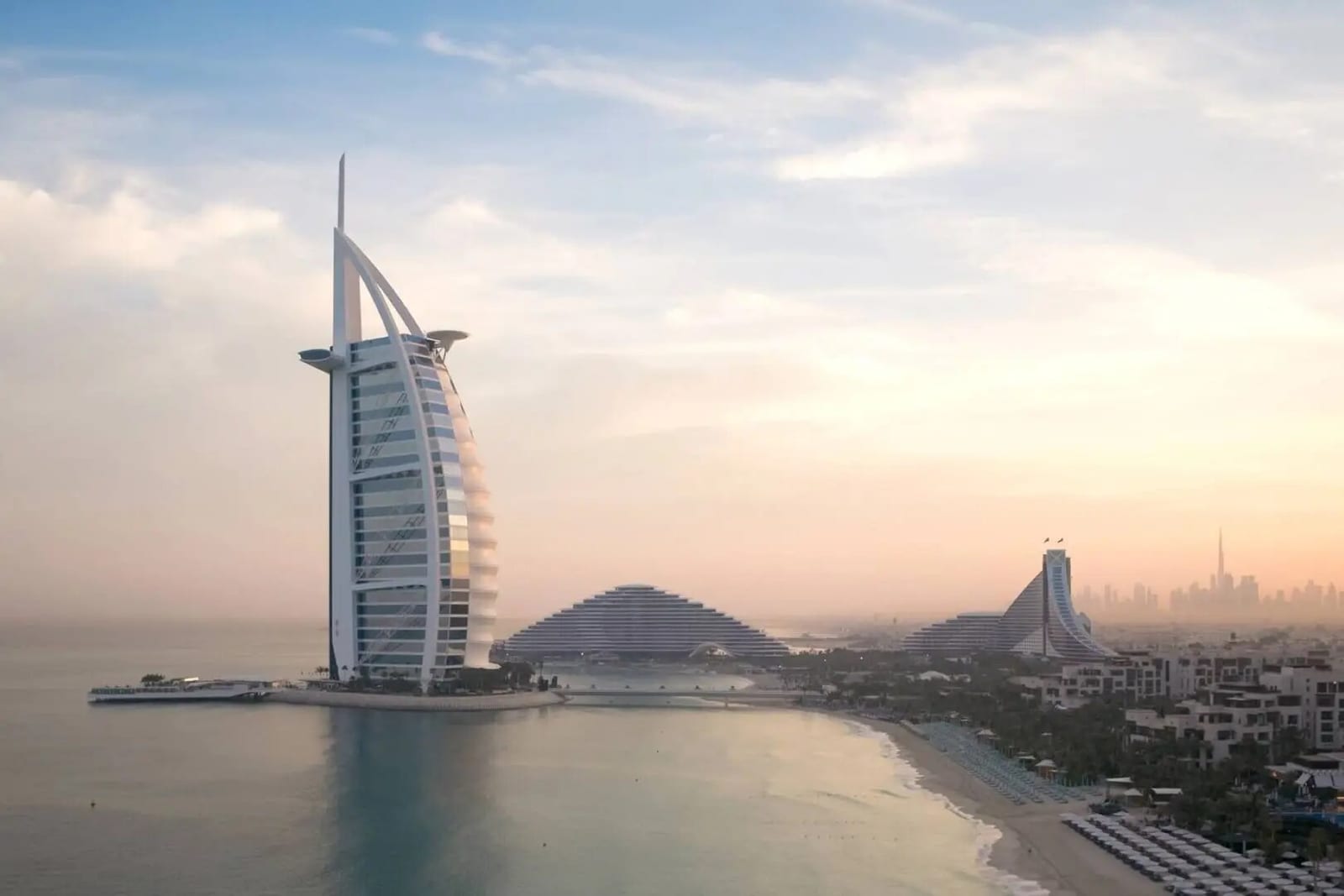
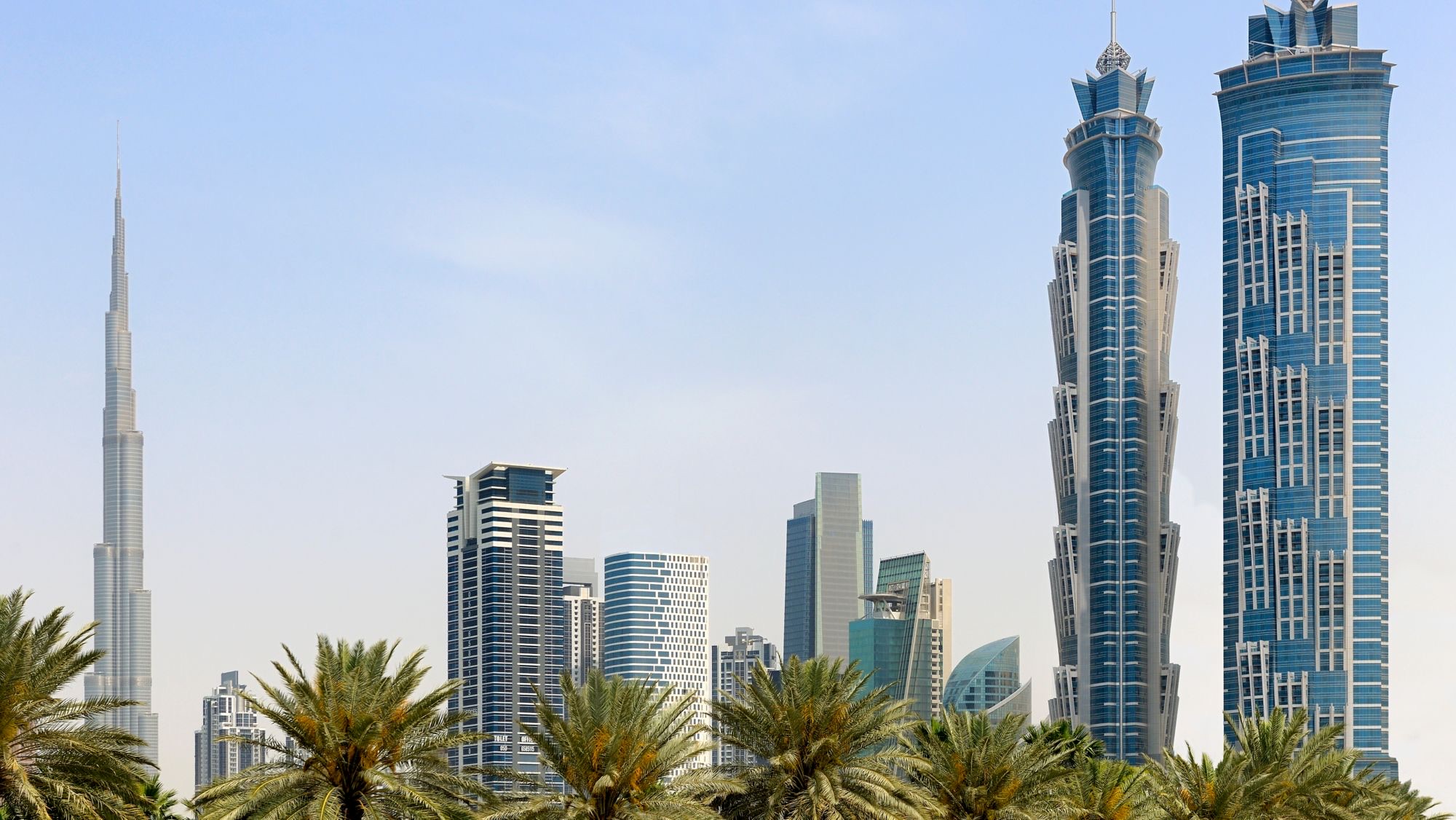
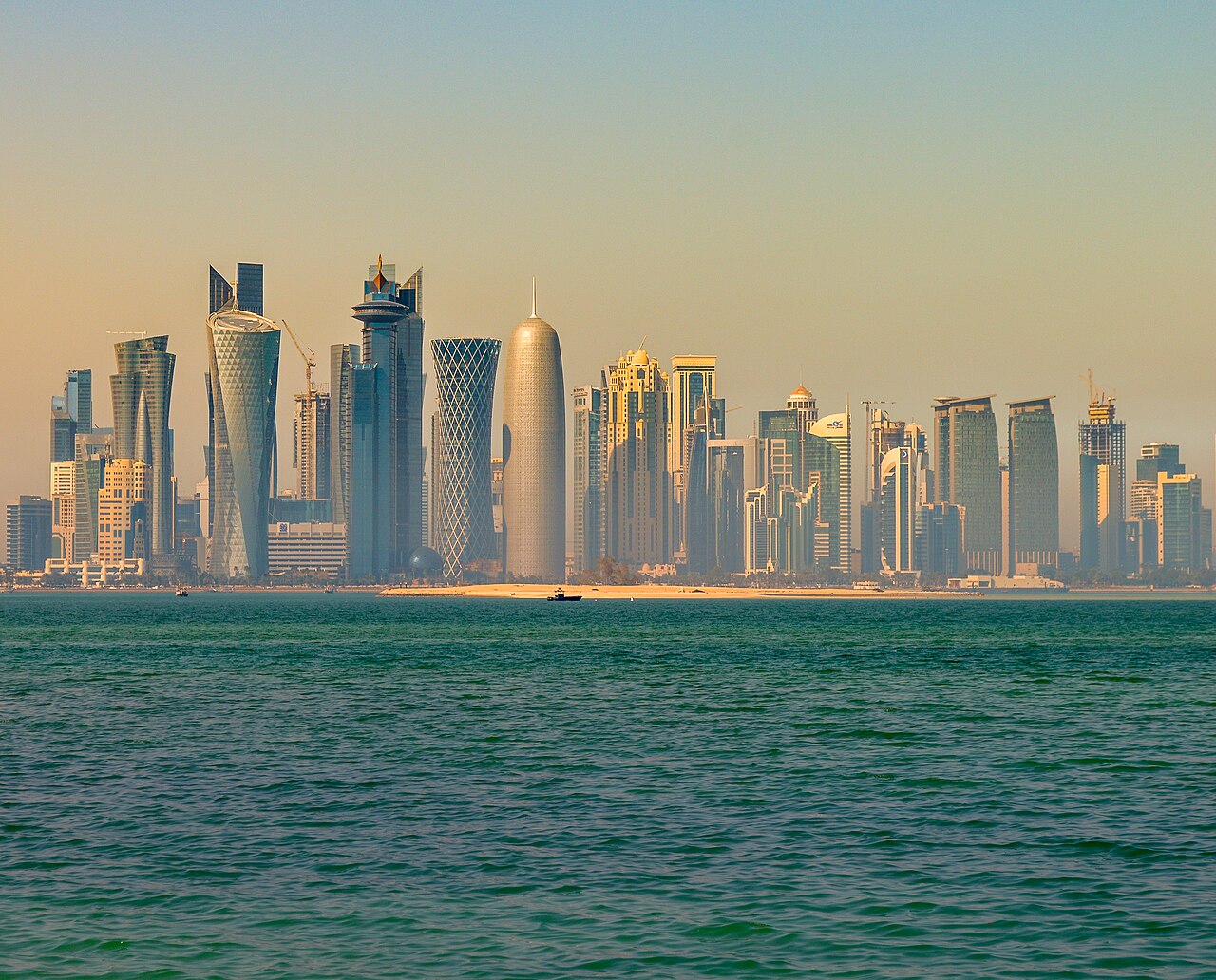
The Emirates, epicentre of the slump
The regional average masks a highly concentrated reality. Accor detailed the case of the United Arab Emirates, and the trajectory there is dizzying: activity collapsed by 80% in April, before gradually recovering to end the quarter at around a 40% to 45% decline in June.
In other words, the worst is over, but a return to normal has not occurred. The market recovered two-thirds of the ground in two months, then stabilised at a level that remains catastrophic. Dubai, the sector’s global showcase, is bearing the brunt of the shock.
A two-speed region
This is the nuance that regional averages flatten: not all of the Middle East has ground to a halt. Saudi Arabia, Egypt and Turkey continued to deliver solid performances over the period, driven by a domestic and regional clientele less deterred by the tensions.
The contrast is instructive. The markets most dependent on long-haul international travellers, conferences and Western business clientele are those that suffered the most. Those that fill their rooms with nearby travellers held up. A lesson that Gulf investors, committed to gigantic construction programmes, will have to take on board.
Travellers’ booking habits have changed
Beyond volumes, booking behaviour has shifted. The booking window has fallen to seven days before arrival, compared to fifteen previously. Travellers are waiting until the last minute to commit.

For a hotelier, this statistic is almost more worrying than the decline itself. It means that the order book no longer provides any visibility: it is impossible to adjust staffing levels, calibrate purchases, or manage rates in advance. Teams are flying blind, week after week.
The fourth quarter will decide the year
All eyes are now turning to the final months of 2026. The fourth quarter alone represents 35% of the region’s annual revenue, when the heat subsides and the conference season is in full swing. This is the period that makes or breaks a financial year in the Middle East.
Accor has put two scenarios on the table. In the first, the region remains stuck at around a 40% to 45% decline until the end of the year. In the second, a partial recovery brings the drop back to around 20%. The gap between the two is measured in hundreds of millions of dollars for the sector as a whole.
Between the two, no operator is risking a prediction. Which, in itself, sums up the year 2026 for the hotel industry in the Middle East quite well.