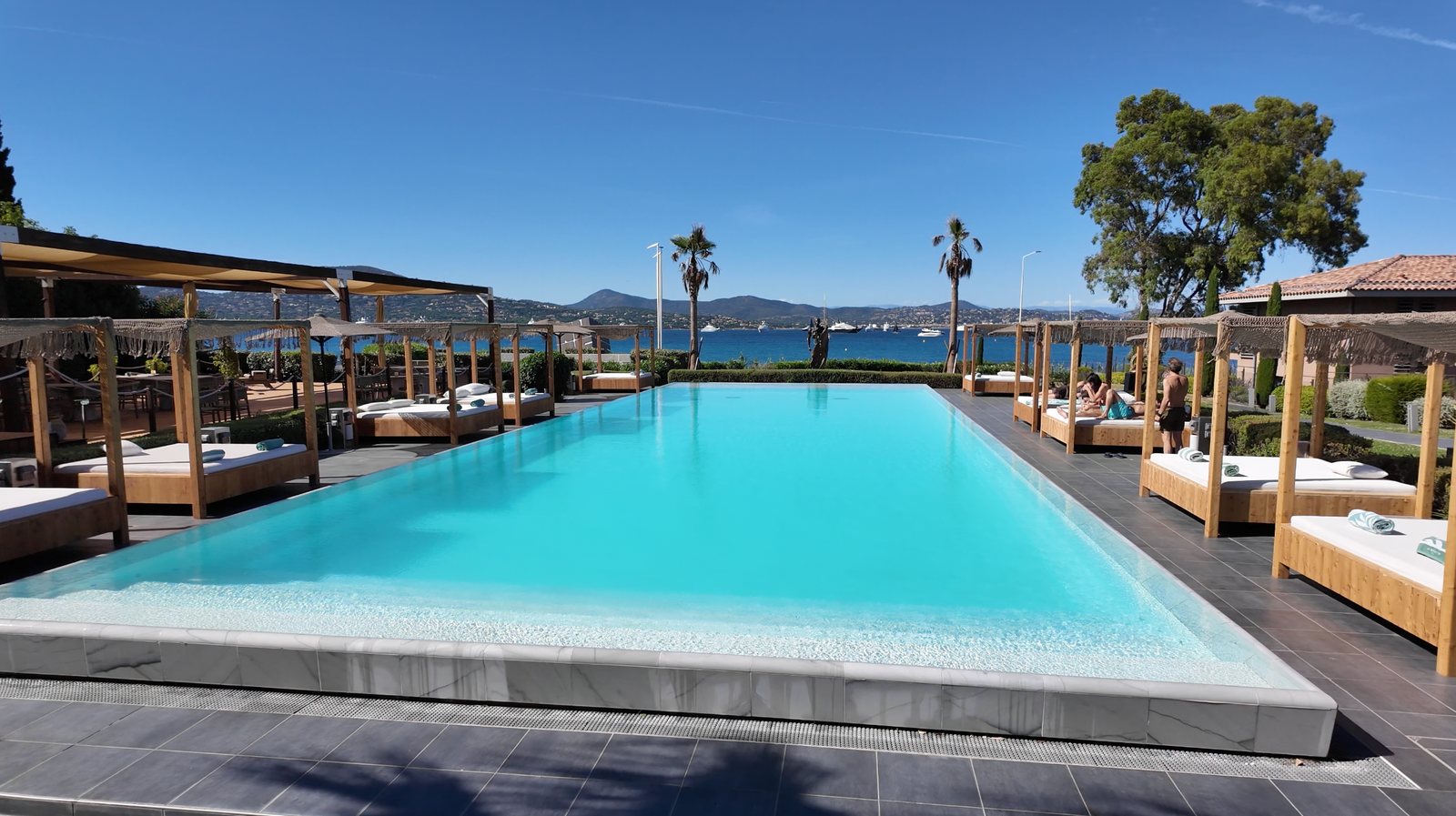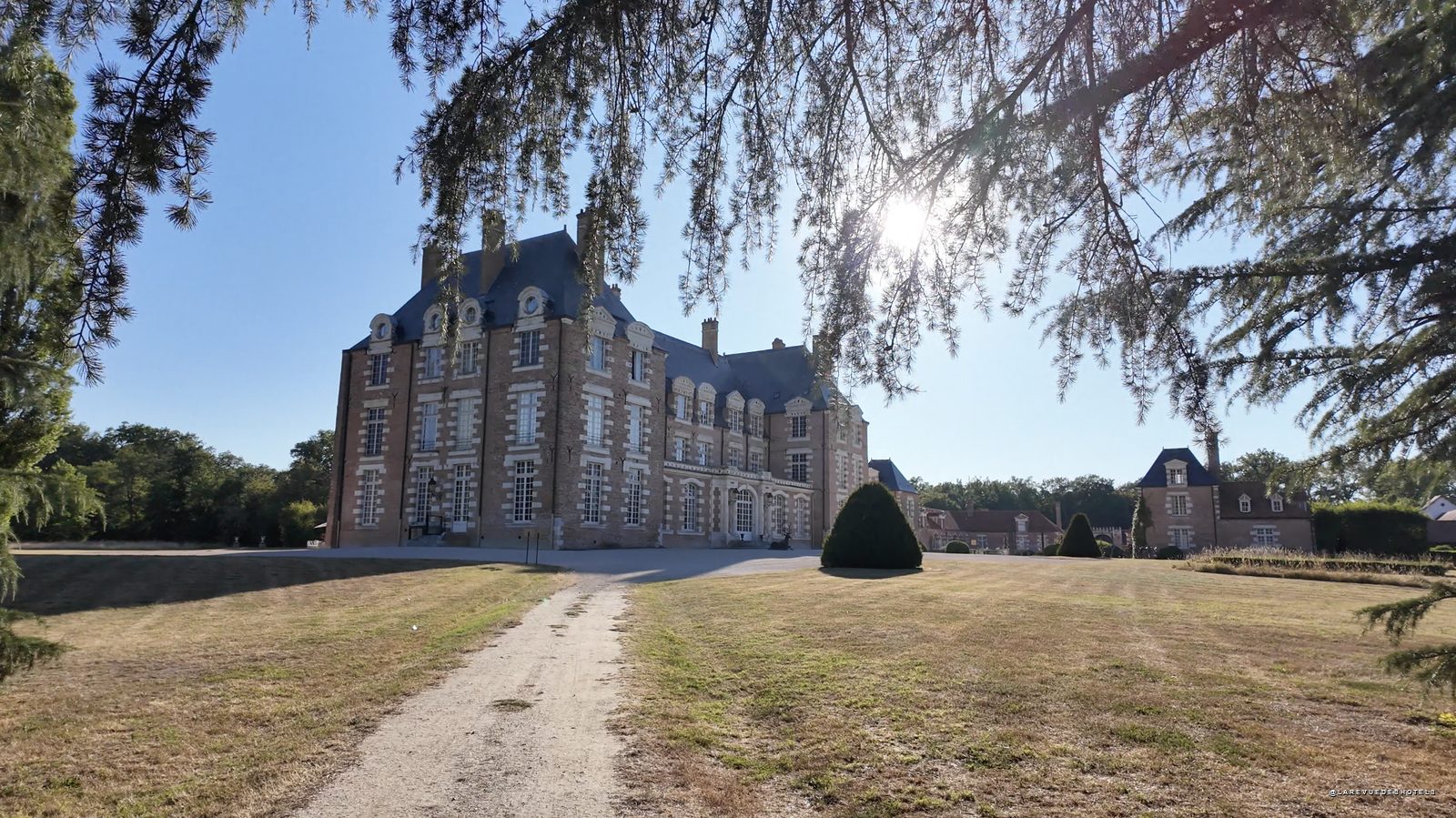
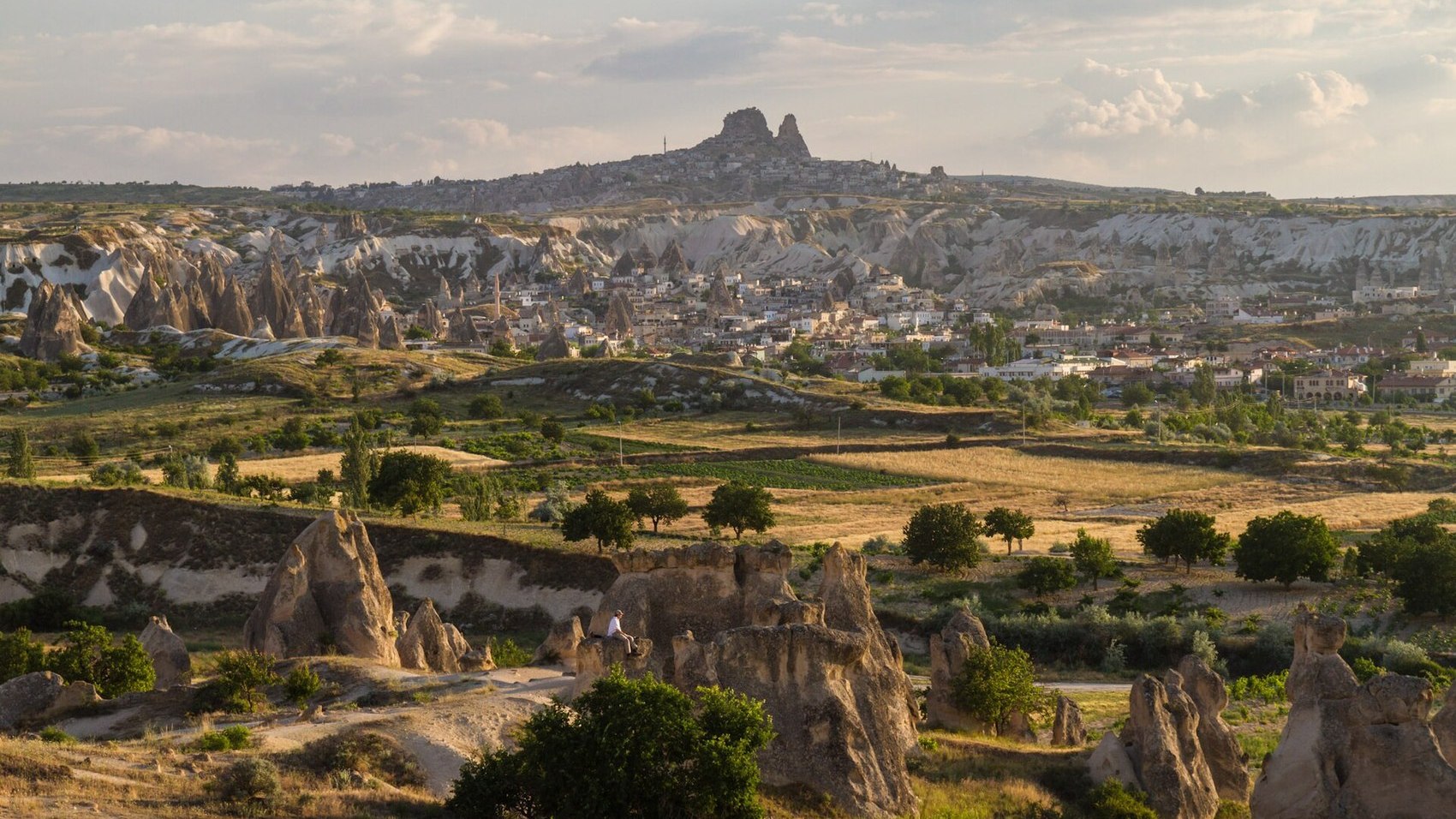

- 🏨 Project · Hotel Okura Thermal Resort & Spa Cappadocia
- 📍 Where · Mustafapaşa, Nevşehir province, Cappadocia (Turkey)
- 🗓️ Opening · 2028, thirteen years after the initial announcement
- 🔑 Capacity · 102 keys spread across four buildings
- 🧖 Spa · 3,500 m², presented as the largest in the region
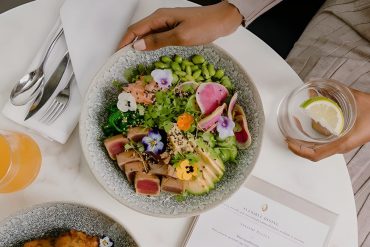
- 🍽️ Dining · three restaurants, including the Sazanka teppanyaki
- 🤝 Partners · Hotel Okura and investment group KK Universal
It has taken thirteen years. Japanese group Hotel Okura confirmed on July 27, 2026, the 2028 opening of the Hotel Okura Thermal Resort & Spa Cappadocia, in the village of Mustafapaşa, Cappadocia. The project was initially launched in February 2015 through a joint venture that remained dormant for over a decade. This will be the brand’s first property in Turkey.
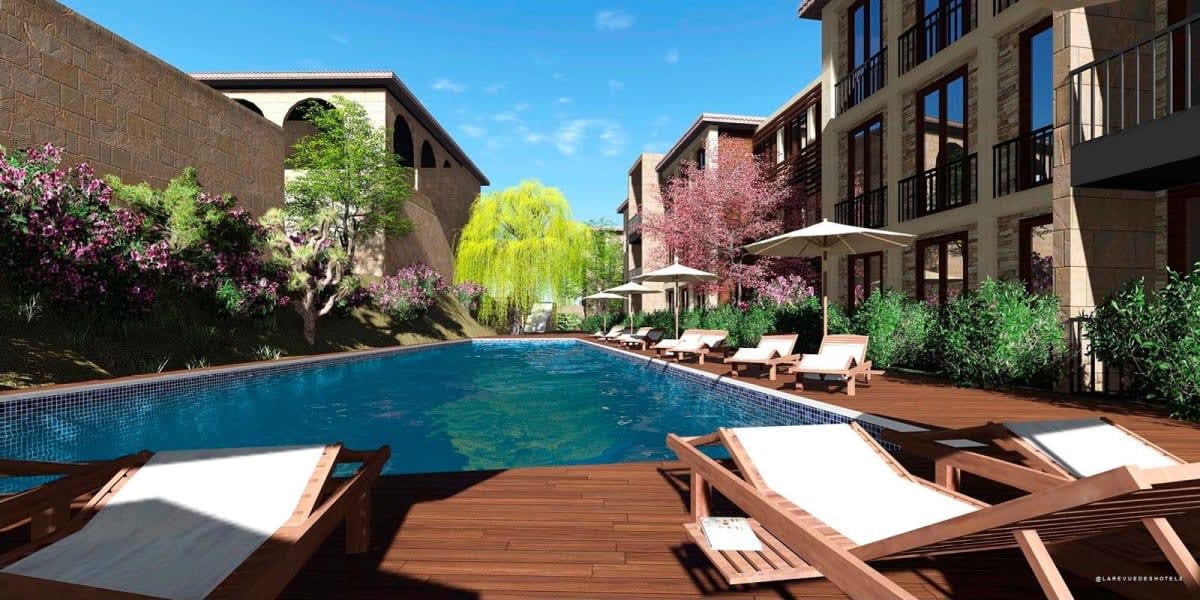
A 2015 project revived in 2026
The history of this venture says a lot about luxury hospitality in Turkey. The joint venture Okura Saraylı Hotel Management was established on February 13, 2015, with Saraylı Turizm. Then followed eleven years of little to no activity. It was the arrival of KK Universal, a Turkish-based real estate and hotel investment group, that unblocked the project.
The hotel management contract was signed on May 22, 2026, with Oluşum Grubu Gayrimenkul Yatırımları ve İnşaat Ticaret, the operating company. Two months later, the public announcement set the opening for 2028. “We are honored to launch this project with KK Universal,” stated Toshihiro Ogita, President of Hotel Okura, emphasizing that this marks the brand’s entry into the Turkish market.
| February 2015 | Creation of the joint venture Okura Saraylı Hotel Management A.Ş. |
|---|---|
| May 22, 2026 | Signing of the hotel management contract with Oluşum Grubu |
| July 27, 2026 | Public announcement of the revived project and its timeline |
| 2028 | Announced opening of the thermal resort |
Four buildings, 102 keys, and a restored mansion
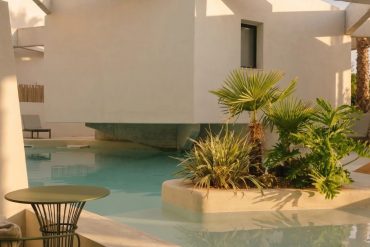
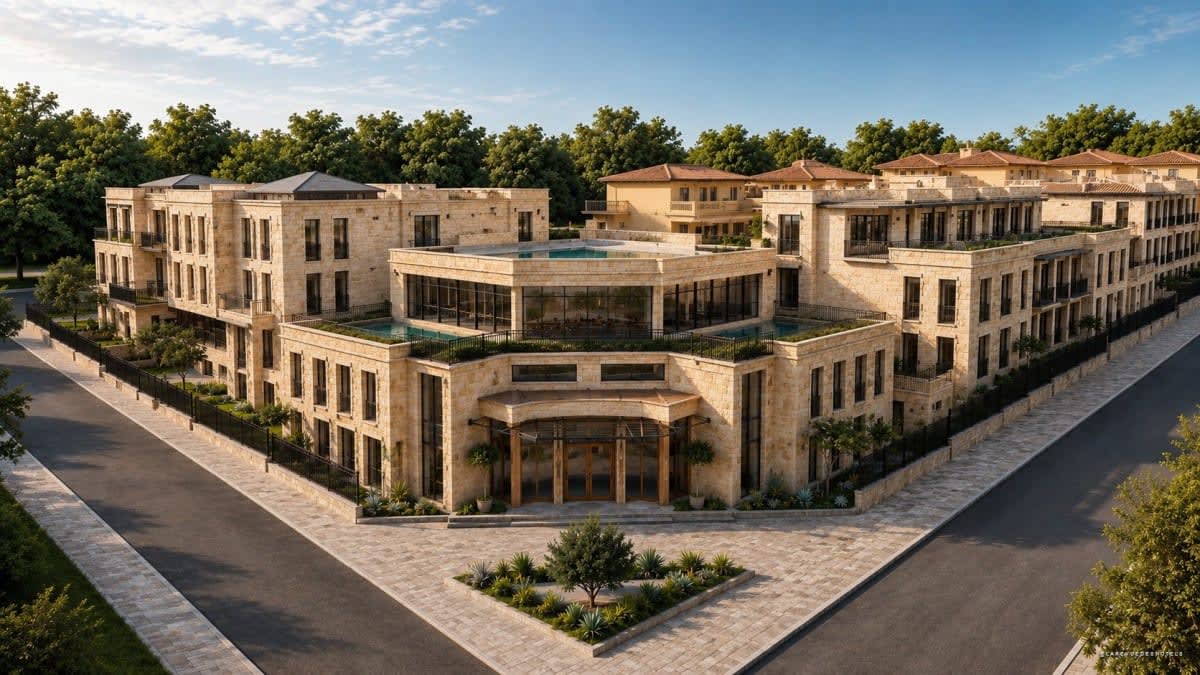
The program is now finalized, and it is more nuanced than a simple new-build resort. The property will feature 102 keys spread across four buildings, three of which will be connected by underground passageways. A historical mansion acquired for the operation will be restored and integrated into the estate alongside preserved stone structures.
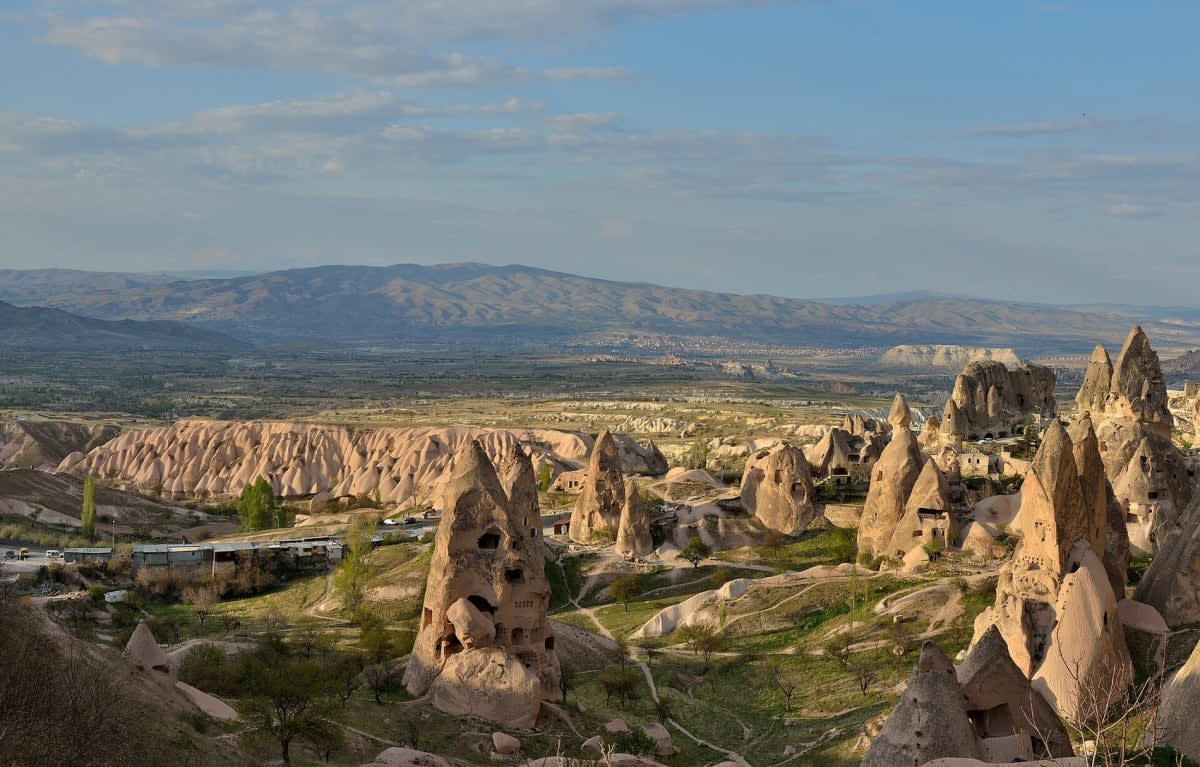
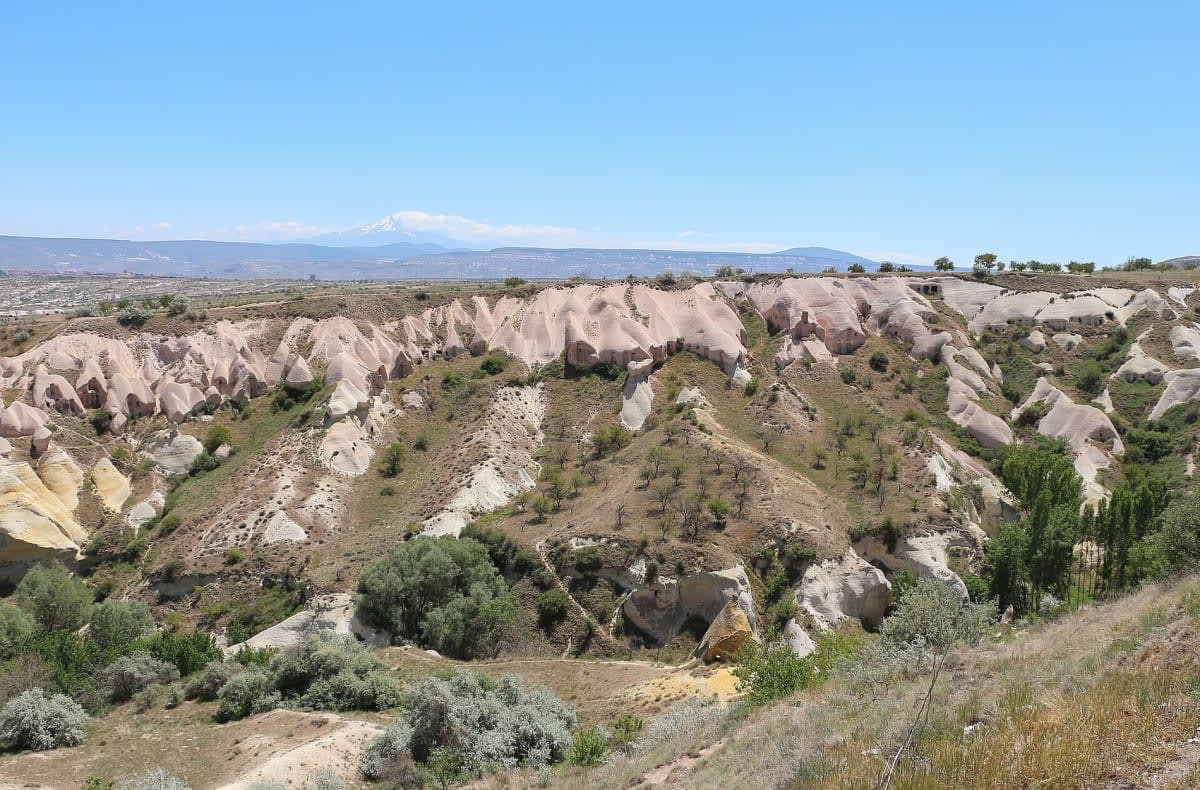
This approach of blending the old with the new partly explains the lengthy timeline. Restoring heritage architecture in a UNESCO World Heritage region presents constraints that a greenfield development avoids. The site is located approximately 55 kilometers from Nevşehir Cappadocia Airport.
Mustafapaşa, a choice distinct from Göreme
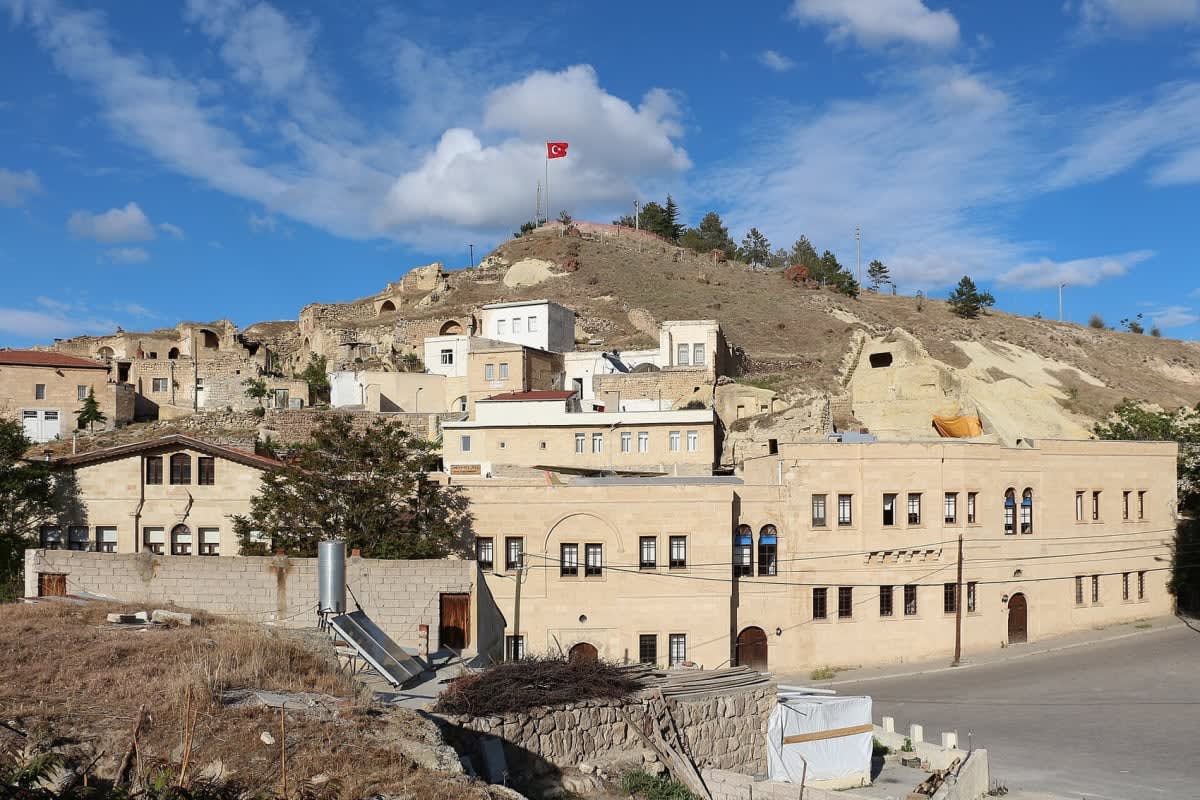
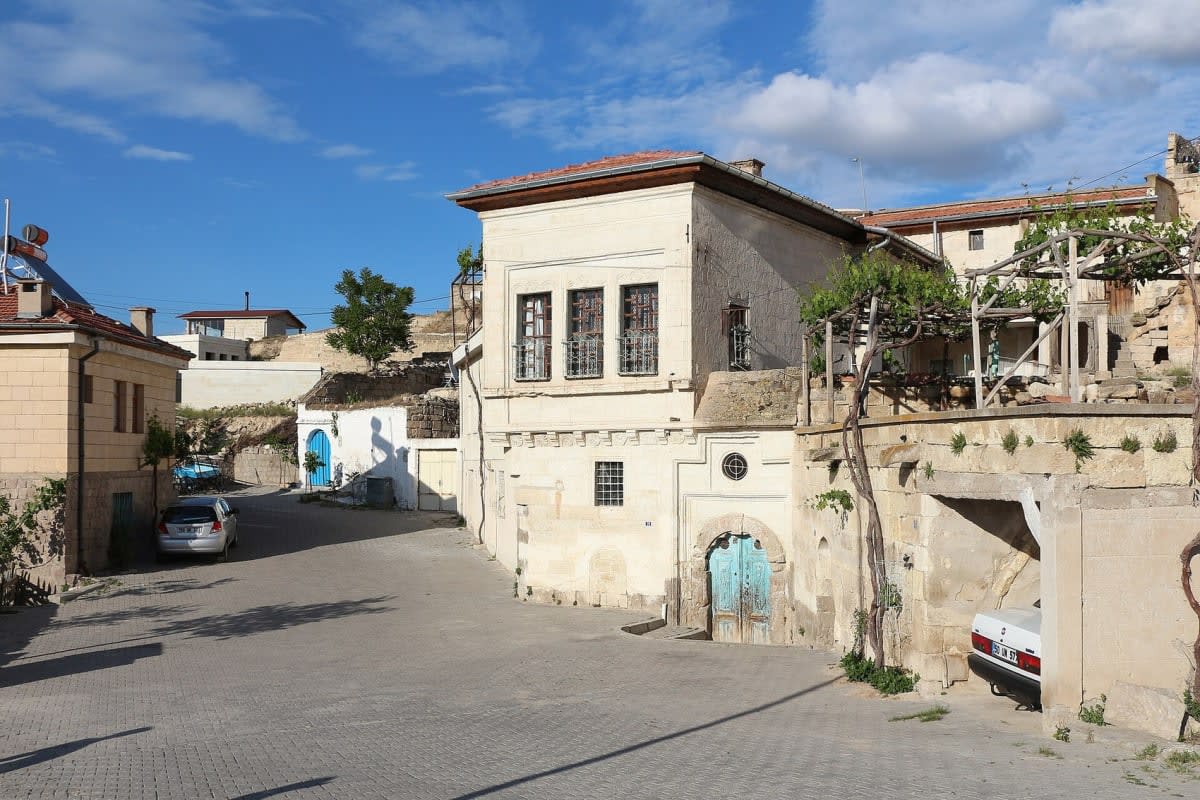
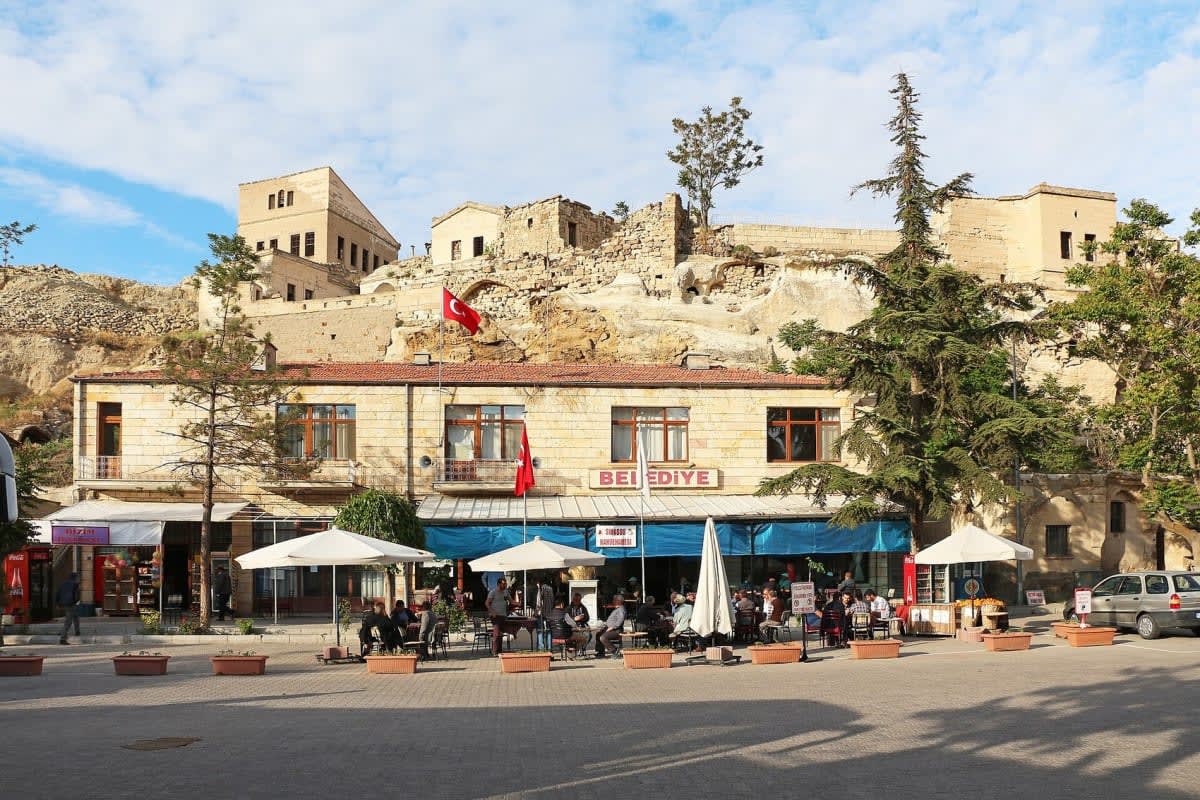
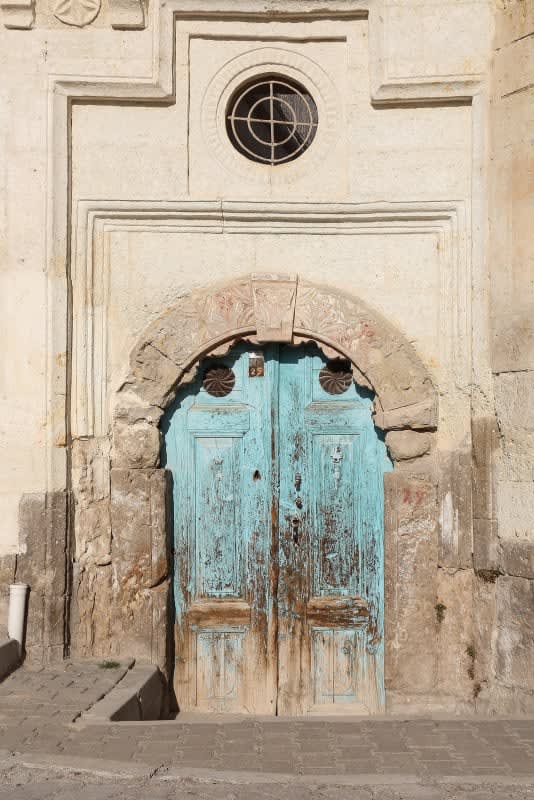
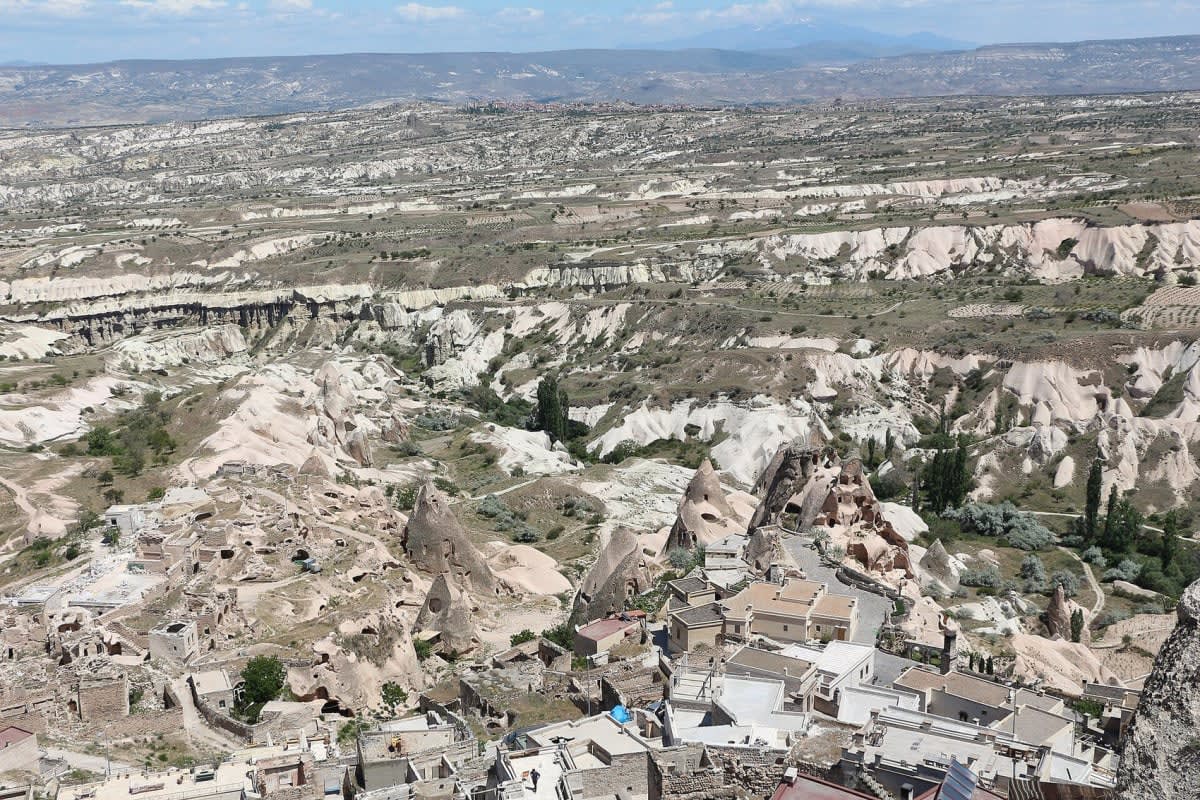
The location is worth noting. Mustafapaşa is not the postcard version of Cappadocia. The village, formerly known as Sinasos, owes its cut-stone architecture to the Greek artisans who inhabited it until the 1923 population exchange, and it has maintained an exceptionally cohesive architectural fabric, far from the tourist density of Göreme or Ürgüp.
For a Japanese brand that champions omotenashi, an hospitality rooted in discreet attentiveness, the tranquility of the location is not a minor detail: it is a prerequisite for the product. However, Mustafapaşa is situated away from the main tourist hubs, meaning the resort will need to generate its own draw rather than simply capture existing foot traffic.
Thermal wellness as a driver for longer stays
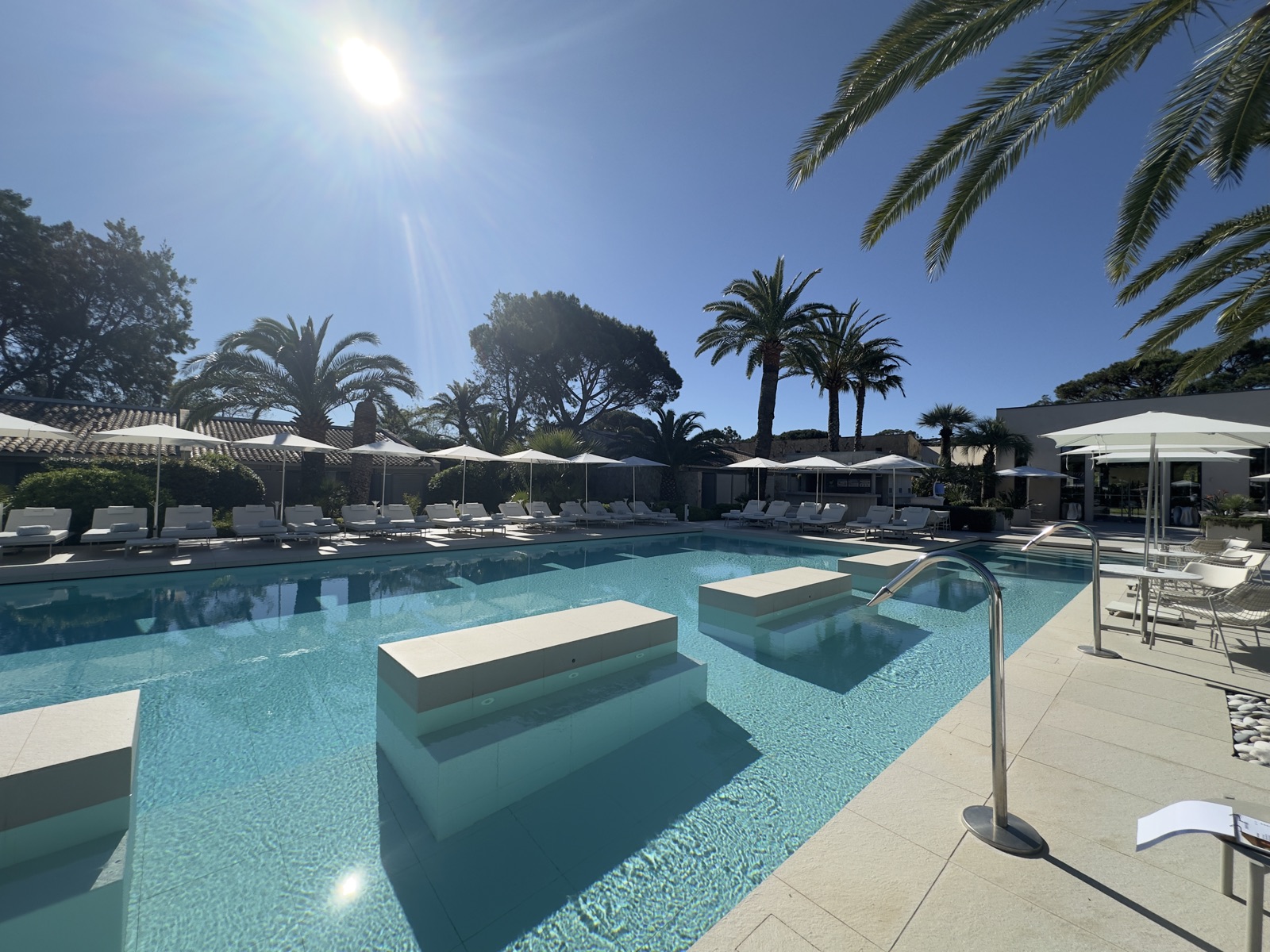
At the heart of the project is a 3,500-square-meter thermal and wellness center, presented as the largest in the region. It will draw from licensed mineral springs, featuring thermal baths and a traditional Turkish hammam. The economic objective is clear: to extend stays that rarely exceed two nights in Cappadocia.
This strategy aligns with what the region already does well. Cappadocia attracts vast numbers of visitors for its hot-air balloon rides and rock-cut churches, two experiences consumed within a single morning. Thermal therapy, however, is practiced as a cure. If the formula succeeds, the entire local high-end hospitality sector will benefit, not just Okura.
Three dining venues, including a Sazanka teppanyaki
The resort will feature three restaurants. Among them is Sazanka, Okura group’s signature historic teppanyaki concept born in Tokyo. This is the project’s most Japanese signature, and arguably its riskiest: a teppanyaki counter in central Anatolia relies on an international clientele that the region will need to continue attracting during the off-season.
Our perspective
This venture is notable less for its superlatives than for its timeline. A project announced in 2015, lying dormant for eleven years, then revived in three months through the entry of an investor: this is the classic pattern for major hotel assets in Turkey, where land and tourism have never been lacking, but patient capital has been rare.
One unknown remains. The 2028 opening gives other operators two years to position themselves in the same thermal wellness niche, within a region where the high-end offering is expanding rapidly. Okura’s gamble is that the combination of a 3,500-square-meter spa and restored heritage architecture cannot be replicated in twenty-four months. We will be following this development closely.