
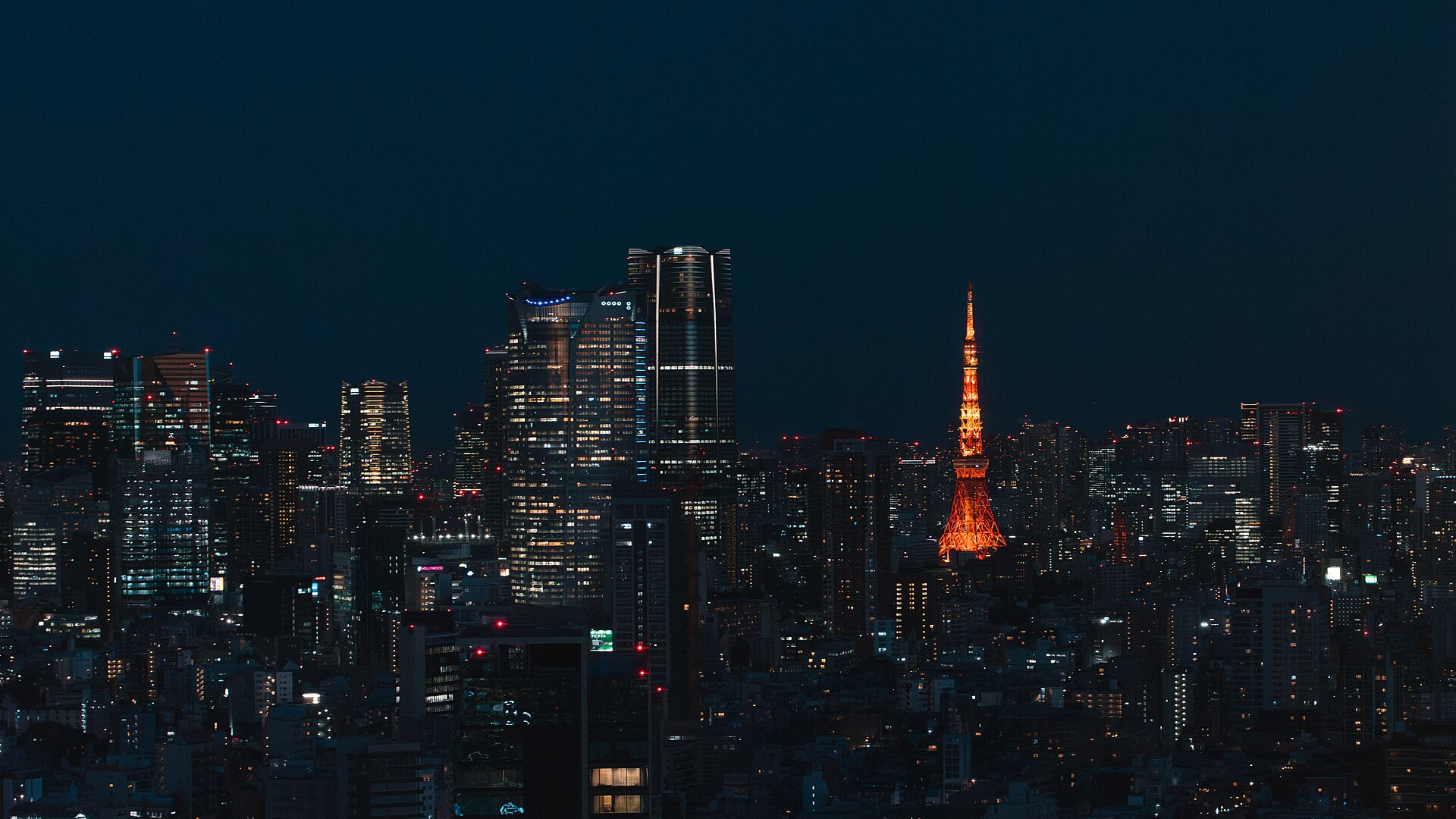

Japan has never been more of a dream destination. In 2025, the archipelago welcomed 42.7 million foreign visitors, an absolute record that shatters its pre-Covid peak by 34%. Driven by a weak yen and the massive return of air routes, this tourist tidal wave is reshaping the entire hotel landscape, from Tokyo palaces to mountain ryokans. A breakdown of a wave that makes Japan one of the most contested territories in luxury travel.
- Japan welcomed 42.7 million foreign visitors in 2025, a historic record (source JNTO, Japan National Tourism Organization).
- Footfall up by 15.8% year-on-year, and 34% higher than the pre-Covid peak of 2019 (31.9 million).
- Visitors spent nearly 9.5 trillion yen locally, or approximately 58 billion euros.
- The government is targeting 60 million visitors by 2030.
- A weak yen and the return of air capacity are fueling the wave · the luxury hotel industry is on the front line.
A record that definitively erases Covid
The 42 million visitor mark has been crossed for the first time in the country’s history. After a recovery that was already spectacular in 2024 (36.9 million), Japan accelerated in 2025 to reach 42.7 million foreign travellers, an increase of 15.8% over one year. The most striking aspect remains the comparison with 2019: the archipelago now hosts a third more visitors than before the pandemic, when most major destinations are still struggling to return to their previous levels. In just a few years, tourism has become one of the most dynamic engines of the Japanese economy.
Weak yen and reopened skies, the engines of the wave
Two factors explain the scale of the phenomenon. The first is monetary: the historic weakness of the yen offers foreign visitors unprecedented purchasing power, turning palaces, starred gastronomy, and luxury boutiques into relative bargains for international clients. The second is logistical: after years of restrictions, air capacity has returned to its pre-Covid level, with a multiplication of direct routes from Europe, North America, and the rest of Asia. Added to this is Japan’s image at its peak, driven by popular culture and the highly shared aesthetics of social networks, from Kyoto to the Japanese Alps.
What the boom changes for luxury hotels
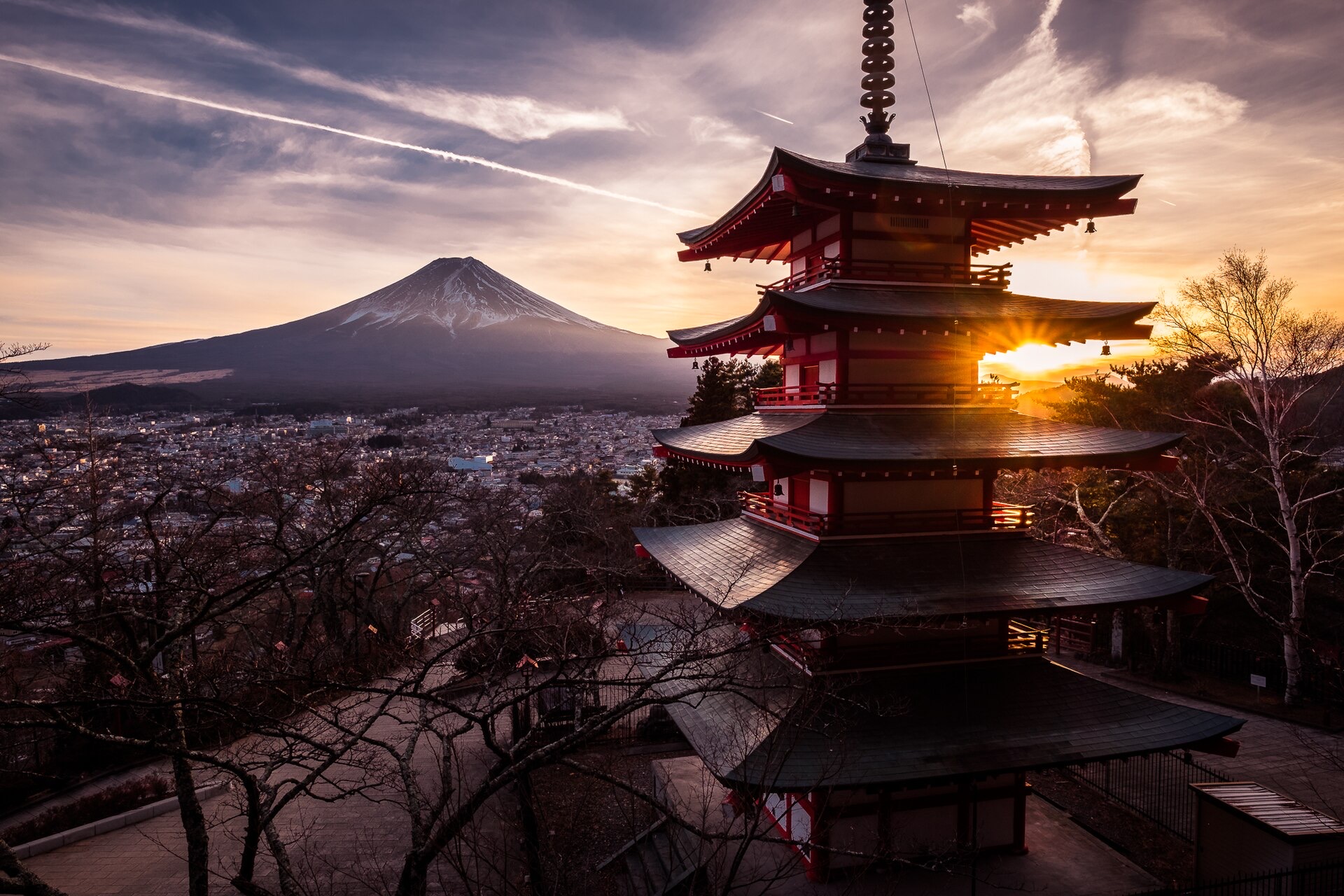
This surge is putting the hotel sector under pressure, and nowhere more so than in the high-end segment. In Tokyo, Kyoto, and Osaka, palaces are reporting record occupancy rates and prices, and demand far exceeds available supply. The result: an unprecedented wave of openings and announcements, from major international groups to ultra-luxury brands, while traditional ryokans · those charming inns with hot springs · are experiencing a spectacular resurgence of interest from clients in search of authenticity. Japan is establishing itself as one of the priority markets for hotel investors, who see it as a rare growth driver in a global sector that has reached maturity. Our selection of the best luxury hotels in Tokyo provides a glimpse of this excitement.
Three legendary addresses to experience Japan
Faced with this record demand, a few establishments embody the Japanese art of hospitality better than others. Here are three exceptional addresses, from Tokyo to Kyoto, where you can extend the Japanese luxury experience.
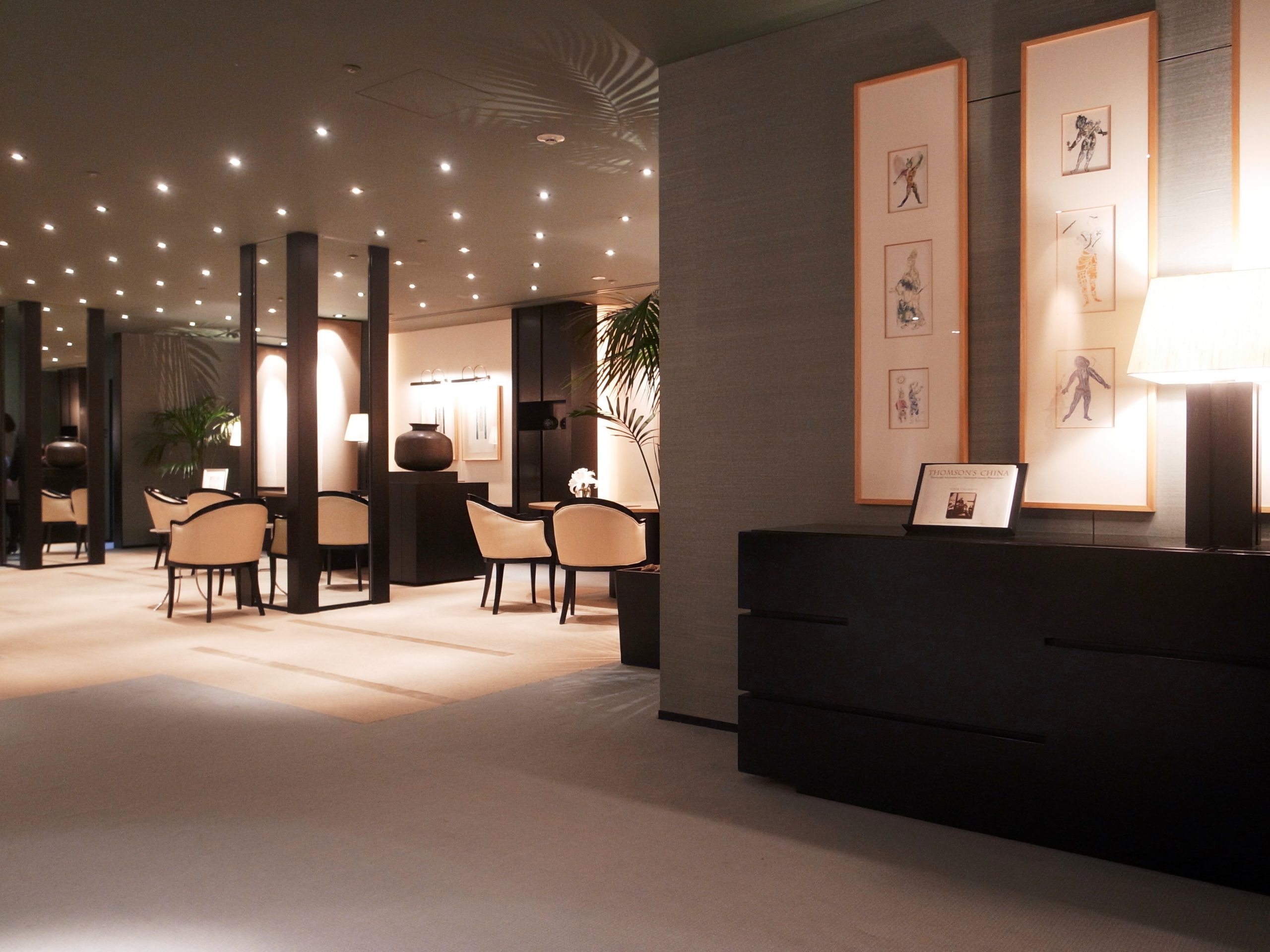
Park Hyatt Tokyo
Perched at the top of a Shinjuku tower designed by Kenzo Tange, the Park Hyatt Tokyo was immortalised by “Lost in Translation”. Its rooms offer dizzying views of the megalopolis and, on clear days, of Mount Fuji, while its New York Bar remains one of the most legendary meeting spots in the capital.
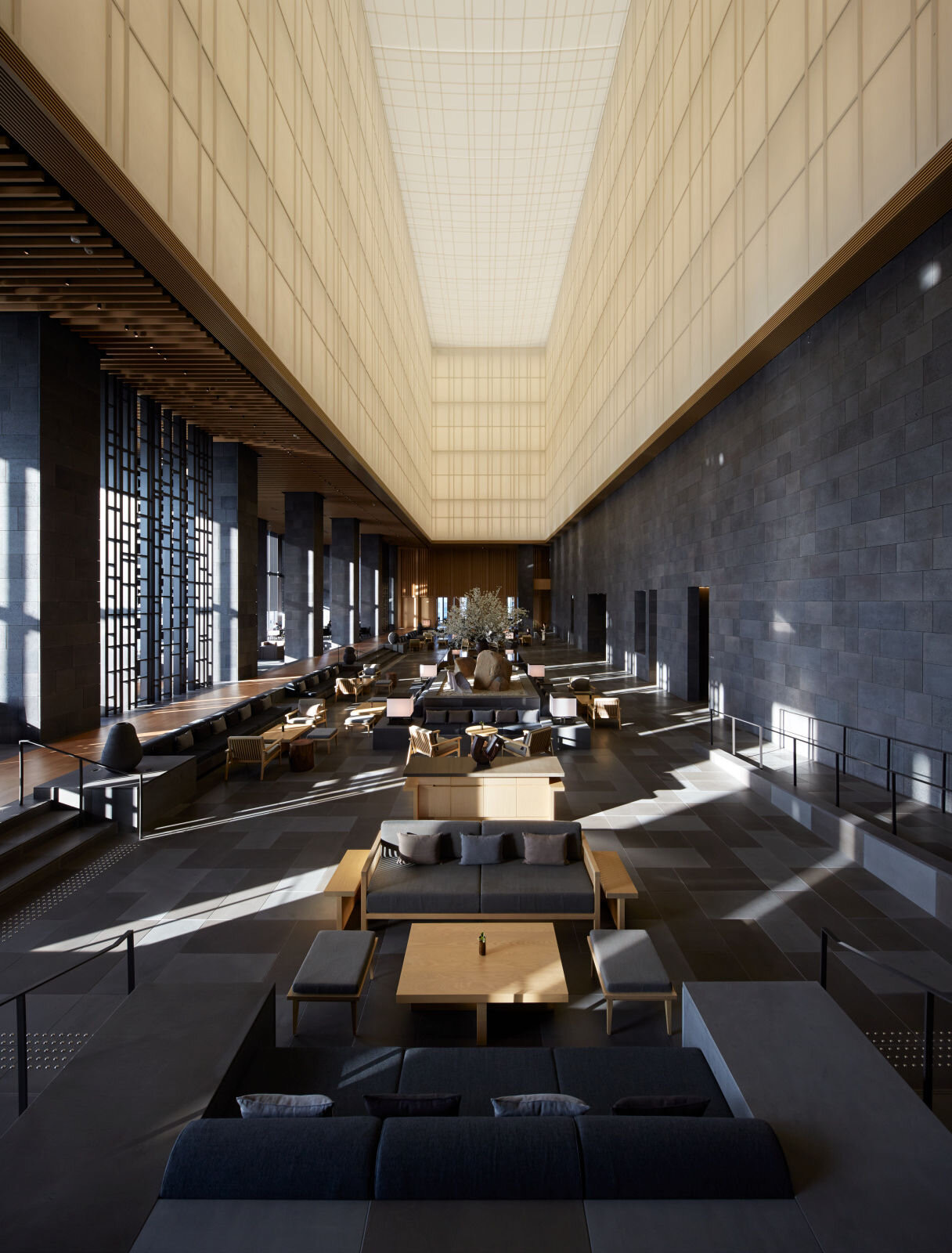
Aman Tokyo
The Aman Tokyo transposes the spirit of the ryokan to the scale of a skyscraper. Spread across the top of a tower in the Otemachi business district, it seduces with its clean volumes, its spectacular thirty-metre atrium topped with a washi paper lantern, and one of the most refined spas in the capital, a true urban sanctuary suspended above the city.
The Ritz-Carlton, Kyoto
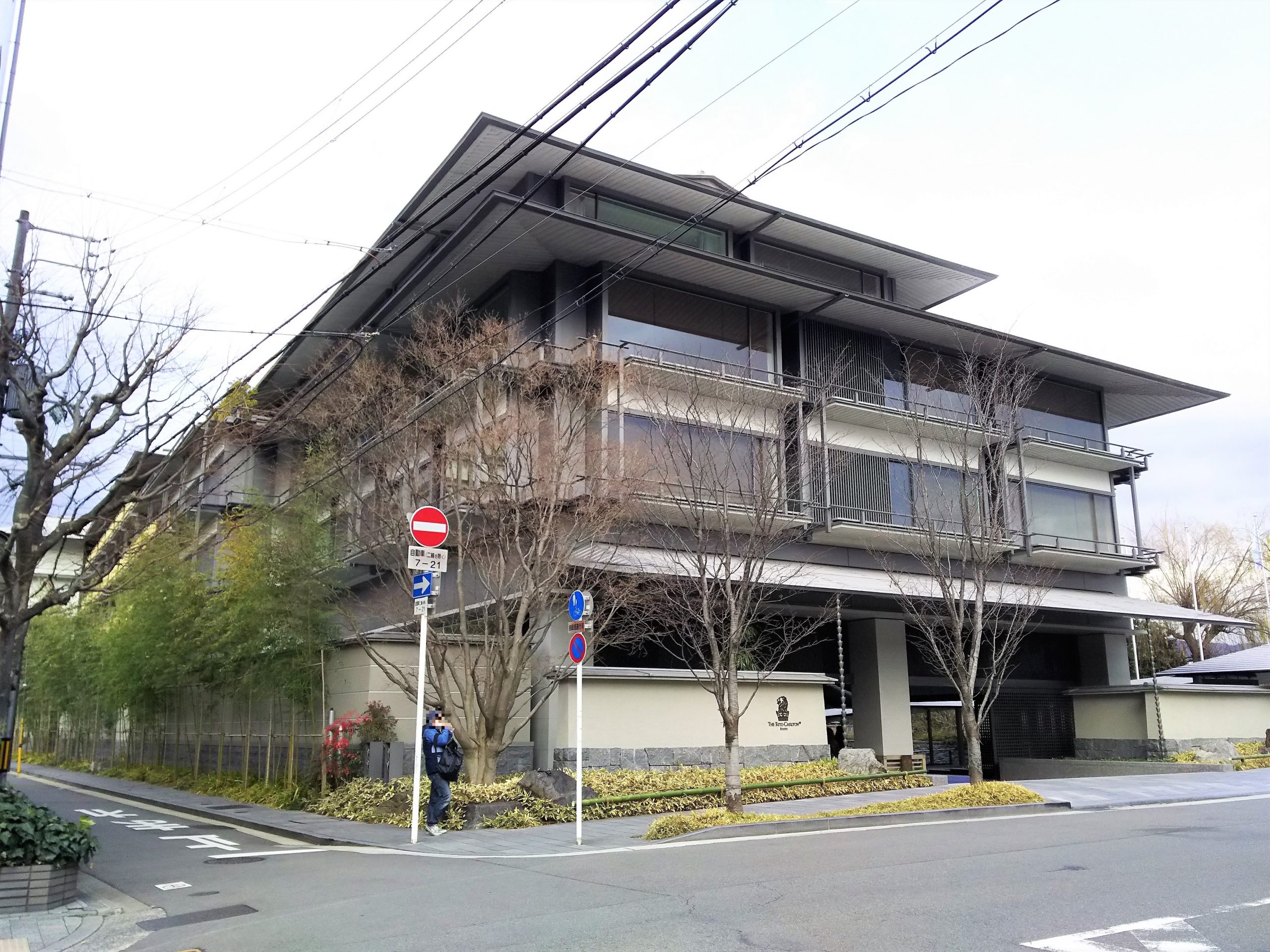
On the peaceful banks of the Kamogawa River, The Ritz-Carlton Kyoto marries contemporary luxury with imperial heritage. Landscaped gardens, noble materials, and local art of living make up a rare address in the heart of the ancient capital, just a few steps from the temples and alleys of Gion.
Aiming for 60 million visitors in 2030
Far from wanting to slow down, Tokyo intends to amplify the movement. The Japanese government has set a target of 60 million annual visitors by 2030, which is another 40% more than in 2025. An ambitious goal that requires multiplying reception capacities, but also managing the initial effects of overtourism, already noticeable in Kyoto or at the most photographed sites. For the luxury hotel industry, the equation is clear: capture exploding demand while preserving the rarity and art of living that precisely give a stay in Japan its value.
Our perspective
Japan today brings together a rare combination: record demand, a favourable exchange rate, and an image at its zenith. For major hotel houses, it is one of the few remaining eldorados of global luxury travel. The fundamental challenge remains, the one already known to Venice or Barcelona: growing without losing one’s soul. The entire challenge of the coming years will be played out there, in the archipelago’s ability to welcome ever more travellers without sacrificing what makes them come.