

- Covivio Hotels has invested 43.5 million euros to acquire a 440-room property in Torremolinos, Spain.
- This strategic acquisition aims to support the Costa del Sol in its ongoing transition toward high-end luxury tourism.
- The ADP Group reported a 4.9% decline in air traffic for April 2026, highlighting potential risks for the luxury travel sector.
- The new property is designed to compete with prestigious destinations like Marbella and Estepona through a comprehensive, immersive resort experience.
As financial markets scrutinise corporate announcements, certain transactions reveal underlying trends for the luxury and hospitality sector. The announcement by Covivio, one of Europe’s leading hotel real estate players, marks a major strategic milestone, confirming investor appetite for coastal destinations undergoing a premium reinvention. At the same time, the air traffic figures disclosed by the ADP Group serve as a reminder of the fragility of premium travel, often dependent on a serene geopolitical environment to maintain its momentum. These two opposing dynamics, strategic expansion on one side and caution in the face of uncertainty on the other, sketch the contours of a luxury hospitality market in constant adaptation.
The Mediterranean: a new frontier for luxury hospitality
Covivio, a prominent player in the European real estate landscape, stands out for its proactive management and its ability to identify growth potential in the hotel sector. The recent acquisition of a 440-room property in Torremolinos, Spain, by its subsidiary Covivio Hotels, represents an investment of 43.5 million euros. This transaction carries real significance: it forms part of a broader strategy of diversification and portfolio reinforcement in Southern Europe, a region whose appeal for an upscale clientele continues to grow.
Covivio strengthens its strategic presence in Spain
This move underlines the major groups’ confidence in the Spanish market’s ability to attract a discerning clientele. After a period of strong post-pandemic growth, the Iberian luxury hotel sector continues to seduce with its diverse offering, ranging from urban palaces to exclusive seaside resorts. The investment in Torremolinos reflects a long-term vision, betting on the transformation potential and upmarket trajectory of historic destinations. The 43.5-million-euro transaction positions Covivio as a key player in redefining luxury on the Costa del Sol.

Torremolinos: a destination in full metamorphosis
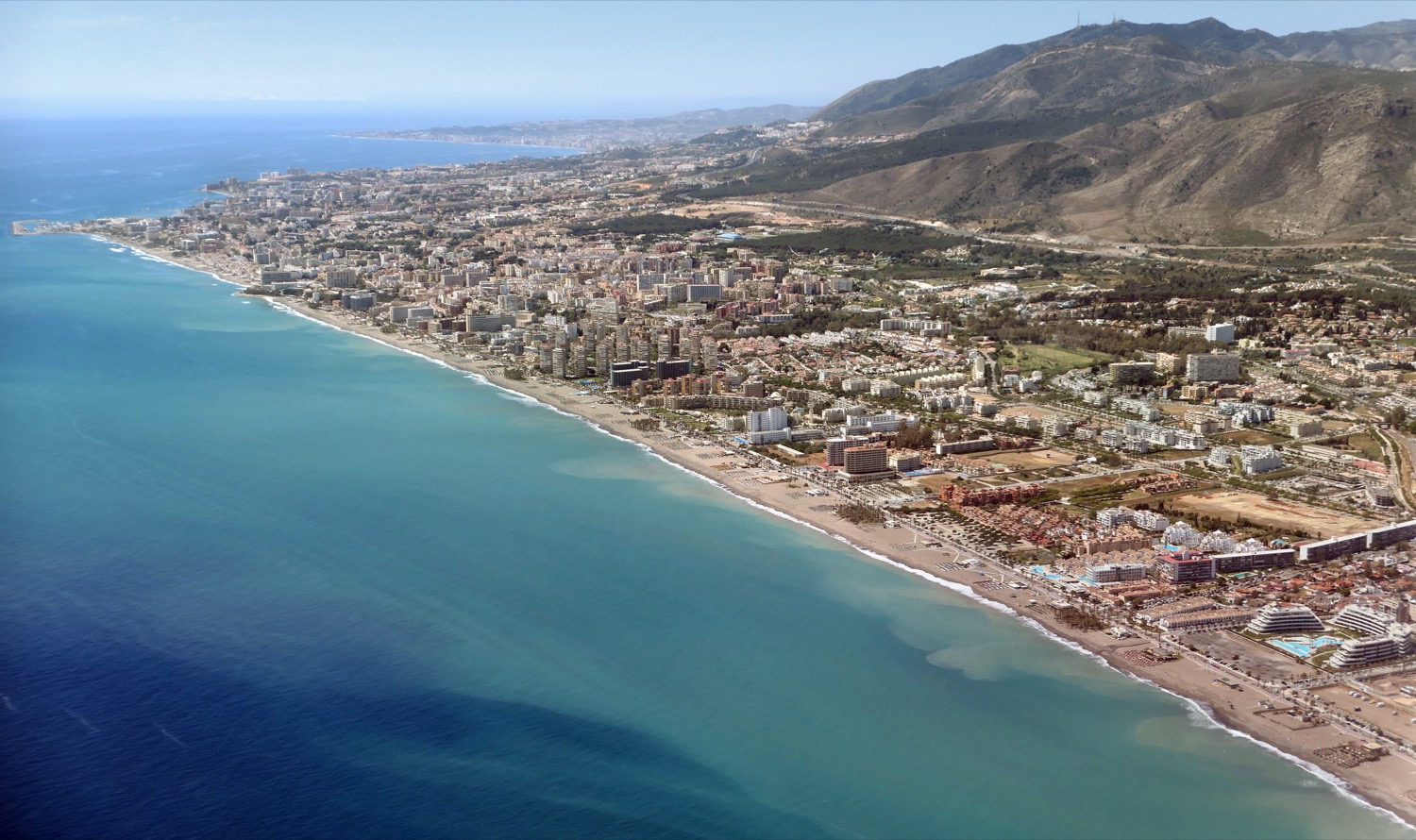
Torremolinos, long associated with mass tourism from decades past, has been undergoing a genuine renaissance for several years. The local authority and private players are working to restore its reputation, betting on modernised infrastructure, a richer cultural offer and, above all, a repositioning towards higher-quality tourism. The arrival of a hotel of this scale, backed by a player like Covivio, is a powerful catalyst for this transformation. It sends a strong signal to other investors, suggesting that Torremolinos is ready to compete with the most prestigious destinations on the Costa del Sol, such as Marbella and Estepona, by distinguishing itself through a renewed approach to coastal luxury.
The challenge of large-scale luxury hotel capacity
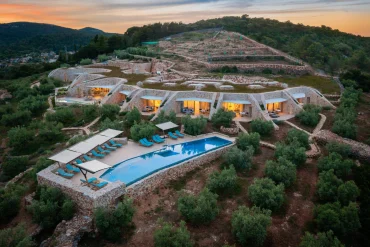
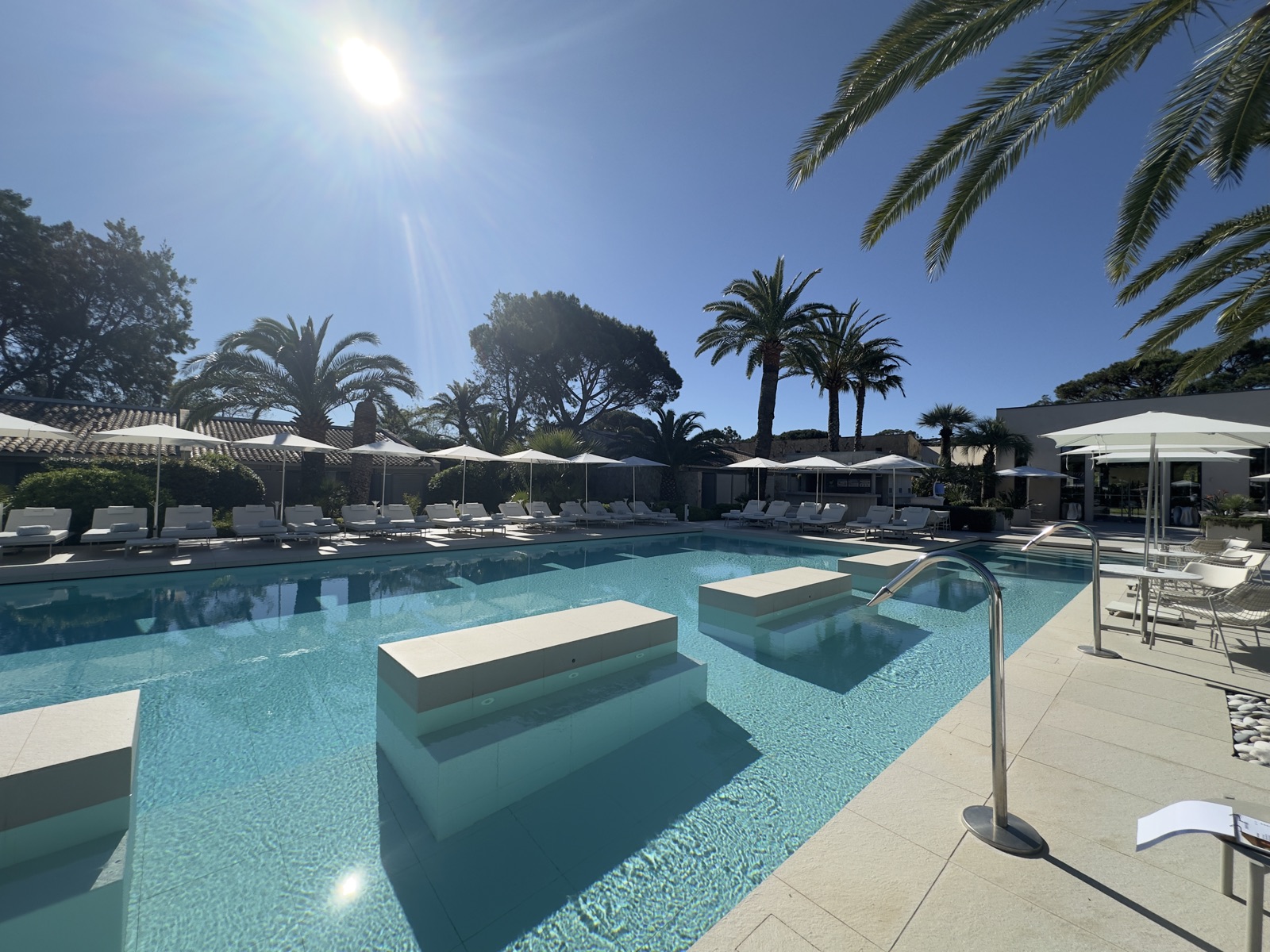
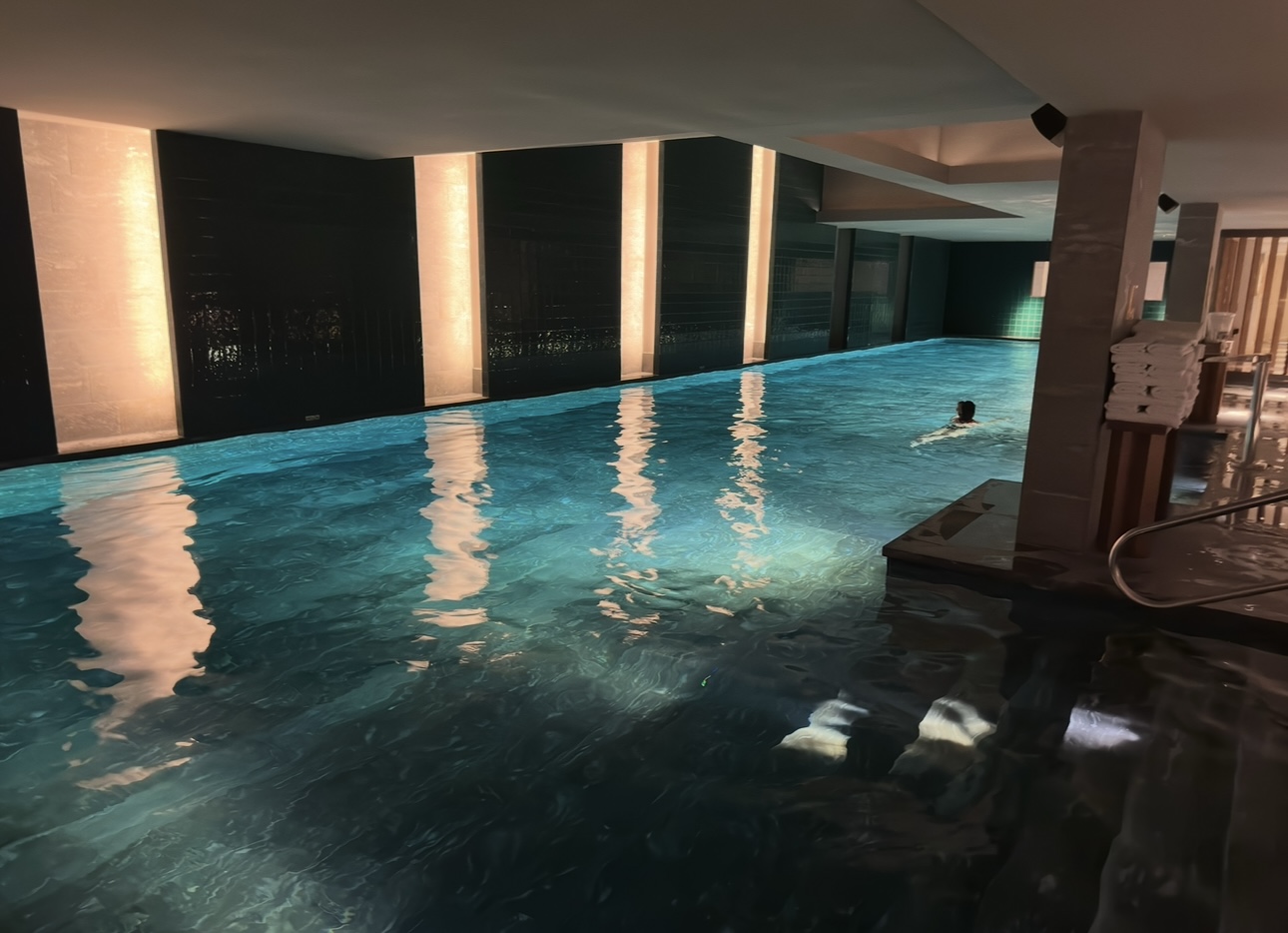
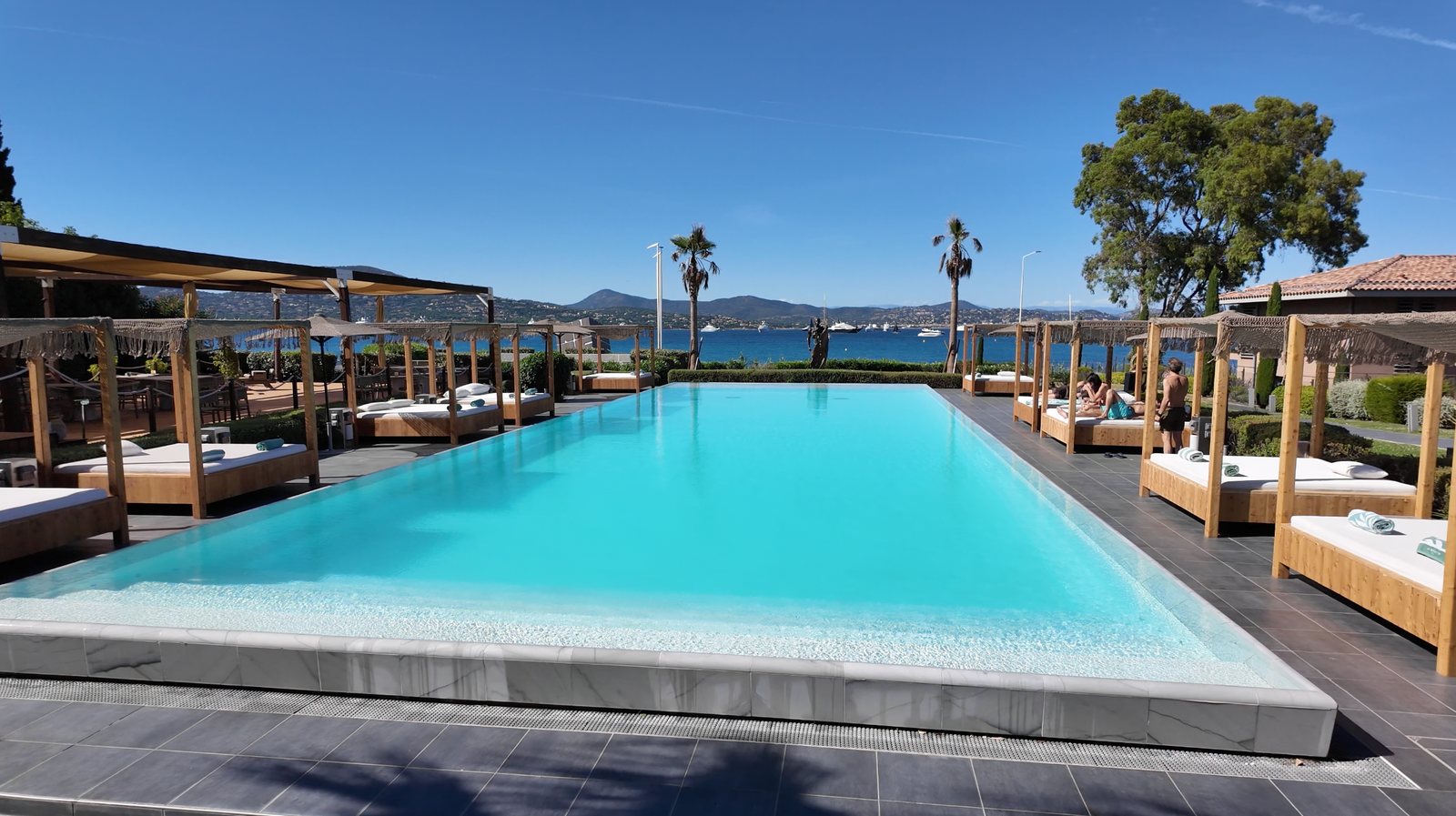
A 440-room property in the luxury segment represents a considerable challenge and opportunity. This capacity allows a wide range of services to be offered, from sophisticated MICE facilities to multiple fine dining options, internationally renowned spas and elegantly designed pools. Such a complex can become a destination in its own right, capable of attracting extended stays and major events, essential to the economic vitality and image of a luxury destination. This scale of property reflects a trend towards offering complete and immersive experiences within high-end resorts.

Headwinds in air transport and their impact on hospitality
Yet as luxury hospitality pursues its expansion, the air transport sector, its indispensable complement, is going through a period of turbulence. The ADP Group reported a 4.9% decline in its traffic in April 2026 compared with the previous year, a drop explicitly attributed to geopolitical instability in the Middle East. These figures have direct repercussions on luxury travel: the high-net-worth clientele, often composed of frequent international travellers, is particularly sensitive to security and political stability factors.

The impact of geopolitical turbulence on luxury
Regional tensions can lead to travel cancellations or postponements, itinerary changes and a reorientation towards preferred destinations perceived as more stable. Palaces and luxury boutique hotels feel this impact immediately, whether through a reduction in bookings from affected regions or a general reluctance towards destinations viewed as less stable. For operators, this demands greater agility, pricing flexibility and client diversification to minimise risk. Security and the perception of stability have become paramount criteria for the premium clientele.
Strategies of airport players in the face of challenges
Faced with these challenges, airport operators and airlines are adapting their strategies. For the luxury segment, this translates into enhanced personalised services, optimised VIP pathways and reassuring communication around flight safety and destination security. Major aviation hubs, such as those operated by the ADP Group (Paris-Charles de Gaulle and Paris-Orly), remain obligatory stopovers for international luxury travel. Their ability to deliver a seamless, high-end experience is therefore crucial to maintaining the attractiveness of the destinations they serve.
In conclusion, the luxury hospitality sector is evolving on two fronts simultaneously: bold investment opportunities, as illustrated by Covivio’s strategy in Spain, and the constraints imposed by an unpredictable global environment. The attractiveness of destinations like Torremolinos, driven by large-scale projects, proves the resilience and dynamism of the market. Nevertheless, air transport performance remains an essential barometer. The ability to navigate between these two poles, at once opportunistic and cautious, will be decisive for luxury players who wish to consolidate their position and continue to innovate in a hotel landscape in perpetual reinvention.