

- 3.9 billion euros were invested in the French hotel industry in 2025, a record (+27% year-on-year, +15% vs pre-Covid).
- Île-de-France dominates, with approximately 37% of the national pipeline of projects and nearly 1 billion euros in Paris alone.
- The French Riviera (PACA) and Auvergne-Rhône-Alpes complete the podium, driven by palaces, the Alps, and major fortunes.
- Capital is concentrated on the high-end (4-5 stars), major events, and international clientele.
The French hotel industry has just recorded a record year: nearly 3.9 billion euros were invested in hotels in France in 2025, up 27% year-on-year and 15% above pre-Covid levels. However, this money is not evenly distributed across the territory. A few regions capture the bulk of the capital, while others remain on the sidelines. Here’s where hotel investment is truly concentrated in France, and what it reveals about the tourism map of tomorrow.
A record market, but highly concentrated
Driven by the legacy of the Paris Olympic Games, the return of international clientele, and continuously rising average prices, 2025 will remain an exceptional year for French hotel investment. 4 and 5-star establishments concentrate a growing share of the value, supported by loyal clientele and a strong leverage effect during major events. But behind the national figure, the reality is that of a multi-speed market: a handful of territories attract capital, while vast parts of the country still struggle to attract investors.
1. Île-de-France, the undisputed locomotive
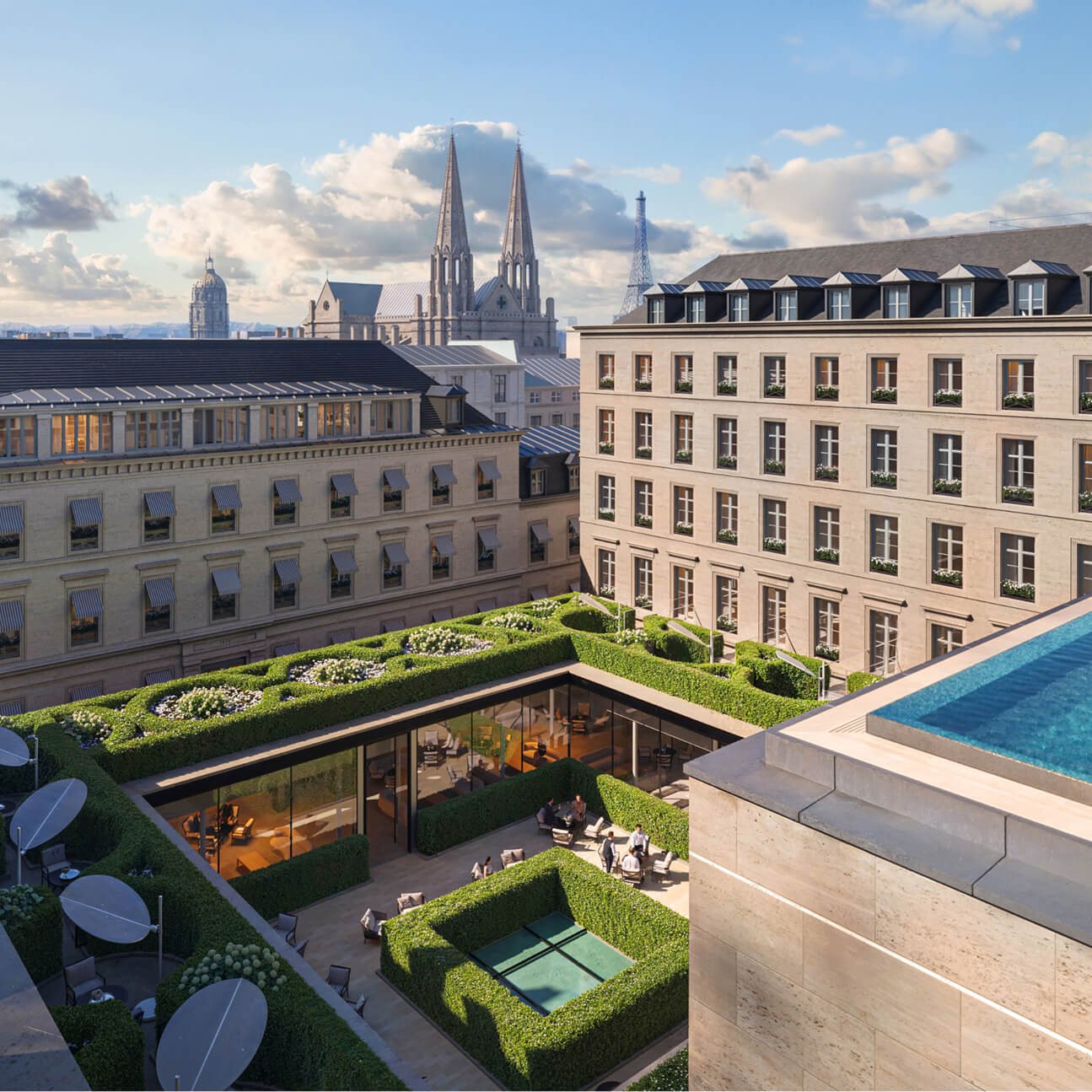
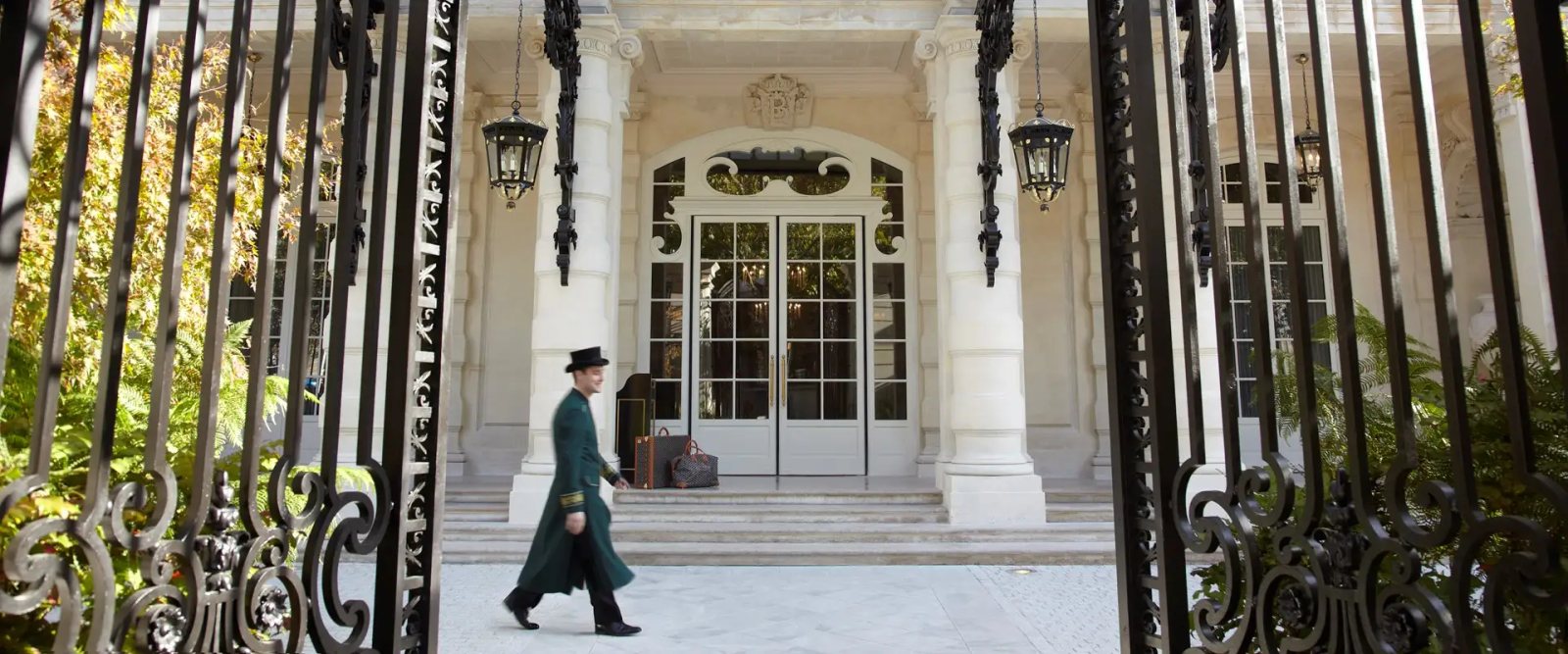
Unsurprisingly, the capital region crushes the competition. Paris alone concentrated approximately one billion euros in hotel investments over the year, and Île-de-France alone represents 37% of the national hotel project pipeline. With nearly 166,000 rooms, it is by far the largest park in France. The Olympic Games effect, business tourism, and an international clientele with high purchasing power maintain an appetite that nothing seems to slow down, particularly in the palace segment. To measure this density of Parisian luxury, one can reread our ranking of Paris palaces.
2. PACA and the French Riviera, the magnet for fortunes
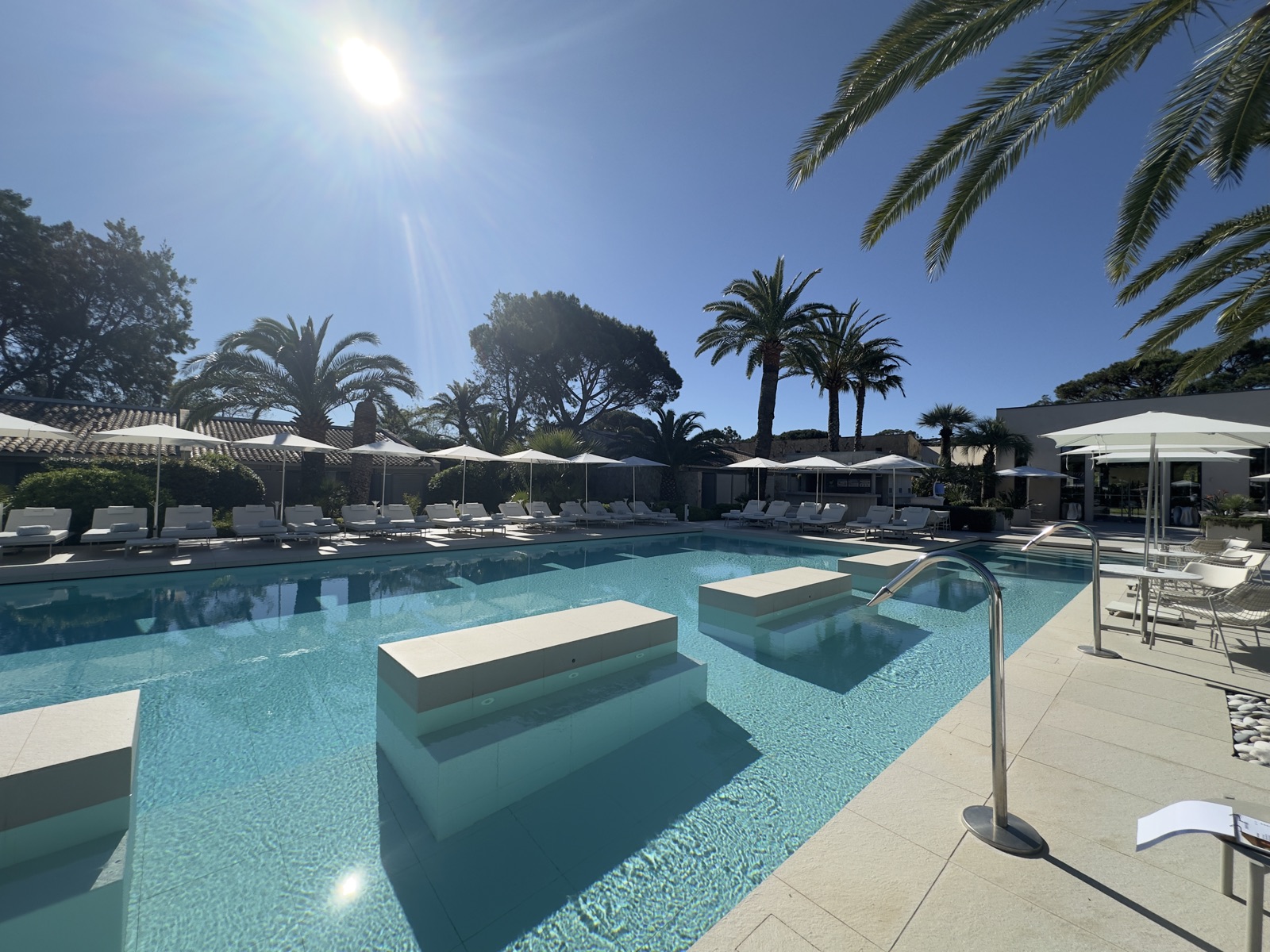
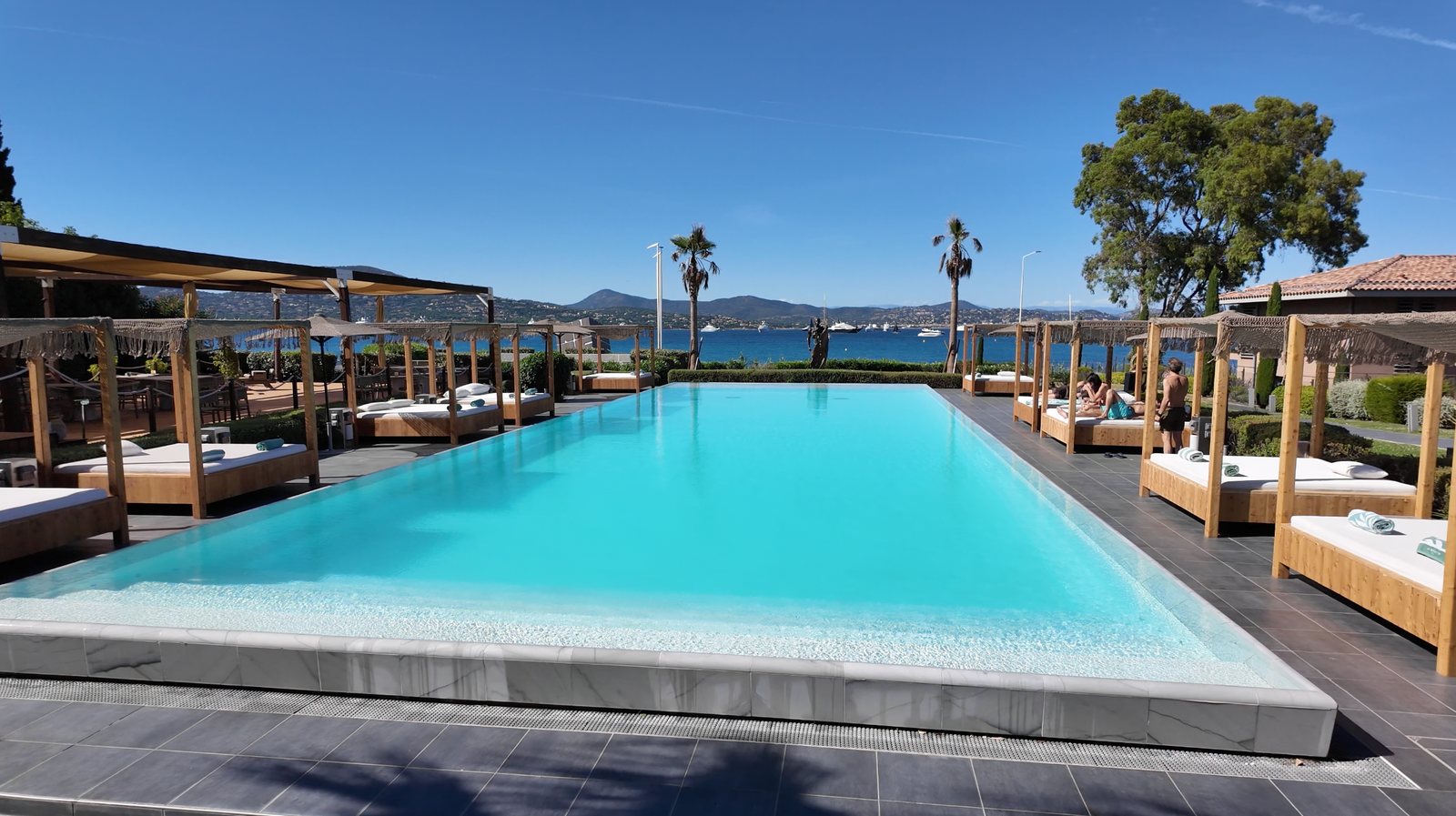
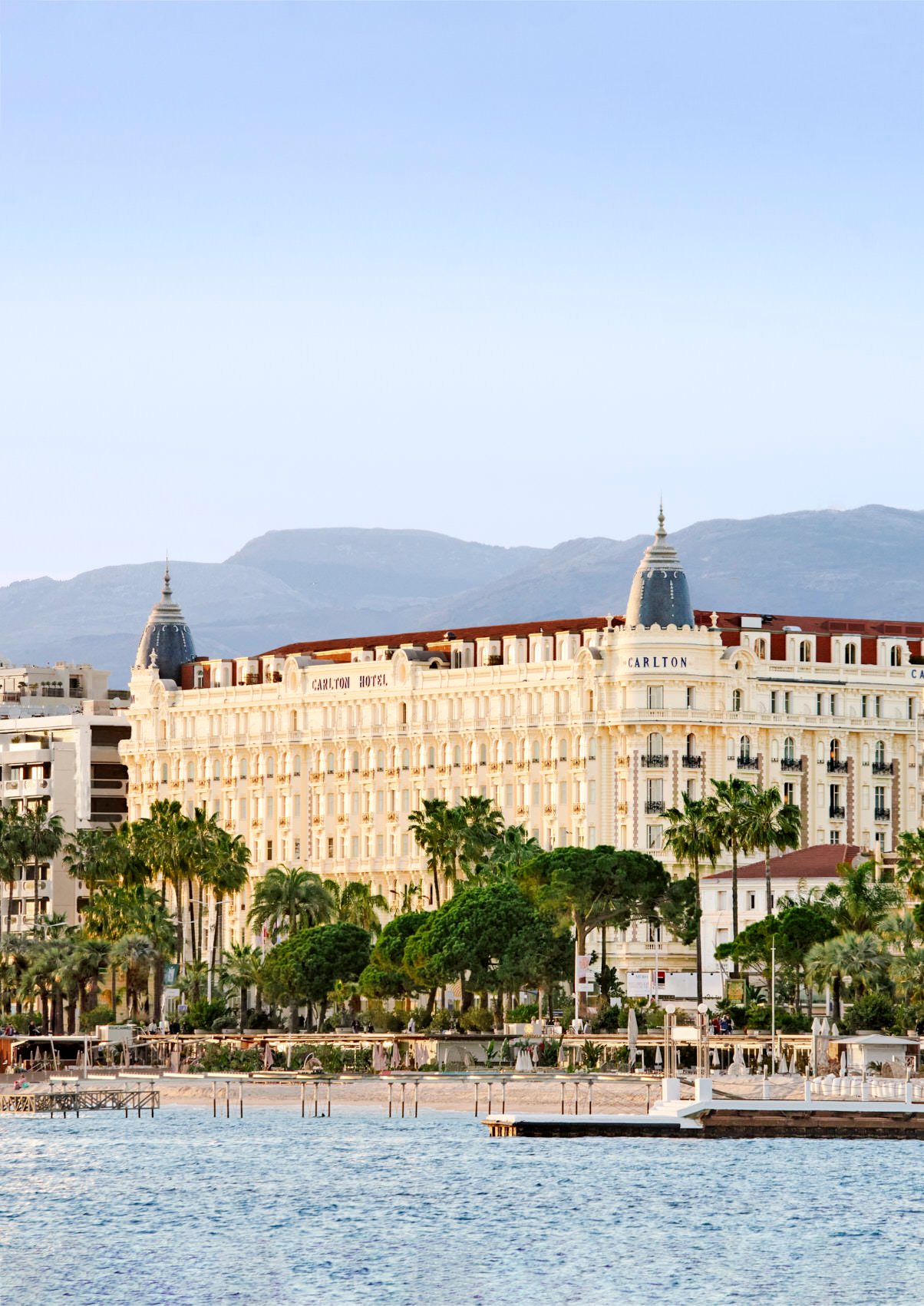
The second engine of the market, the Provence-Alpes-Côte d’Azur region owes its vitality to a unique cocktail: sun, prestigious events, and private capital. Between Nice, Cannes, and Saint-Tropez, the French Riviera attracts major fortunes, who acquire mythical hotels and legendary addresses. With over 74,000 rooms, PACA ranks just behind Île-de-France in the national pipeline. The arrival of industry captains in Saint-Tropez’s hotel scene, such as the acquisition of the Yaca which we reported, illustrates this blue gold rush · read more in our article on the acquisition of the Yaca by Rodolphe Saadé.
3. Auvergne-Rhône-Alpes, from peaks to metropolises
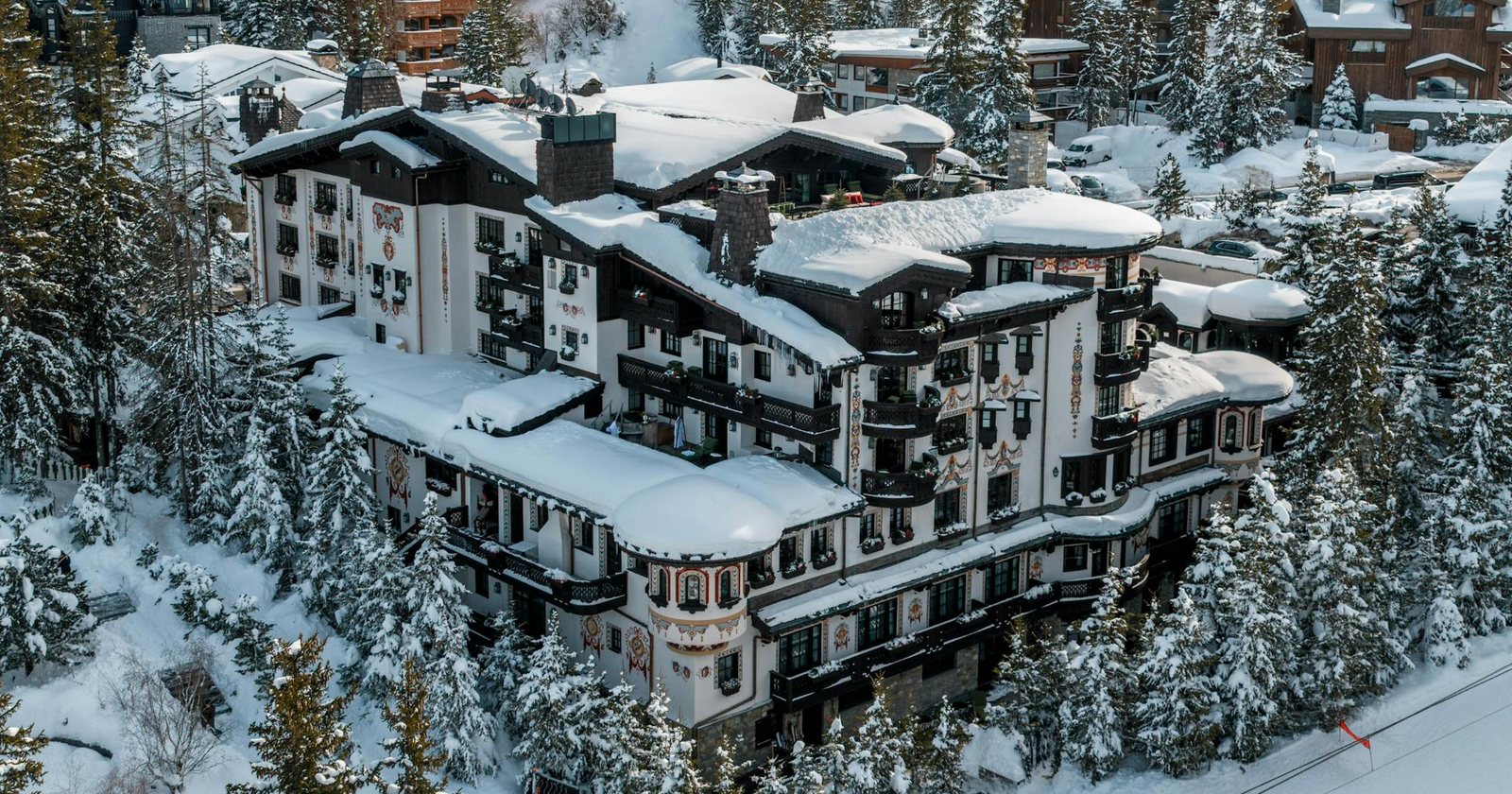
The country’s third force, Auvergne-Rhône-Alpes plays on two complementary fronts. Its Alpine resorts, among the most prestigious in the world, and the Lyon metropolis provide it with over 85,000 rooms, the second largest national park. Luxury skiing on one side, urban and business tourism on the other: the region benefits from year-round demand, a rare asset that reassures investors and explains the continued strength of the Alpine market at year-end.

4. Occitanie and Grand Est, the rising challengers
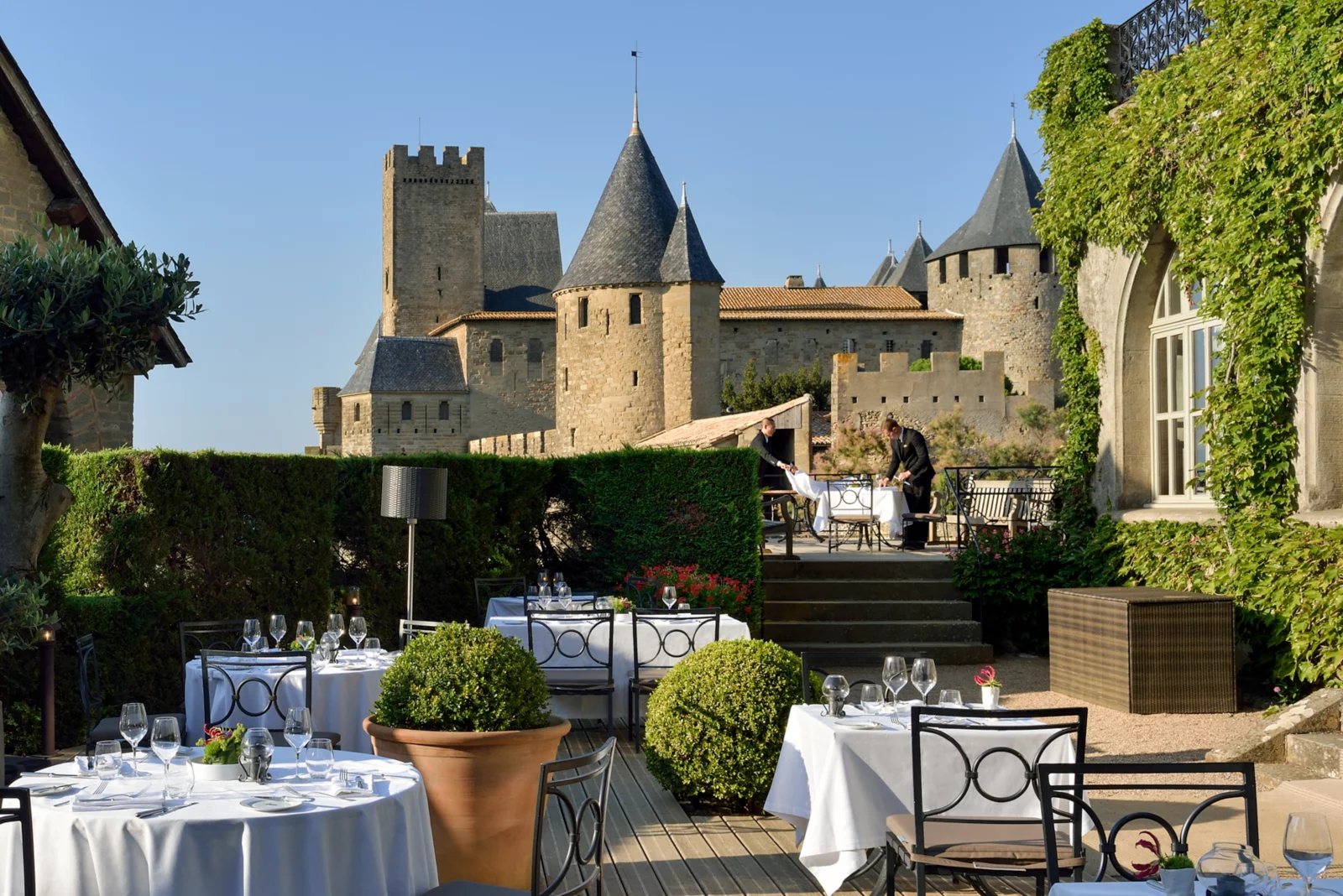
Behind the leading trio, two regions are holding their own. Occitanie is now among the top-ranked in the project pipeline, driven by the attractiveness of Toulouse, Montpellier, and the Mediterranean coast. The Grand Est, meanwhile, showed one of the strongest increases in revenue per room in the country, boosted by the dynamism of Alsace and Strasbourg. These two territories prove that the map of hotel investment is not static, and that regional metropolises are becoming credible targets for capital.
Our perspective
This investment geography tells a simple truth: money goes where international clientele, luxury, and major events are found. Paris, the Riviera, and the Alps take the lion’s share, while many regions with strong tourism potential remain behind, due to insufficient high-end demand. The real question for the coming years will be that of rebalancing: will regional metropolises like Bordeaux, Lyon, or Toulouse manage to capture a growing share of these billions, or will the French hotel industry remain a two-speed country? A dynamic we will follow closely, through our regional rankings.
One thing is certain: with 3.9 billion euros committed in a single year, the French hotel industry has never attracted so many investors. It remains to be seen which regions will, tomorrow, manage to broaden the circle.