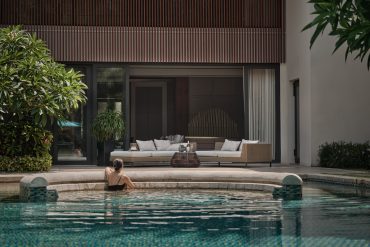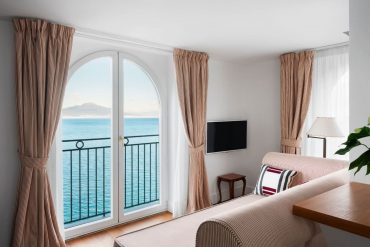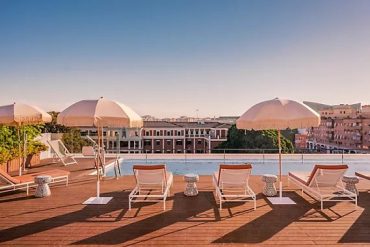

Tavira, often dubbed the Venice of the Algarve, has long preserved its soul far from the bustle of southern Portugal’s major seaside resorts. It is within this timeless setting, where the Gilão River meets the Atlantic, that Palácio de Tavira completed its transformation into one of Portugal’s most unique addresses. Set within the former Palácio dos Tavares, this establishment embodies the rebirth of an aristocratic heritage converted into a 36-room haven, where history meets refined Mediterranean modernity. Since its opening in the summer of 2025, the hotel has established itself as a destination in its own right for travelers in search of serenity and culture.
- Establishment: Palácio de Tavira, an 18th-century palace turned boutique hotel, celebrating its first year
- Location: Tavira, the “Venice of the Algarve,” in southern Portugal
- Capacity: 36 rooms and suites across 12 categories
- Design: interior architecture by Isabel da Câmara Pestana
- Lifestyle: Mirsal restaurant, Bar da Lua, Luma Wellness spa, and outdoor pool · Marugal management
The rebirth of a Tavira landmark
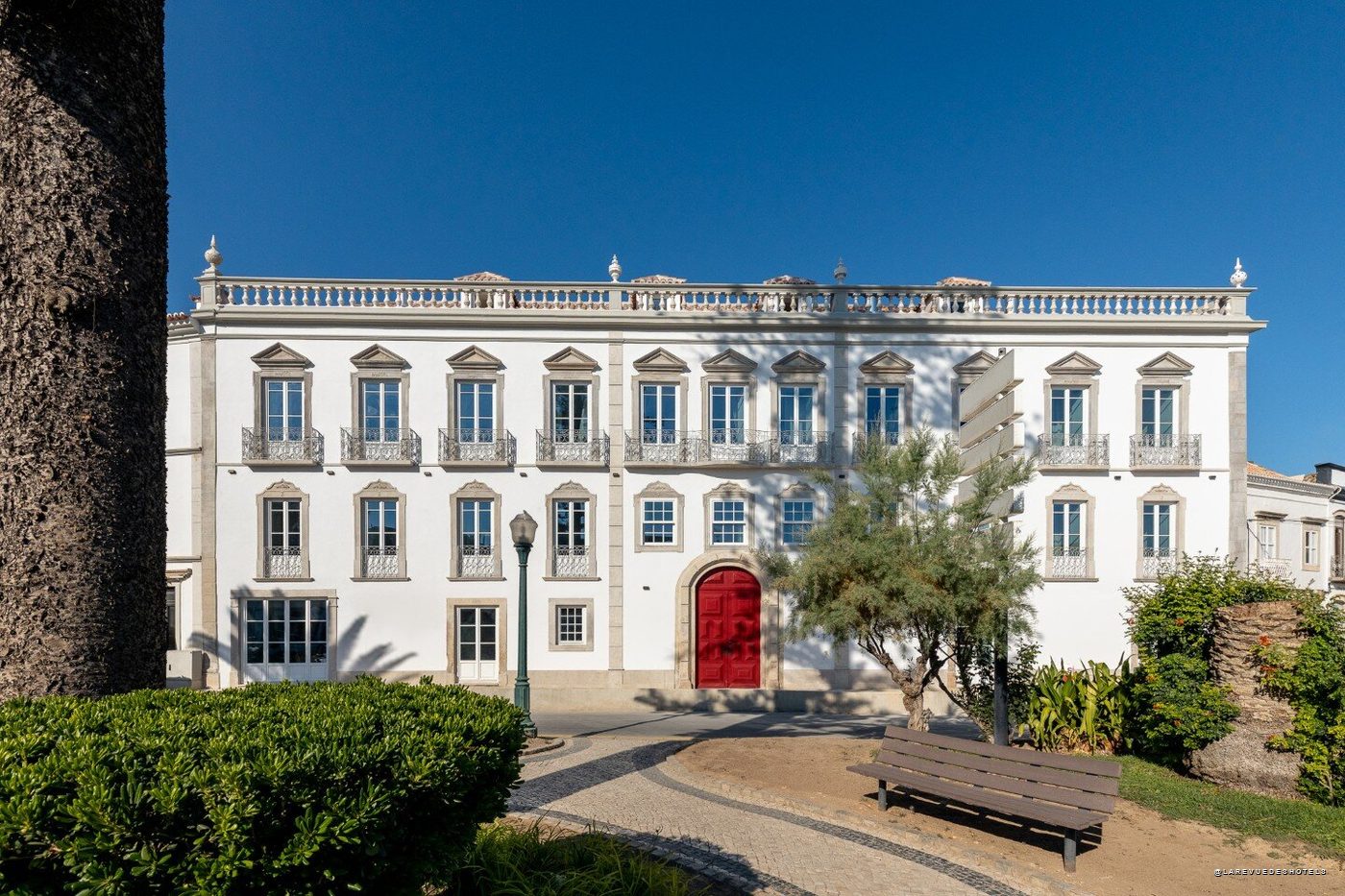
The metamorphosis of this 18th-century building, set on Dr. António Padinha Square, reflects a commitment to architectural preservation that is rare in a region sometimes overwhelmed by mass tourism. The former Palácio dos Tavares weathered the centuries before being reborn under the guidance of management company Marugal. This ambitious project brought new life to a building that, after serving as a noble residence and a gathering place for local high society, had ultimately housed an auto repair garage for several decades.
Today, the palace embarks on a prestigious new chapter, blending the grandeur of its original structure with a contemporary extension inspired by the spatial layout of medinas. This architectural duality creates a unique sensory journey for guests, transitioning from the splendour of historical salons to the intimacy of inner courtyards. The restoration prioritized preserving the soul of the place while instilling the codes of contemporary luxury: space, light, and silence.
An aesthetic between heritage and nature
Behind its elegant white facade, Palácio de Tavira reveals a labyrinthine realm of low-slung volumes and winding pathways. The entrance, marked by a striking red door that serves as a visual signature, immediately immerses guests in the atmosphere of a lived-in family home. Interior architect Isabel da Câmara Pestana favored a color palette evocative of the region’s whitewashed facades and terracotta tones.
In the lobby, a monumental hand-painted mural by artists Teresa Sousa Coutinho and Balela captures the eye. The artwork depicts the Ria Formosa in gradients of deep blue, showcasing local flora and fauna. Natural materials such as restored wood, rattan, and stone are ubiquitous, reinforcing the welcoming home atmosphere dear to the brand. The decor avoids ostentation, striving instead for perfect harmony with the changing light of the Algarve.
Thirty-six rooms, twelve distinct stories
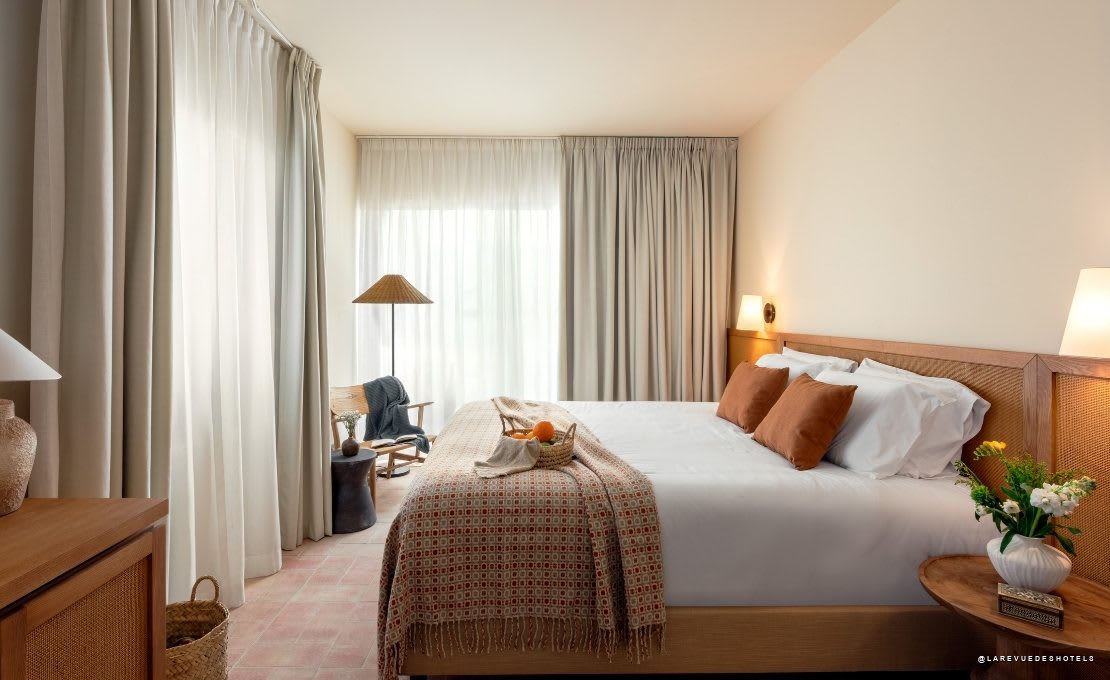
Accommodations are divided into two distinct atmospheres, reflecting the building’s hybrid structure. On one side, twenty “Palácio” rooms occupy the historic section. With soaring ceilings, period woodwork, and generous windows opening onto the square or gardens, they exude timeless aristocratic elegance. They feature various room categories, from the Palácio Standard to the Suite Ático, offering sweeping views over the historic town.
On the other side, sixteen rooms in the Medina area offer an almost secret retreat set around light-filled patios and quiet gardens. These spaces are distinguished by Santa Catarina ceramic tile floors, a direct tribute to the Algarve’s artisanal craftsmanship. Select suites feature private terraces with outdoor showers, allowing guests to embrace the Mediterranean climate in complete privacy. Even the minibar tells a local story, stocked with artisanal chocolates and biscuits from the region.
Culinary arts at Mirsal restaurant
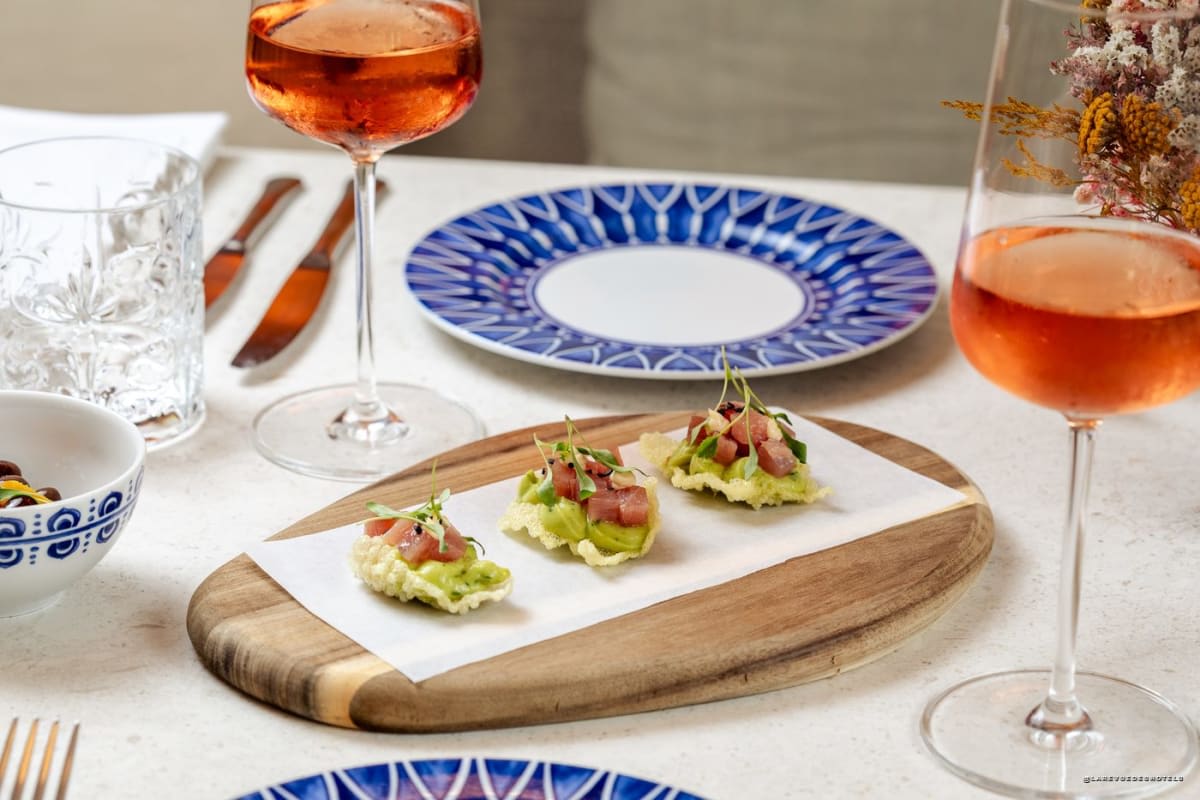
Gastronomy plays a central role in the guest experience. Mirsal restaurant, located on the ground floor, has become a culinary staple in Tavira in just a few months. Chef Fábio Domingues crafts a culinary score where Arabian spices complement the freshness of Atlantic produce. The name Mirsal, an original creation blending Middle Eastern tones with the word “sal” (salt), pays tribute to the surrounding salt pans, a vital element of the local economy since antiquity.
The dining room is enhanced by a monumental textile installation by artist Vanessa Barragão, creating an organic, textured setting. The menu features signature dishes such as bluefin tuna tartar with crispy spices, grilled octopus with white bean hummus, and slow-cooked lamb served with lemon couscous. Bar da Lua, a natural extension of the restaurant leading into an inner courtyard, invites guests to unwind under the stars in deep sofas.

Wellness and regional immersion
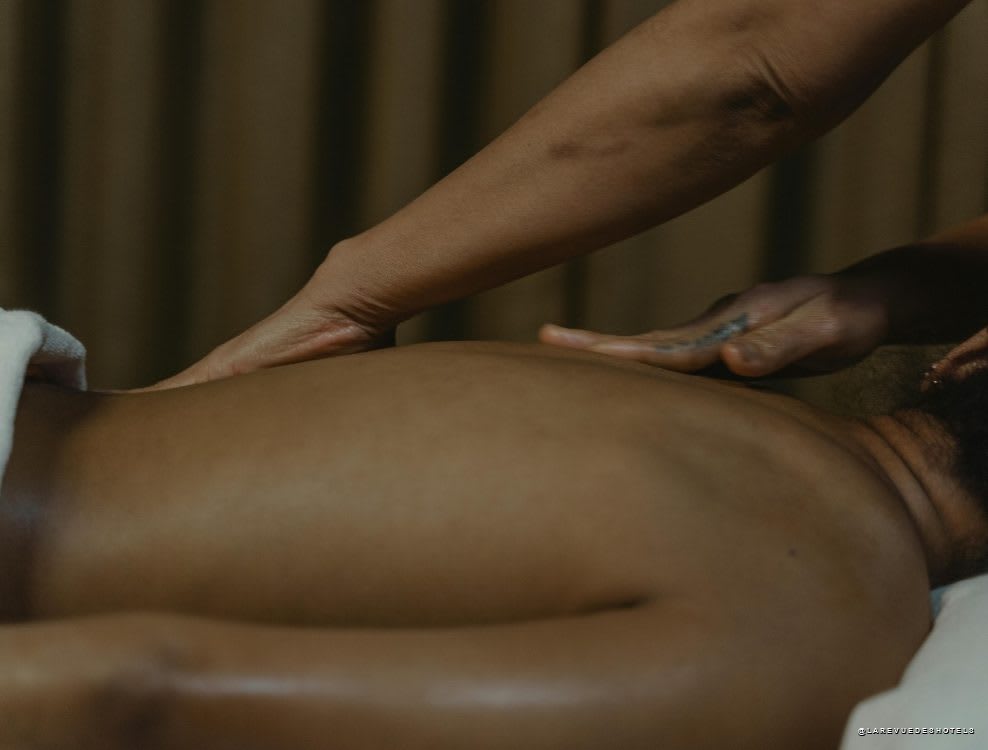
For those seeking complete escape, Luma Wellness spa stands as a sanctuary of serenity leveraging the benefits of local aromatherapy. Treatments feature products from the Ignae brand paired with essential oils of sweet almond, orange, lavender, or rockrose (esteva). In addition to a sauna and Turkish bath, the wellness center offers gua sha facial rituals and Tibetan singing bowl massages, designed to align the body with the hotel’s unhurried rhythm.
The experience extends beyond the hotel walls thanks to an active concierge service that prioritizes local partners. Guests can explore the salt pans of Castro Marim, enjoy oyster tastings, or explore the Ria Formosa via horseback rides or boat trips to Tavira Island. This dedication to local integration ensures Palácio de Tavira is not merely a place to stay, but a genuine cultural bridge between travelers and the Eastern Algarve.
Our perspective
Palácio de Tavira proves that luxury hospitality can be both ambitious and respectful of its surroundings. By entrusting management to Marugal, the owners chose proven expertise in creating hotels with distinct character. This property perfectly embodies the revival of subtle, cultured luxury, far removed from the cookie-cutter standards of beach resorts. Its ability to blend Moorish heritage with Portuguese nobility makes it one of the most notable openings in Portugal in recent years, confirming that Tavira remains the ultimate refuge of authentic elegance in the Algarve.
Practical information on Palácio de Tavira
- Address: Praça Dr. António Padinha, 8800-654 Tavira, Portugal
- Official website: palaciodetavira.com
- Number of rooms: 36
- Services: Mirsal Restaurant, Bar da Lua, Luma Wellness Spa, Outdoor pool