


- On 15 May 2026, Six Senses joined the Recipe of Change initiative, a UN-led alliance aiming to halve food waste by 2030.
- The commitment applies across the group’s 27 hotels and resorts located in 20 countries to address the 10% of global greenhouse gas emissions linked to food waste.
- The Zighy Bay resort in Oman exemplifies the strategy by recycling or valorising 80% of its organic and glass waste.
- The Ninh Van Bay property in Vietnam supports these sustainability goals through an initiative powered by 800 solar panels.
Six Senses takes a significant step in its environmental commitment. On 15 May 2026, the luxury hospitality group joined “Recipe of Change”, an initiative led by the United Nations Environment Programme (UNEP) and UN Tourism, bringing together the tourism sector around a shared goal: halving food waste by 2030. A commitment that Six Senses is pledging to uphold across all 27 of its hotels and resorts, spread across 20 countries.
The stakes go beyond a simple environmental cause. For a clientele increasingly attentive to the footprint of their stays, this approach redefines the very promise of luxury, where abundance gives way to precision. By aligning with an institution of the UN’s standing, Six Senses cements its reputation as a pioneer of responsible hospitality and sends a strong signal to the entire industry.
Contents
“Recipe of Change”: a UN alliance to cut waste in half
Convened by UNEP and UN Tourism, the “Recipe of Change” initiative brings hoteliers, restaurateurs and travel operators together around a measurable target: reducing food waste by half by 2030, in line with the UN Sustainable Development Goal 12.3. The issue is far from trivial: food waste accounts for up to 10% of global greenhouse gas emissions. For Sheila Aggarwal-Khan, Director of the Industry and Economy Division at UNEP, only a systemic shift across the tourism sector can reverse the trend.
By joining this coalition, Six Senses commits to measuring, publishing and addressing its food losses, and to sharing its methods with the rest of the sector. A transparency-driven approach that builds on the UNEP’s own framing work, notably through its reference report on the global Food Waste Index.

Food waste: luxury hospitality’s blind spot
In the upper end of the market, waste takes many forms, often amplified by the demand for a flawless experience. Abundant buffets, half-finished à la carte dishes, losses from preparation and storage: the pursuit of constant variety and absolute freshness fuels the problem. Every kilogramme of food thrown away consumes water, farmland and energy in vain, at an environmental cost the sector can no longer ignore.
For a group whose philosophy is rooted in wellbeing and respect for the living world, this reality had become untenable. Joining “Recipe of Change” formally acknowledges that awareness and translates it into measurable objectives, where sustainability had too often remained a surface-level argument.
“Eat With Six Senses”: a cuisine designed for zero waste
The roadmap builds on “Eat With Six Senses”, the group’s culinary signature, built around natural ingredients, local and sustainable sourcing, and a “less but better” philosophy. In the kitchen, the fight against waste becomes a daily discipline, structured and measured at every service.
In practice, teams weigh their waste every day to adjust practices in real time, align production with actual occupancy rates, streamline menus to turn around less popular dishes, cook in smaller batches and standardise portions. An internal challenge called the “Scrap Challenge” also encourages chefs to invent recipes that make use of trimmings and peelings that would otherwise be discarded.


Integrated farms, solar energy and resource circularity
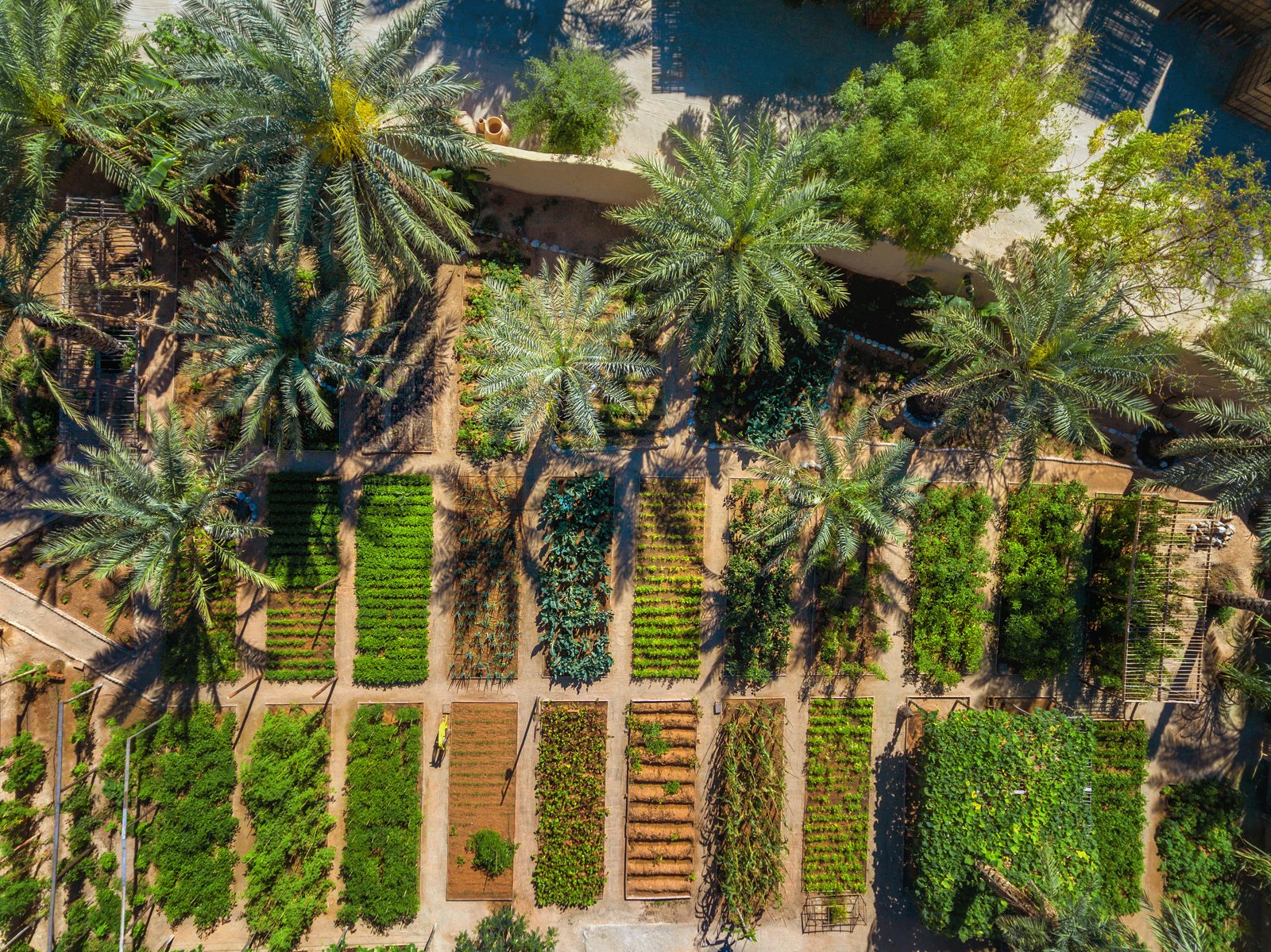
The strength of the Six Senses model lies in its short supply chains, cultivated within the resorts themselves. Several properties already close the loop, from soil to plate and back to compost, turning yesterday’s waste into tomorrow’s resources. At Zighy Bay in Oman, an 18,000-acre farm in Dibba supplies the kitchens, while the resort recycles or valorises 80% of its organic and glass waste and converts 84 kilos of citrus peel into garnishes every month.
The network adapts these principles to each territory: the Can Tanca community farm in Ibiza, the Solar FreshCuts initiative with its 800 solar panels at Ninh Van Bay in Vietnam, the Farm on the Hill in Samui with its chickens, goats and grey-water recovery system, and the ten marine biologists at Laamu in the Maldives who oversee sustainable fishing. Since 2017, the Earth Labs have given guests and staff alike a space to discover composting, preserving and upcycling.
A model for the entire luxury hospitality sector
Jeff Smith, Vice President of Sustainability at Six Senses, describes waste reduction as a continuous improvement process, refined over three decades of practice. With 35 additional properties already signed, the group has an ideal expansion base from which to roll out these proven methods. As a member of IHG Hotels & Resorts, it intends to make “Recipe of Change” a testing ground whose lessons will benefit the entire sector.
By demonstrating that a luxury hotel can combine culinary excellence with resource restraint, Six Senses sets a precedent likely to inspire its peers. For a clientele in search of meaningful travel, sustainability is no longer an add-on: it becomes a core component of the luxury experience.
Key facts
- Group: Six Senses Hotels Resorts Spas, luxury brand within IHG Hotels & Resorts (27 hotels and resorts in 20 countries, 35 properties in development)
- Initiative: “Recipe of Change”, led by UNEP and UN Tourism, joined on 15 May 2026
- Objective: halve food waste by 2030, in line with UN SDG 12.3
- In the kitchen: daily waste weighing, production aligned with occupancy, rationalised menus, small-batch cooking, internal “Scrap Challenge”
- Philosophy: “Eat With Six Senses” culinary signature and Earth Labs (since 2017)
- Farms and circularity: Zighy Bay (Oman), Ibiza, Ninh Van Bay (Vietnam), Samui, Laamu (Maldives)
- Official website: sixsenses.com
Photo credit Six Senses