
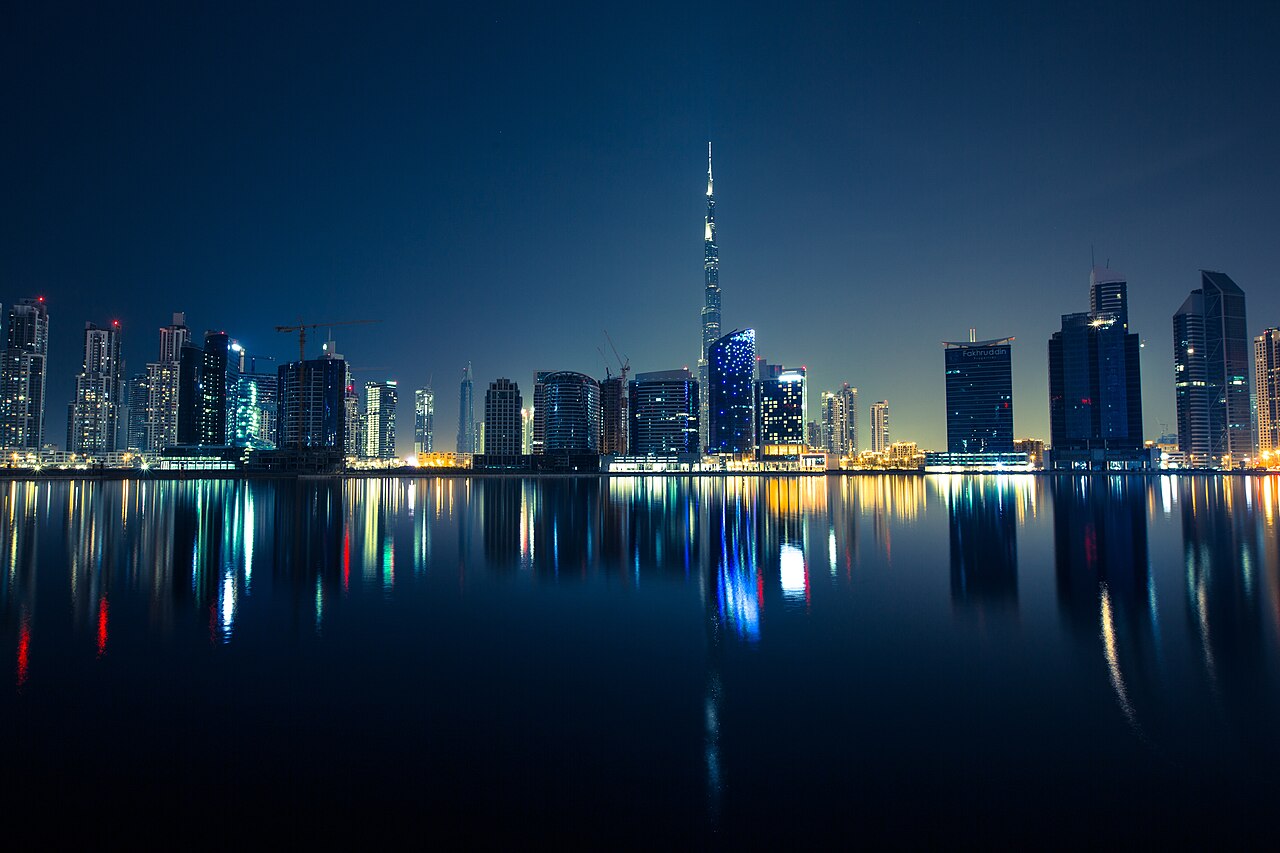
- In spring 2026, several five-star hotels in Dubai were forced to offer discounts of 50 to 70% to counter a sharp drop in occupancy rates.
- A Guardian investigation reported nearly 6,500 deaths among migrant workers in Qatar between 2010 and 2021 linked to major construction projects.
- Reporters Without Borders ranked the Emirates 138th globally in its 2025 index, highlighting significant limitations on freedom of expression.
- Academic estimates suggest the NEOM project in Saudi Arabia, specifically The Line, will generate nearly 1.8 gigatonnes of CO2.
On paper, the Gulf has never invested so heavily in luxury hospitality: new towers in Dubai, palatial hotels in Doha, Saudi mega-resorts on the Red Sea. Yet, in 2026, another trend is emerging. Amid falling visitor numbers, spectacular discounts, and a growing ethical debate, a segment of Western travellers and investors is clearly distancing itself from the destination.
For La Revue des Hôtels, the aim is not to deny the region’s very real financial power, but to understand why its model, long presented as the future of luxury tourism, is now encountering limitations that the sector can no longer simply brush aside.
Massive Discounts and Plummeting Visitor Numbers
The first signal is commercial. In spring 2026, following regional tensions related to the conflict with Iran, several market analyses reported a sharp drop in occupancy rates in Dubai, forcing many establishments to slash their prices. Some five-star hotels offered discounts of 50 to 70% off their advertised rates to fill their rooms this summer. Long-haul visitors from Western Europe, once drivers of growth, are not returning to pre-conflict volumes, while a portion of business tourism is shifting towards capitals such as Amman, Beirut, or Cairo.

The Human Cost of Luxury Construction Sites
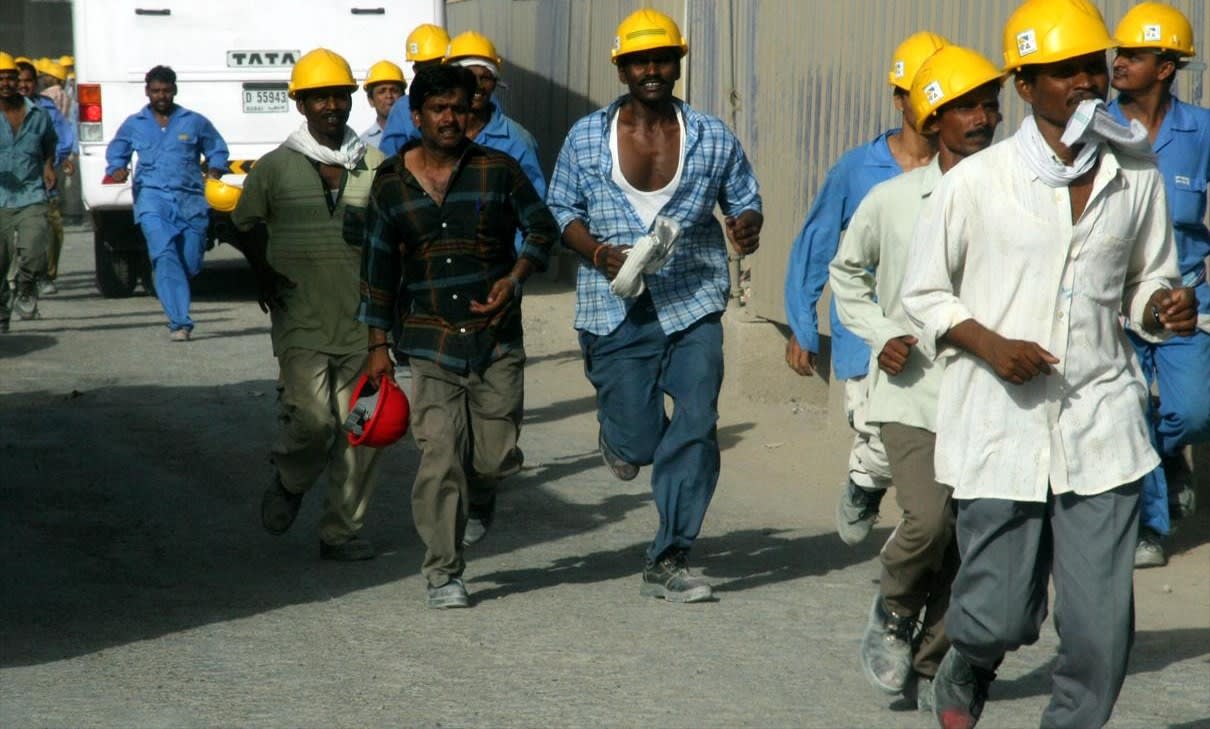
Behind the glittering façades, the issue of migrant labour remains explosive. Most of these complexes have been built by a workforce from South Asia, particularly India, Nepal, and Bangladesh, employed under the system of the kafala, which ties the worker to their employer. Human Rights Watch and Amnesty International have for years denounced persistent abuses: wage confiscation, dangerous conditions, and unexplained deaths. In Qatar, a Guardian investigation reported nearly 6,500 deaths among migrant workers between 2010 and 2021, against a backdrop of construction projects linked to tourism and the World Cup. For a clientele increasingly attentive to ethics, these narratives carry significant weight.
Freedoms: A Growing Chasm with International Clientele
This is arguably the most sensitive point. In both the Emirates and Qatar, homosexuality remains penalised, punishable by several years in prison, and the gender expression of transgender people is criminalised. Human Rights Watch has documented arrests and ill-treatment of LGBT+ individuals. Women’s rights remain subject to guardianship provisions, and freedom of expression remains limited: in its 2025 index, Reporters Without Borders ranks the Emirates 138th globally, and notes that in Qatar, religion, the ruling family, and the rights of women or LGBT+ individuals remain taboo subjects for journalists. These are all red lines that clash with the values of a segment of European and North American clientele.

A Record Environmental Footprint
The ecological argument is also gaining traction. Qatar boasts one of the highest per capita carbon footprints on the planet, at around fifty tonnes of CO2 per year. In Saudi Arabia, the construction of The Line, the linear city project within NEOM, alone is estimated to generate nearly 1.8 gigatonnes of CO2 according to academic estimates. On the Red Sea, the development of resorts within a pristine coral ecosystem raises fears among scientists of irreversible damage to marine life, not to mention the massive reliance on desalination and air conditioning. Under these conditions, it is difficult to promote “sustainable” luxury.
A Reputational Risk That Luxury Can No Longer Ignore
To be fair: the Gulf continues to invest billions and will not collapse tomorrow. But luxury is no longer solely about marble and infinity pools. For a growing number of travellers and investment funds, ethics, human rights, and ecological footprint have become integral criteria for choice. This is precisely the ground being gained by destinations such as the Mediterranean or France, which has just crowned a new wave of palatial hotels (discover them in our 2026 Guide to France’s New Palaces). The question is no longer whether the Gulf can still build, but whether it can still inspire without changing its model.