
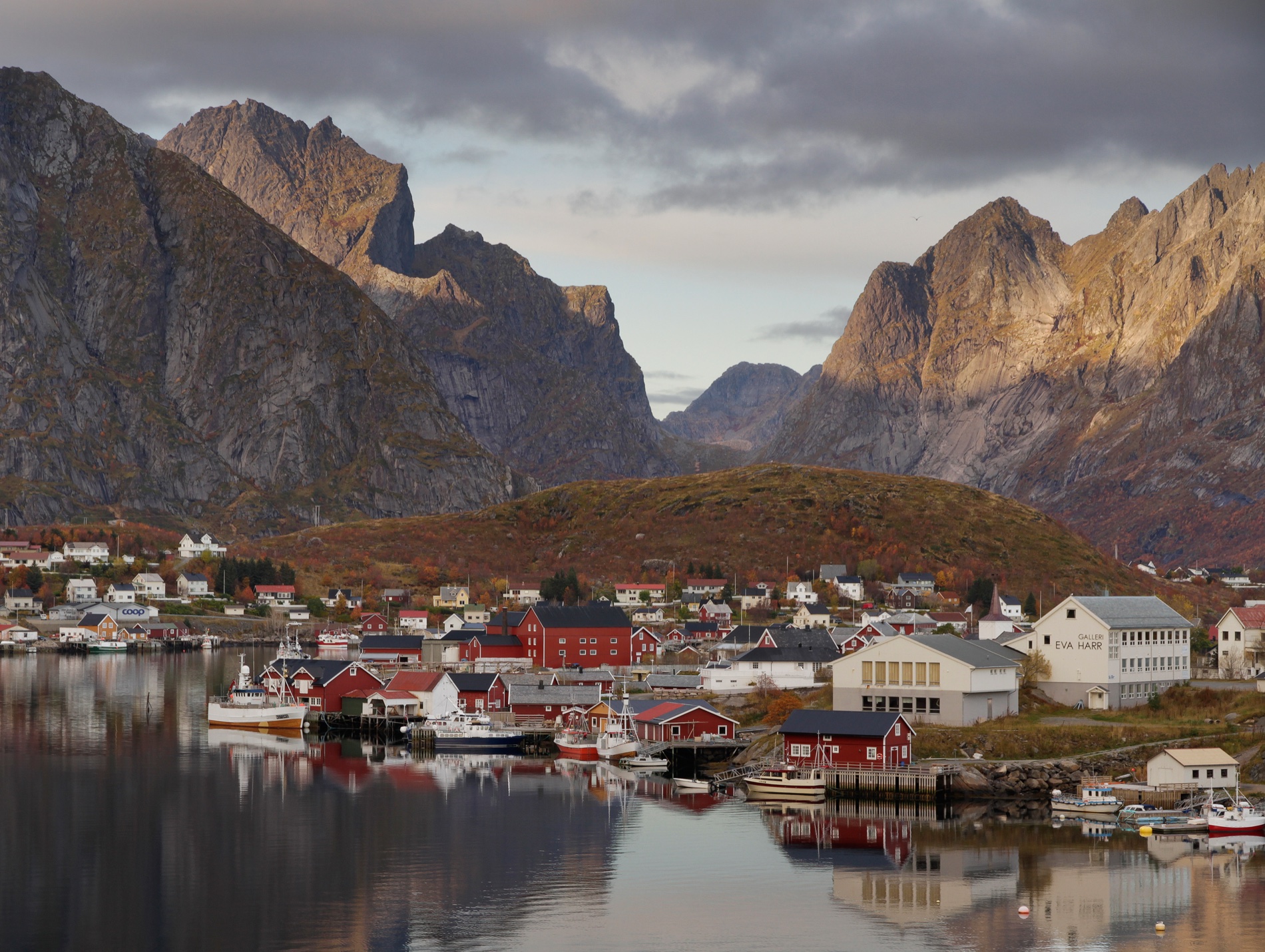
- “Coolcation” is the strong trend for summer 2026: escaping the heatwave by choosing cool destinations over the burning Mediterranean.
- Searches for cooler destinations have jumped by around 74% year-on-year, and Switzerland tops the global ranking of “coolcations” for 2026.
- Luxury is accelerating: +263% in Nordic bookings according to Virtuoso, with bookings up 131% to Norway and 128% to Iceland.
- The winners: Swiss Alps, Norwegian fjords, Iceland, Scotland, Canada · the losers: Mediterranean coastlines, deserted during heat peaks.
What if the perfect summer was no longer synonymous with a scorching beach? Repeated heatwaves, tropical nights, red alerts: extreme heat is reshaping the holiday map. One word sums up the shift: “coolcation”, a contraction of cool and vacation. Rather than sweating it out on a Mediterranean sun lounger, more and more travellers, particularly luxury clientele, are heading for cooler climes. La Revue des Hôtels looks at the phenomenon and the destinations benefiting from it.
“Coolcation”, the Summer 2026 Phenomenon
The trend is no longer marginal. According to several travel barometers, searches for cooler destinations have increased by around 74% year-on-year since the start of 2026, and the momentum is accelerating as summer approaches. Booking.com observes that 42% of travellers now consider destinations with a more temperate climate, while the European Travel Commission notes that nearly eight out of ten Europeans are already adjusting their habits based on the heat. The driver is clear: the World Meteorological Organization anticipates 2026 to be among the hottest years on record.
Switzerland, Scandinavia, Iceland: The New Cool Travel Triangle
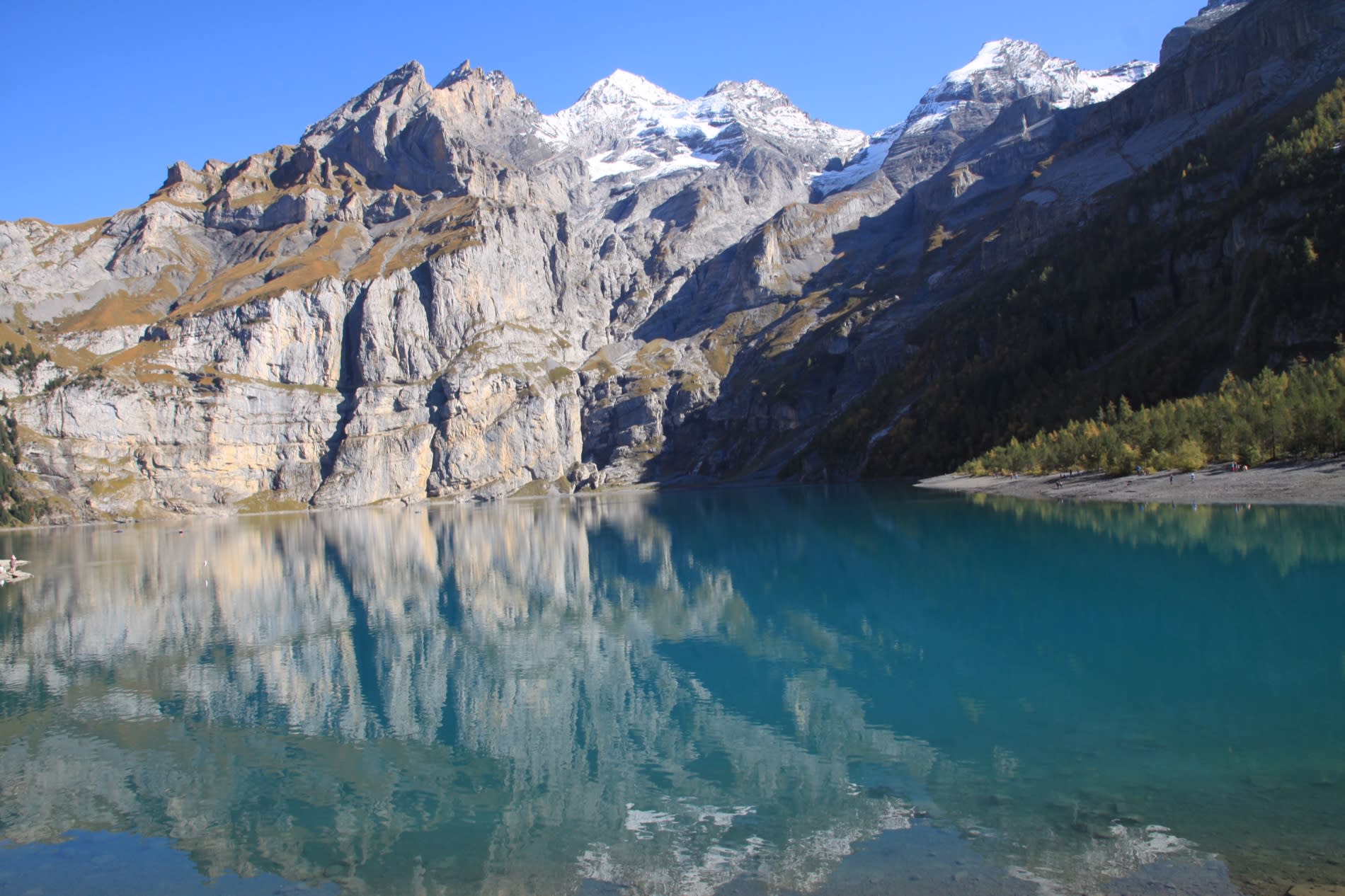
In the “coolcation” rankings for 2026, Switzerland takes the top global spot, ahead of Canada and Iceland. Northern Europe is cleaning up: bookings have surged by around 131% to Norway and 128% to Iceland year-on-year, while Scandinavia as a whole expects tourism growth of up to 35% this year. Fjords, glaciers, high-altitude lakes, and deep forests are becoming the new coveted backdrops, with an unbeatable summer advantage: mild temperatures and midnight sun that shines up to 24 hours a day in the Far North.
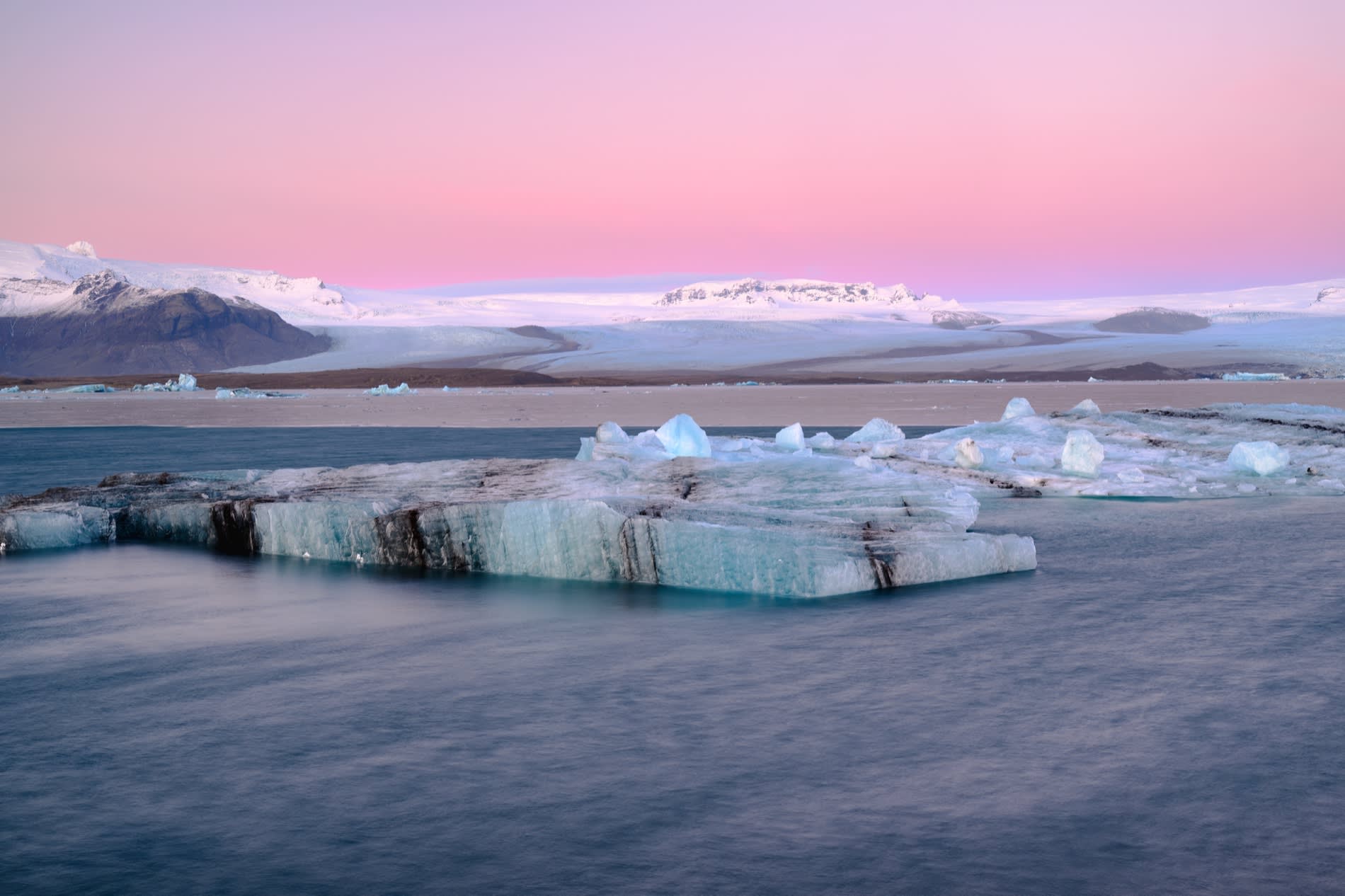
Luxury Addresses Capitalising on the Cool
The high-end hotel sector has sensed the shift, and it’s growing the fastest: the Virtuoso network reports a 263% increase in luxury bookings to Nordic countries. In Norway, the Lyngen Lodge facing the Lyngen Alps and the glass cabins of Manshausen, perched between sea and sky, embody this minimalist, nature-focused luxury. In Iceland, the Retreat at Blue Lagoon with its underground geothermal spa, or the Hotel Rangá under the aurora borealis, play on spectacular isolation. Scotland with its castle hotels like Gleneagles, Canada with its Rocky Mountain lodges, and the glass igloos of Lapland complete this new atlas of cool refinement.
The Flip Side: The Mediterranean Loses Its Summer
What the North gains, the South loses. Mediterranean destinations, long the queens of summer, are seeing their peak season weaken. Several academic studies estimate that visitor numbers could fall by up to 25% in regions like Greece in the event of significant warming, as July and August become unbearable. The paradox is striking: travellers are no longer fleeing the cold, they are fleeing the heat. As a result, some hoteliers on the Mediterranean coast are repositioning their peak season to spring and autumn.
Should We Rethink Our Summer Holidays Already?
There’s no question of abandoning the Riviera or the Cyclades, which retain their intact charm outside of peak heat. But the trend suggests shifting or diversifying: aiming for June or September in the Mediterranean, and reserving the height of summer for cooler getaways. For luxury enthusiasts, the calculation has already been made, and the finest Nordic addresses are fully booked months in advance. The coolcation is undoubtedly not a passing fad, but the first sign of tourism learning to adapt to a changing climate.
- →Heatwave in Nice: Air-conditioned hotels with pools to cool off on the French Riviera
- →Heatwave in Paris: Where to sleep cool without paying for a palace (air-conditioned hotels with pools)
- →Heatwave: Air conditioning, the new key criterion for hotel bookings
- →Heatwave in Paris: Where to stay cool without paying a fortune
- →White Lotus Season 4: The French Riviera and Paris Palaces Where the Cult Series is Filmed