
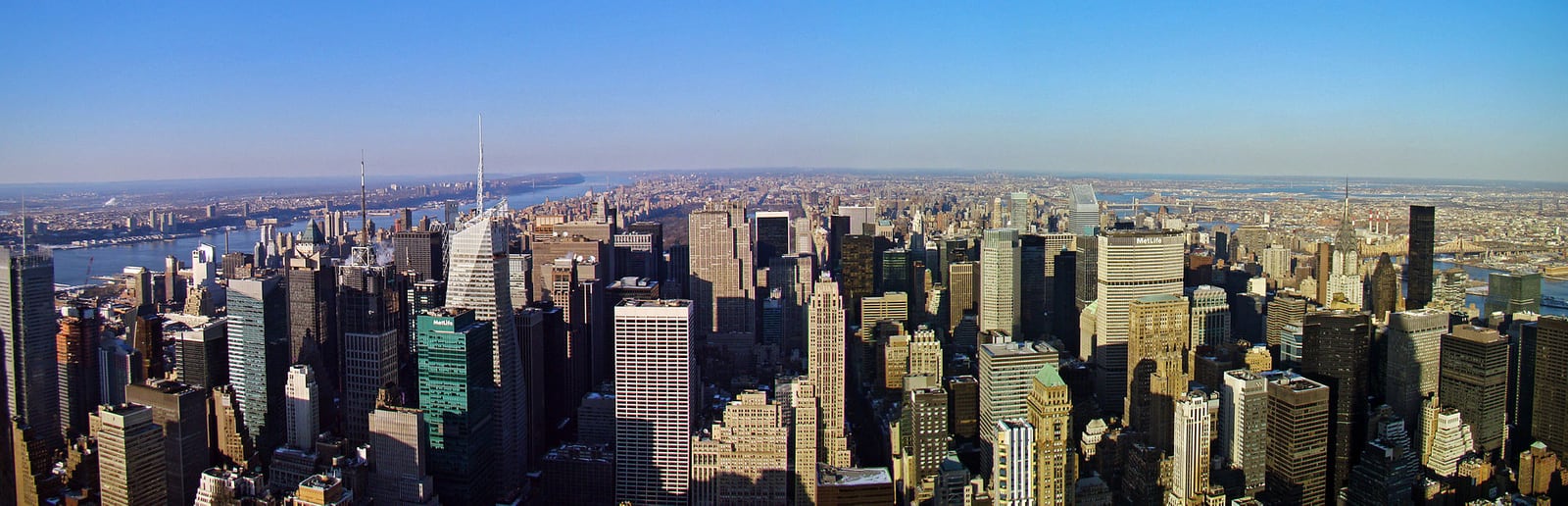

- After a worrying spring (soft bookings, supporters “priced out”), New York is experiencing a last-minute surge for the 2026 World Cup.
- Occupancy above 90% (a record among host cities) and ADR up 38% year-on-year (CoStar). Opening matches: $406 on June 13, $458 on June 16.
- Around the July 19 final (MetLife Stadium): booking volumes +102% year-on-year and ADR +72%.
This is the scenario New York hoteliers no longer dared to hope for. After weeks of disappointing bookings, New York is experiencing a surge in rates and occupancy driven by a last-minute rush of reservations for the 2026 World Cup. The city now boasts the highest occupancy of all host cities.
Before: a tense spring
In the spring, the narrative was quite different. Advance bookings were slow, several analyses pointed to rates deemed too high which were “pricing out” some supporters, and some establishments had begun to lower their prices. Hoteliers were “holding their breath,” fearing the event would not live up to its commercial promises.
After: the last-minute rush
The dynamic reversed in June. Driven by an influx of last-minute bookings, New York’s occupancy surpassed the 90% mark·unprecedented among host cities·while average rates climbed by 38% year-on-year according to CoStar. Match nights illustrate this: $406.01 ADR with 88.6% occupancy on June 13, then $458.64 for 90.5% on June 16.
- Advance bookings sluggish
- Worried hoteliers, initial price drops
- Supporters “priced out” by perceived high prices
- Occupancy > 90% · record for host cities
- ADR +38% year-on-year (CoStar)
- Final: +102% bookings, +72% ADR

The July 19 final, the absolute peak
The peak is around the July 19 final at the MetLife Stadium, in neighbouring New Jersey. During this period, booking volumes surged by 102.1% year-on-year and average rates soared by 72.4%. The New York/New Jersey area thus captures most of the value generated by the event in the northeastern United States.
Our perspective
The New York case is a real-life lesson in revenue management: a global event does not guarantee linear occupancy; demand can materialise late, forcing hoteliers to balance maintaining rates and filling rooms. For La Revue des Hôtels, the real story is not just the price increase, but the last-minute shift that transformed spring’s anxiety into occupancy records. A signal to consider for Paris, Los Angeles, and other major host cities of future major sporting events.