


In brief
- Hoshino Resorts is a Japanese hotel group born in Karuizawa, whose history dates back to a hot spring ryokan opened in 1914. It is now led by Yoshiharu Hoshino, the fourth generation of the family.
- The group operates more than 80 establishments, from Hokkaido to Okinawa, and has expanded internationally (Bali, Taiwan, Guam).
- It is divided into several distinct brands: Hoshinoya (luxury), Kai (onsen ryokans), Risonare (families), OMO (city), BEB (young and affordable), not forgetting unique concepts like Hoshinoya Fuji, Japan’s first glamping site.
- Onsen, kaiseki cuisine, omotenashi hospitality and regional roots: it is one of the best ways to build a trip to Japan, from the big city to the heart of nature.
How can you sleep in Japan without settling for sterile international chains or getting lost in the jungle of small ryokans? There is an almost obvious answer, and it has a name: Hoshino Resorts. In just over a century, this family group, which started from a single mountain ryokan, has become one of the most influential players in Japanese hospitality, with one fixed idea: to make every address a mirror of its territory.
For a traveller who truly wants to discover Japan, from the snowy north of Hokkaido to the subtropical islands of Okinawa, the group’s galaxy of brands works like a travel map. La Revue des Hôtels offers you an overview.
A mountain ryokan turned hospitality empire
It all began in 1904 in Karuizawa, a mountain resort in Nagano Prefecture, where the Hoshino family first started in forestry. In 1914, they opened their first hot spring ryokan. This is the date the group considers its birth, and the “Hoshino area” of Karuizawa celebrated its 110th anniversary in 2024.
The modern turning point was driven by Yoshiharu Hoshino. The fourth generation of the family, trained at Keio University and then at the prestigious Cornell Hotel School, he took over the company in the early 1990s and renamed it Hoshino Resorts in 1995, transforming it into a professional hotel management company. From 2001, expansion accelerated well beyond Karuizawa, then crossed borders with addresses in Bali, Taiwan and Guam.
Hoshinoya: Luxury that tells the story of a place
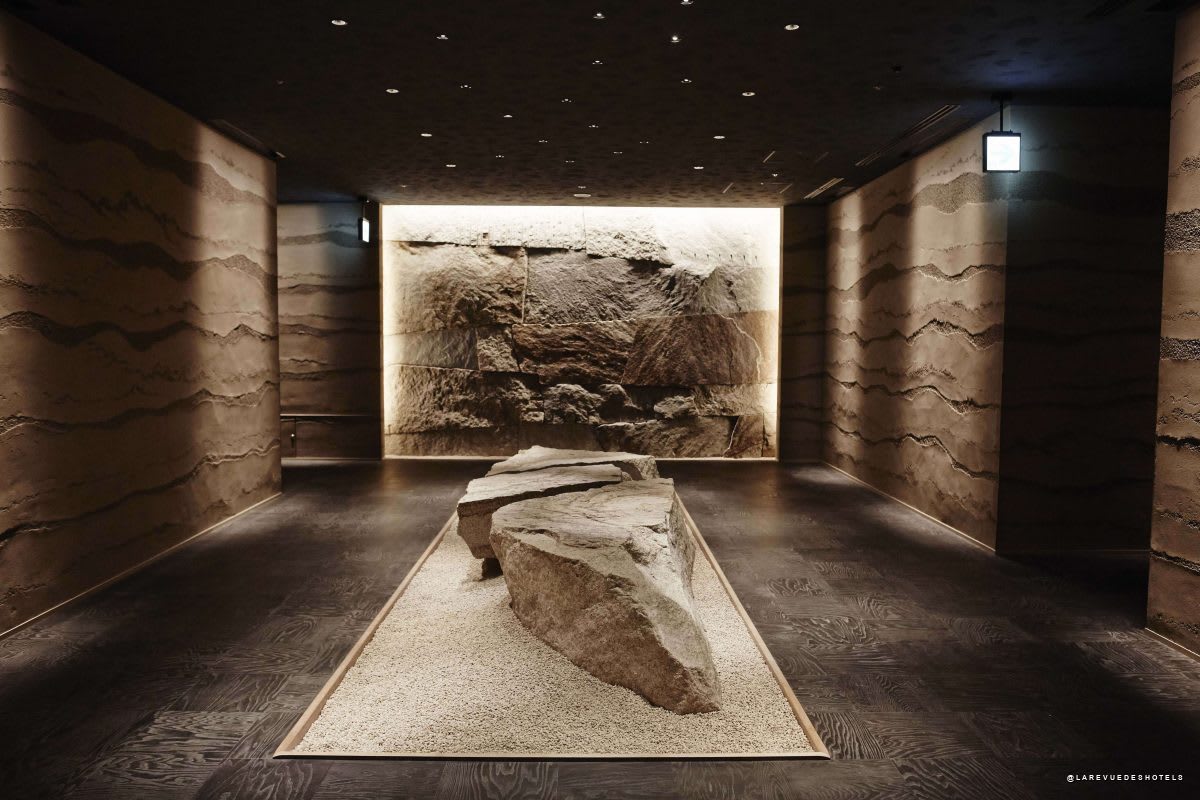
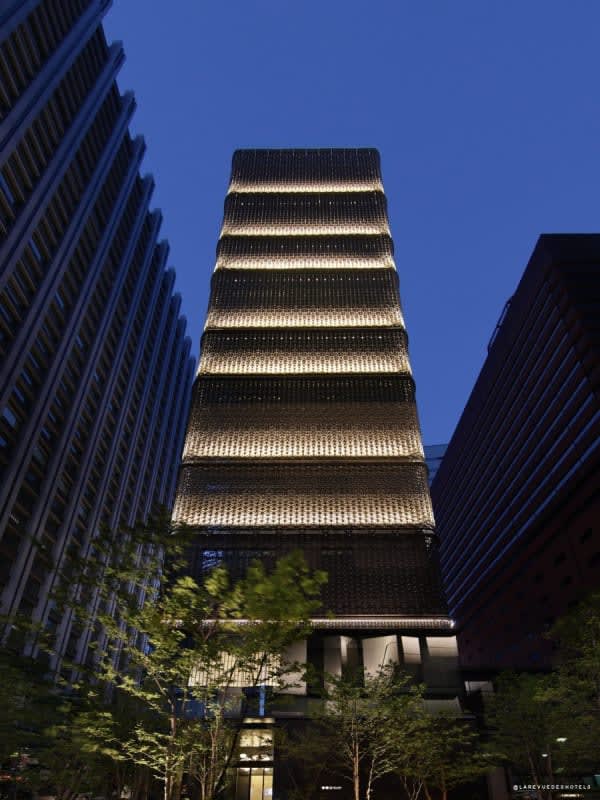
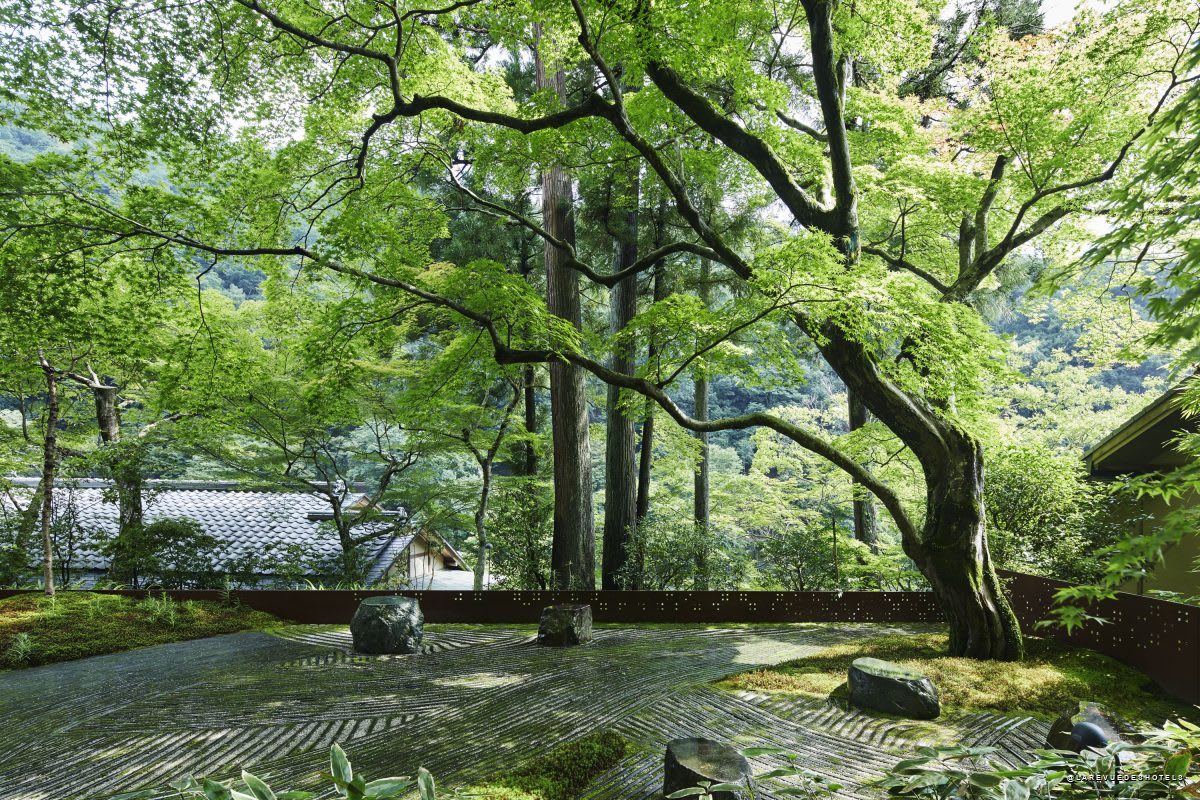
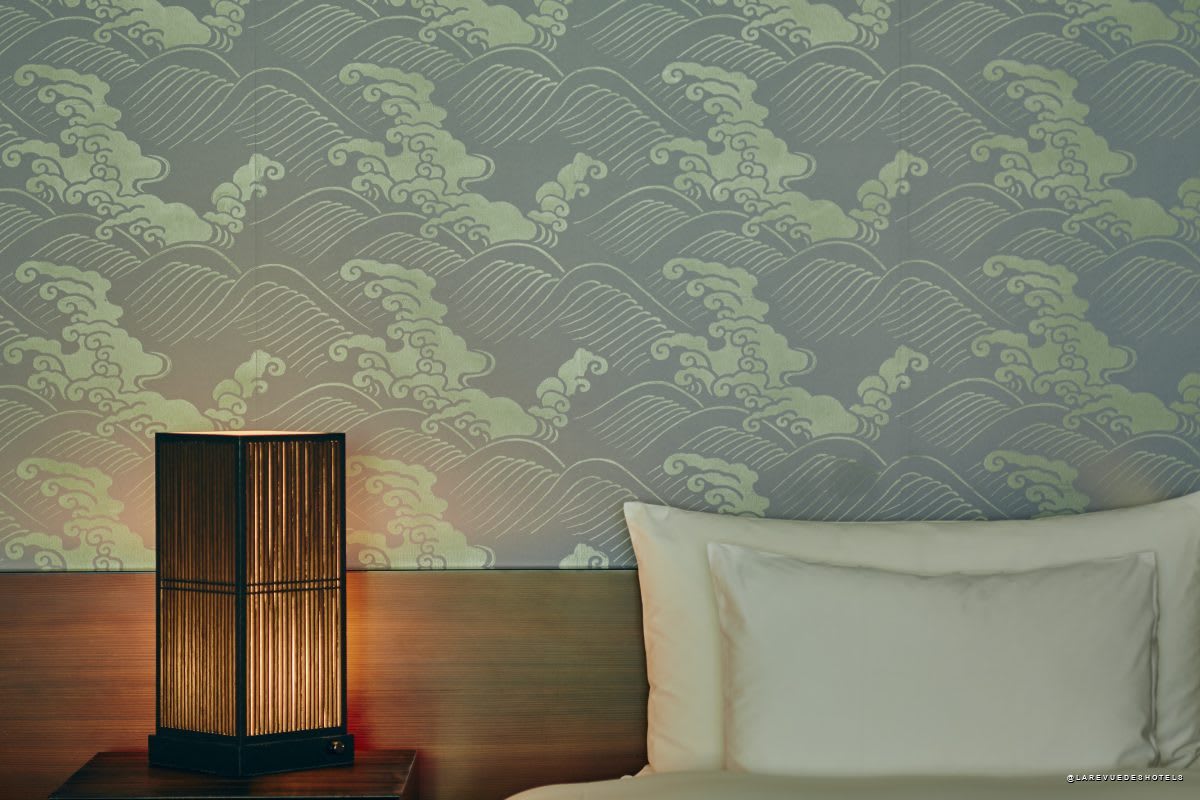
Hoshinoya is the flagship brand, the one of high luxury. Its signature: embodying the land, history and culture of each destination. In Tokyo, Hoshinoya takes the form of a surprising “vertical ryokan”, a tower made entirely of tatami mats planted in the heart of the Otemachi business district since 2016. In Kyoto, the address is nestled in Arashiyama, in a former merchant’s residence reached by boat on the Oi River, and whose restaurant is Michelin-starred. In Karuizawa, the birthplace of the concept opened in 2005, it is a garden village bathed in streams.
Hoshinoya Fuji: Japan’s first glamping site
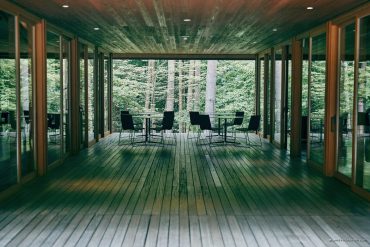
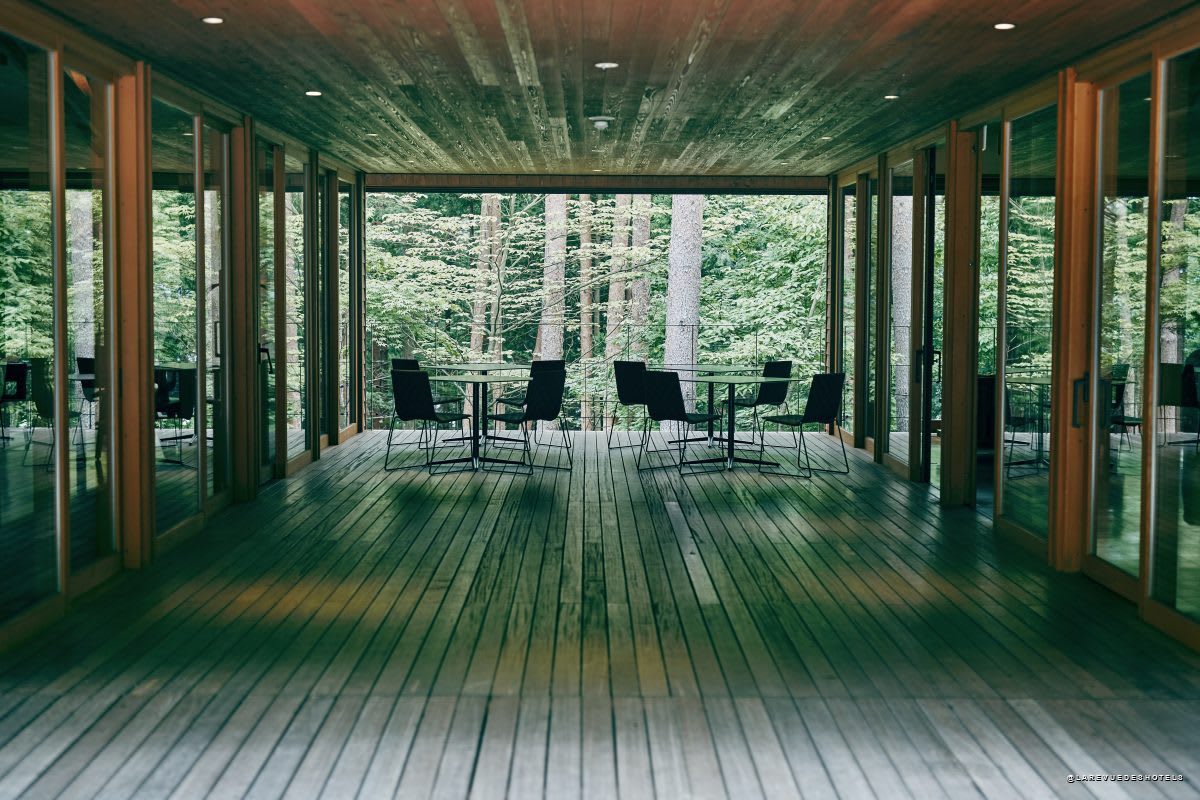
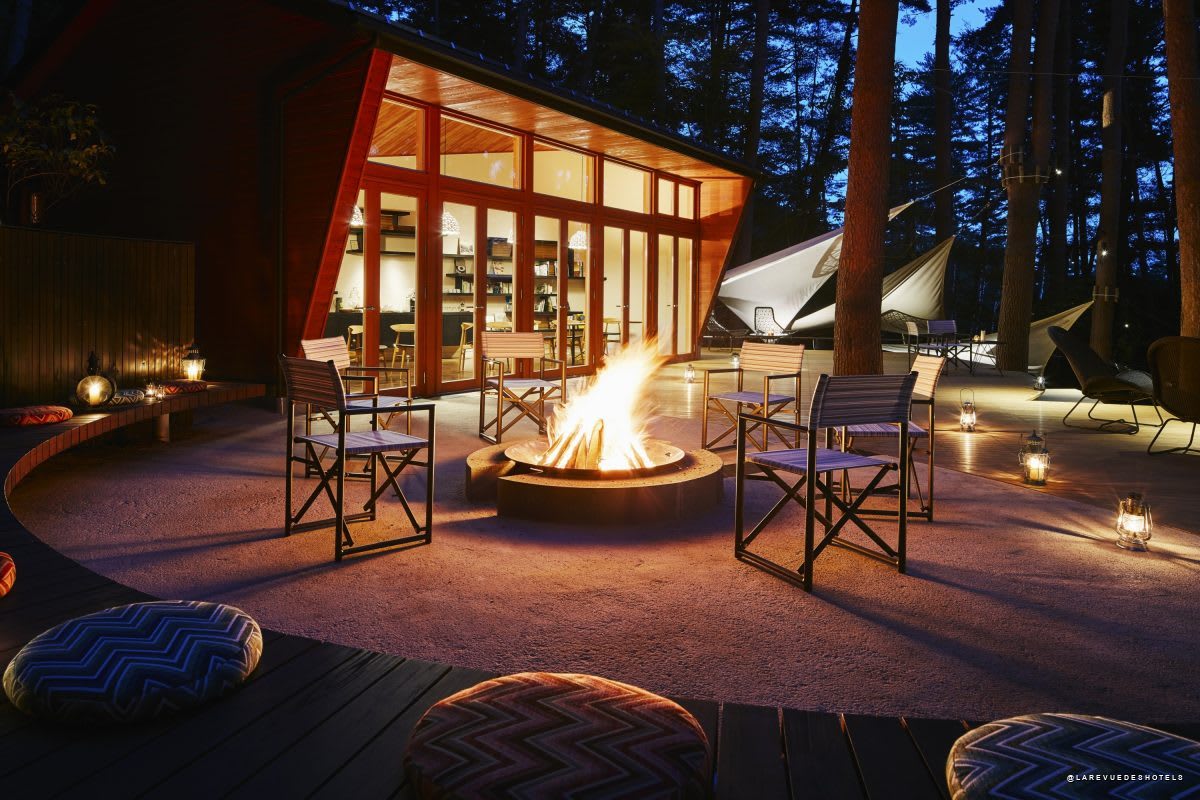
This is undoubtedly the group’s most iconic address for Western travellers. Opened in 2015, Hoshinoya Fuji is presented as Japan’s first glamping resort. Its forty cabin-rooms all face Mount Fuji, and its famous “Cloud Terrace”, a set of wooden platforms set on the forest hillside, has become an iconic image of high-end nature travel in Japan.

Kai: Onsen and ryokan as a way of life
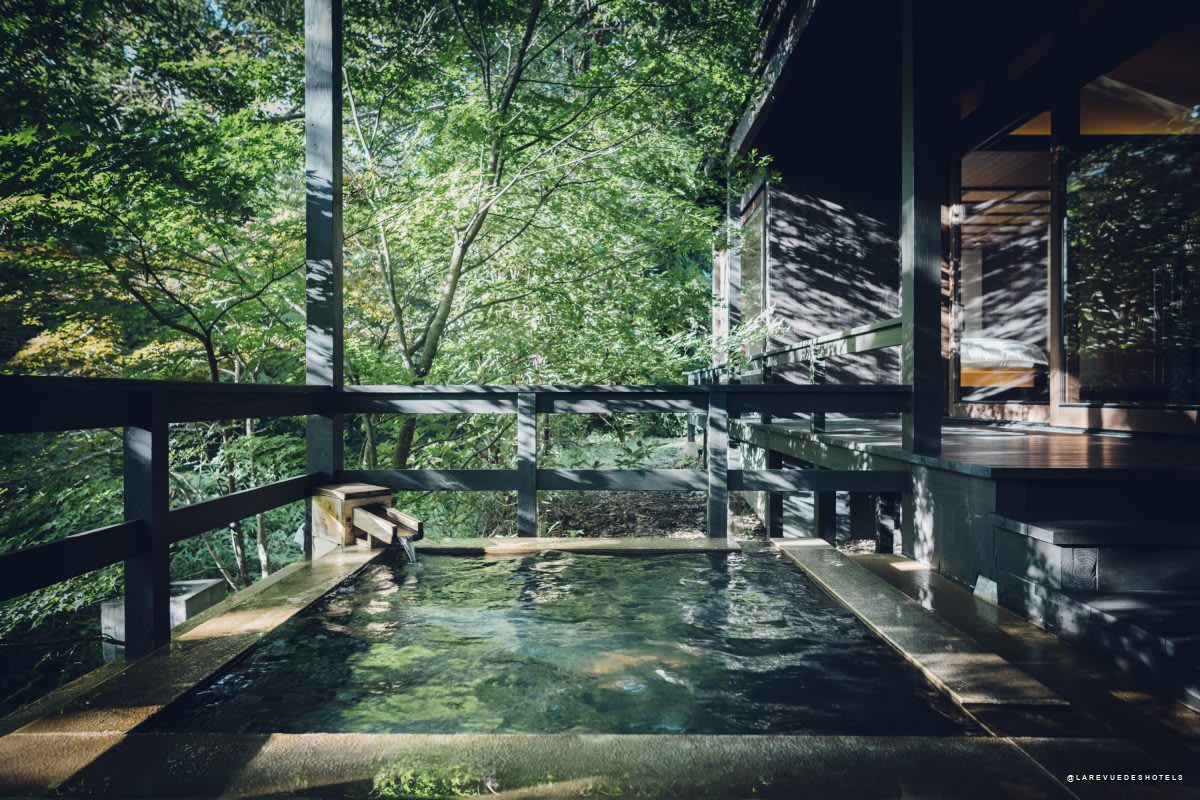
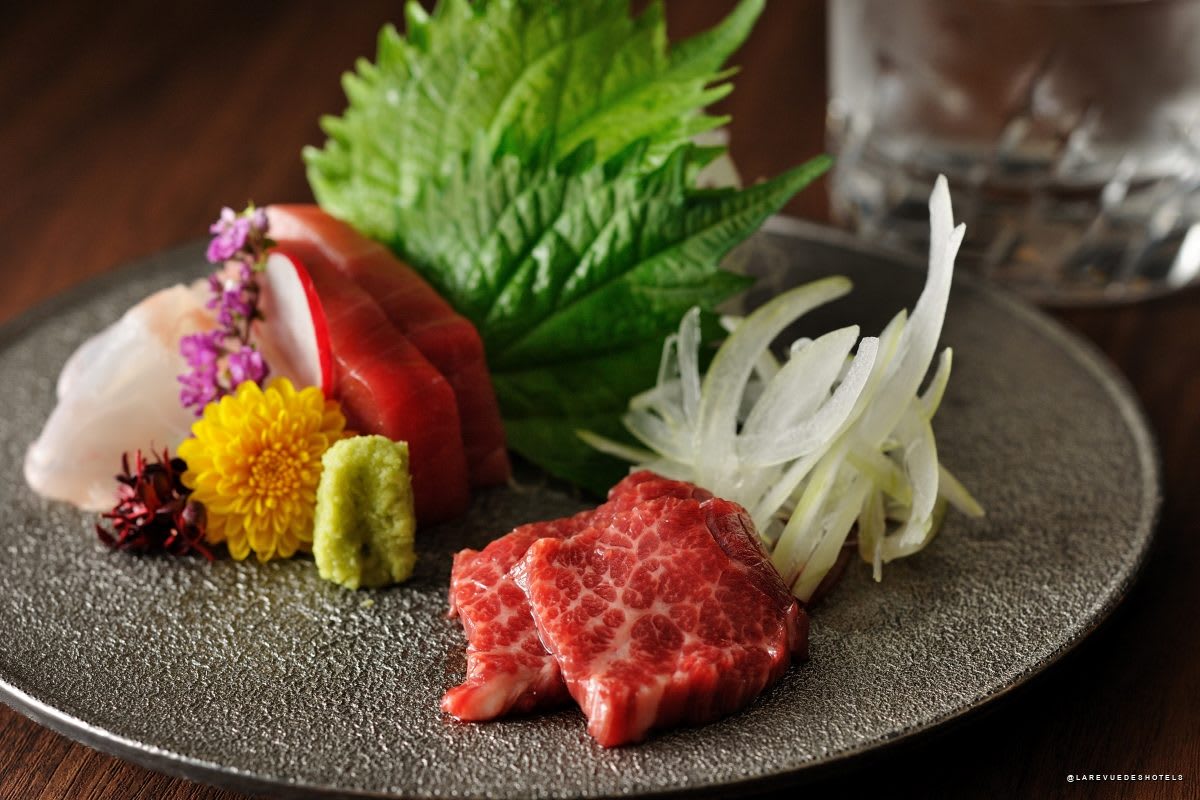
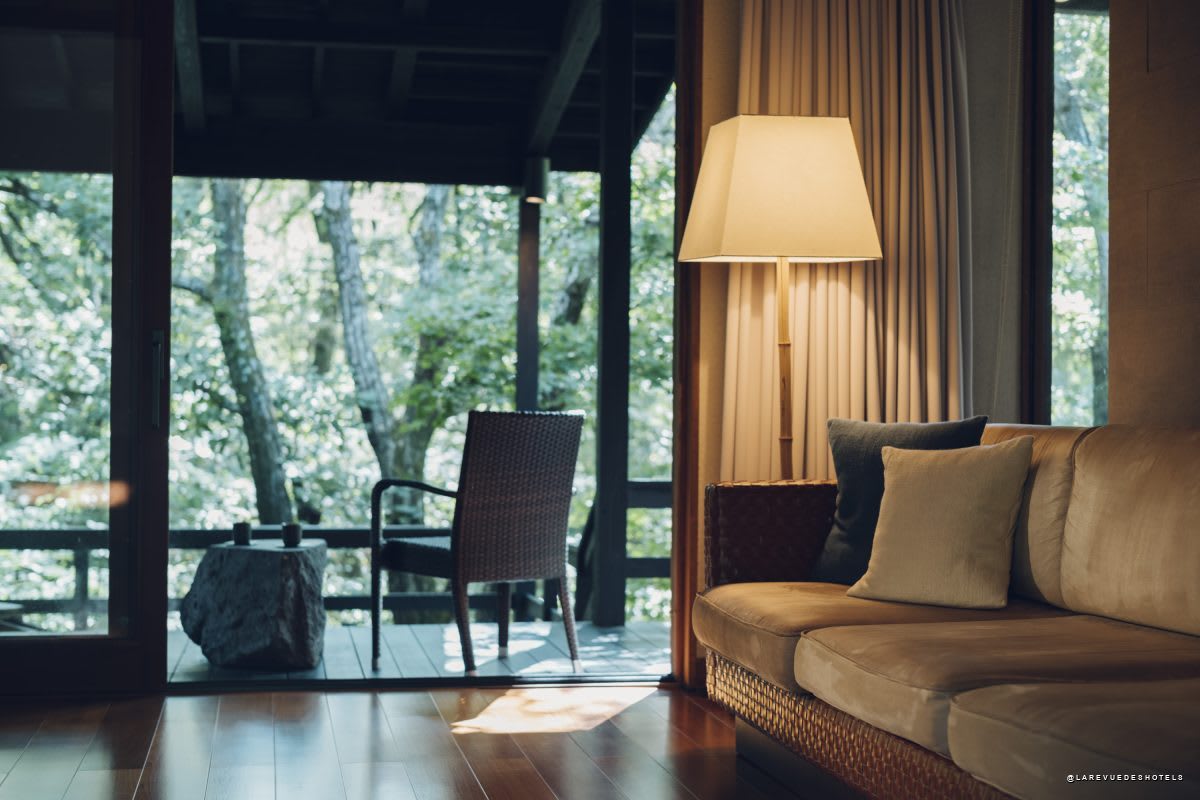
With around twenty ryokans across the country, the Kai brand is perhaps the most faithful to the house’s historical DNA. Each address combines hot spring baths and seasonal kaiseki cuisine, based on local products, in a setting that highlights local craftsmanship. It is the ideal gateway to experience the onsen ritual without sacrificing contemporary comfort.
Risonare: Resorts designed for families
When travelling to Japan as a family, Risonare is the group’s answer. These resorts focus on the duo of nature and design, with a wealth of activities for all ages. Risonare Yatsugatake, imagined as an Italianate alpine village, or Risonare Tomamu in Hokkaido, with its gigantic indoor pool, are among the most popular addresses.
OMO: The Japanese city told by its inhabitants
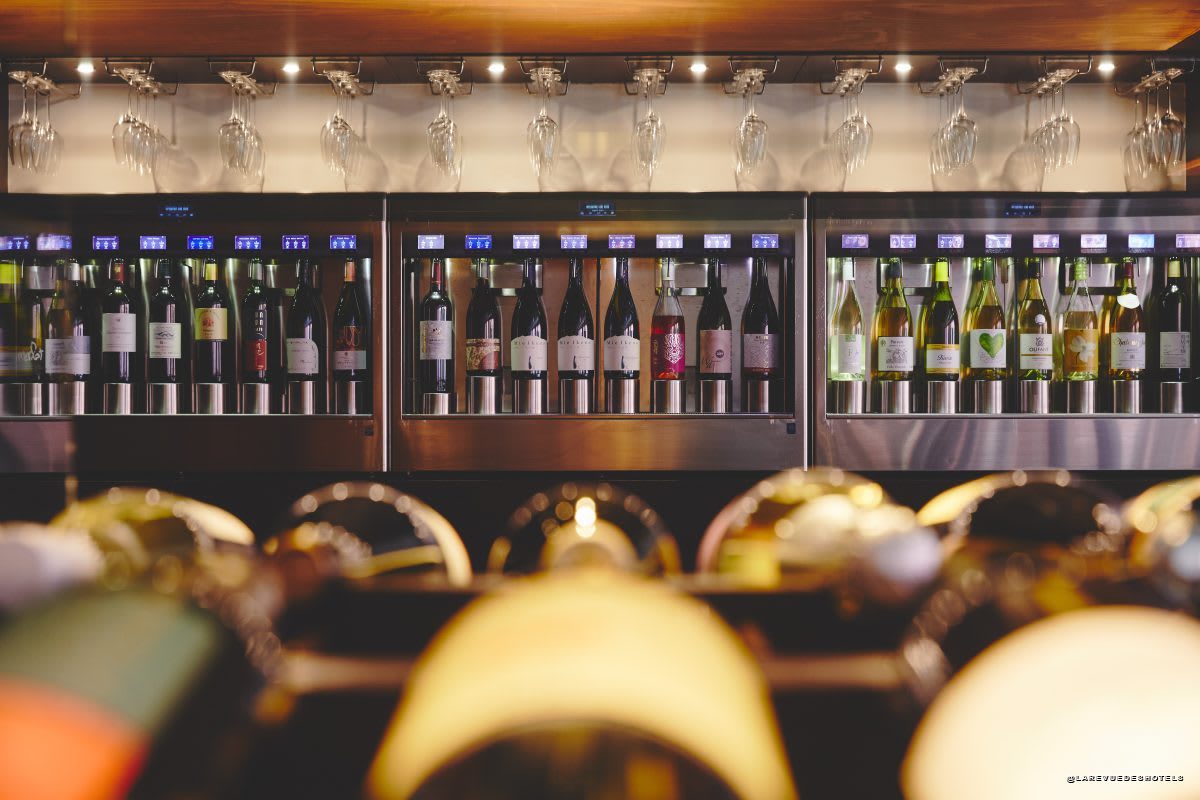
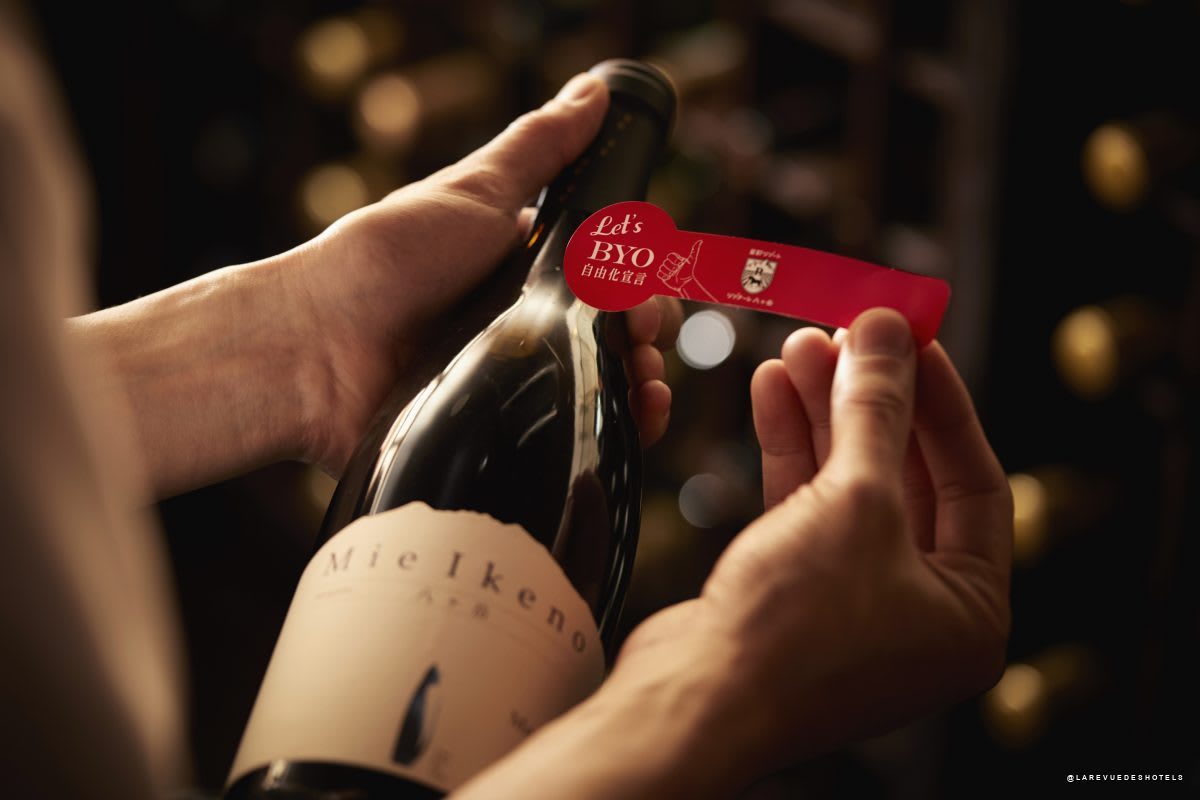
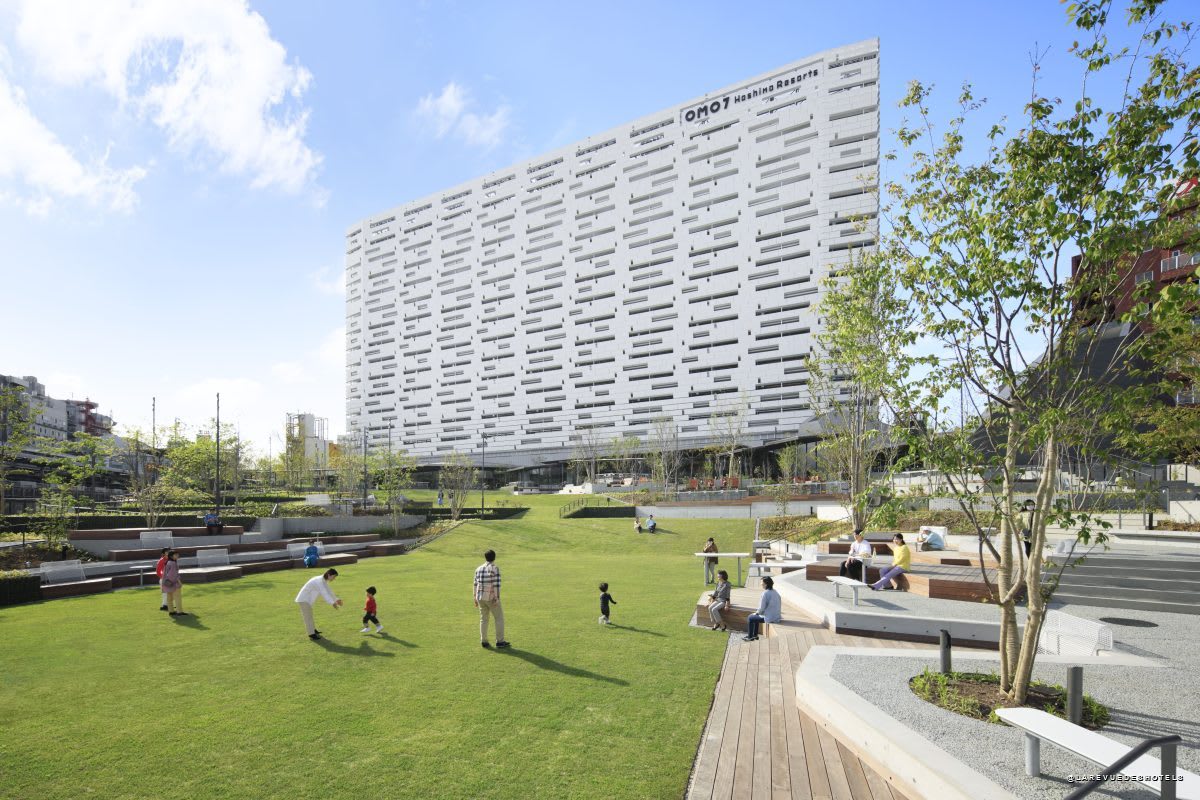
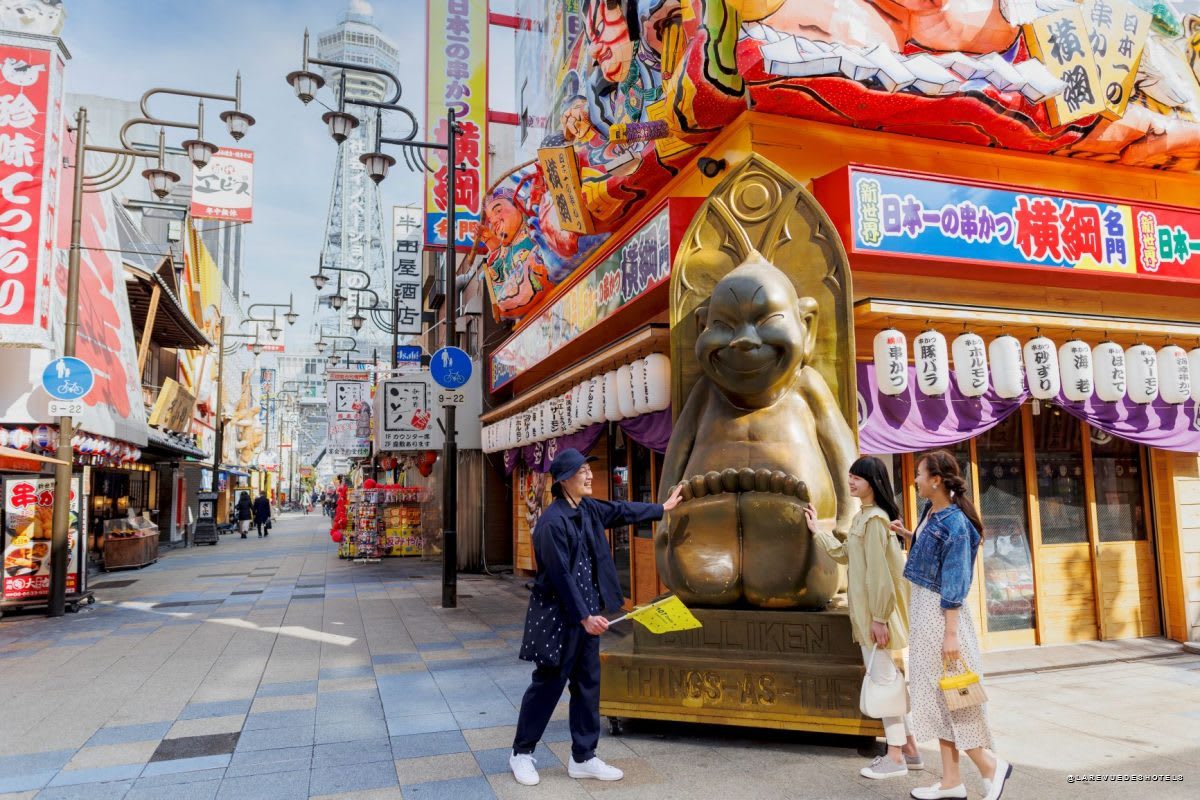
OMO is the brand that makes the city accessible. Designed for neighbourhood discovery, these urban hotels deploy a clever concept: the OMO Ranger, a team member who takes guests to explore the neighbourhood on foot, “Go-KINJO” map in hand. From OMO7 Osaka, opened in 2022 with its urban garden, to addresses in Tokyo and Kyoto, it is the most vibrant way to dive into everyday Japan.

BEB: The young and relaxed address
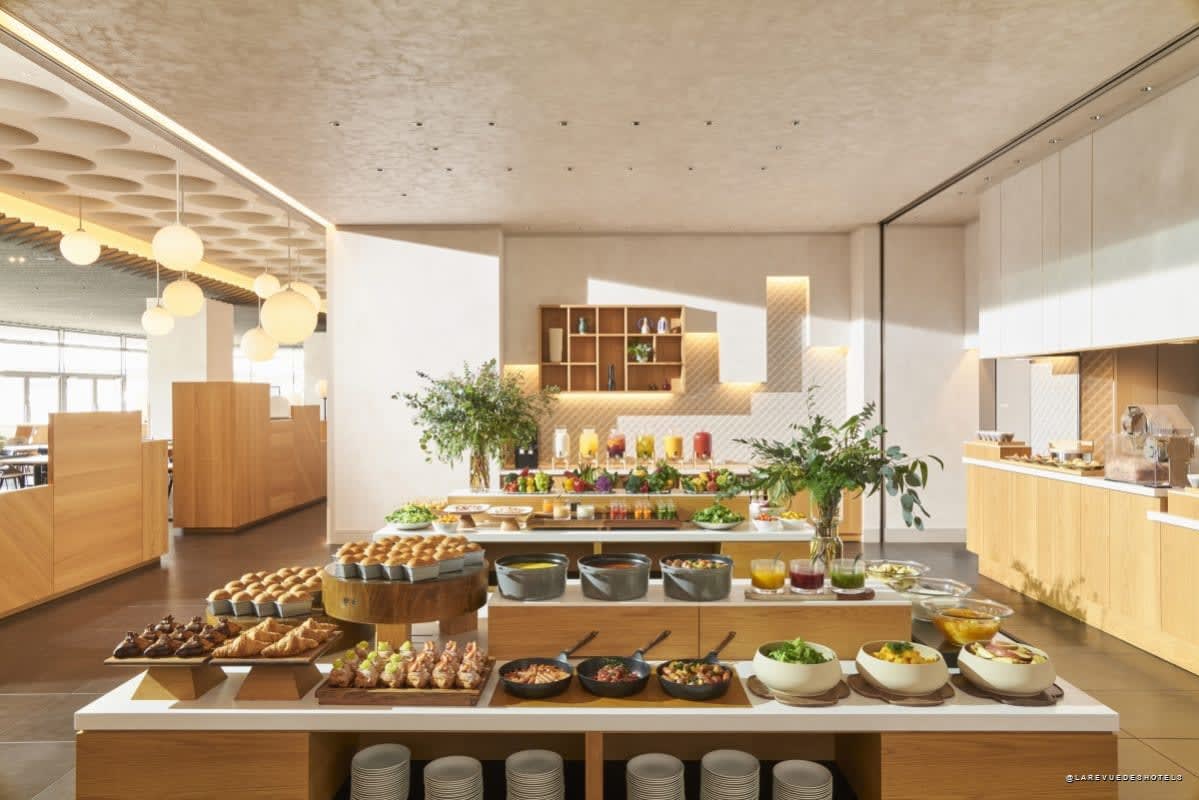
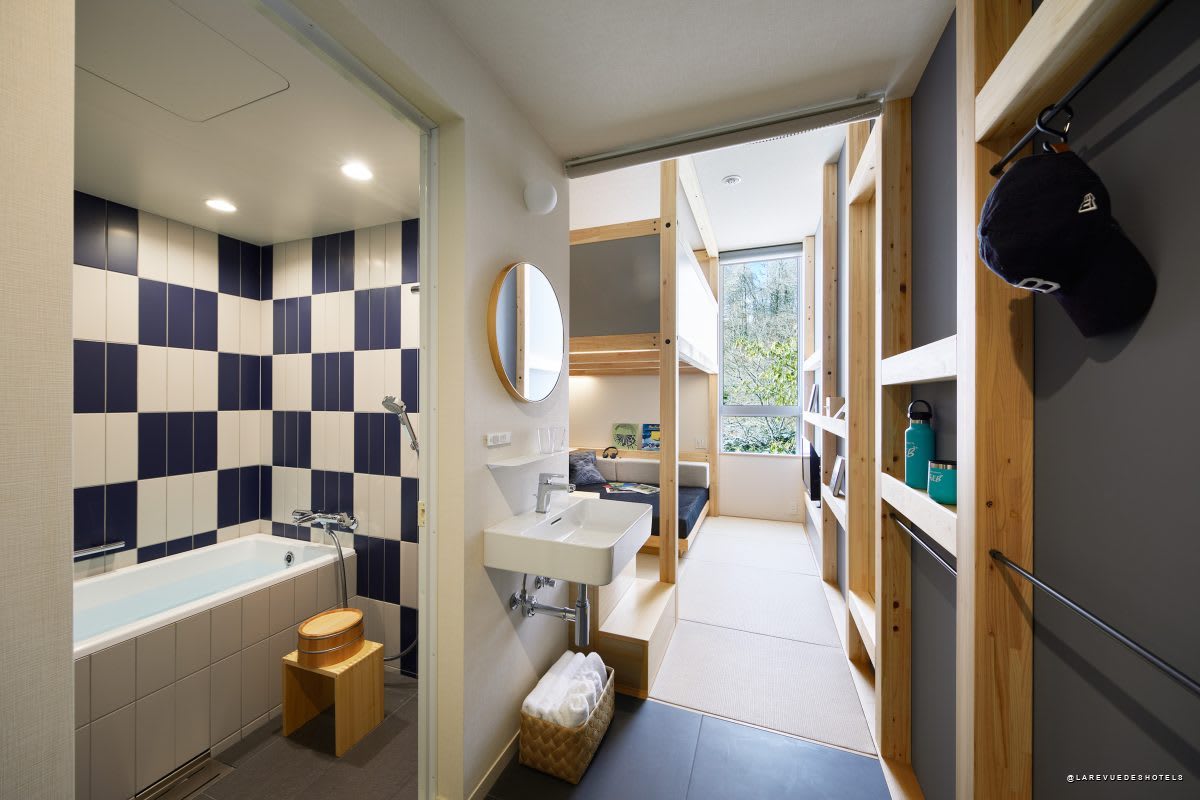
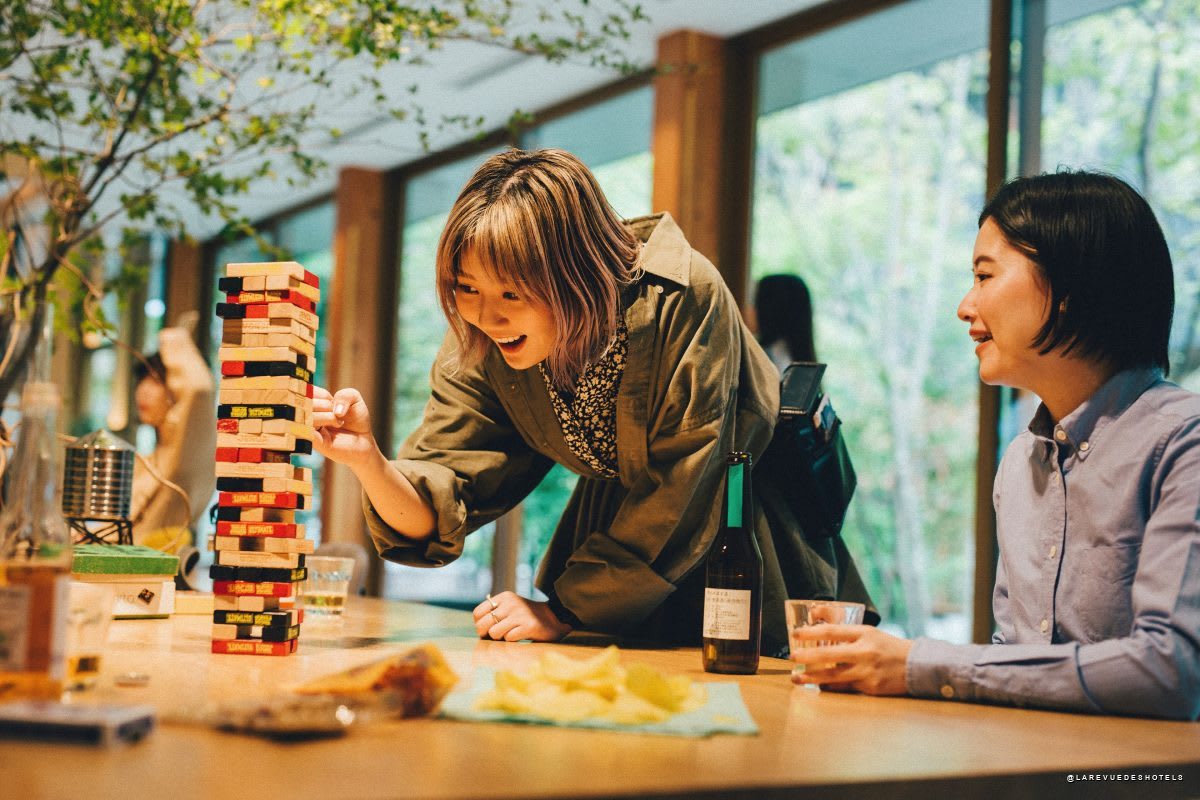
The final link, and a very pleasant one: BEB targets a young clientele, with gentle prices and a relaxed atmosphere. The motto is freedom, with a 24-hour café-lounge, the TAMARIBA, and stays designed for travelling with friends without counting the hours. A perfect way to complete a Japanese itinerary with a light and convivial stopover.
Why Hoshino Resorts is an ideal gateway to Japan
What makes this group so valuable for a traveller is that it allows you to traverse all of Japan under the same philosophy, without ever falling into uniformity. You can start with the excitement of Osaka in an OMO, continue with a Kai onsen ryokan in the regions, treat yourself to a night facing Mount Fuji at Hoshinoya Fuji, and then finish with the refinement of a Hoshinoya in Kyoto. Onsen, kaiseki, omotenashi hospitality, regional roots: all the codes of Japanese travel are there, tailored to different budgets. The group also made its debut in The World’s 50 Best Hotels ranking in 2023 and won a Triple Crown Award from Condé Nast Traveler in 2026.
The opinion of La Revue des Hôtels
Few groups are capable of taking you from one end of a country to the other while maintaining true consistency. Hoshino Resorts is one of them. Its strength lies in having built clear brands, from the accessible BEB to the Hoshinoya suite, each responding to a specific moment of the journey. When preparing a discovery of Japan, building your itinerary around its addresses is an excellent idea: you gain in comfort, sense of place and authenticity. It is hard to find a better common thread for exploring the archipelago.