

- The property: Hotel Maximilian’s, five-star superior in Augsburg, Bavaria, in a house more than three hundred years old
- What’s new: a new wing of seven suites, opened in early August 2026 after two years of works
- Investment: around 8 million euros
- The distinguishing feature: a 14-metre rooftop pool, heated all year, reserved for hotel guests
- The target: long stays and leisure guests
A new wing behind the historic house
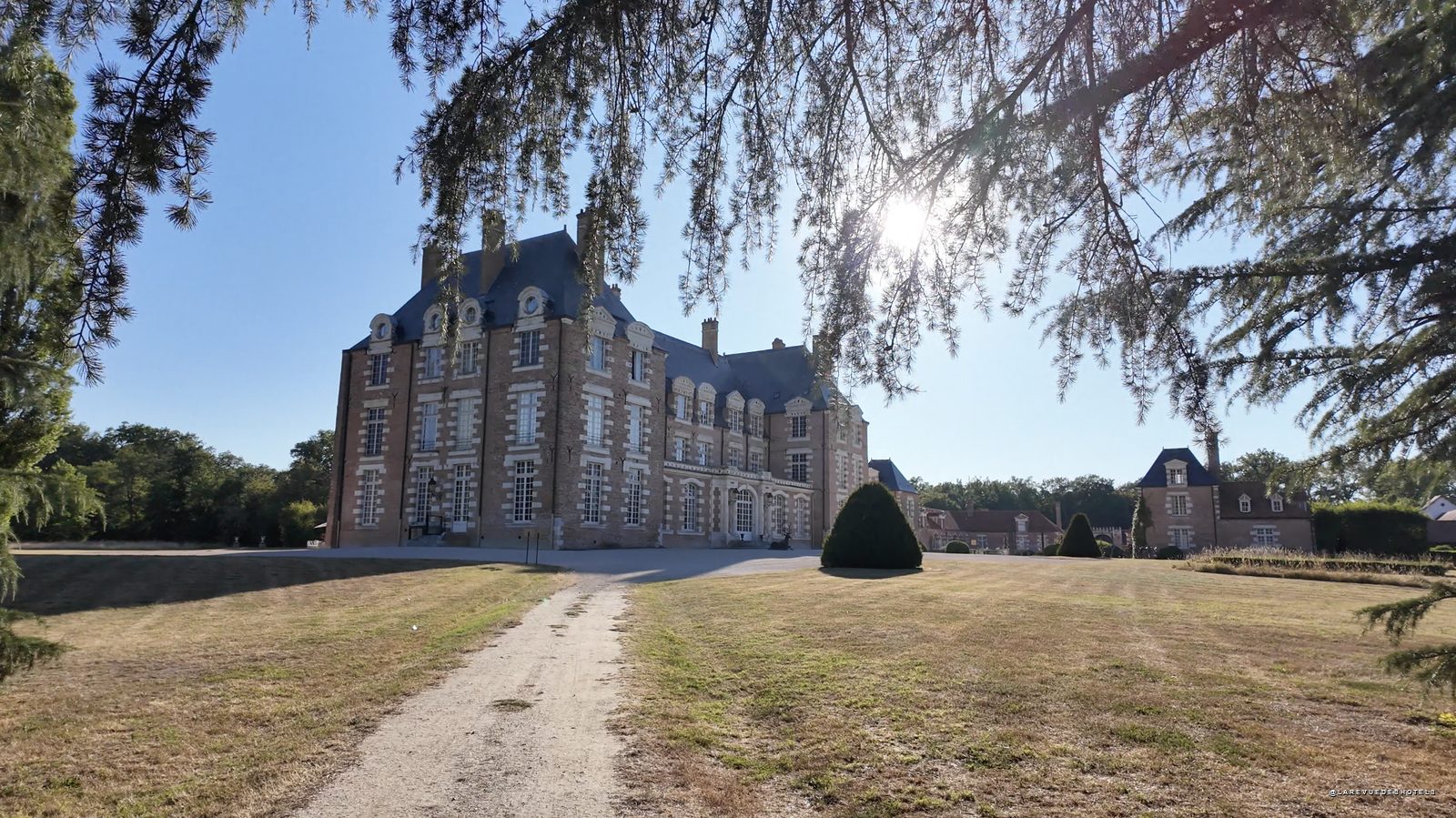
Hotel Maximilian’s occupies a more than three-hundred-year-old ensemble in Augsburg, rated five-star superior. After roughly two years of works, it has opened an extension built on Katharinengasse, immediately behind the historic main building, for an investment of around eight million euros.
✈️ Envie d'y séjourner ?
Comparez les prix & disponibilités
pour Hotel Maximilian's
Lien partenaire : si vous réservez via ce lien, La Revue des Hôtels reçoit une commission, sans surcoût pour vous. Cela soutient notre travail éditorial indépendant.
The opening was held in early August 2026 in front of some one hundred and thirty guests from business, politics, tourism and the media. The house is run by Theodor Gandenheimer.

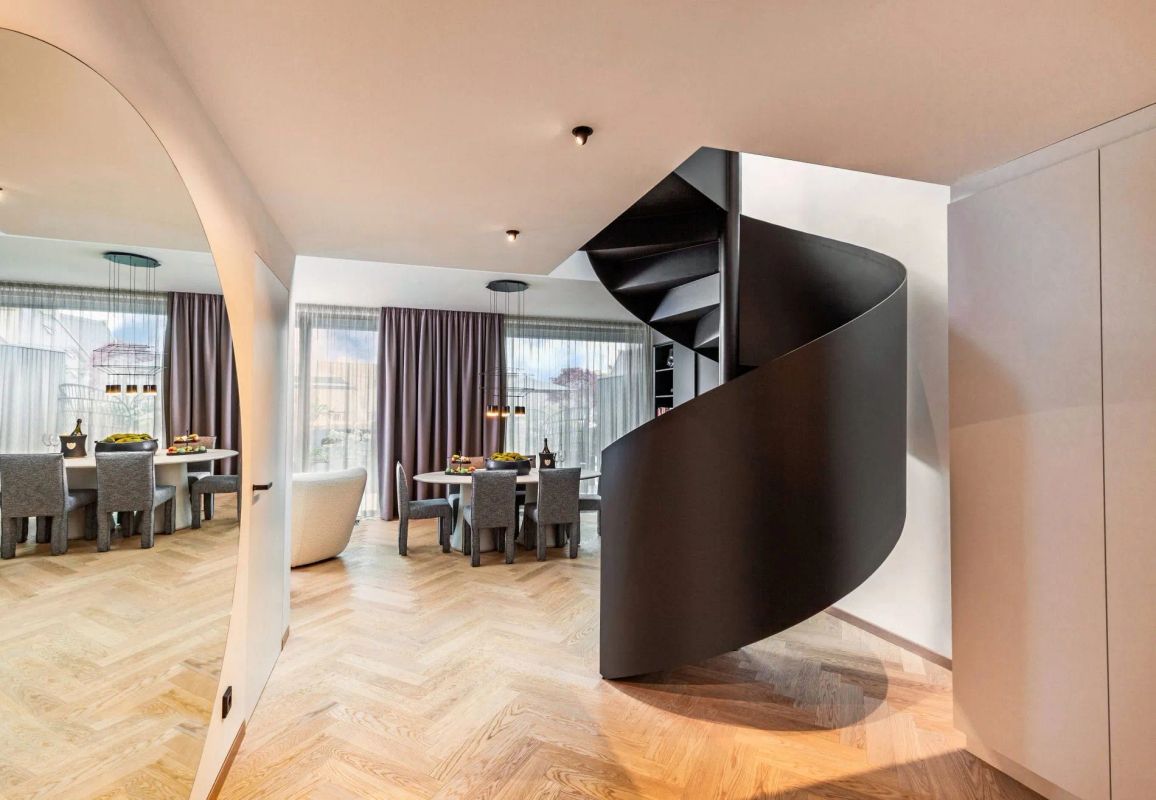
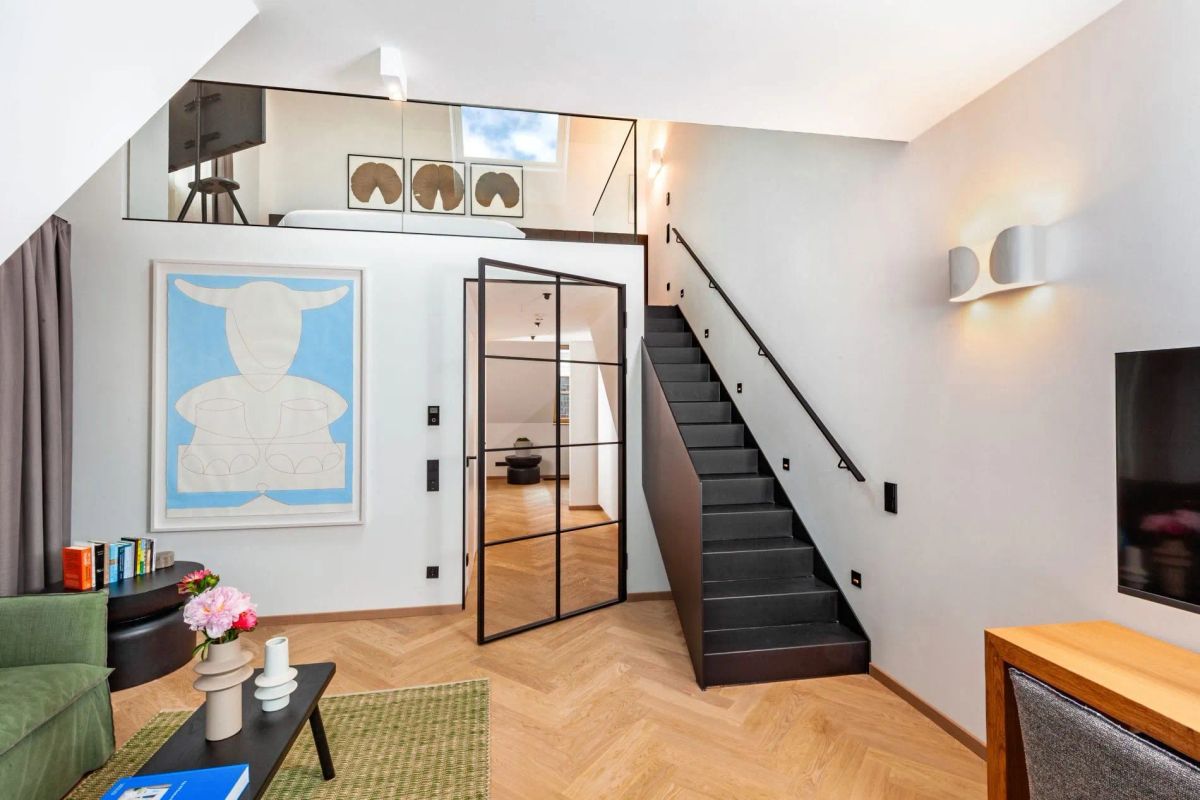
Seven suites over three floors, five of them duplex
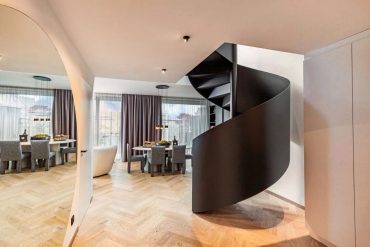
The new wing holds seven suites across three floors, in a register the house calls urban luxury. Five are duplexes, linking living room and bedroom by an internal staircase, and two have their own sauna. All offer a separate living and dining area, plus a kitchenette.
That last detail is not incidental: it names the target. The house says it is answering expectations that have changed, with more generous floor areas, longer stays and demand for private retreats. A kitchenette and a separate dining area are the classic markers of the long-stay segment, still thinly served in German city-centre luxury hotels.
The heated rooftop, the argument that sells
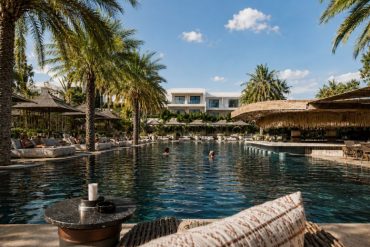
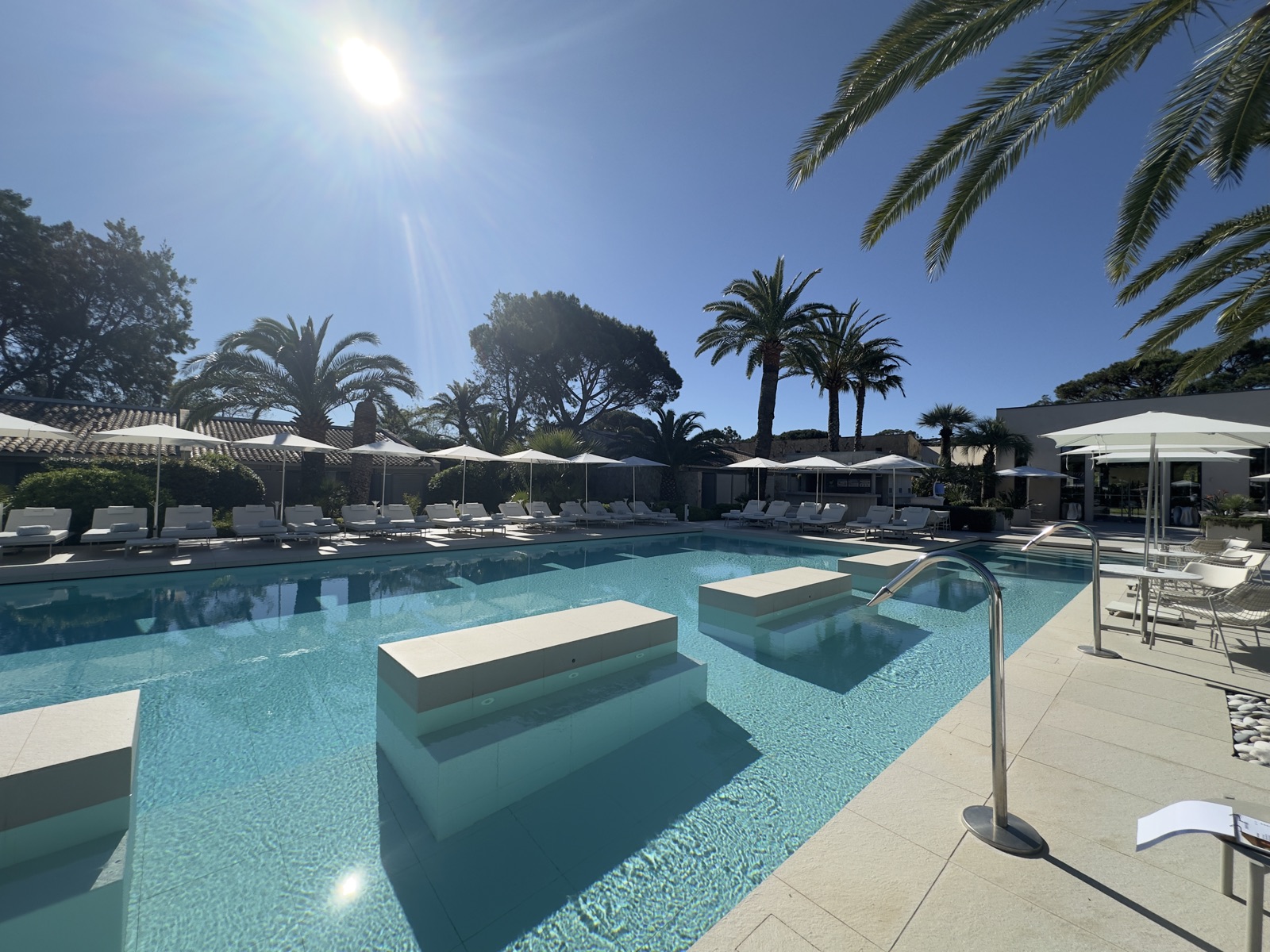
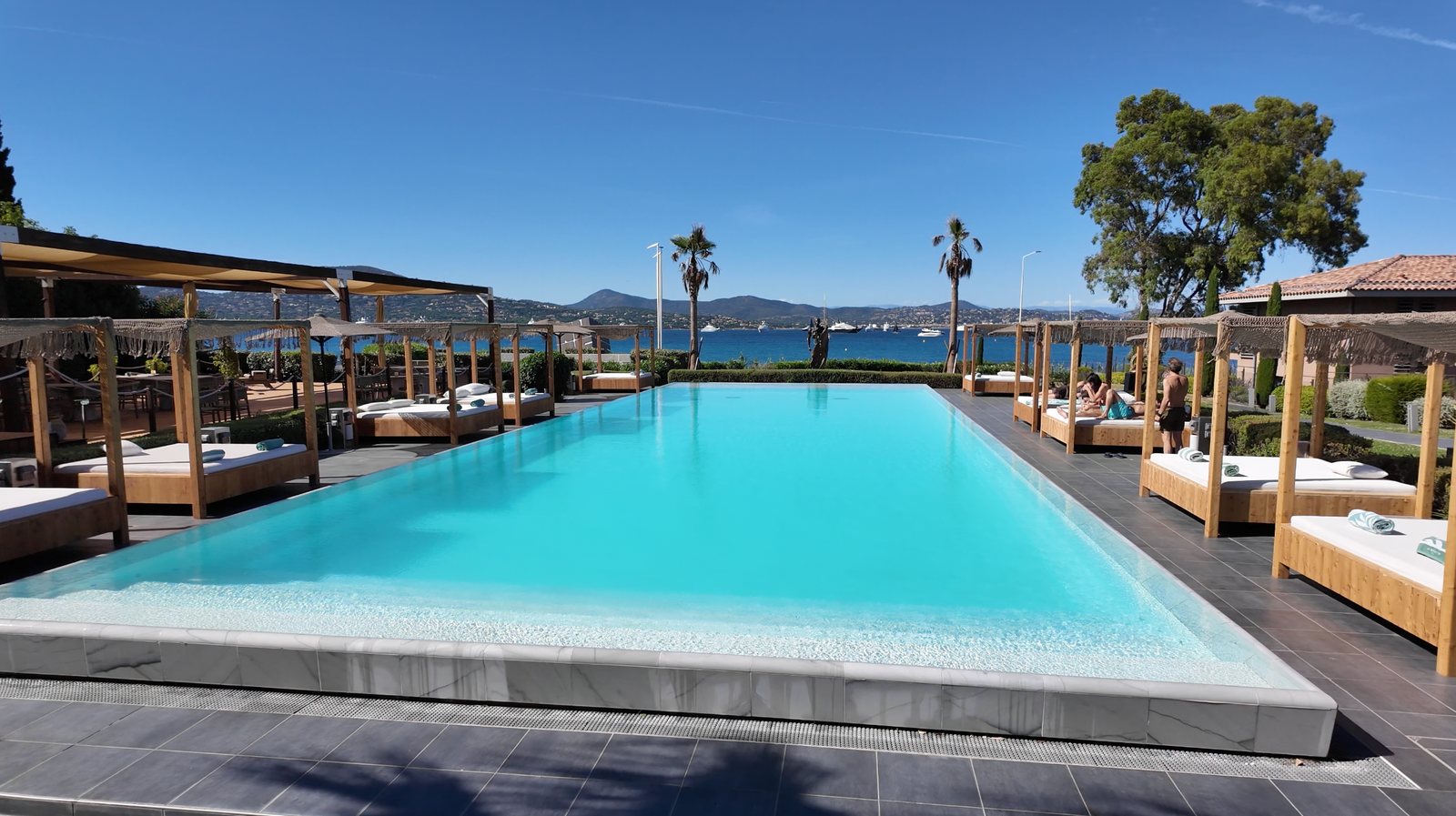
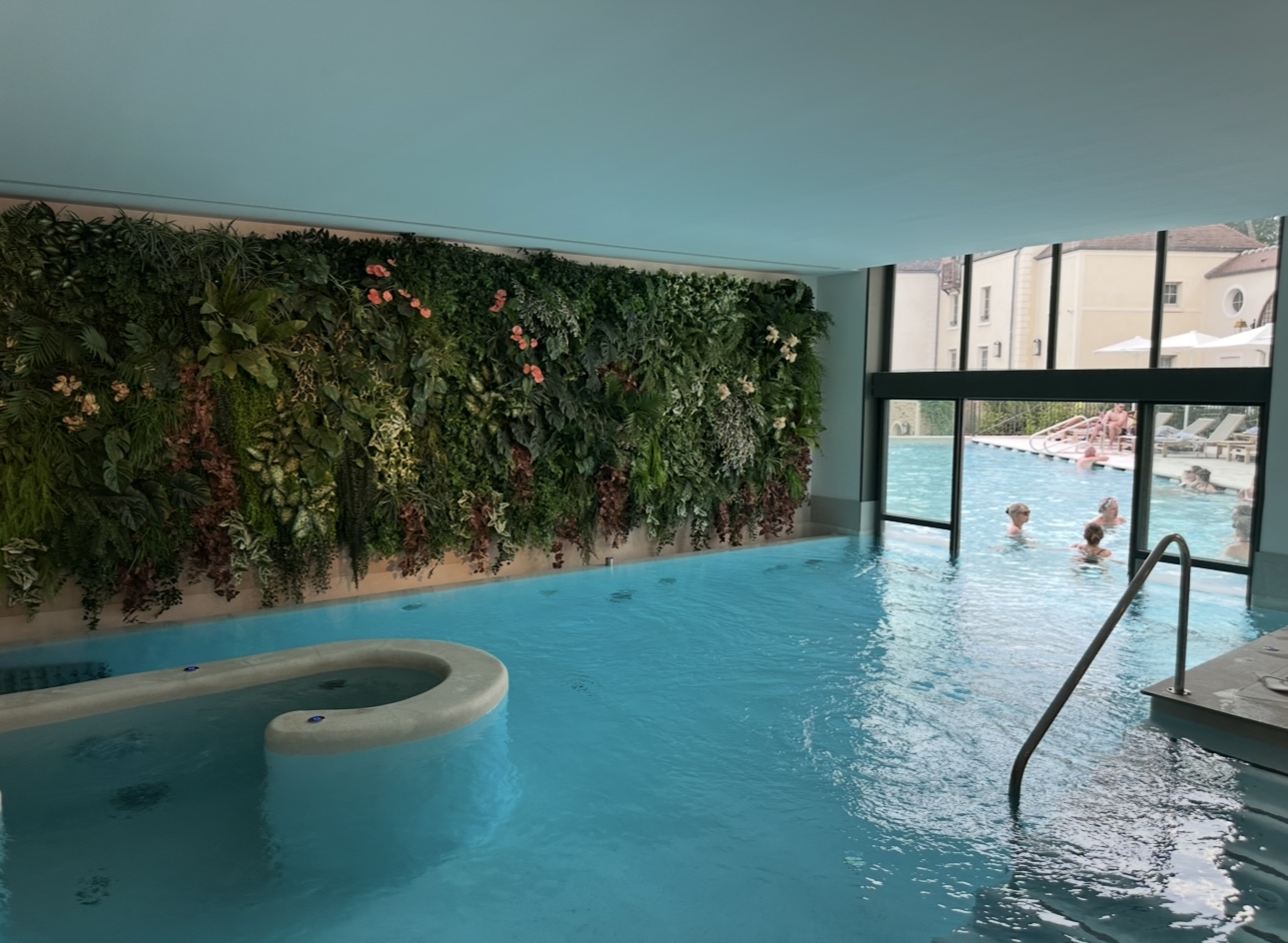
This is the centrepiece of the extension. On the roof of the new wing, a pool roughly fourteen metres long is heated all year round and reserved for hotel guests, with a view over the roofs of Augsburg. A sun deck extends it, laid out with loungers and parasols.
In a Bavarian city where the outdoor swimming season is short, a pool usable in February changes what a city-centre hotel offers. Management makes no secret of treating it as a booking argument.


What this extension says about the German market
Augsburg is not Munich, and that is precisely what makes the file interesting. Eight million euros invested in seven keys alone is a very high figure per room for a secondary German city, which points to a deliberate bet on value rather than volume.
The extension adds a contemporary architectural note to the historic ensemble without touching it. That is the formula most old European houses now settle on: preserve the listed fabric, and house the expected comfort in a neighbouring build.