

The Italian hotel real estate market has demonstrated remarkable vitality in 2025 and during the first half of 2026, establishing itself as one of the most dynamic in Europe in terms of growth and investment. The findings of the 2026 report on the hotel real estate market, presented at the Hospitality Forum 2026 organised by Castello Sgr and the research agency Scenari Immobiliari, paint a particularly positive picture for the peninsula. This impressive performance, marked by a significant increase in capital invested, consolidates Italy’s position as a prime destination for investors in the luxury hospitality sector.
The boom is palpable, with figures that testify to the increased confidence of market players. Investments have not only exceeded expectations but have also highlighted the resilience and structural attractiveness of the Italian hotel offering, particularly in the mid-range, upscale, and luxury segments. This dynamic is all the more significant as it occurs within a European and global context of recovery, where Italy manages to distinguish itself by its ability to generate value and attract strategic capital.
- Italian hotel real estate is among the most dynamic in Europe: €2.35 billion invested in 2025 (+27%) and €1.25 billion in the first half of 2026 alone.
- The Italian hotel stock is valued at over €140 billion (+7% per year), driven by the mid-range, upscale, and luxury segments.
- Capital is concentrated in Rome, Milan, Venice, and Florence, as well as major leisure destinations (Amalfi Coast, Lake Garda, Chianti).
Contents
Italy, the engine of European growth
The Italian hotel real estate market has clearly established itself as a major player on the European stage, contributing significantly to the sector’s overall recovery. According to the global market report on real estate, Europe experienced a period of recovery in 2025, with hotel investments totalling a record €24.4 billion. Although this figure represented an 8% increase compared to the previous year, it remained below the peak recorded in 2020. Simultaneously, the global real estate market saw demand for the hotel property category exceed €65 billion, signalling sustained international appetite for this type of asset.
Between January 2025 and May 2026, over 430 hotel establishments in Europe changed hands, representing more than 84,000 rooms. This intense activity underscored the market’s liquidity and attractiveness. Within this bustling activity, the United Kingdom maintained its leading position, both in terms of room inventory and investment, with over €5.6 billion. Spain and France also showed solid performance, with amounts of €3.7 billion and €3.5 billion respectively. Italy, for its part, demonstrated robust performance, attracting over €2.3 billion in investments, which allowed it to retain its status as one of the most sought-after destinations among European hotel real estate investors.
A dynamism supported by the premium segment
The Italian market is distinguished by a notable concentration of investments in the mid-range, upscale, and luxury segments. In 2025, the number of transactions in these categories of establishments amounted to 70 properties, totalling approximately 5,250 rooms, with an average of four or five stars. This focus on the premium segment is not insignificant: it reflects the perception of Italy as a bastion of quality hospitality, capable of generating high and stable returns.
Key figures of a booming market
Italy ranks among the most attractive countries in the world in terms of market asset value. The total value of assets in the Italian hotel real estate market exceeded €140 billion, recording an annual increase of 7%. This steady growth is an indicator of the sector’s health and valuation potential.
In 2025, the total value of the Italian real estate market reached over €1.73 billion, a 7.2% increase compared to 2024. These assets generated €3.8 billion in 2025, an increase of 12% compared to the previous year. These exceptional results in Italy, particularly in terms of value, are primarily driven by private equity investors, owner-operators, and institutional investors. These are players who recognise the long-term growth potential and stability of the Italian hotel market.
Asset valuation in constant progression
The report also highlights that some of the most promising asset development opportunities in Europe are located in Italy. The country offers a unique blend of established destinations and emerging areas, attracting a wide range of investors. This diversity allows for capitalisation on different strategies, whether through acquisitions of existing properties or the development of new projects.

Mapping regional opportunities
Leaders in the Italian hotel real estate market are concentrated in specific regions that benefit from strong tourist appeal and well-established hotel infrastructure. Trentino-Alto Adige, Emilia-Romagna, and Veneto have the largest concentrations of hotels, with over 5,370, 4,030, and 3,150 establishments respectively. In total, the number of hotel buildings in Italy exceeds 370,000, demonstrating the sector’s scale and maturity.
These regional concentrations are not accidental. They correspond to areas with particularly rich and diverse tourism offerings, ranging from Alpine landscapes to Adriatic beaches, as well as art cities and wine regions. For investors, these regions offer significant visibility and stability, with constant tourist flows and proven hotel demand.
Major cities and leisure destinations lead the way
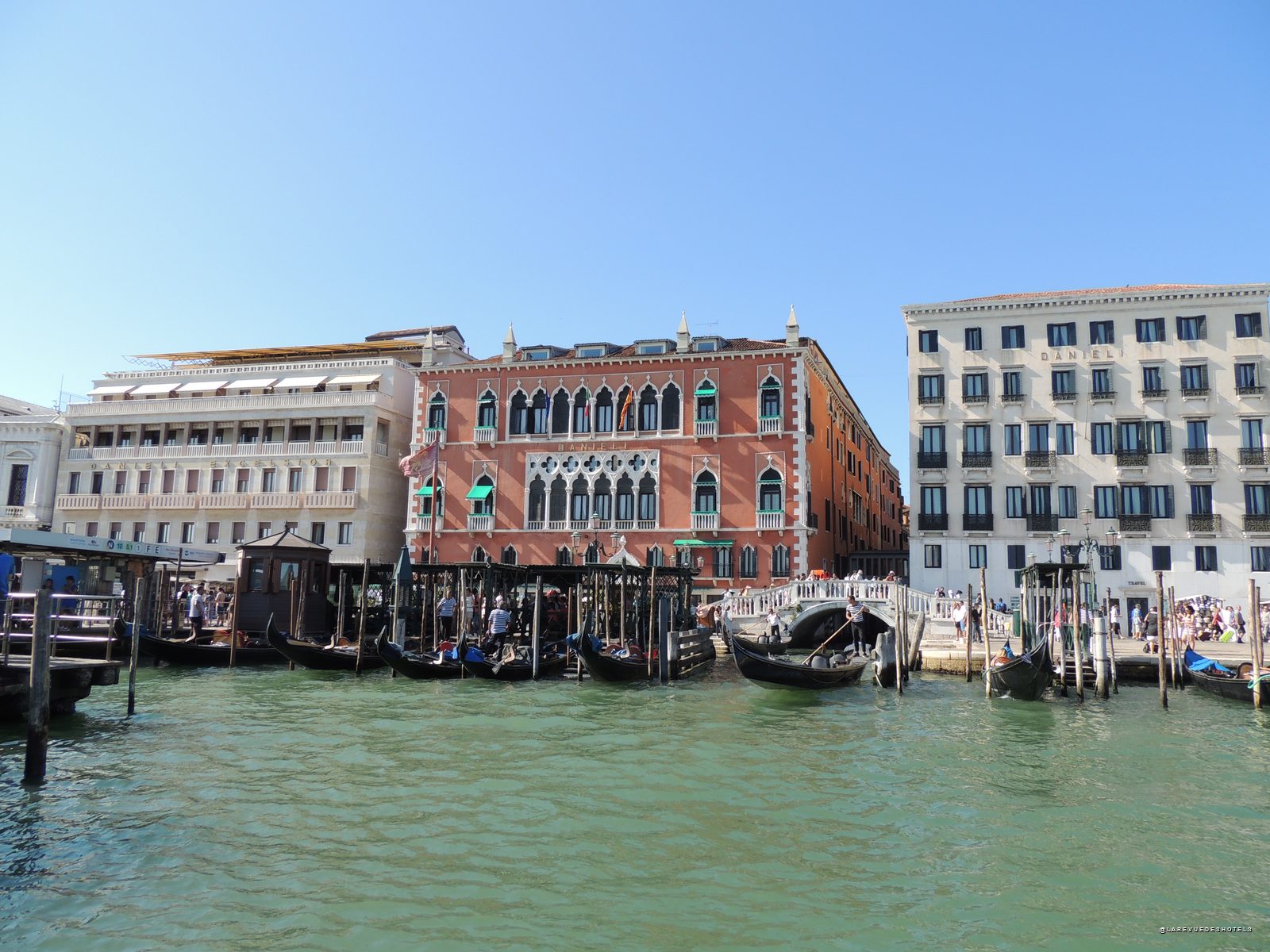
Italy’s attractiveness is primarily driven by its major cities, art cities, and leisure markets. Rome, Milan, Venice, and Florence remain the most sought-after destinations by hotel real estate investors. These iconic cities benefit from global renown and a constant international tourist flow, guaranteeing high occupancy rates and solid returns.

Concurrently, a growing trend is observed in leisure markets and megacities. Beyond the major cities, other areas show a high concentration of hotels and promising potential. Among the most attractive destinations are the Milan-Bologna conurbation and the Florence-Siena-Chianti region. The Genoa conurbation and the coastal area up to La Spezia, Verona and Lake Garda, as well as Naples and the Amalfi Coast, are also regions with a high concentration of establishments. In these destinations, the occupancy rate reaches 80%, which is considered extremely high.
These areas represent promising directions for private equity funds, owner-operators, and institutional investors. The growing interest in the leisure segment complements the demand for business markets and art cities, creating a healthy and diversified balance for investors’ portfolios.
Operational indicators are looking good
The excellent results of the real estate market in Italy are also supported by high occupancy rates. In 2025, occupancy rates for mid-range and upscale hotels in most major Italian cities exceeded 65%. The most popular destinations even recorded occupancy rates above 75%. These figures are all the more encouraging as the trends in this direction remain positive.
Forecasts for the 2026 results showed that occupancy rates during the first five months of the year were already promising. This positive momentum, coupled with continued investor interest, suggests that the situation in the Italian hotel real estate market will remain favourable. These combined factors indicate a period of sustainable prosperity for Italian luxury hospitality.
Our perspective
The 2026 report by Scenari Immobiliari and Castello Sgr confirms what “La Revue des Hôtels” has been anticipating for several years: Italy is not only a destination for luxury tourism but also a leading hotel real estate market. The concentration of investments in the upscale and luxury segments reflects a strategy of qualitative value enhancement that perfectly aligns with our readership’s expectations. The impressive investment figures and high occupancy rates, even after a period of global turbulence, prove the resilience and intrinsic attractiveness of Italian hospitality. It is clear that private equity funds and major hotel groups will continue to closely monitor opportunities in Italy’s art cities and rivieras, confirming the peninsula as a safe bet and an engine of innovation for European hospitality. The diversification of popular destinations, beyond historical capitals to regions like Trentino-Alto Adige or the Amalfi Coast, also opens up new prospects for exclusive hotel projects and increasingly refined customer experiences.