
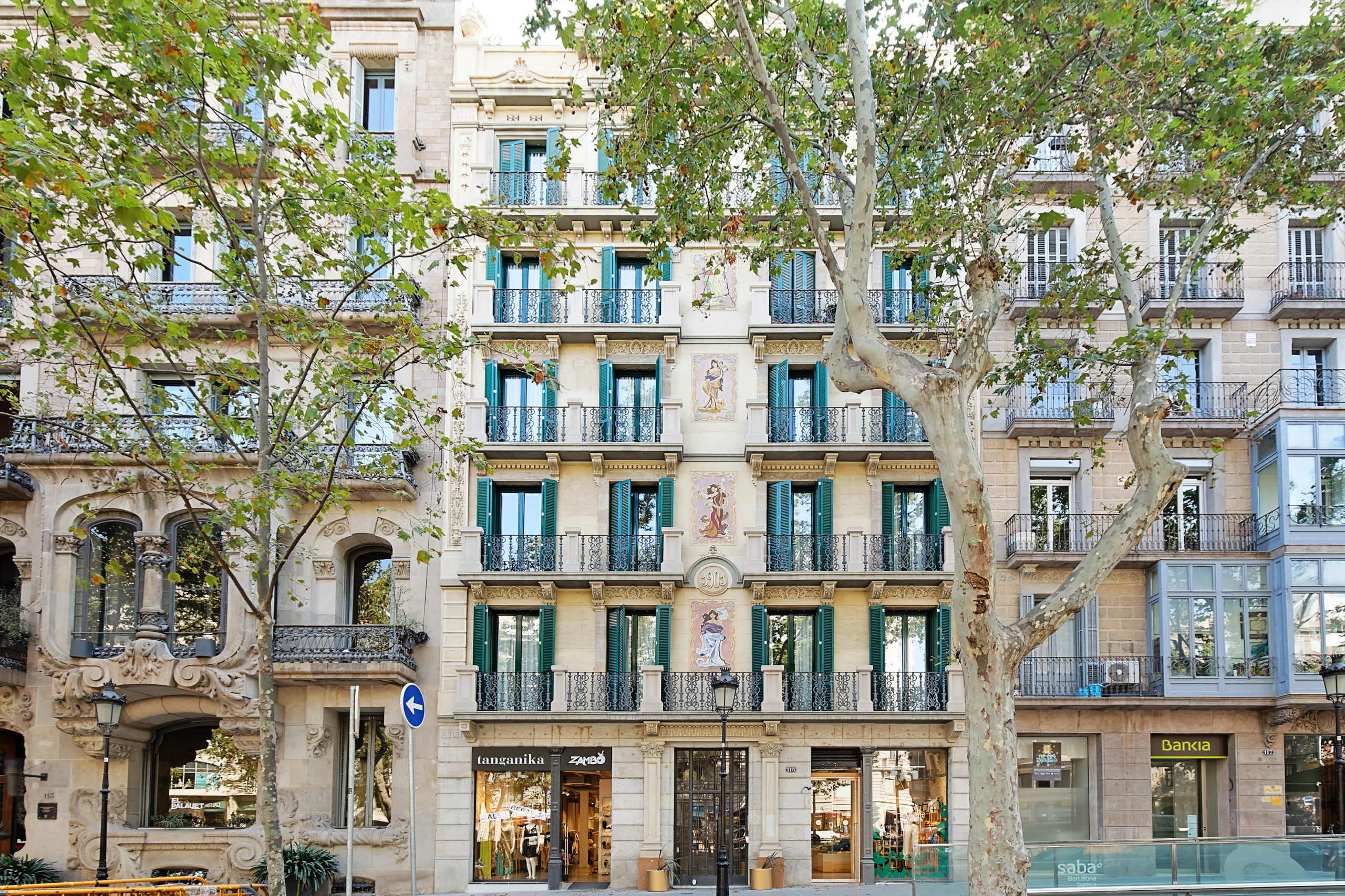

- The real estate investment fund AX Partners acquired the building at 115 Passeig de Gràcia in May 2026 to develop an upscale hotel.
- Founded by Aleix Recasens, the fund manages over 400 million euros in assets with a portfolio including properties in Barcelona, Ibiza, and Sitges.
- Barcelona remains a top European destination, recording over 12 million tourists in 2024 and an 8% increase in RevPAR for the luxury sector.
- The project benefits from a strict municipal moratorium that limited new hotel authorizations to fewer than 500 rooms citywide in 2024.
Barcelona confirms its status as a stronghold for luxury hotel investment in Europe. The real estate investment fund AX Partners has just acquired the building at 115 Passeig de Gràcia, one of the most coveted addresses in the Catalan capital, with the ambition of developing an upscale hotel there.
Far from being a simple real estate transaction, this operation illustrates a strong conviction in Barcelona’s long-term potential and a clear trophy asset strategy. On an avenue where location is paramount, transforming regulatory constraints into opportunities becomes an art that few players master.
A Strategic Acquisition on Barcelona’s Most Prestigious Avenue
A Legendary Address in the Heart of Barcelona
The acquisition of the building located at 115 Passeig de Gràcia, finalised in May 2026, is part of a strategy focusing on prime locations in major European cities. This modernist boulevard, often compared to the Champs-Élysées, has become a symbol of Barcelonian elegance, an avenue where luxury houses and the most prestigious hotels stand alongside Gaudí’s masterpieces.

Just a stone’s throw from Casa Batlló and Casa Milà, this ultra-premium address offers unparalleled visibility and prestige. The transaction amount has not been disclosed, but it is estimated to be in the tens of millions of euros, consistent with levels observed on this avenue where the square metre regularly exceeds 10,000 euros for hotel or mixed-use assets.
AX Partners, a “Value-Add” Fund Targeting Trophy Assets
Founded by Aleix Recasens, recognised in the Forbes 30 Under 30 Finance ranking, AX Partners is a real estate private equity fund reserved for private investors, specialising in “value-add” operations in premium locations. The company boasts over 400 million euros deployed and nearly 400 investors, with an entry ticket set at 250,000 euros. Based in Barcelona and Luxembourg, it has built up a portfolio of exceptional assets in Spain: 115 and Diagonal 438 in Barcelona, Casa METT and Cala Blanca residences in Sitges, NH Collection in Ibiza, and Meliá Aiguablava in Begur.
Its establishments are operated by leading players, from Marriott to Meliá, as well as NH Collection and boutique brands such as METT. This commitment immediately positions the future Passeig de Gràcia hotel within an upscale operational strategy.
Barcelona, European Capital of Upscale Tourism
Barcelona welcomed over 12 million tourists in 2024, ranking among Europe’s top five most visited urban destinations. This influx exerts constant pressure on an already strained luxury hotel supply. In the historic centre and Eixample, five-star hotels boast occupancy rates above 80% in high season, with average nightly rates exceeding 350 euros in summer.
A nearly 8% increase in Revenue Per Available Room (RevPAR) in 2024 validates AX Partners’ investment thesis, which banks on sustained demand from international clientele, particularly American, British, and Gulf State visitors, for whom Passeig de Gràcia is an essential stop.
One of Europe’s Most Demanding Regulatory Frameworks
The project will have to contend with Barcelona’s regulatory lock. For several years, the municipality has applied a strict moratorium on new hotel licences in the most touristy areas, including Passeig de Gràcia: fewer than 500 new rooms were authorised throughout the city in 2024.
Paradoxically, this regulatory scarcity constitutes a major asset for holders of acquired rights. It limits future competition, supports valuations, and creates a difficult-to-breach barrier to entry for newcomers.

Scarcity Becomes a Competitive Advantage
“In a market where hotel licences are scarce, owning a well-positioned asset with exploitable rights represents a significant competitive advantage.”
AdvertisementCBRE
AX Partners is said to have identified a rare window of opportunity, potentially linked to the building’s specific status and transferable rights. The details of the legal arrangement remain to be confirmed, but the approach reflects a thorough understanding of local market intricacies. Knowing how to circumvent regulatory constraints through analysis and execution is a key success factor in mature urban markets.

The Ambition for an Upscale Establishment
The acquisition of 115 confirms AX Partners’ strategy: targeting prime locations in major European cities, an approach that has already allowed it to build a robust portfolio. The company has a clear ambition · to develop an upscale hotel befitting the address’s prestige.
While the project details remain to be specified, the commitment to such a rare address suggests a very high-level development, both in design and services, capable of rivalling the city’s established palaces. In Mallorca, the Mandarin Oriental group has just opened a new Mediterranean palace, a sign of an accelerating upscale investment cycle across Spain.
A Fundamental Investment Trend in Luxury Hospitality
This operation is not isolated. It is part of a dynamic in the Spanish real estate market where specialised funds and institutional investors favour hotel assets in major cities. Despite regulatory pressures, hospitality offers superior returns compared to offices or retail. In Barcelona, the Equath fund has just invested eight million euros in two hotels, while Covivio committed 43.5 million euros in Torremolinos, all signals of the same underlying trend.

The acquisition of Passeig de Gràcia 115 illustrates this strategy where location quality and mastery of the local context are paramount. It underlines operators’ determination to capitalise on growing tourist demand in an increasingly regulated urban environment.
More than a portfolio expansion, AX Partners’ initiative is a deliberate bet on the future of luxury hospitality in Barcelona. This future upscale establishment, at the heart of a city in perpetual reinvention, promises to enrich an already highly coveted premium offering in Europe.