

The French have not given up on summer. Despite purchasing power still under strain, they continue to book their holidays · but they are doing so differently. The initial booking trends for Summer 2026, measured by the GreenGo platform barometer and confirmed by Expedia data, reveal a traveller who has become strategic: they are travelling slightly less far, for slightly less time, and are actively seeking good value for money. This equation is reshaping French hospitality, with the western coastline now driving demand.
Summer 2026: Smarter Holidays, Still Cherished
Budget Under Pressure, Deliberate Trade-offs
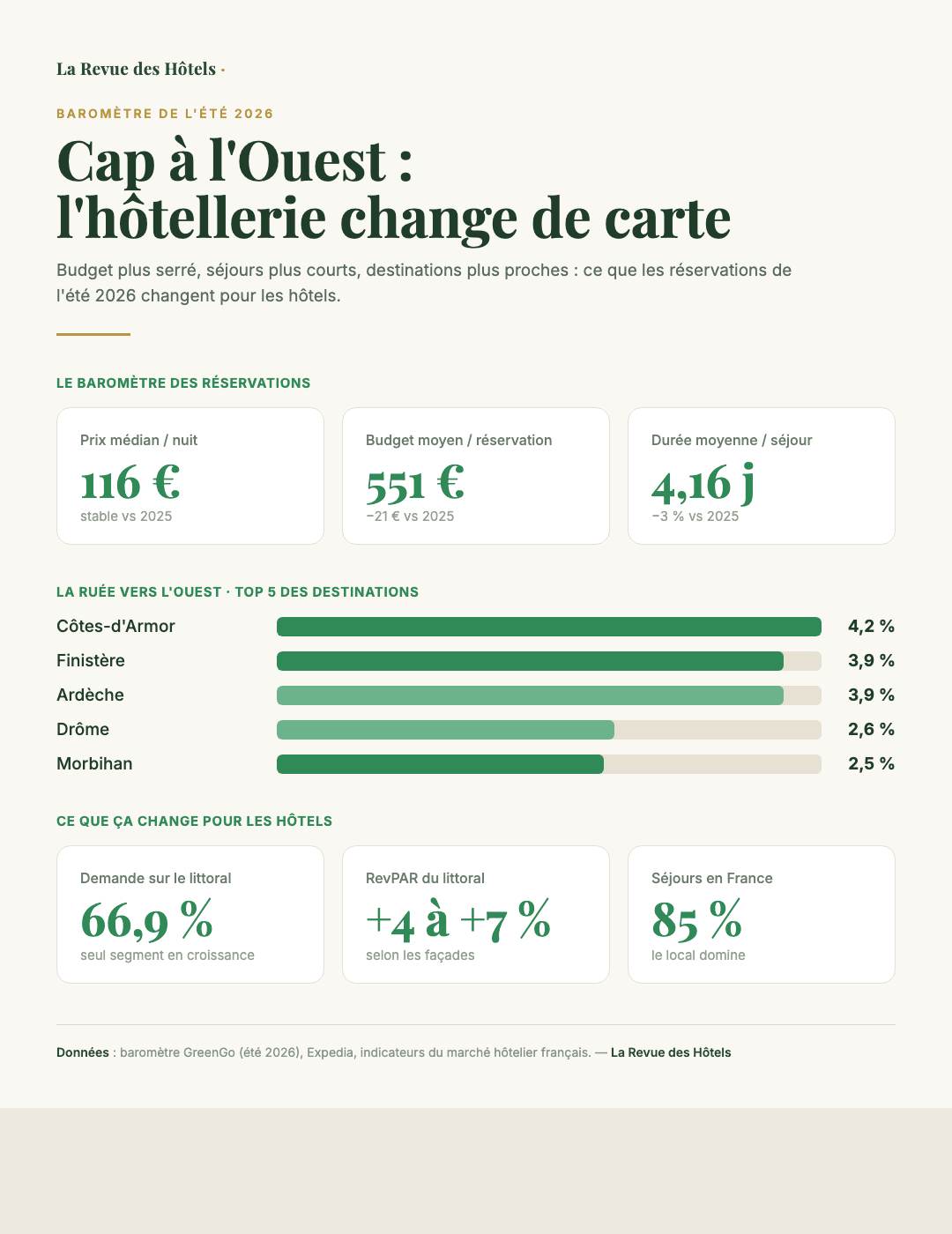
The observation is shared by all travel industry players: budgets are tightening, but the desire to travel remains intact. According to the GreenGo barometer, the average budget per booking has decreased by €21 over one year, to €551, while the average length of stays has dropped by 3%, to 4.16 days. The median overnight price, however, remains stable at €116. The French are not giving up on their holidays; they are optimising them. Expedia’s analysis is identical: proximity and controlled budgets are emerging as the season’s top two priorities, with nearly 85% of stays taking place within France. The instinct is no longer to forgo travel, but to adjust its duration and expense.
Heading West: The New Map of Desires
The real surprise of Summer 2026 can be summed up in one word: the West. Brittany, Pays de la Loire, Nouvelle-Aquitaine, and Normandy are gaining ground, to the detriment of more expensive Mediterranean destinations. In the GreenGo ranking, Côtes-d’Armor takes the lead in bookings (4.2%), ahead of Finistère (3.9%) and Morbihan (2.5%): three Breton departments in the top 5. The Atlantic and Channel coasts are driving most of this growth, supported by cooler coastlines that are more accessible by car and perceived as more authentic. This dynamic extends the enthusiasm for cooler destinations, these ‘coolcations’ that escape the heat.
The Coastline, Hospitality’s Driving Force
This geographical shift is directly reflected in hotel performance. The coastline is currently the only market segment experiencing growth, while Île-de-France is lagging after the effects of the Games. Revenue per available room indicators, the famous RevPAR, are up 4% in the North-West, 6% on the Côte d’Azur and South-West, and up to 7% on the Mediterranean coast. Crucially, the sea captures nearly 67% of summer demand, with a clear shift in bookings towards the Atlantic. Seaside resorts and wellness-focused establishments are emerging as the season’s big winners.

Luxury Also Revisits its Approach
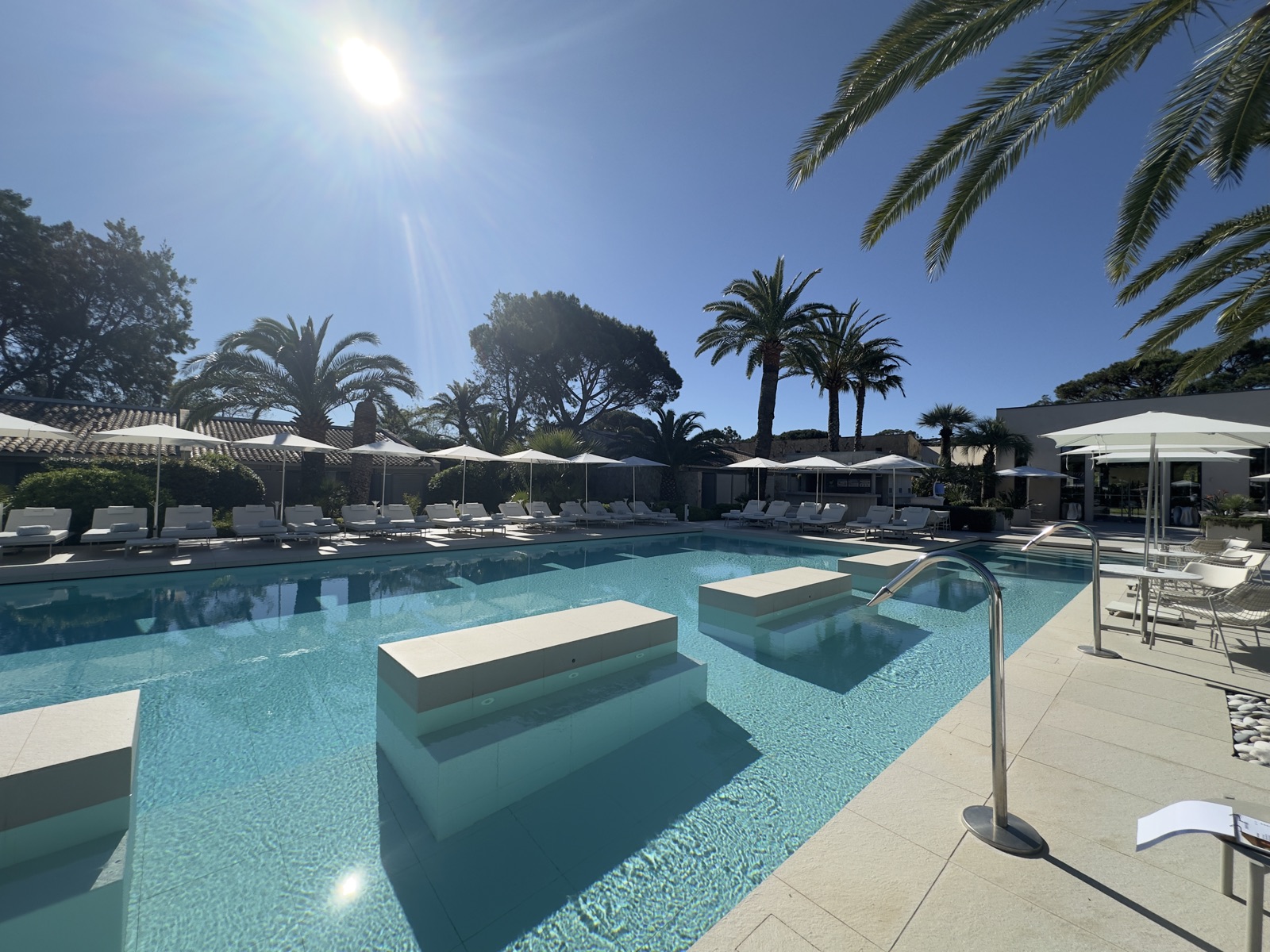
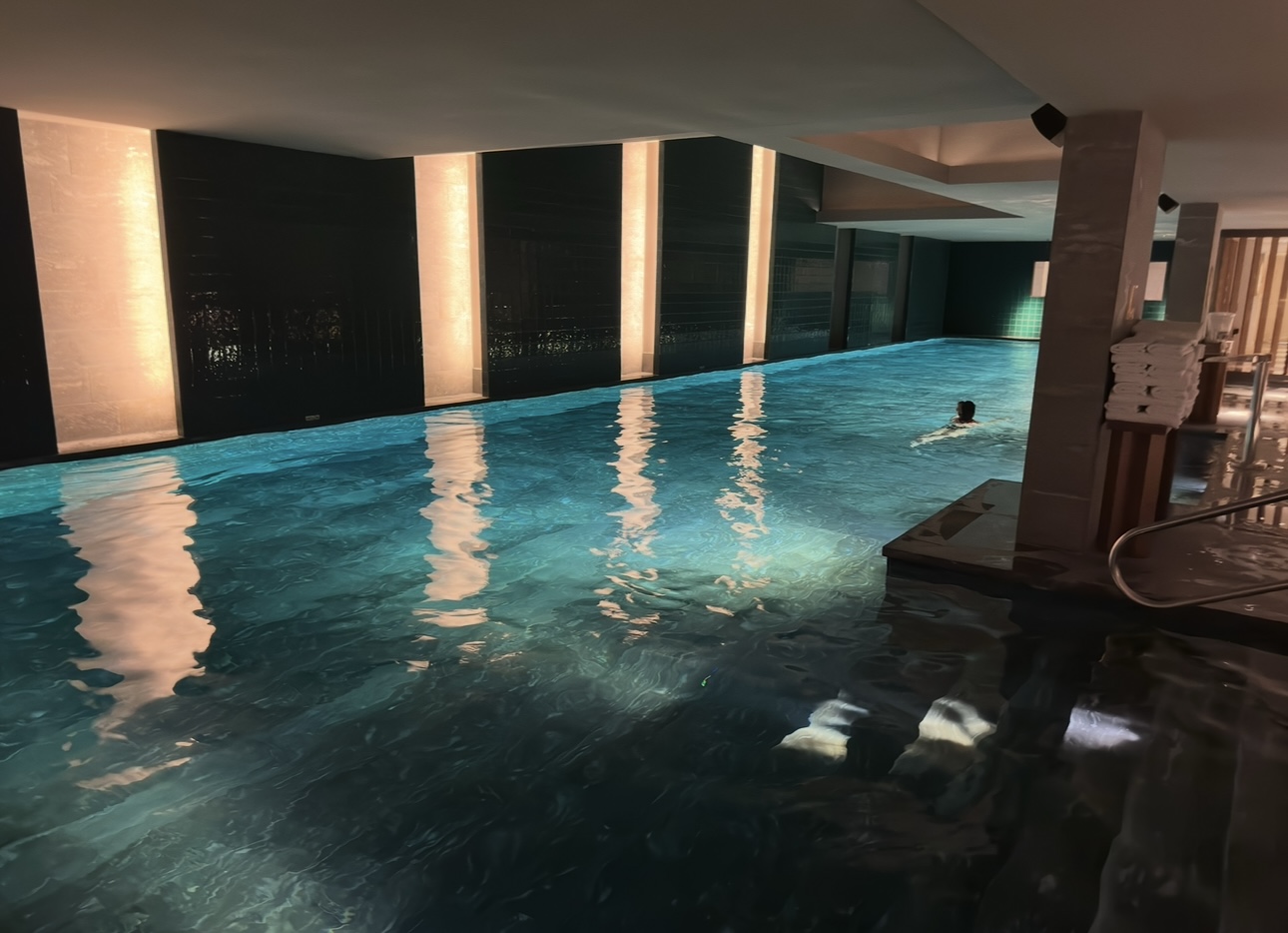
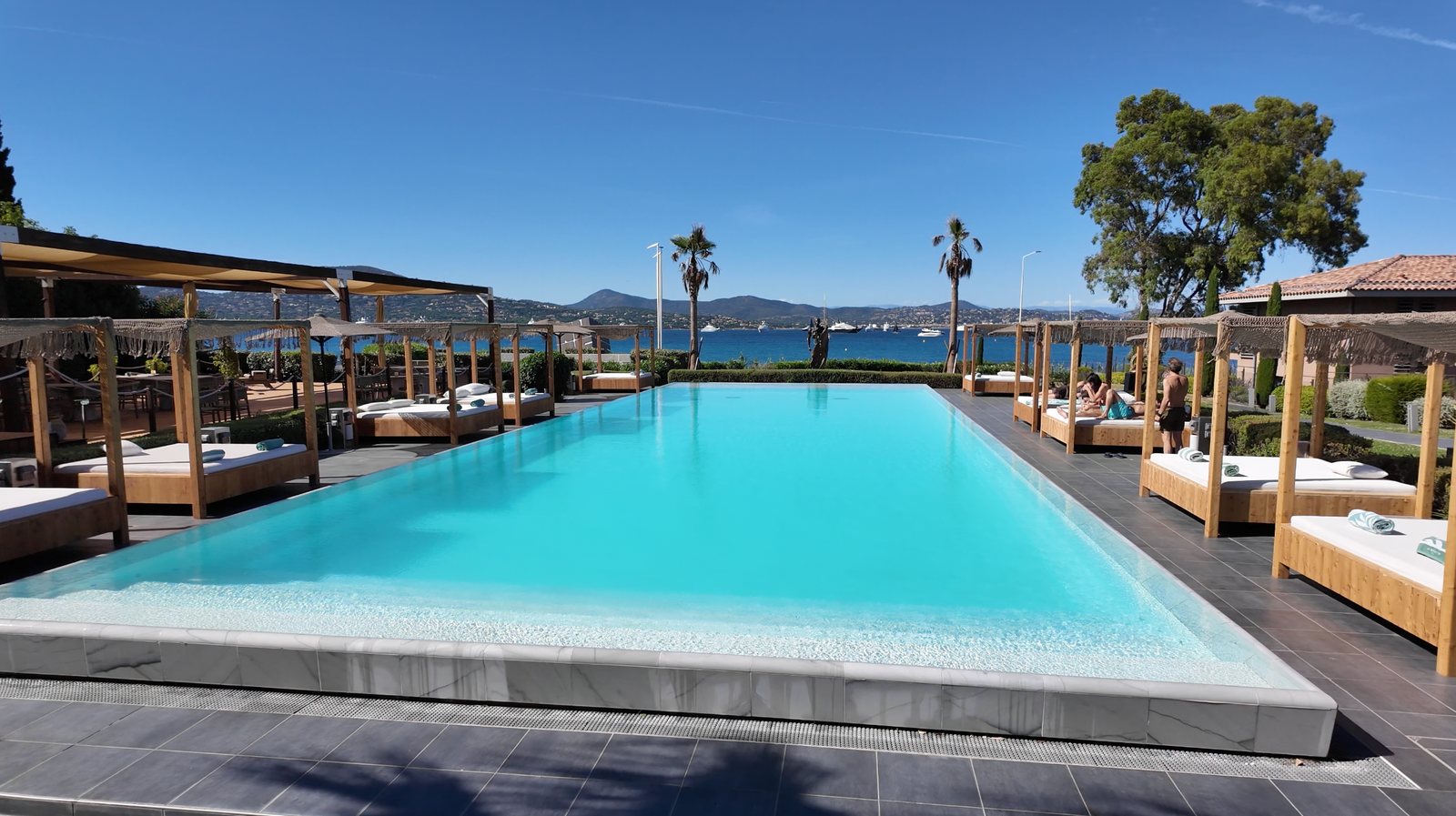
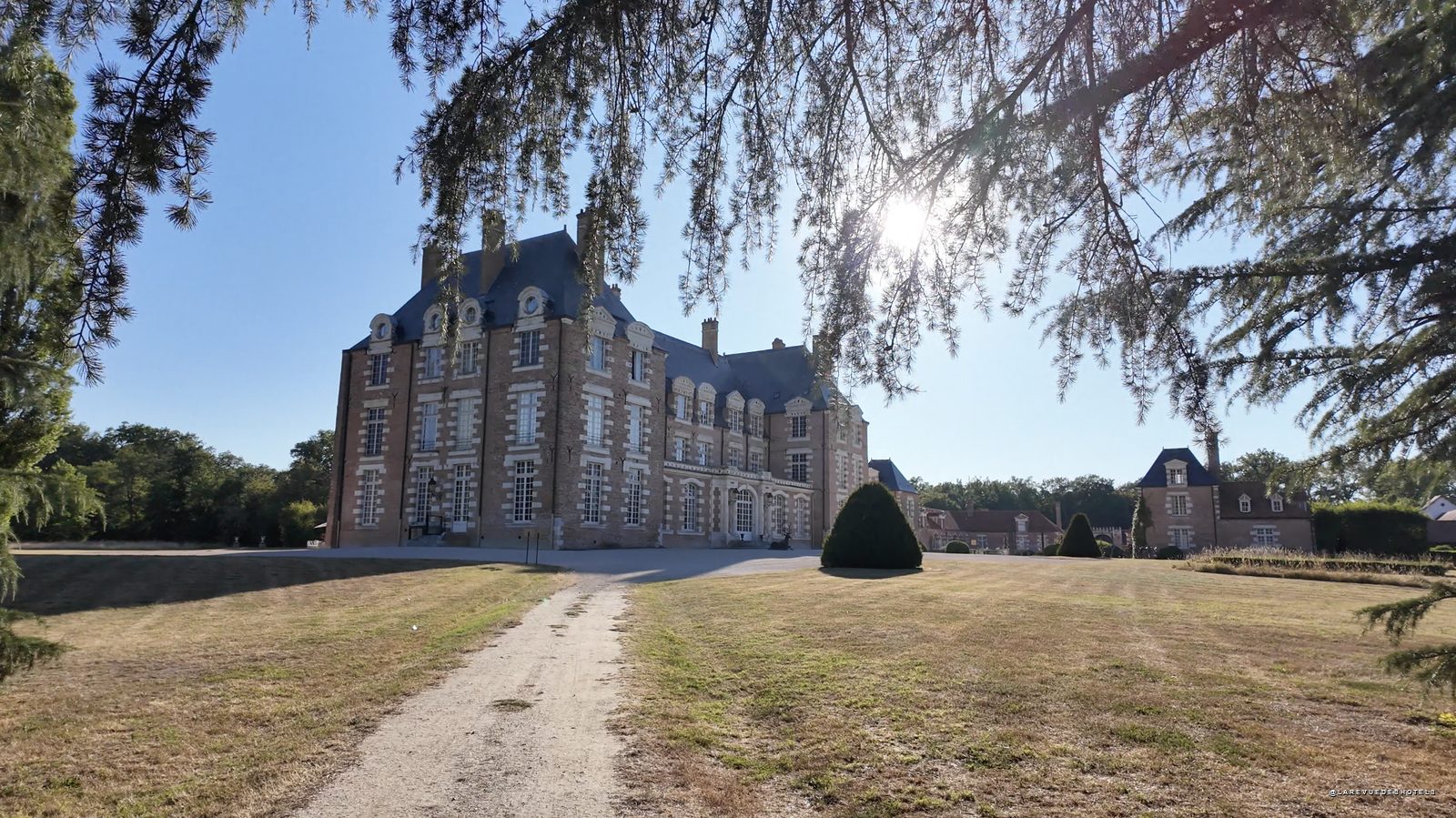
The trend doesn’t stop at the doors of luxury palaces. Even high-end clientele are adjusting their habits: shorter stays, closer getaways, and increased demands for practical value. For luxury hospitality, the challenge is no longer to inspire distant dreams, but to justify every night with a flawless experience. Establishments combining natural settings, summer coolness, and impeccable service are attracting clientele willing to spend, provided they receive value for money. This fully explains the success of green getaways and hotels with spectacular swimming pools, which have become compelling booking arguments.
Three Lessons for Hoteliers
For the season, three key lessons emerge. Firstly, Western France is no longer a fallback destination but a primary choice, which must be embraced and promoted. Secondly, value for money is becoming a central selling point, even at the high end: half-board options, included experiences, and clear offers reassure a client mindful of every line on their bill. Finally, the shortening of stays calls for a rethinking of offers around long weekends, micro-wellness breaks, and last-minute bookings, which align with real traveller behaviour. The August season and late decisions will tell if this prudence is confirmed.

Summer 2026 does not signal the end of holidays, but rather their recomposition. The French are still travelling, simply closer, smarter, and more oriented towards nature. For French hospitality, and particularly for establishments in the West and along the coast, the opportunity is significant: to cater to a clientele that remains loyal to travel, but more demanding than ever about what they receive in return.