
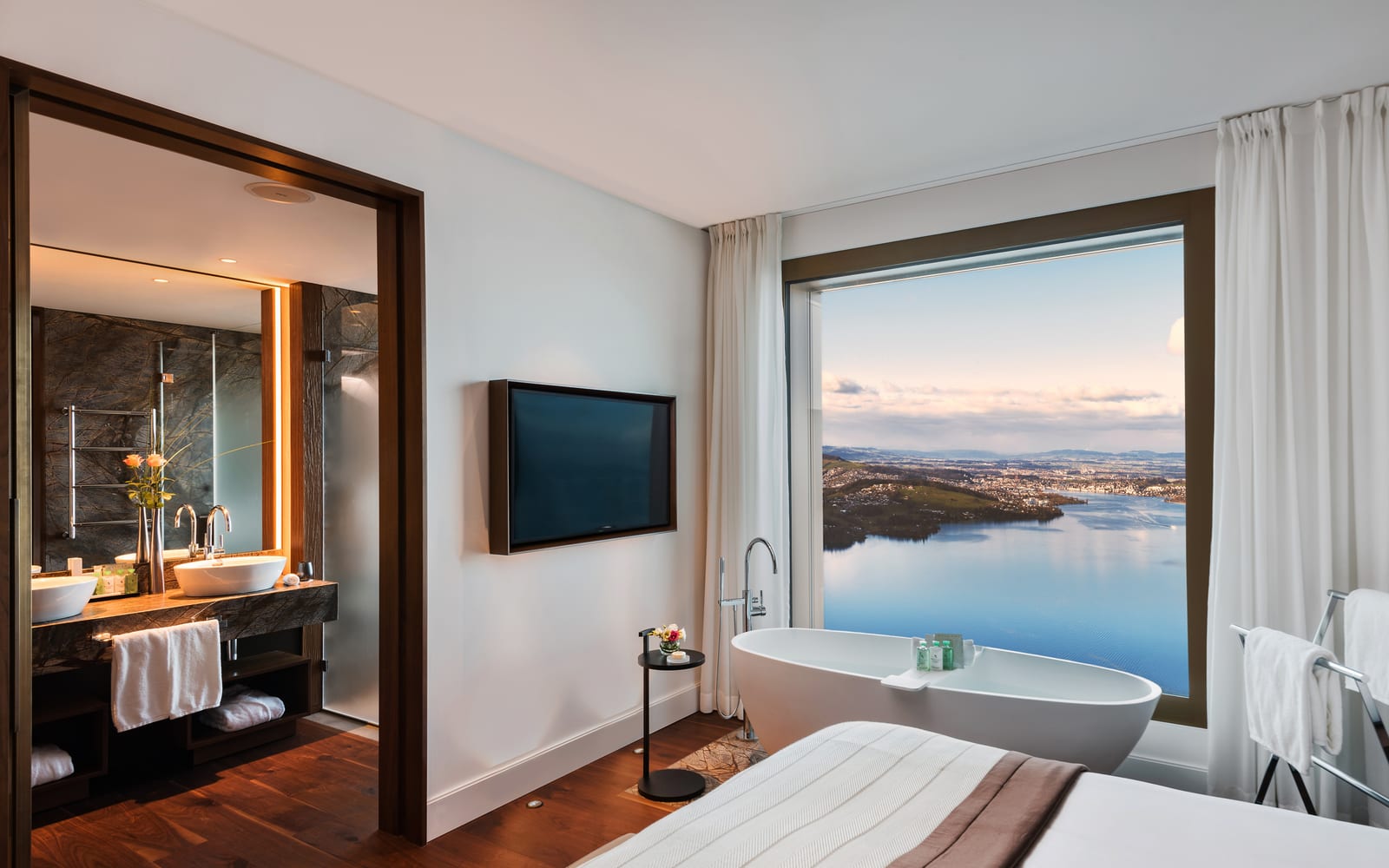

- Sleep tourism involves travelling with the primary goal of improving sleep and recovery.
- Hotels are competing with an array of features: smart beds, enhanced soundproofing, sleep concierges, and tailored sleep programmes.
- Sleep has emerged as a marker of luxury, championed by brands such as Six Senses and Aman.
- The trend addresses a critical health and wellness concern, extending far beyond simple comfort.
What is Sleep Tourism?
Sleep tourism, or sleep travel, refers to the practice of travelling primarily to sleep better and rest, rather than for sightseeing. In a world saturated with screens and chronic fatigue, offering a perfect night’s sleep has become a compelling reason to travel. Sleep is establishing itself as the ultimate new luxury.
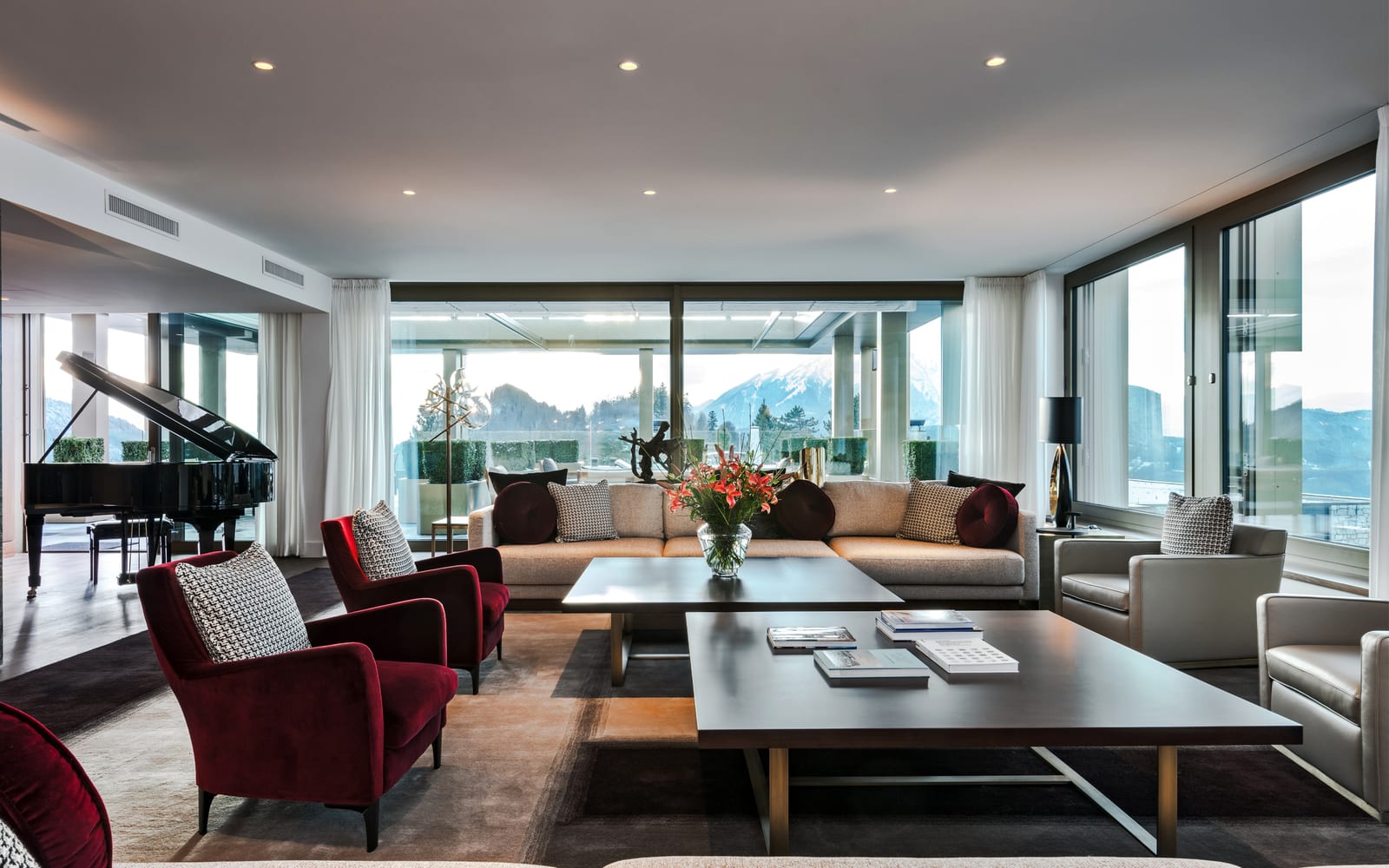
Why is This Trend Exploding?
The sleep-related wellness market, valued at over $690 billion, is experiencing robust growth, driven by a collective awareness of the importance of quality rest. After years of travellers trying to ‘do it all’ when travelling, a segment of guests now longs to slow down, disconnect, and truly sleep. Luxury hotels, attentive to this demand, have embraced this as a key differentiator.
What Do Hotels Offer?
To guarantee the perfect night’s sleep, grand hotels are deploying an impressive arsenal: smart beds that analyse sleep, mattresses with adjustable firmness and temperature, enhanced soundproofing, adaptive lighting, and dedicated bedtime rituals. The most advanced establishments offer a sleep concierge, meditation or hypnotherapy sessions, and comprehensive sleep programmes guided by specialists.
Which Addresses Have Made It a Signature?
Certain brands have placed sleep at the heart of their promise, exemplified by Six Senses and Aman, beacons of wellness and longevity. This approach is also found in major urban spas, nature retreats, and longevity hotel-clinics, where sleep becomes a comprehensive treatment.

Sleep Tourism, For Whom?
This trend caters to anyone looking to transform a weekend break or holiday into a genuine recovery programme. Exhausted city dwellers · jet-lagged travellers · parents seeking respite: sleep tourism is no longer a niche, but a fundamental expectation redefining contemporary luxury.