

Long a preserve of families and enthusiasts, the Indian hotel sector is undergoing a transformation. A report by NOESIS consultancy quantifies this: Indian hospitality has become a capital market worth approximately 36,564 crore rupees, now dominated by institutional investors. This shift places India among the major hotel investment markets.
- The Observation: Indian hotels are becoming an investment asset class, valued as income-generating real estate.
- The Volume: Approximately 36,564 crore rupees in disclosed transactions, across nearly 125 deals and 37,847 rooms.
- The Buyers: Institutional investors account for nearly 60% of the total value.
- Luxury Leads: 29 luxury transactions amounting to approximately 22,000 crore rupees.
- Active Cities: Bengaluru, the Delhi region, Mumbai, Chennai, and Goa.
The NOESIS Report: Indian Hotels Become an Asset
Authored by the NOESIS consultancy, led by Nandivardhan Jain, the report analyses nearly 125 hotel transactions in India, covering 37,847 rooms and approximately 36,564 crore rupees in disclosed value. Its thesis: a hotel is no longer judged by its prestige but by its profitability, like an income-generating real estate asset. A buyer, the consultancy summarises, only pays what the operation can sustain.
Report Figures
- Total Volume: Approximately 36,564 crore rupees in transactions.
- Institutional Investors: Approximately 21,812 crore rupees, accounting for nearly 60% of the value.
- Luxury Segment: 29 transactions, 13,155 rooms, approximately 22,033 crore rupees.
- Multi-city Portfolios: Approximately 15,095 crore rupees across 10 deals.
From Passionate Owner to Investor
The change is as much cultural as it is financial. The Indian hotel is shifting from being a prestige asset, passed down through families, to an asset scrutinised for its operational performance and its ability to generate cash flow. This financial perspective attracts a new range of buyers: developers, family offices, lenders and, crucially, institutional investors, who are reshaping the landscape of hotel ownership.

A Market Driven by the Race for Scale
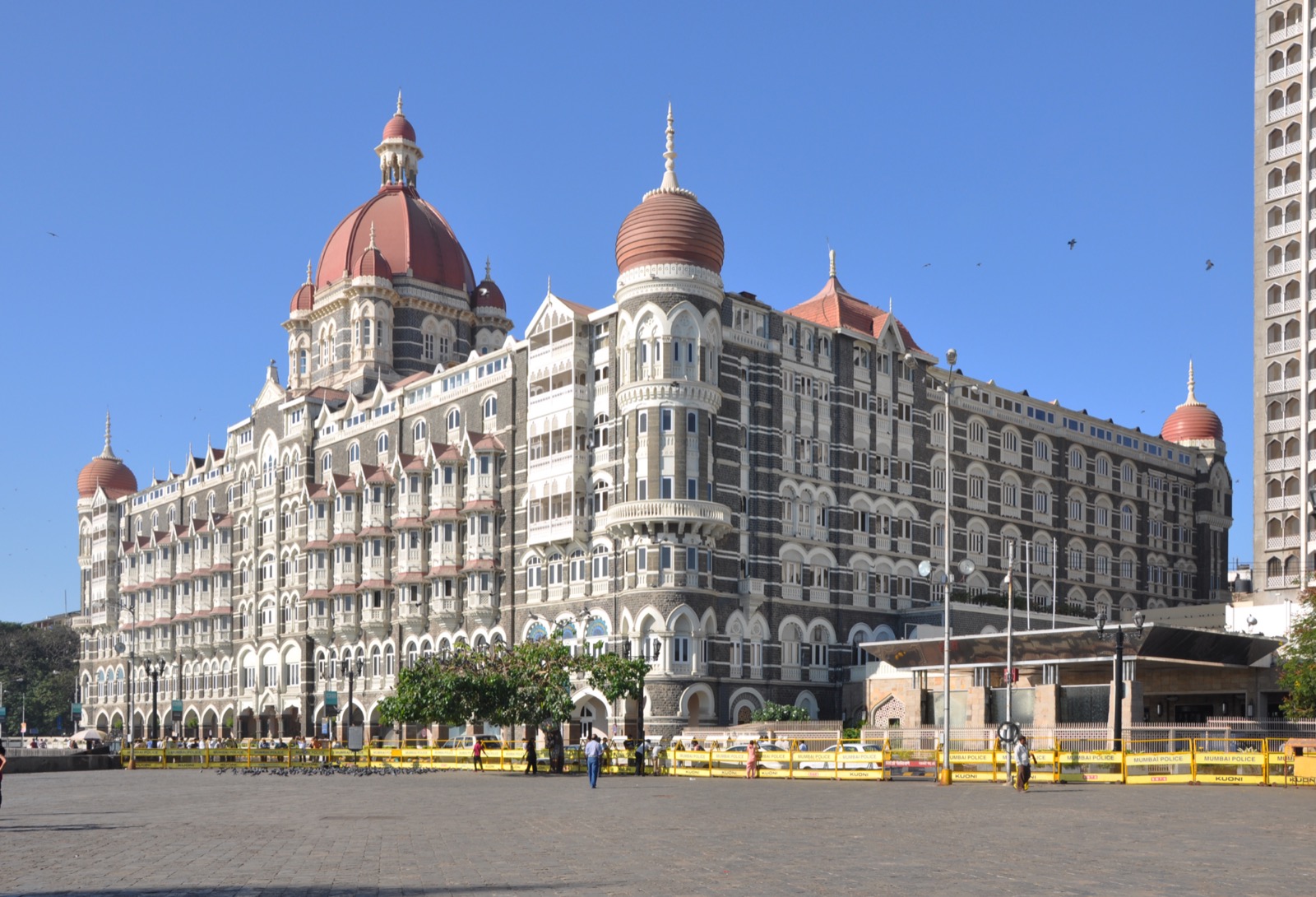
This shift cannot be understood without the context of the accelerating Indian market (market data distinct from the NOESIS report). The development pipeline exceeds 114,000 rooms, and major groups are engaged in a race for scale that solidifies the hotel as an institutional asset. IHCL (Taj) aims for 1,000 hotels by 2030, Marriott has over 200 properties, ITC targets 200, while IHG is multiplying openings. Sustained demand and occupancy rates around 68% complete the picture.
Our Perspective
India is, in its own way, replicating a movement already seen elsewhere: hospitality is becoming institutionalised as brands expand en masse. For the traveller, the risk is standardisation; the opportunity, an increase in quality and reliability. This Indian shift echoes the global race for volume among giants, such as Marriott, which has surpassed 10,000 hotels worldwide.